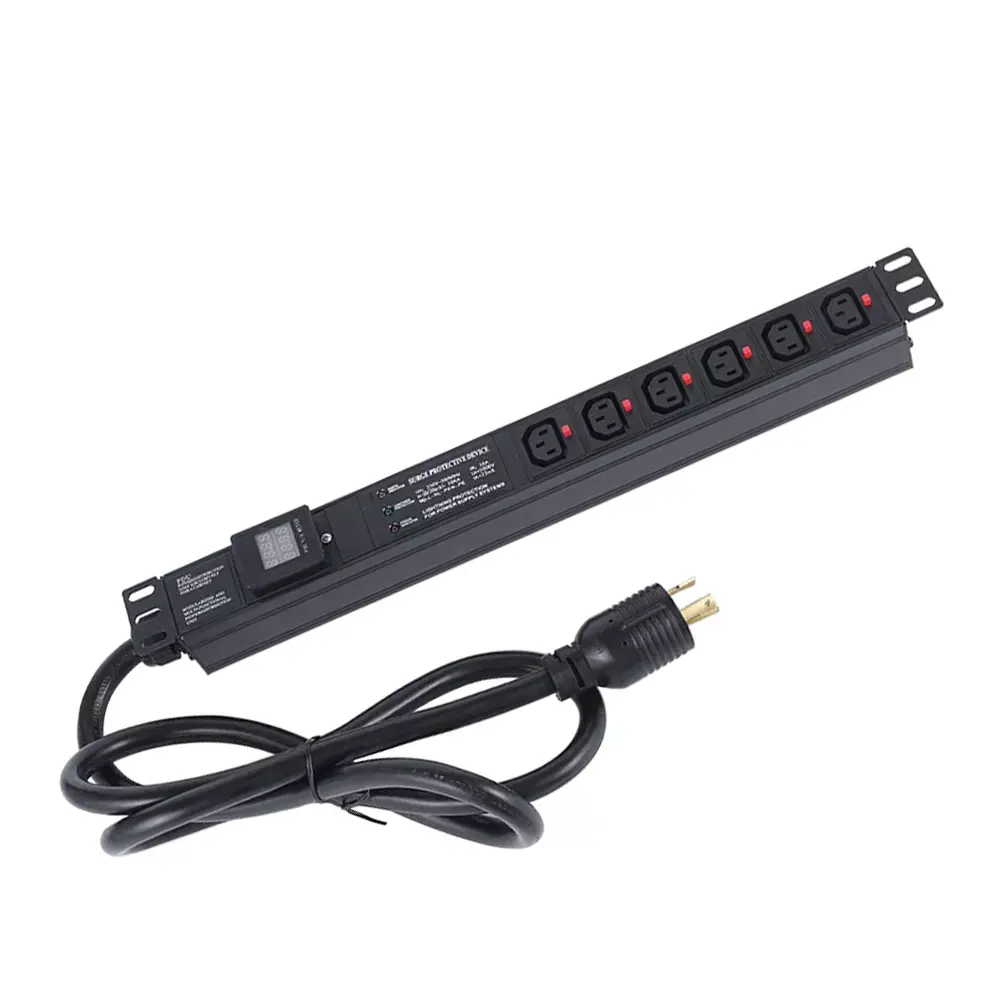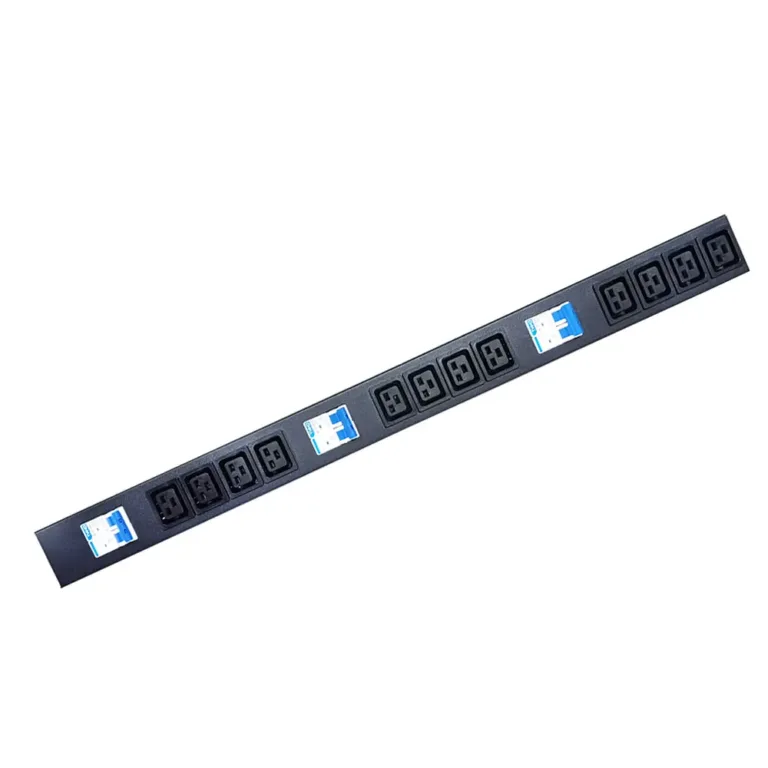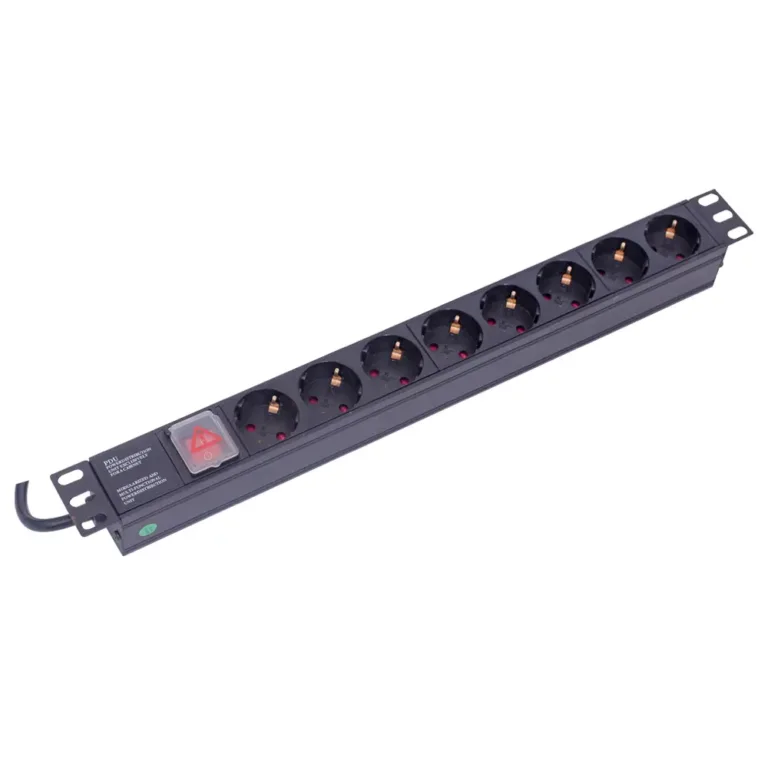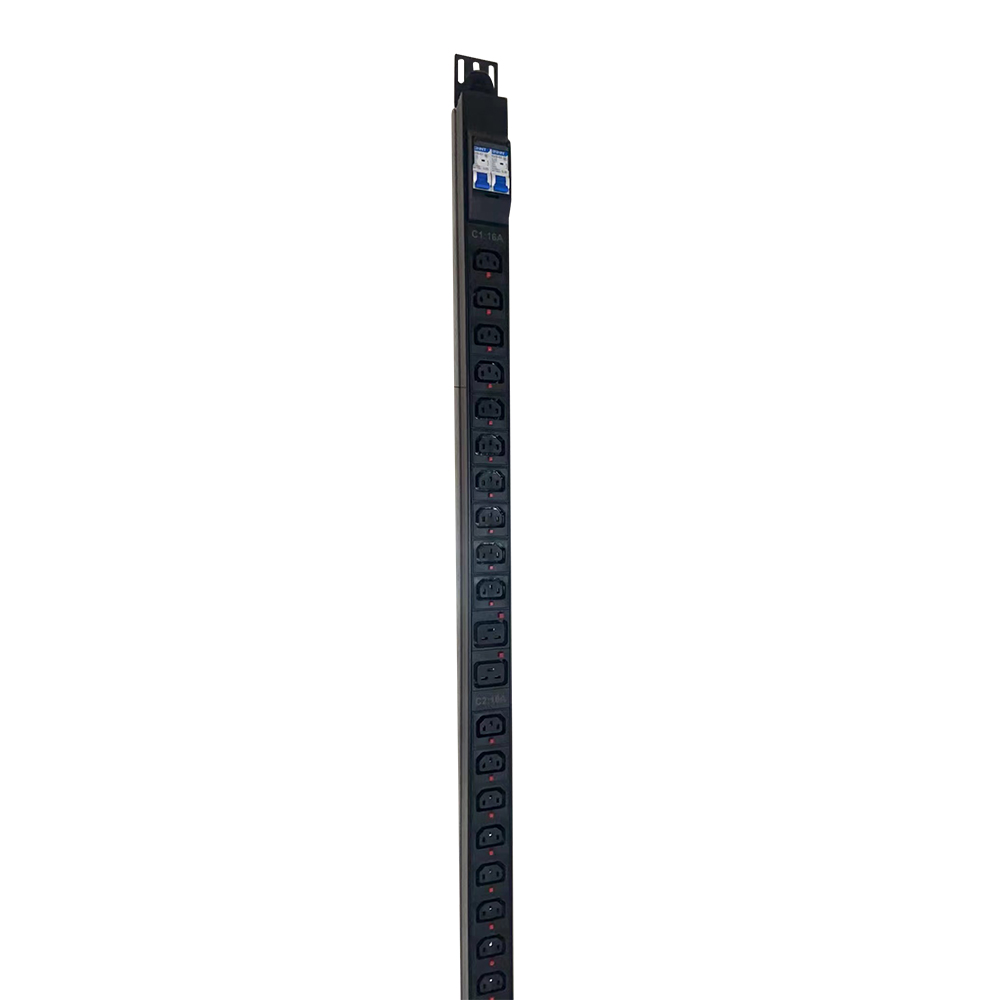
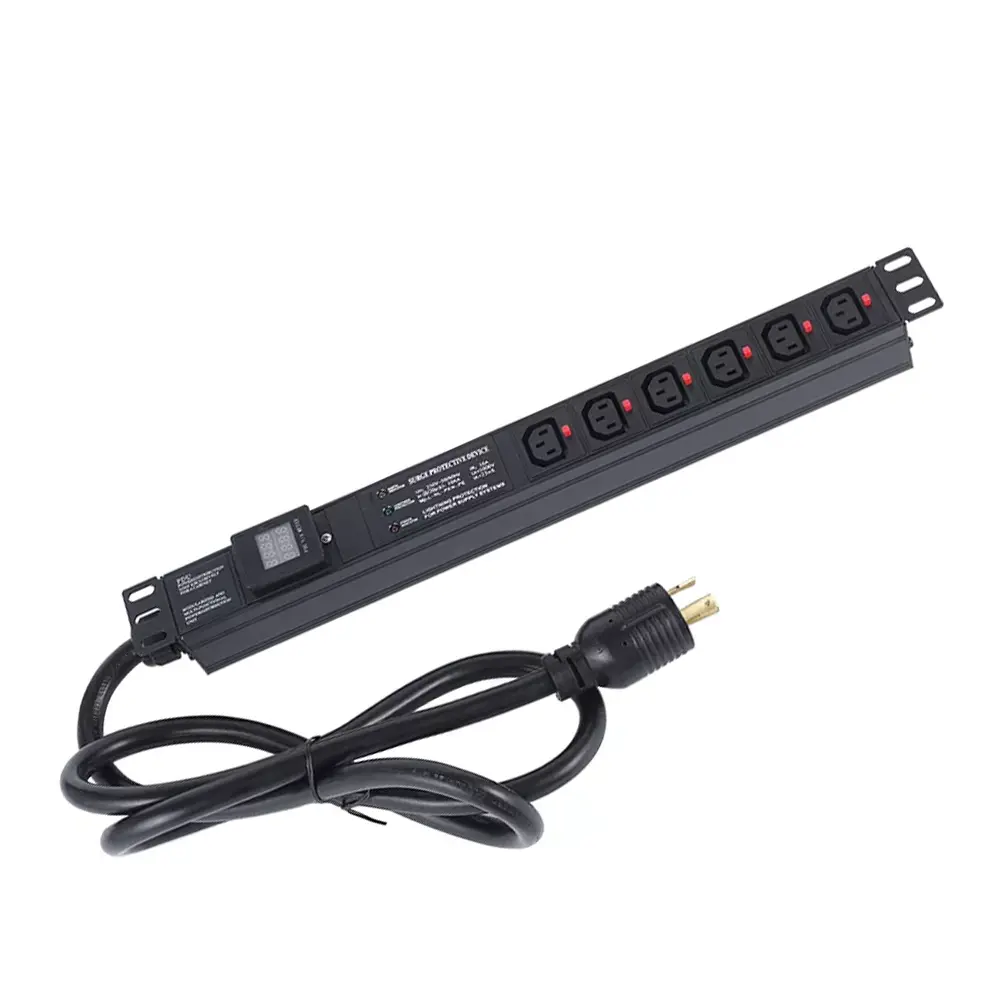
Single phase 32A 2x1P 16A MCB PDU 20 C13 4 C19 Power strip
Categories Basic PDU Metered PDU Smart PDU Accessory Produits Populaires 3 Phase 32A IEC C13 C19 0U pdu distribution unit Protection contre les surtensions pour...


+86 15867381241
In simple terms, it is the process of delivering electricity from the transmission system to homes, businesses, and industrial users in a safe and usable form.
Power distribution reduces high transmission voltages to lower levels that can be safely used by everyday electrical equipment, while ensuring a stable and continuous supply of electricity. Without reliable power distribution, modern life would not function — from hospitals and factories to communication networks and data centers.
Electricity is generated and transmitted at extremely high voltages to minimize energy loss over long distances. However, these voltages (up to 765 kV) are lethal and cannot be used directly by appliances.
Power distribution systems perform a multi-stage step-down process:
This process ensures electricity is delivered safely without risking injury or equipment damage.
A robust distribution system maintains consistent power supply even during peak demand or equipment failures. Key reliability features include:
Utilities measure reliability using standard industry metrics:
Distribution systems balance supply and demand in real time. They adjust power flow to match changing usage patterns, such as morning and evening peak hours. This prevents overloads that could damage equipment or cause outages.
Modern systems also integrate renewable energy sources like solar and wind, which have variable output. Smart distribution technology helps stabilize the grid by adjusting to these fluctuations automatically.
Reliable power distribution is the backbone of civilization. It enables:
Many people confuse power distribution and transmission, but they serve distinct roles:
| Feature | Power Transmission | Power Distribution |
|---|---|---|
| Voltage Range | 44 kV – 765 kV | 4 kV – 35 kV (stepped down to 120–240V) |
| Purpose | Long-distance energy transport | Local delivery to end users |
| Infrastructure | Large steel towers, overhead lines | Wooden/metal poles, underground cables |
| Transformers | Step-up transformers at power plants | Step-down transformers at substations |
| Typical Distance | Hundreds of miles | A few miles or less |
💡 Pro Tip: Transmission lines are the large, high-voltage lines you see crossing open fields. Distribution lines are the smaller lines that run through neighborhoods to your home.
Substations are the control centers of the distribution grid. They receive high-voltage power from transmission lines and use transformers to step it down for local use.
Key substation components:
Distribution lines carry power from substations to individual buildings. They can be overhead (mounted on poles) or underground (buried in cables).
Most modern distribution lines use all-aluminum conductors (AAC), which are lightweight, corrosion-resistant, and energy-efficient.
Meters measure the amount of electricity consumed by each customer. Smart meters send real-time usage data to utilities wirelessly, eliminating the need for manual meter reads. They also help customers monitor their energy use and save money.
Service connections link the distribution line to the customer’s building, including a main breaker panel that protects against overloads and short circuits.
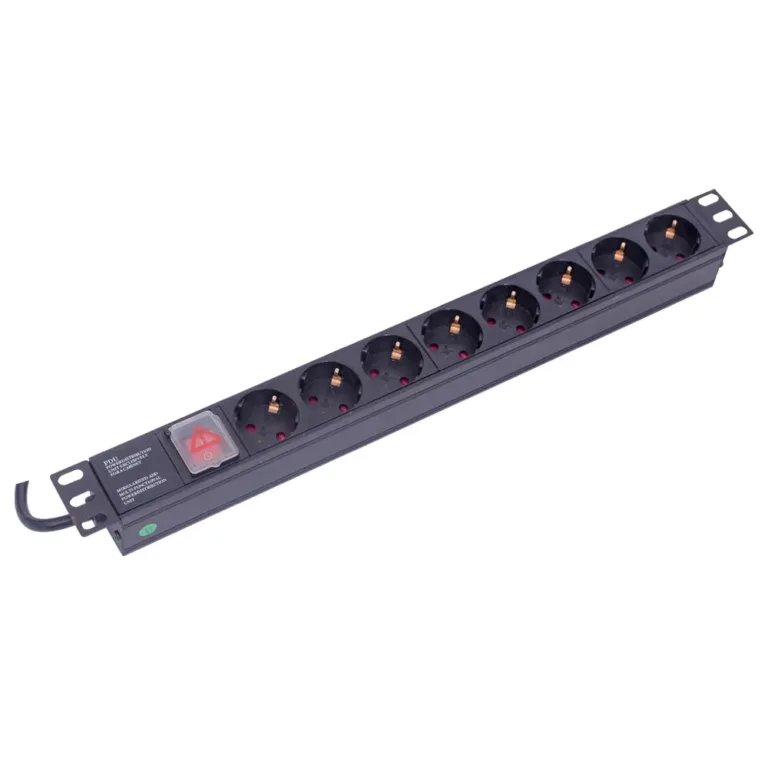
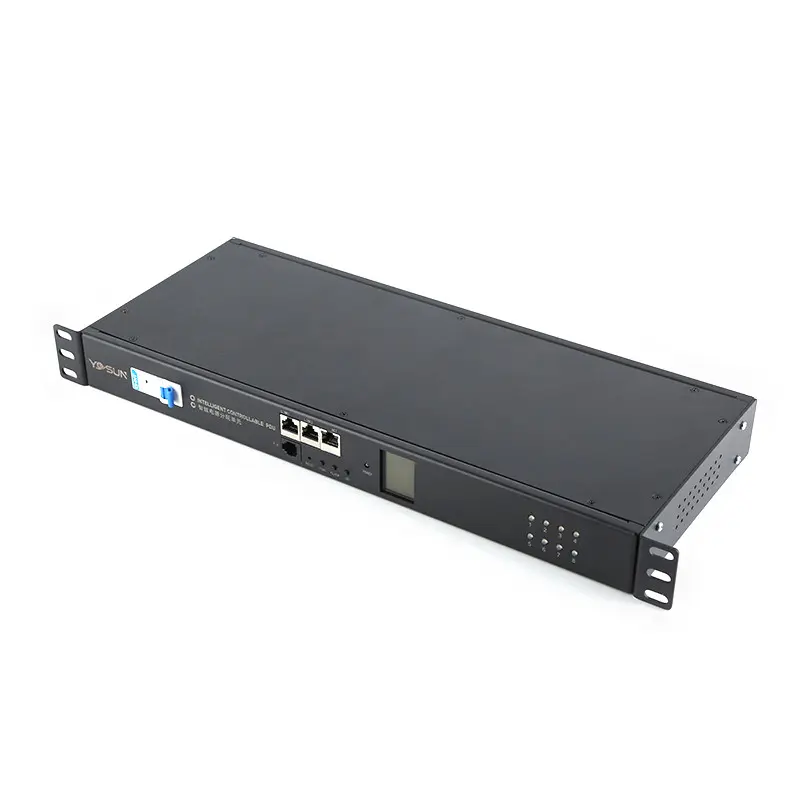
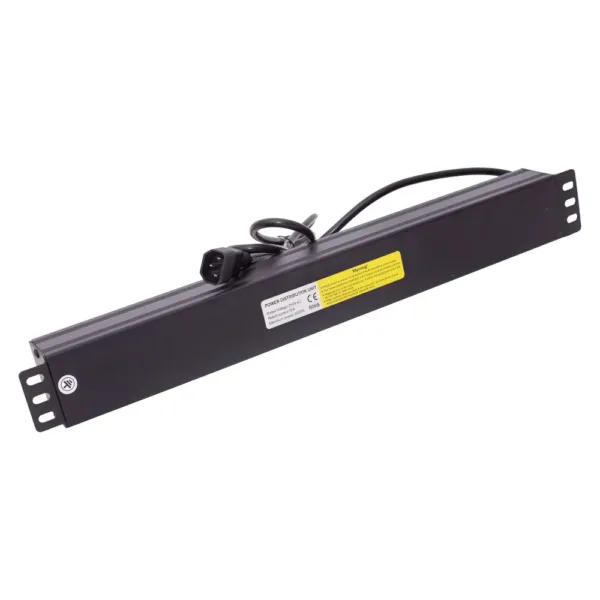
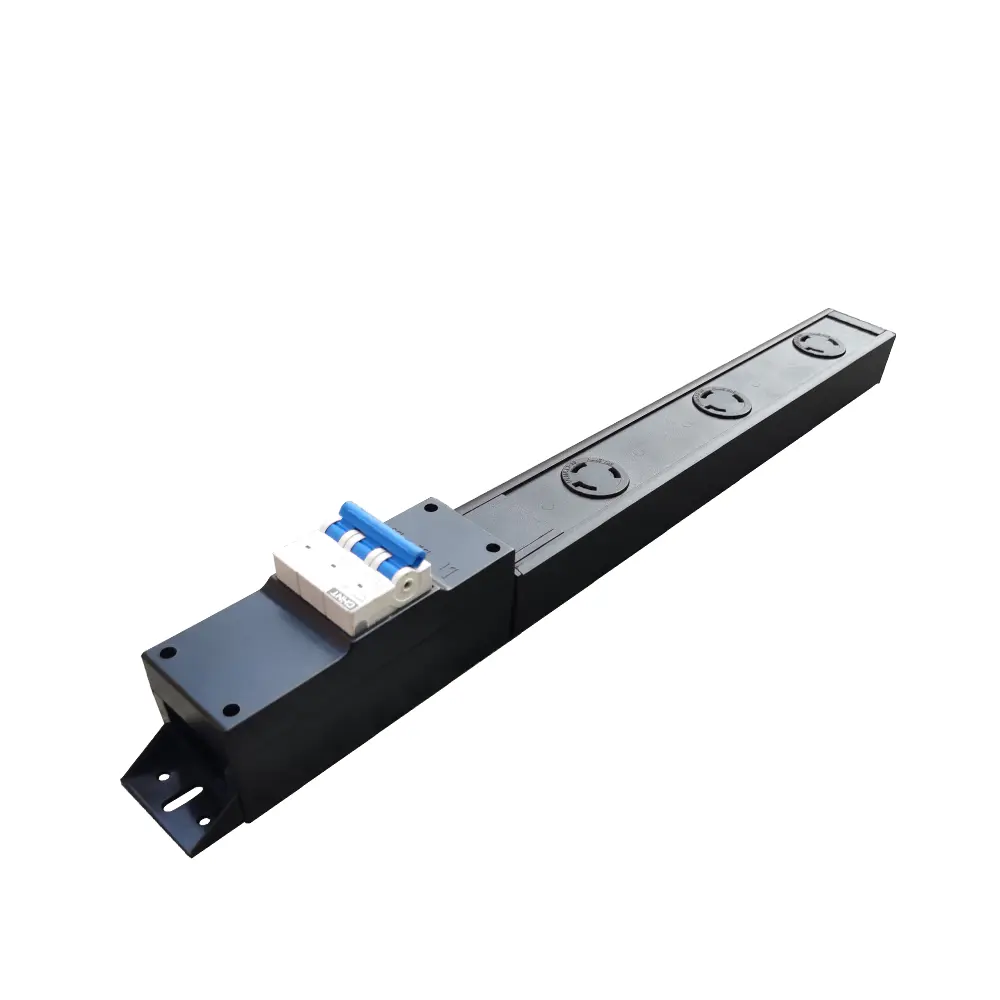
In data centers, industrial facilities, and commercial buildings, Power Distribution Units (PDUs) distribute power to individual servers, machines, and equipment. They are critical for preventing overloads and ensuring uptime.
| Type of PDU | Main Feature | Best Use Case |
|---|---|---|
| Basic | Simple power distribution | Small server rooms, offices |
| Metered | Real-time power usage monitoring | Medium data centers |
| Smart | Remote control, alerts, and environmental monitoring | Critical IT environments |
| Heavy-Duty | High load capacity, rugged construction | Industrial facilities, manufacturing |
YOSUN is a leading smart PDU manufacturer, delivering reliable power distribution with up to 99.999% uptime.
All products are manufactured under ISO9001 standards and comply with major international certifications including CE, UL, and RoHS, serving data centers and industrial applications worldwide.
Power distribution systems face several significant challenges:
New technologies are addressing these challenges:
YOSUN’s smart PDUs are at the forefront of this innovation, helping data centers and industrial facilities reduce energy use, improve reliability, and lower operating costs.
Power distribution systems are the unsung heroes of modern civilization. They safely deliver electricity from power plants to our homes, offices, and factories, enabling everything from basic lighting to advanced data centers.
As the world transitions to renewable energy and digital technologies, smart power distribution solutions will become even more critical. YOSUN is committed to developing innovative products that make the grid more reliable, efficient, and sustainable.
The main job is to safely and reliably deliver electricity from high-voltage transmission lines to homes, businesses, and industrial facilities. It steps down dangerous voltages to levels that are safe for everyday use.
PDUs distribute power to servers and other IT equipment, preventing overloads and ensuring uptime. Smart PDUs provide real-time monitoring and remote control, helping data centers operate more efficiently and reduce downtime.
They use multiple layers of protection, including transformers to reduce voltage, ground fault protection, insulation, and surge protectors. Regular maintenance and compliance with safety standards also help prevent accidents.
YOSUN’s PDUs offer industry-leading reliability (99.999% uptime), advanced smart features like remote monitoring and control, and compliance with global safety standards. They are trusted by data centers and industrial facilities worldwide.
A PDU distributes power to multiple devices, while a UPS (Uninterruptible Power Supply) provides backup power during outages. Critical facilities use both: a UPS for short-term backup and a PDU for reliable power distribution.