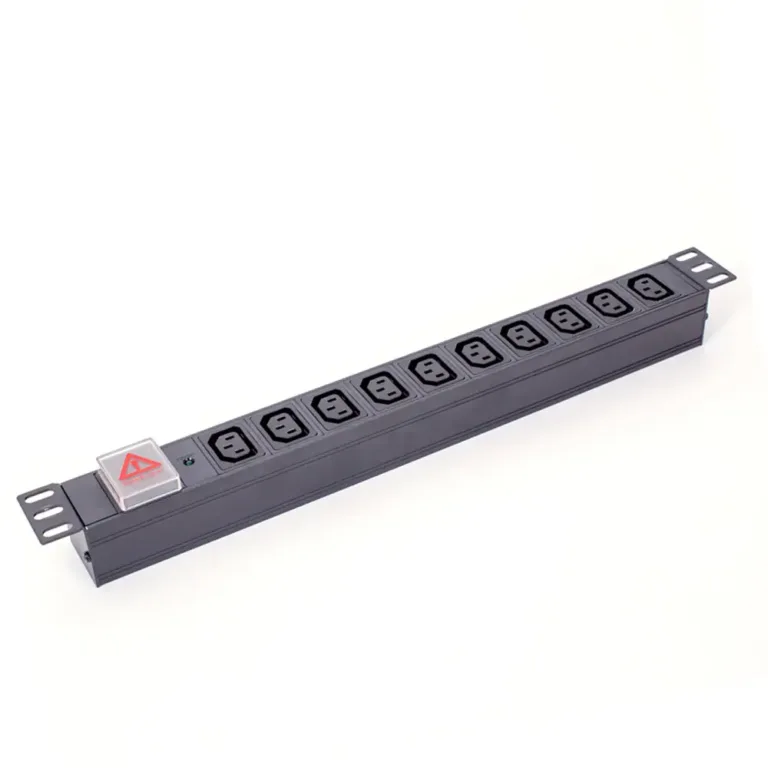
A Comprehensive Guide to Choosing the Right 1U Rack Mount PDU
Choose the right 1U rack mount PDU with our guide. Learn about power capacity, outlet compatibility, and scalability to optimize your server rack setup.


+86 15867381241
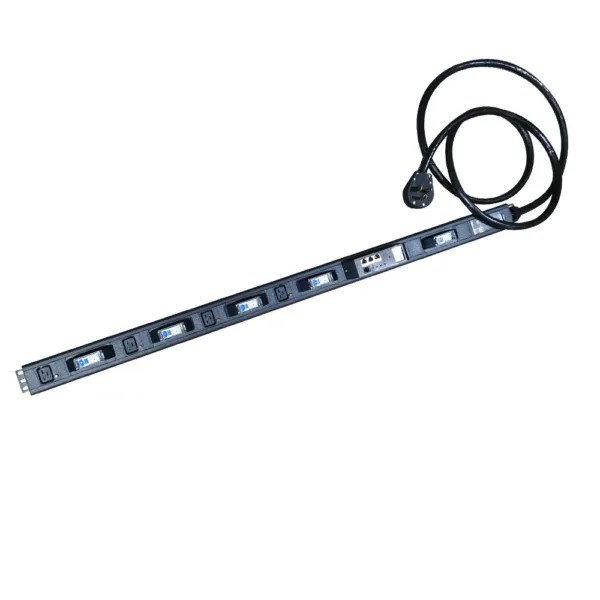
At its simplest, the core difference comes down to functionality: a basic power distribution unit (PDU) only delivers power to rack-mounted equipment, while an intelligent PDU (iPDU) adds network connectivity, real-time power monitoring, remote outlet control and environmental sensing capabilities.
For facility managers and IT teams, this choice directly impacts data center uptime, operational efficiency, energy costs and maintenance workload. While basic PDUs have a lower upfront price tag, intelligent units deliver measurable long-term value for most professional IT environments. This guide breaks down every key difference, use case and selection factor to help you make the right choice.
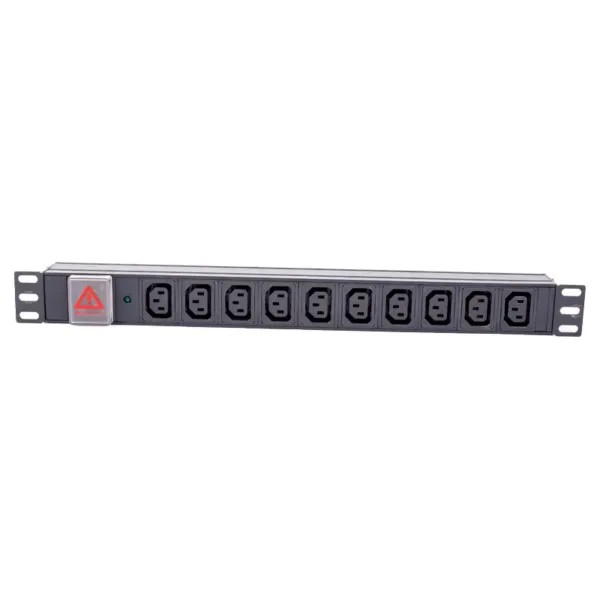
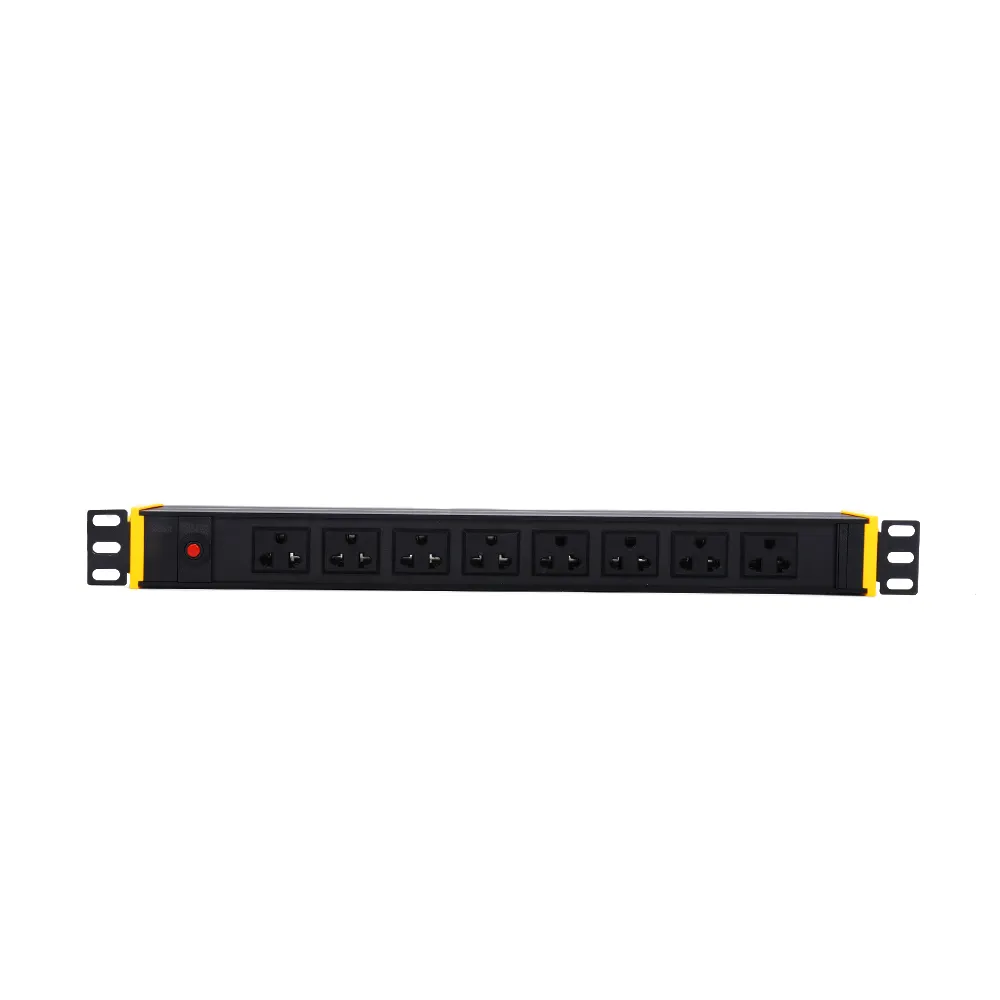
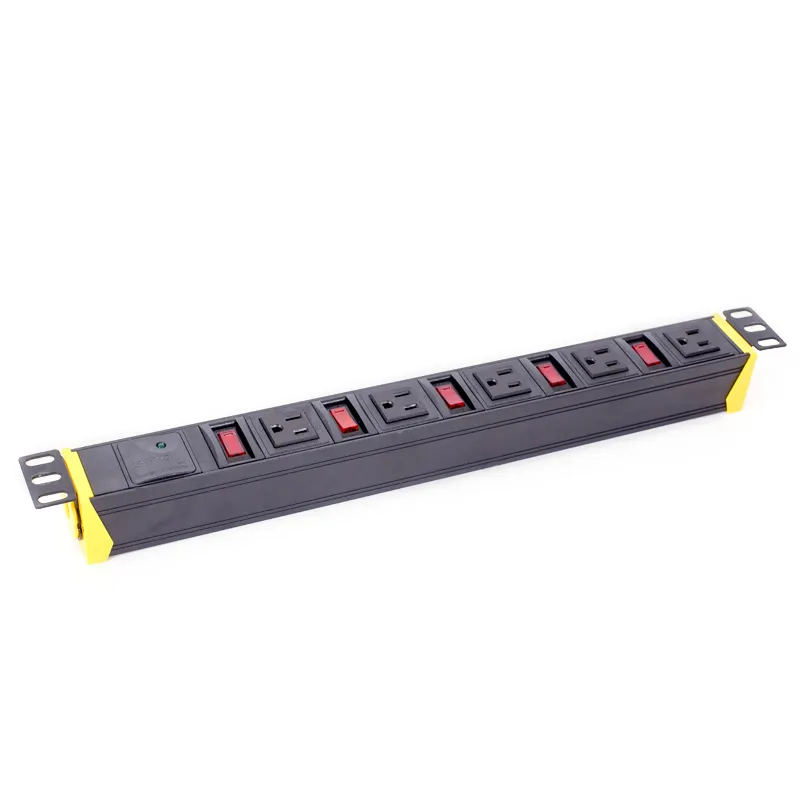
A basic PDU is a passive power distribution device, essentially a rugged, rack-mountable power strip. It takes incoming AC power from a mains or UPS source and splits it across multiple outlets to power servers, switches and other rack hardware, with no voltage regulation or intelligent features.
Without digital features, all maintenance and troubleshooting must be done on-site. Tech teams cannot check load levels remotely, receive overload warnings, or reboot frozen devices without physical access to the rack. This leads to longer downtime for remote sites, higher labor costs for on-site visits, and higher risk of accidental circuit overloads.
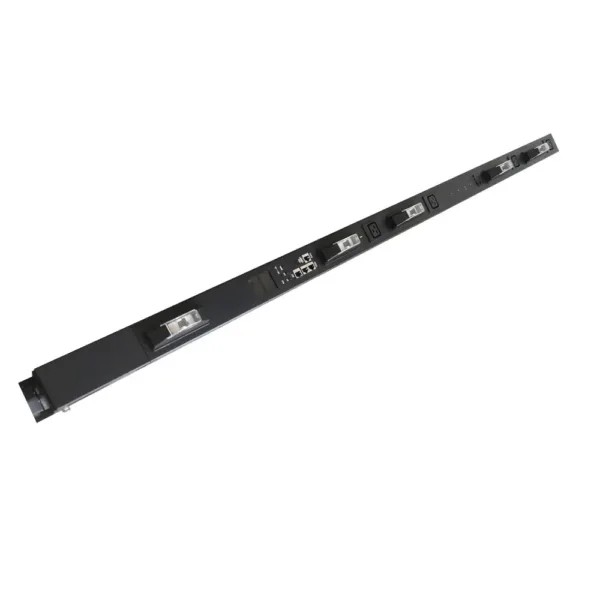
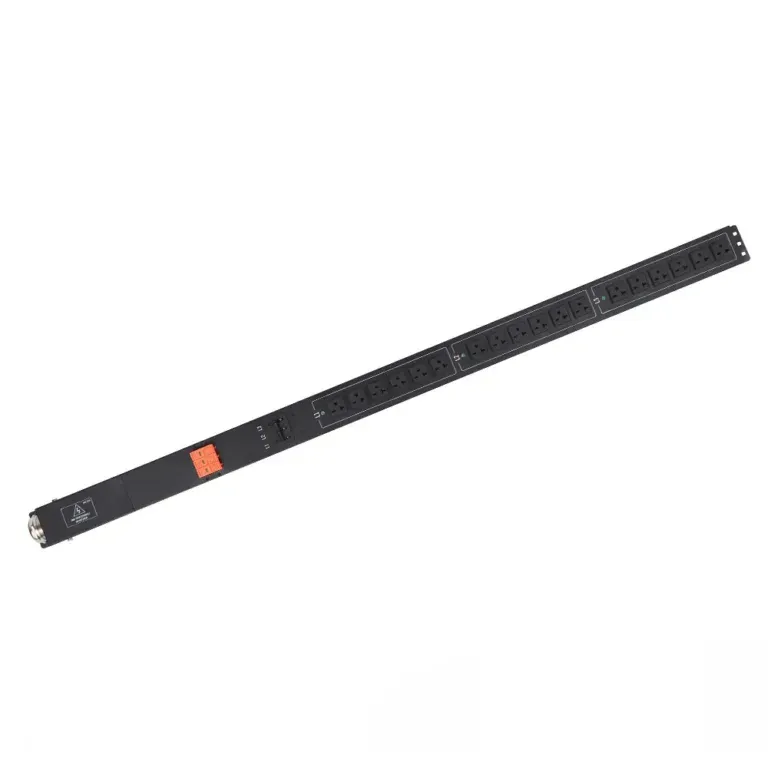
An intelligent PDU builds on basic power distribution by adding an integrated network controller, metering sensors and electronic outlet controls. It connects to your local network, allowing teams to monitor power data and manage outlets remotely via a web interface, SNMP or data center management software.
Intelligent PDUs fall into three primary categories, each with increasing functionality:
| PDU Type | Local Metering | Network Monitoring | Remote Outlet Control | Best For |
|---|---|---|---|---|
| Metered PDU | ✅ (LCD display) | ❌ | ❌ | Small racks where teams only need on-site load visibility |
| Monitored PDU | ✅ (Digital LCD) | ✅ (SNMP, web UI) | ❌ | Facilities needing remote power tracking and overload alerts |
| Switched PDU | ✅ (Digital LCD) | ✅ (Full network access) | ✅ (Per-outlet control) | Remote data centers, colocation facilities, and high-uptime environments |
A metered PDU adds a built-in digital current meter and local LCD screen, so technicians can check total rack load on-site without extra tools. It has no network connection, so it cannot send alerts or support remote management. It is most often used to prevent circuit overloads in small, on-site server rooms.
A monitored PDU adds a network interface card to enable remote power tracking. Teams can view real-time voltage, current and power draw data from anywhere, and set customizable threshold alerts to warn of impending overloads before breakers trip.
Most models support standard IT protocols like SNMP, Modbus TCP and BACnet, making them easy to integrate with existing data center infrastructure management (DCIM) software. Many also include dedicated sensor ports for temperature, humidity and water leak detection.
A switched PDU includes all monitoring features plus full per-outlet power control. Technicians can power cycle individual ports remotely to reboot frozen servers, schedule power sequencing to avoid inrush spikes, and disable unused outlets to prevent unauthorized device connections.
For remote and colocation facilities, remote reboot capability alone often justifies the higher cost of a switched PDU, by eliminating costly on-site service trips.
The table below summarizes the most important distinctions across key operational dimensions:
| Feature / Capability | Basic PDUs | Intelligent PDUs |
|---|---|---|
| Core Function | Passive power distribution only | Networked power distribution with monitoring and control |
| Power Metering | None | Real-time per-rack or per-outlet metering |
| Remote Access | None | Web UI, SNMP, API integration |
| Outlet Control | None | Per-outlet switching, scheduling, power sequencing |
| Environmental Monitoring | None | Support for temperature, humidity, water leak and door sensors |
| Upfront Cost | Low | Moderate to high |
| Ongoing Maintenance Cost | Higher (manual on-site checks) | Lower (remote management, predictive alerts) |
| Cybersecurity Risk | None (air-gapped, no network) | Low to moderate (requires proper network configuration) |
| Ideal Use Case | Small on-site closets, low-density racks | Medium/large data centers, remote facilities, colocation |
There is no universal “better” option — the right choice depends on your facility size, operational model and budget.
When evaluating intelligent PDU manufacturers, look for models with standard protocol support, reliable build quality and clear warranty terms. Established manufacturers like YOSUN offer a full range of basic and intelligent PDUs, including metered, monitored and switched configurations for single-phase and three-phase deployments.
The line between basic and intelligent PDUs comes down to visibility and control. Basic PDUs are a simple, low-cost solution for small, on-site environments where power needs are straightforward. Intelligent PDUs are a strategic investment for any professional facility, delivering lower downtime, better energy efficiency and reduced operational costs over their lifespan.
For most growing businesses and data centers, the long-term savings from reduced downtime and lower energy use will quickly offset the higher upfront cost of an intelligent PDU.
A basic PDU only distributes power to rack devices with no extra features. An intelligent PDU adds network connectivity, real-time power metering, optional remote outlet control and environmental sensor support, enabling remote management and proactive maintenance.
Basic PDUs are the best choice for small, on-site server closets with low power density, where IT staff are always present on-site and remote management is not needed. They are also ideal for tight upfront budgets with minimal uptime requirements.
The three primary categories are metered PDUs (local-only power display), monitored PDUs (remote network monitoring with alerts), and switched PDUs (full monitoring plus per-outlet remote power control).
Yes, despite higher upfront costs. Intelligent PDUs cut operational costs by reducing on-site maintenance trips, preventing costly unplanned downtime, and improving energy efficiency to lower electricity and cooling expenses.
When configured correctly, the risk is very low. Intelligent PDUs should be placed on a separate management VLAN with strong password protection and firmware updates. Basic PDUs have zero cybersecurity risk since they have no network connection.