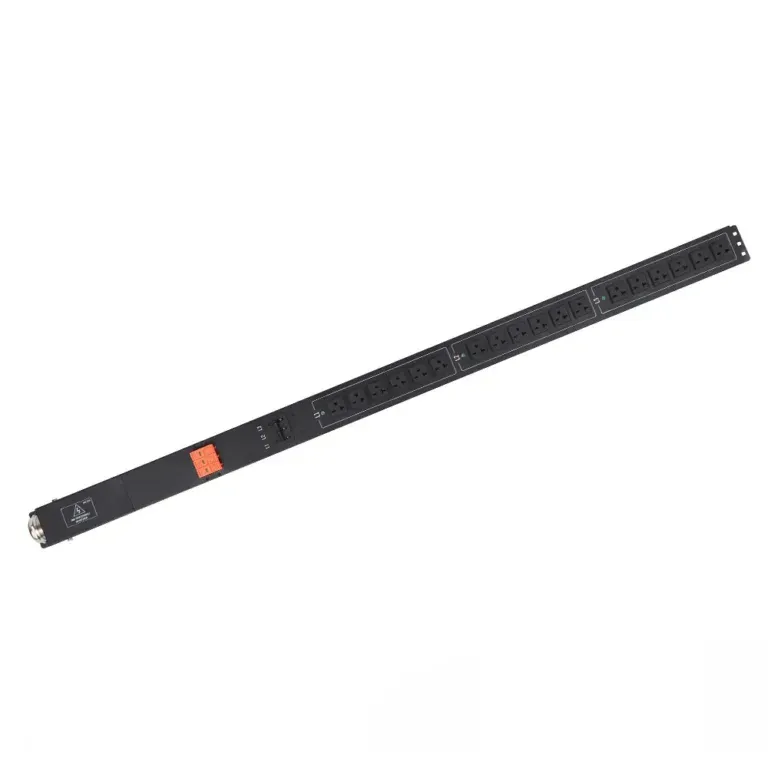
Why PDU Power Strips Matter for Data Centers Now
PDU power strips enhance data center efficiency by optimizing power usage, improving reliability, and supporting scalability for growing computational demands.


+86 15867381241
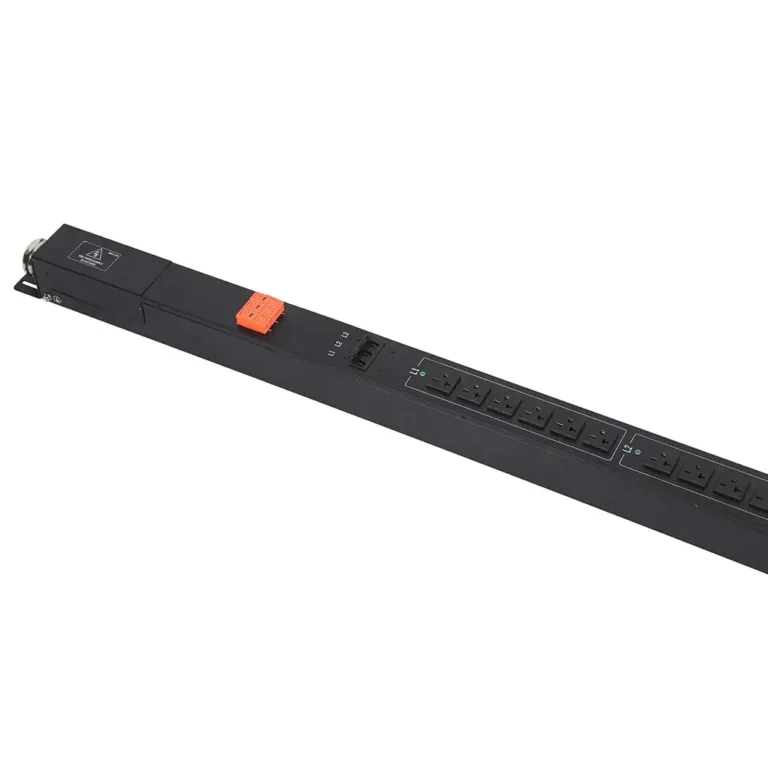
PDUs (Power Distribution Units) are industrial-grade power devices designed for data centers, server rooms and industrial facilities, while power strips are consumer-grade products for home and office use. The key differences lie in power capacity, safety features, monitoring capabilities and intended application environments.
Choosing the right device is critical to protecting equipment, preventing electrical hazards and ensuring reliable power delivery. This guide explains the core differences between PDUs and power strips and helps you select the right one for your needs.
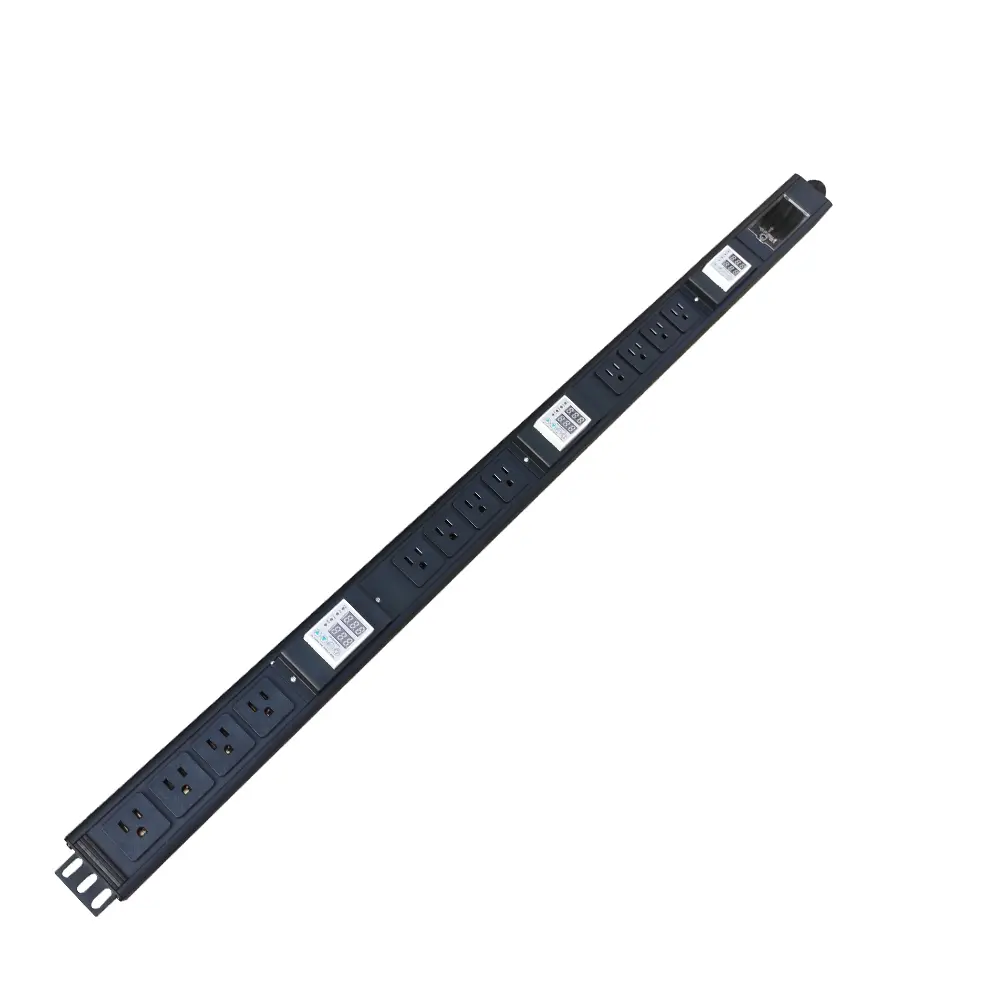
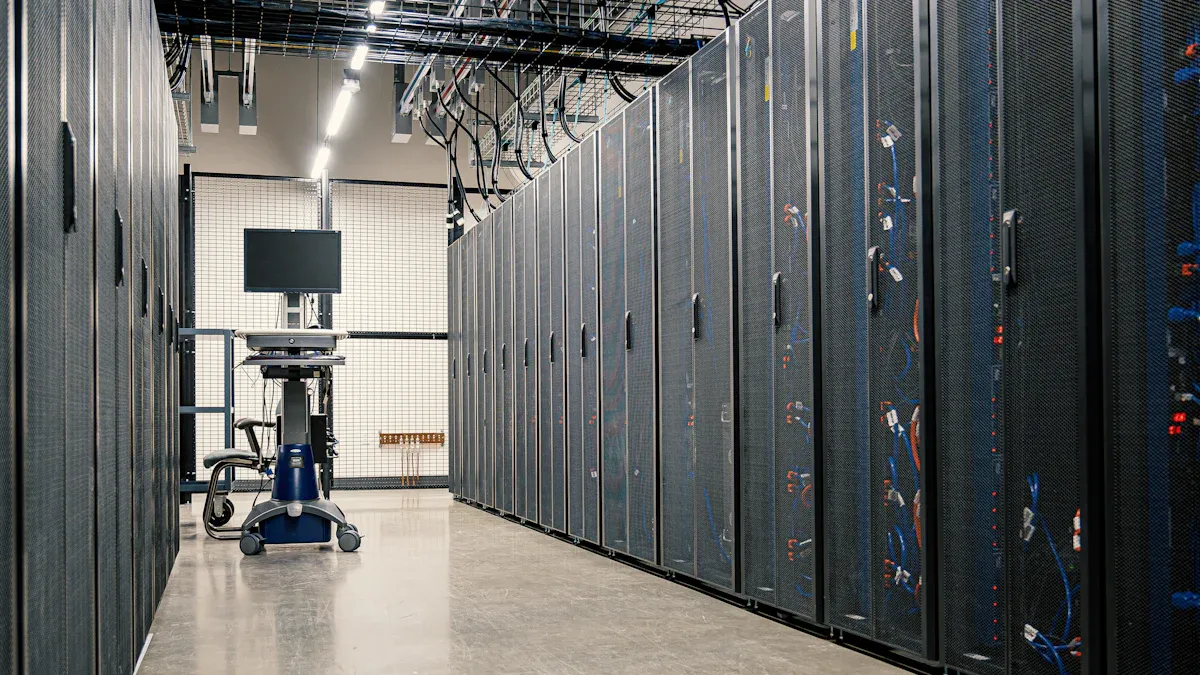
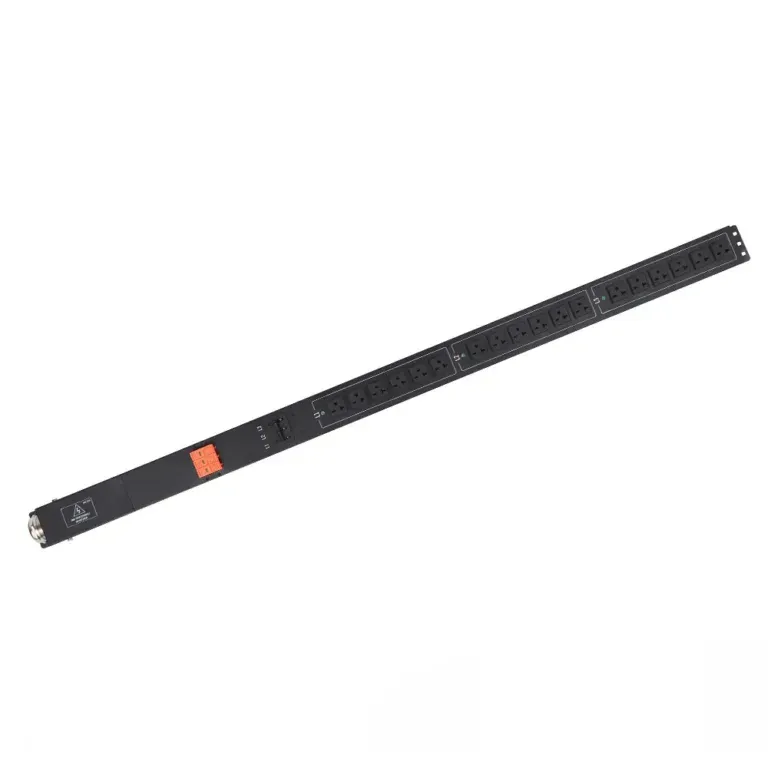
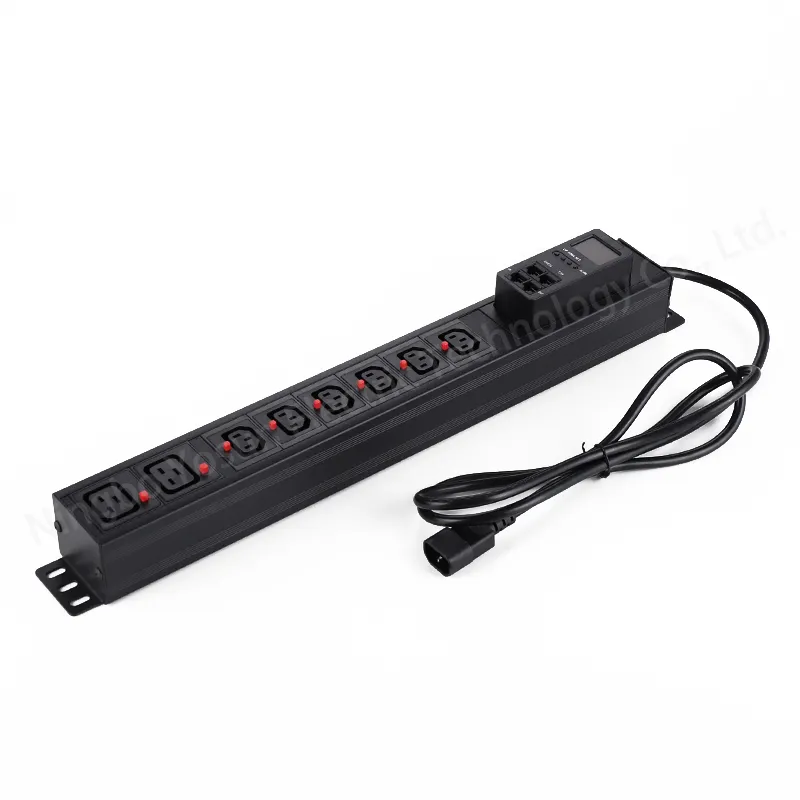
A Power Distribution Unit is a device designed to distribute electrical power from a single source to multiple connected devices safely and efficiently. PDUs are commonly used in data centers, server racks, telecom systems, and industrial environments where reliable power management is essential.
PDUs range from basic power distribution models to intelligent versions with monitoring and remote management capabilities. They help improve equipment organization, power reliability, and operational efficiency in rack-based environments.
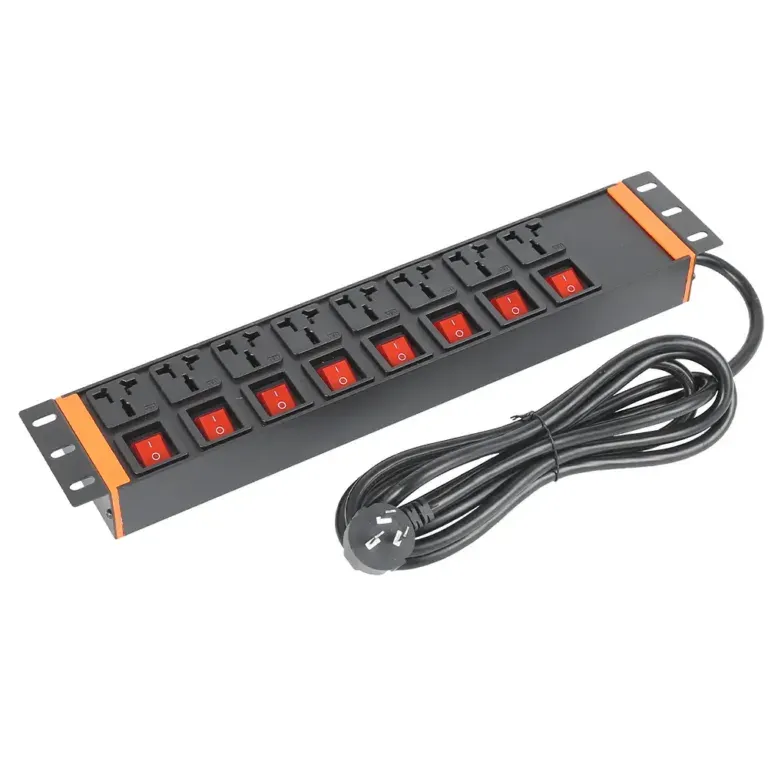
A power strip is a simple consumer device that extends a single electrical outlet into multiple outlets. It is designed for light-duty use in homes and offices to power computers, printers, lamps and other small electronics.
Most power strips include basic surge protection to guard against voltage spikes, but they lack the advanced features and safety ratings of industrial PDUs. They are portable, easy to set up and require no special installation.
This is the most fundamental difference. PDUs are engineered to handle the high electrical loads of IT and industrial equipment:
| Feature | PDU | Power Strip |
|---|---|---|
| Outlet Quantity | 4 to 48 outlets | 2 to 8 outlets |
| Power Phase | Single-phase and three-phase (208V/400V) | Single-phase only (110V/230V) |
| Maximum Load Capacity | Up to 40kW per unit | Up to 3.6kW per unit |
| Cord Gauge | 14 AWG to 6 AWG (heavy-duty) | 14 AWG (medium-duty) |
| Inlet Type | Industrial-grade inlets only | Standard residential inlets only |
Power strips cannot safely handle the continuous high loads of servers and network equipment. Using a power strip in a server room creates a serious fire hazard and violates most electrical codes.
Advanced PDUs offer comprehensive power management capabilities that power strips cannot match:
| Feature | Smart PDU | Basic Power Strip |
|---|---|---|
| Real-time power monitoring | Yes | No |
| Remote outlet control | Yes | No |
| Data logging and reporting | Yes | No |
| Environmental monitoring | Yes | No |
| Automated alerts | Yes | No |
| Integration with DCIM systems | Yes | No |
These features are essential for managing power in large data centers, where downtime can cost thousands of dollars per minute.
PDUs and power strips are designed for completely different environments:
| Feature | PDU | Power Strip |
|---|---|---|
| Mounting Options | Rack-mounted (vertical/horizontal) | Portable, freestanding |
| Construction | Heavy-duty metal enclosure | Plastic or light metal enclosure |
| Safety Ratings | Industrial-grade safety certifications | Basic consumer safety certifications |
| Intended Use | Data centers, server rooms, industrial facilities | Homes, offices, light commercial use |
| Lifespan | 10-15 years with proper maintenance | 3-5 years |
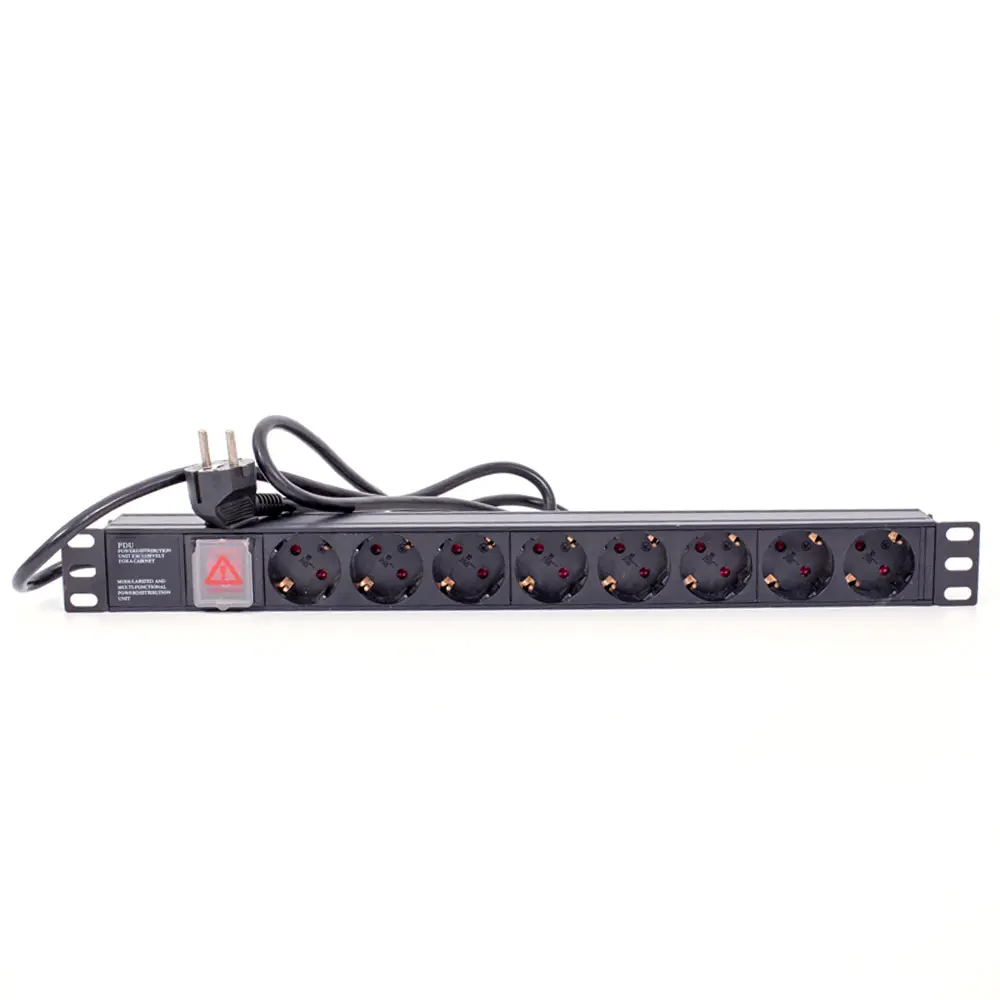
PDUs are required in any environment where reliable power for multiple devices is critical:
They are also recommended for small business server rooms and any setup with more than 4-5 IT devices.
Power strips are suitable only for light-duty, non-critical applications:
They should never be used to power servers, network switches or other critical IT equipment.
Power strips may be suitable for basic home and office electronics, but they are not built for the continuous high loads and reliability requirements of server racks or industrial equipment. In professional IT environments, PDUs provide safer power distribution, better cable organization, and more advanced management capabilities.
NBYOSUN provides customized PDU solutions for data centers, network cabinets, and industrial power systems, supporting different outlet standards, power capacities, mounting options, and deployment requirements for global projects.
The main difference is their application environment and power capacity. PDUs are industrial-grade power distribution devices designed for server racks, data centers, and other high-load environments, while power strips are intended for low-power home and office electronics. PDUs also offer higher reliability, better protection, and advanced power management features.
No. Power strips cannot safely handle the high electrical loads of server equipment and lack the necessary safety features. Using a power strip in a server room creates a significant fire hazard and may void insurance coverage.
No. Basic PDUs only provide power distribution. Surge protection is an optional feature available on many PDU models. Always check the product specifications before purchasing.
A smart PDU is an advanced PDU that offers real-time power monitoring, remote outlet control and automated alerts. It allows IT administrators to manage power from anywhere and prevent downtime.
With proper maintenance, high-quality PDUs have a service life of 10-15 years. Regular inspection and firmware updates will help extend their lifespan.