Understanding Dual Input Power Distribution Units for Data Centers
Dual input power distribution units ensure redundancy by connecting two power sources, providing uninterrupted power and reliability for data centers.


+86 15867381241
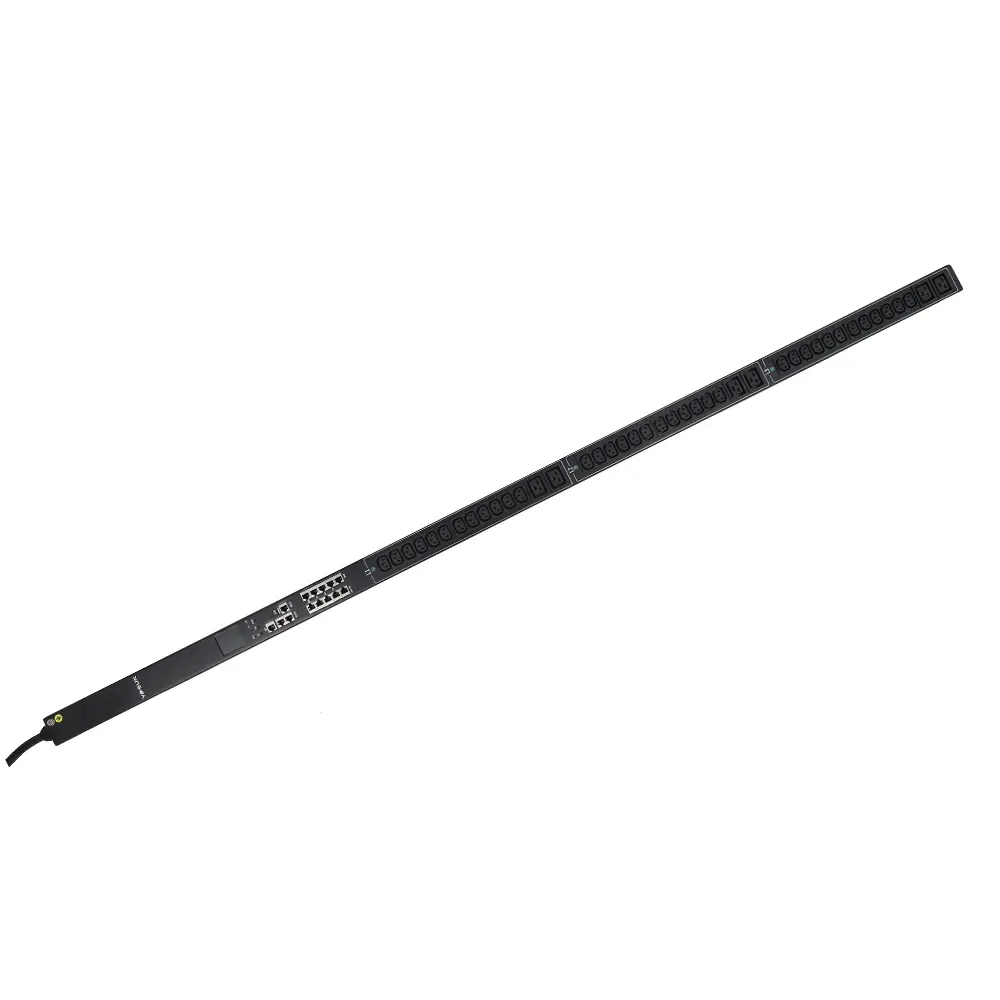
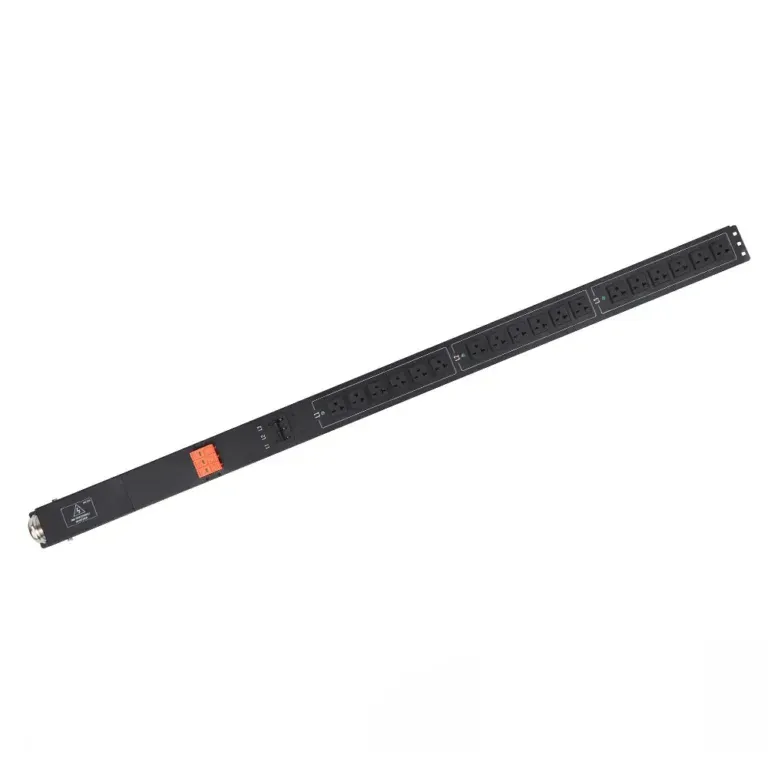
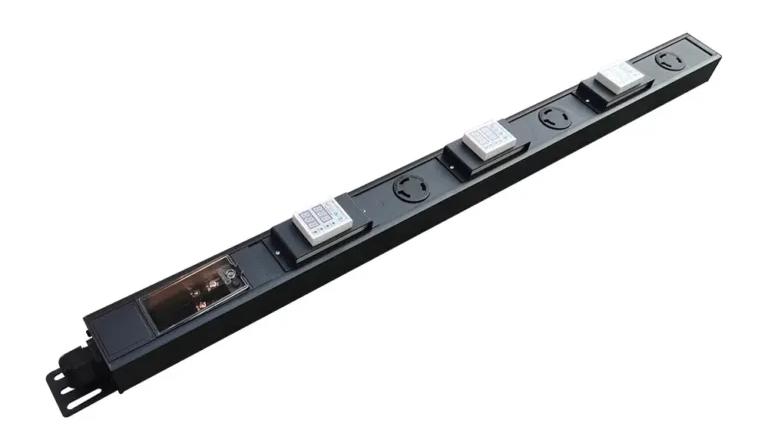
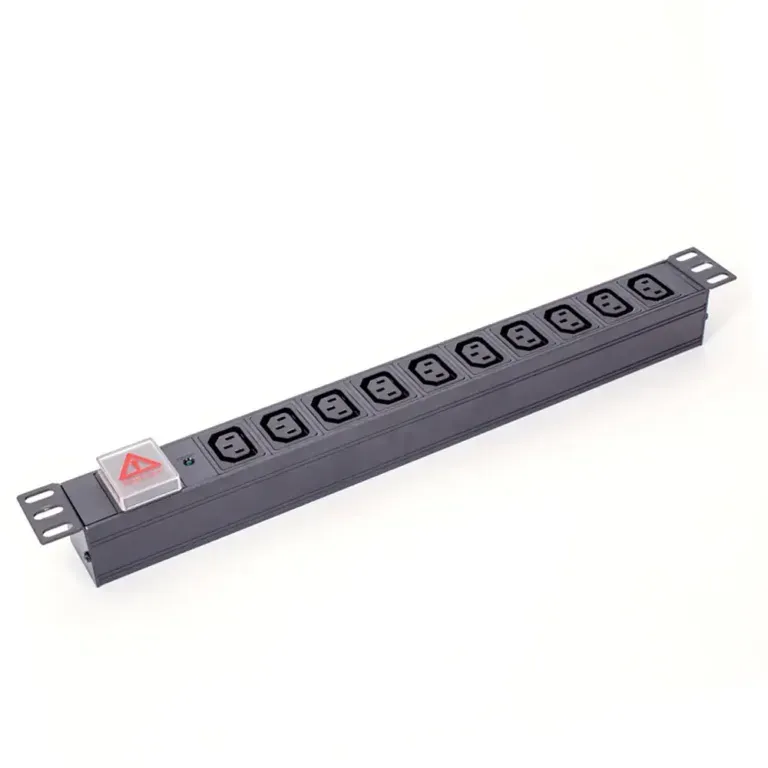
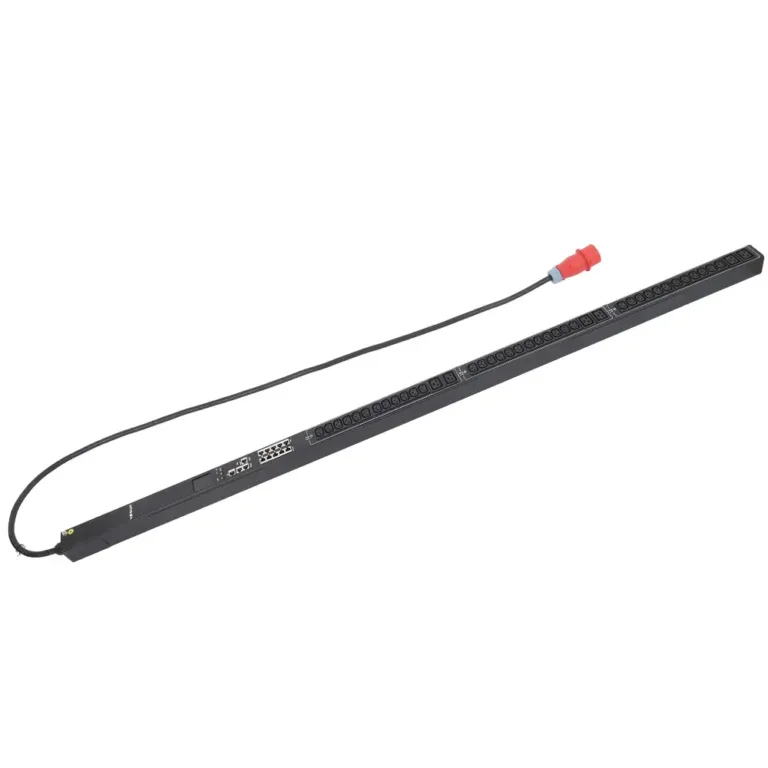
A monitored Power Distribution Unit (PDU) is a type of intelligent rack power device that provides real-time monitoring of power usage in data centers, server rooms, and other IT environments. In addition to distributing power to connected equipment, monitored PDUs allow administrators to track electrical data such as current, voltage, power consumption, and load levels.
Compared with basic PDUs, monitored PDUs offer better visibility into power usage and help improve capacity planning, energy management, and system reliability. They are commonly used in data centers, network cabinets, telecom facilities, and other applications where uptime and power monitoring are important.
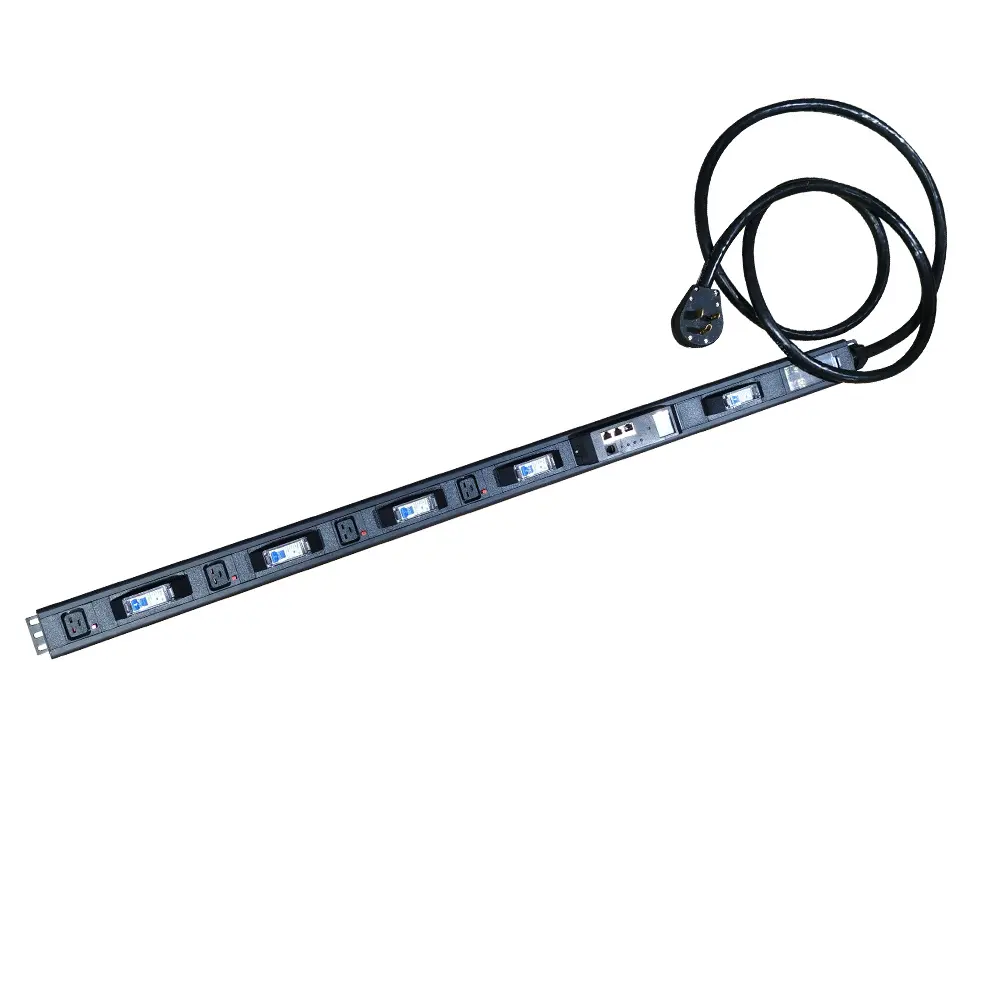
A monitored PDU continuously measures electrical parameters using built-in sensors. IT teams can view live data for voltage, current, power factor, and energy consumption from anywhere via a web interface. This visibility allows managers to identify inefficiencies, prevent overloads, and troubleshoot power issues faster.
When combined with UPS monitoring, PDUs help pinpoint the exact location of power problems:
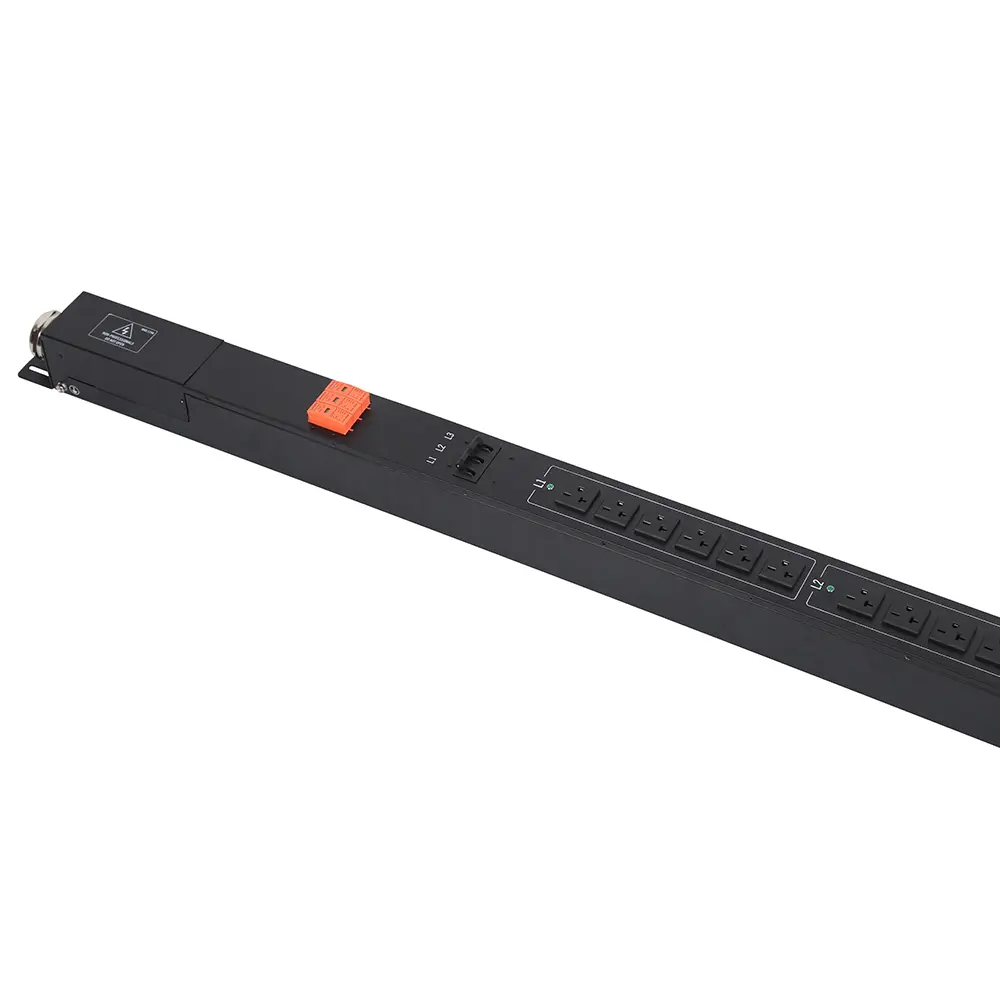
Monitored PDUs consist of several key components that work together to provide reliable power management:
Monitored PDUs collect and transmit data using standard protocols like SNMP (Simple Network Management Protocol) and Modbus. This allows seamless integration with DCIM (Data Center Infrastructure Management) software, providing a unified view of all facility operations.
Teams can:
Industry Statistic: According to the Uptime Institute, monitored PDUs can improve overall data center energy efficiency by up to 30% through better load balancing and reduced cooling requirements.
The most valuable feature of a monitored PDU is its ability to provide real-time visibility and alerts. IT teams receive immediate notifications via email, SMS, or SNMP traps when:
This proactive approach reduces mean time to repair (MTTR) and prevents costly downtime.
| Feature | Description |
|---|---|
| Real-time monitoring | Continuous tracking of voltage, current, and power |
| Automated alerts | Notifications for abnormal conditions |
| Historical data logging | Stores months of usage data for analysis |
| Web-based interface | Access from any device with a browser |
YOSUN monitored PDUs provide outlet-level metering with ±1% accuracy, allowing you to identify exactly which devices are consuming the most power.
Modern monitored PDUs integrate seamlessly with all major DCIM platforms. This integration enables:
Advanced monitored PDUs support optional sensors for:
This comprehensive monitoring ensures that both power and environmental conditions remain within safe limits for IT equipment.
Monitored PDUs are one of the most cost-effective ways to reduce data center energy costs:
| Metric | Impact on Efficiency |
|---|---|
| Load balancing | Improves power usage by 20% |
| Cooling cost savings | Reduces cooling expenses by 10–15% |
| Overall energy efficiency | Increases by 20–30% |
ROI Insight: Data centers that deploy monitored PDUs typically see a return on investment within 12–18 months through energy savings and reduced downtime costs.
Power-related issues cause 30% of all data center outages. Monitored PDUs help prevent these outages by:
Remote management capabilities eliminate the need for physical presence in the data center for routine tasks. IT teams can:
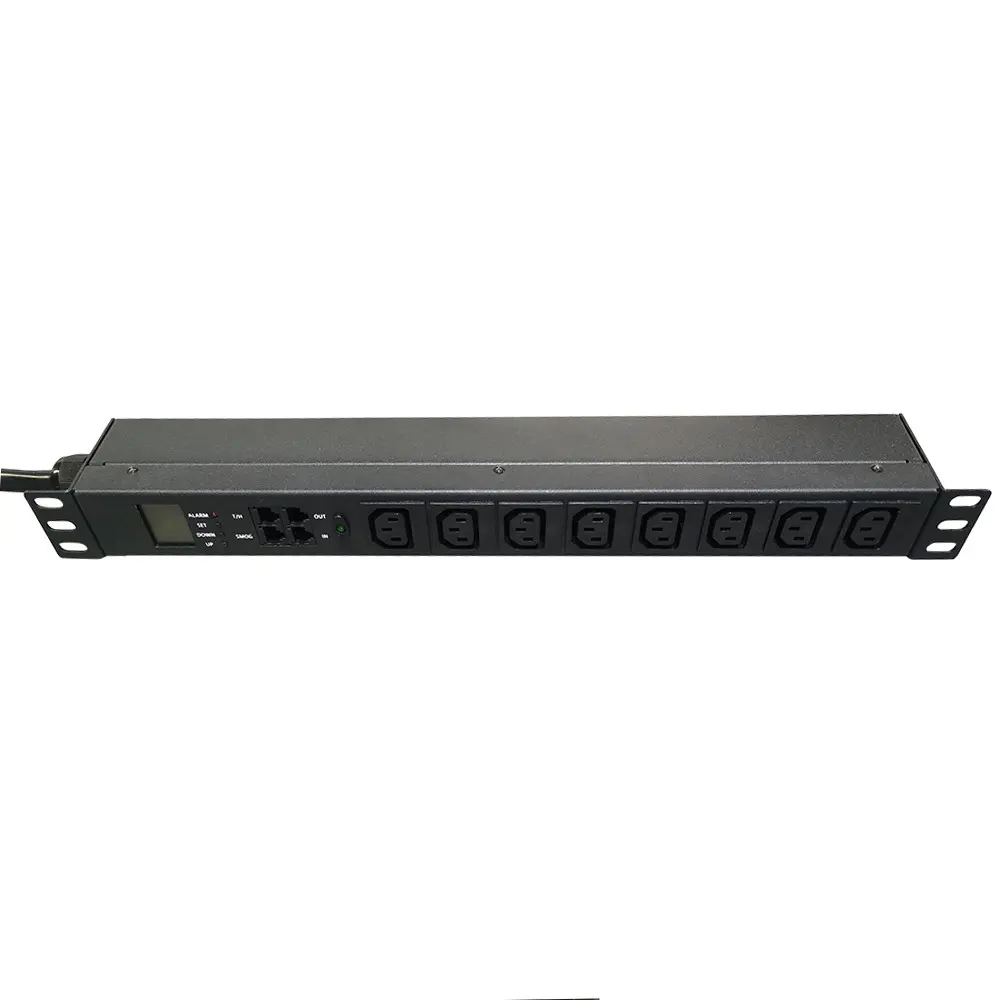
Understanding the differences between PDU types is essential for making the right choice:
| Feature | Basic PDU | Metered PDU | Monitored PDU | Switched PDU |
|---|---|---|---|---|
| Power distribution | Yes | Yes | Yes | Yes |
| Total unit metering | No | Yes | Yes | Yes |
| Outlet-level metering | No | No | Yes | Yes |
| Remote monitoring | No | No | Yes | Yes |
| Outlet-level control | No | No | Yes | Yes |
| Remote reboot | No | No | Yes | Yes |
| Power sequencing | No | No | Yes | Yes |
| Environmental sensing | No | No | Yes | Yes |
| Cost | Low | Medium | High | Highest |
Key Distinction: A metered PDU only shows total power consumption for the entire unit. A monitored PDU provides outlet-level monitoring, remote control, and advanced features that deliver significantly more value for data center applications.
Choosing the right monitored PDU starts with calculating the total power consumption of all connected devices. To ensure stable operation and allow room for future expansion, the PDU should typically support at least 125% of the expected load. Form factor is another important consideration. Rack-mounted PDUs are the standard choice for 19-inch server cabinets, while vertical models save rack space and provide additional outlets. Floor-standing units are generally used in high-power or large-scale facilities.
Feature selection should be based on operational requirements. Important considerations include metering accuracy, support for DCIM and network management protocols, out-of-band management capabilities, and security functions such as encryption, authentication, and role-based access control. It is also important to verify that the PDU complies with recognized safety standards, including UL, IEC, CE, and RoHS certifications, to ensure reliable and compliant operation in professional IT environments.
YOSUN provides monitored PDUs in a variety of configurations for data centers, server rooms, and industrial applications, including customized solutions for different power and monitoring requirements.
As power demands continue to grow in modern IT environments, monitored PDUs have become an important tool for maintaining stable and efficient power distribution. By providing detailed power data at the rack or device level, they help administrators identify overload risks, improve capacity planning, and maintain better control over critical equipment.
Monitored PDUs are widely used in data centers, enterprise networks, telecom facilities, and industrial systems where uptime and power visibility are essential. Features such as network-based monitoring, alarm notifications, and integration with management platforms make them well suited for high-density and mission-critical applications.
YOSUN manufactures monitored PDUs for data centers, server rooms, and industrial power distribution applications, with configurable outlet types, monitoring features, and power specifications to meet different installation requirements.
A monitored PDU distributes power to IT equipment while providing real-time tracking of energy consumption. It helps data center managers optimize power usage, prevent overloads, and reduce downtime.
A monitored PDU identifies wasted energy, balances loads across circuits, and helps optimize cooling. These improvements can reduce overall data center energy costs by up to 30%.
A metered PDU only shows total power consumption for the entire unit. A monitored PDU provides outlet-level monitoring, remote control, environmental sensing, and integration with management software.
Remote management allows IT teams to monitor power usage, receive alerts, and control individual outlets from anywhere. This eliminates the need for physical presence in the data center for routine tasks.
Outlet-level monitoring shows exactly how much power each device consumes. This helps identify inefficient equipment, allocate energy costs accurately, and prevent circuit overloads.
High-quality monitored PDUs like those from YOSUN have a lifespan of 10–15 years with proper maintenance. Regular firmware updates and inspections will help extend their life even further.