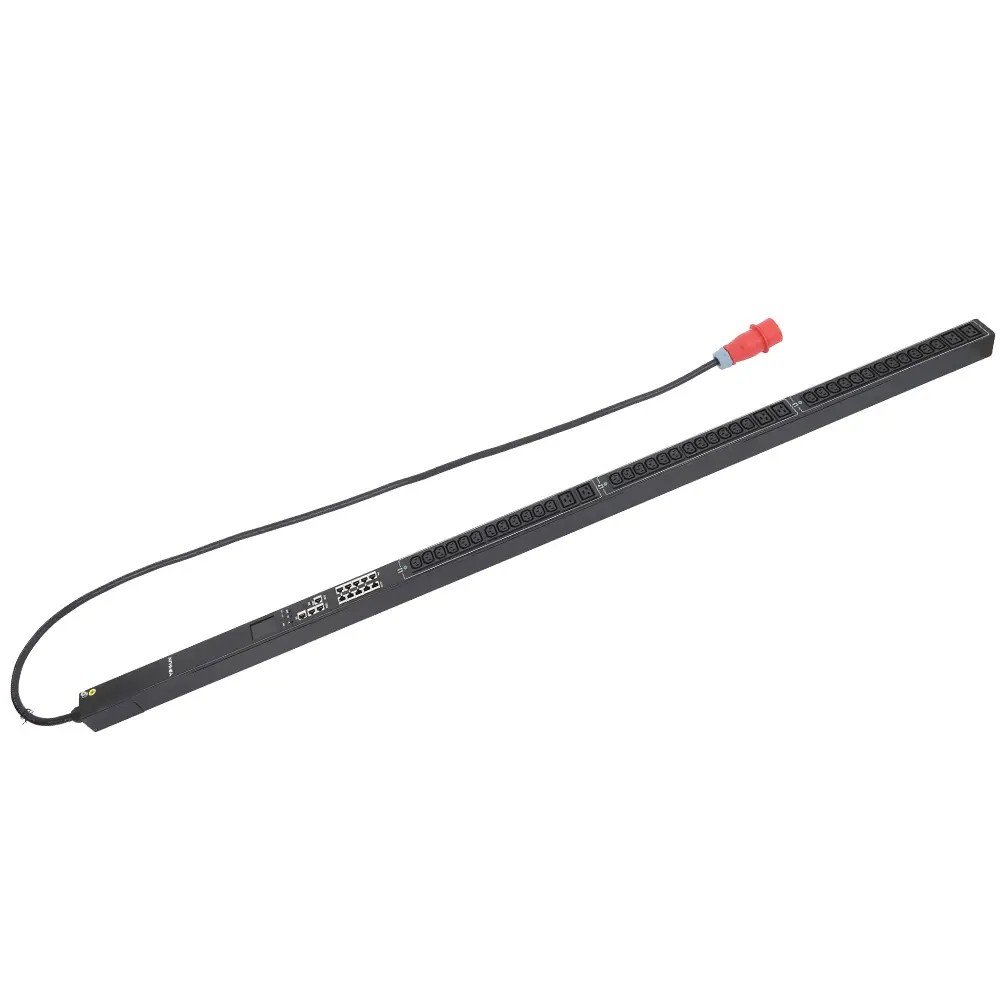
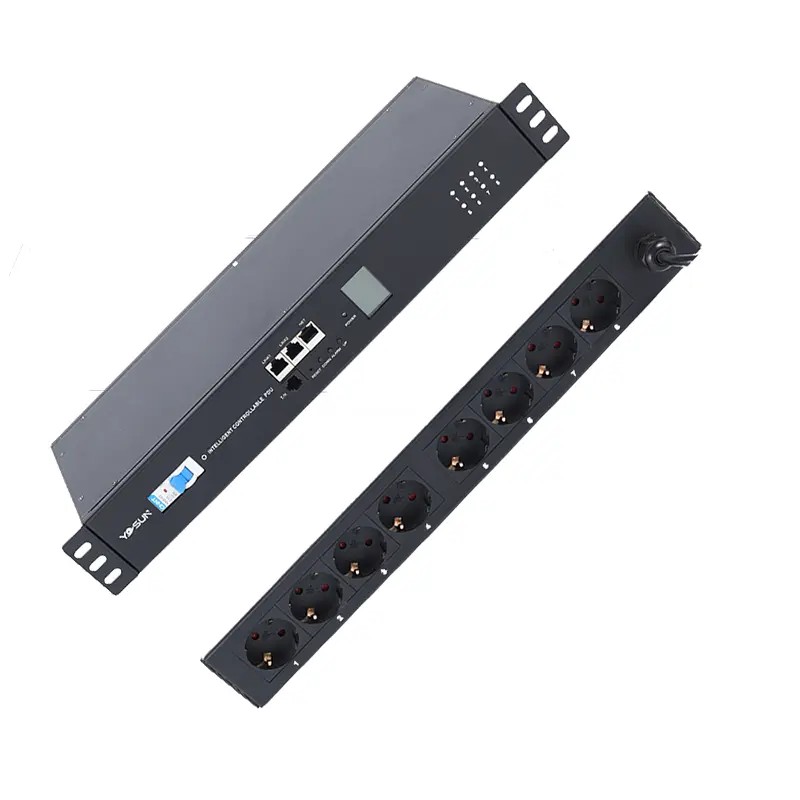
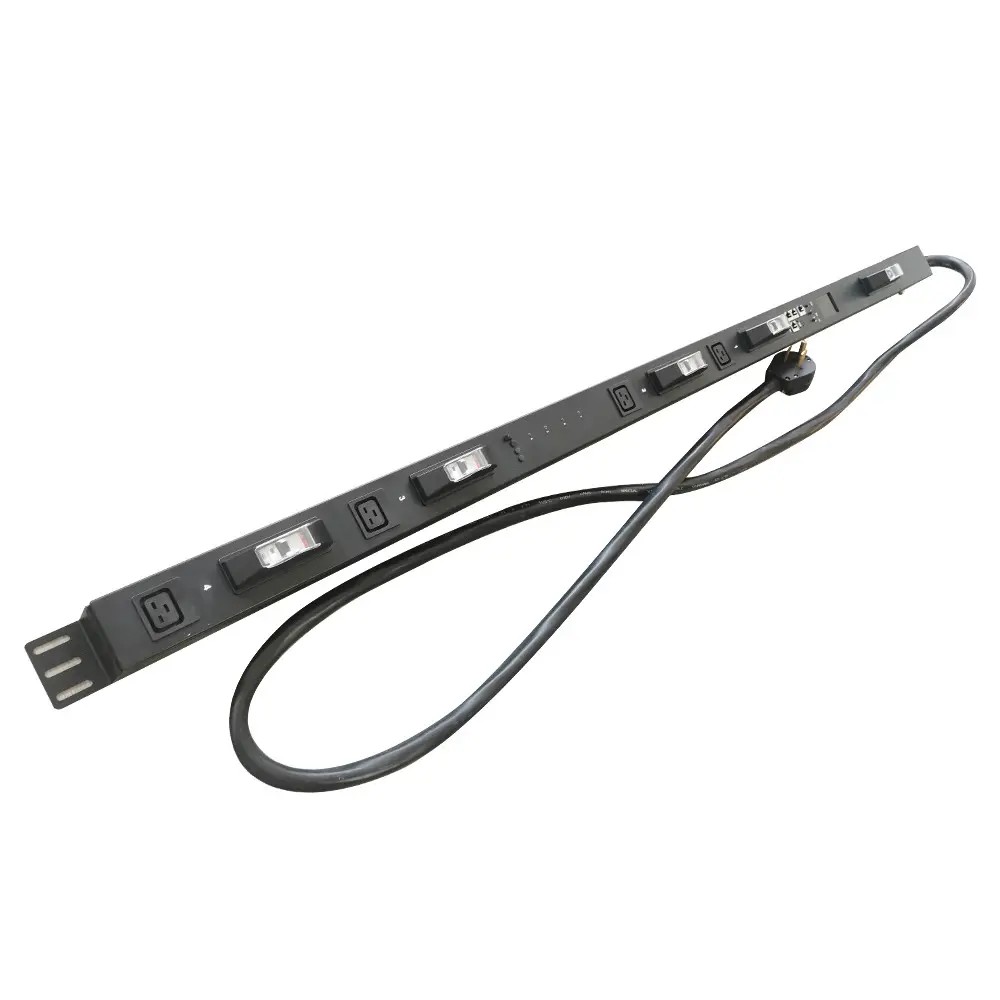
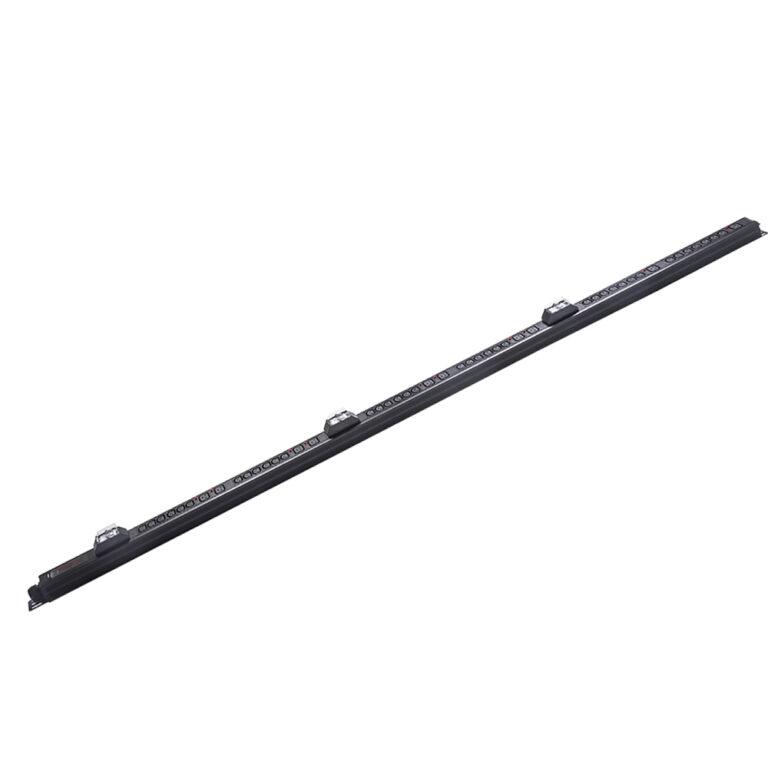
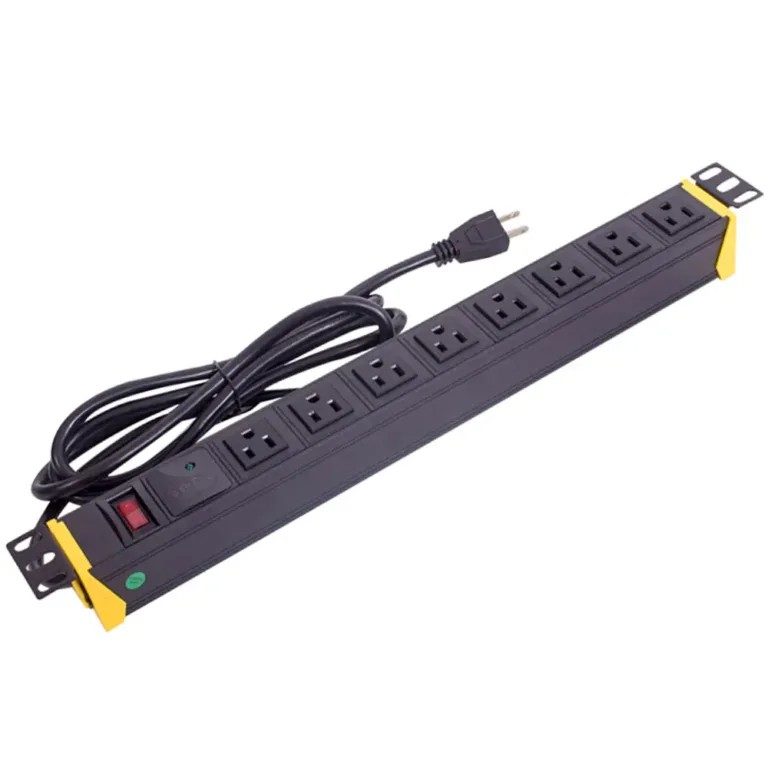
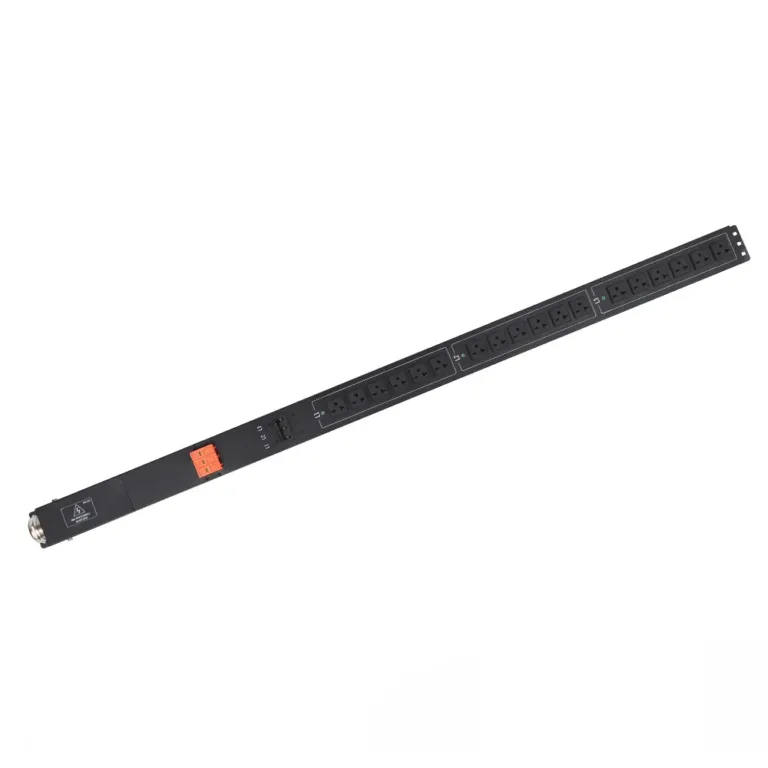
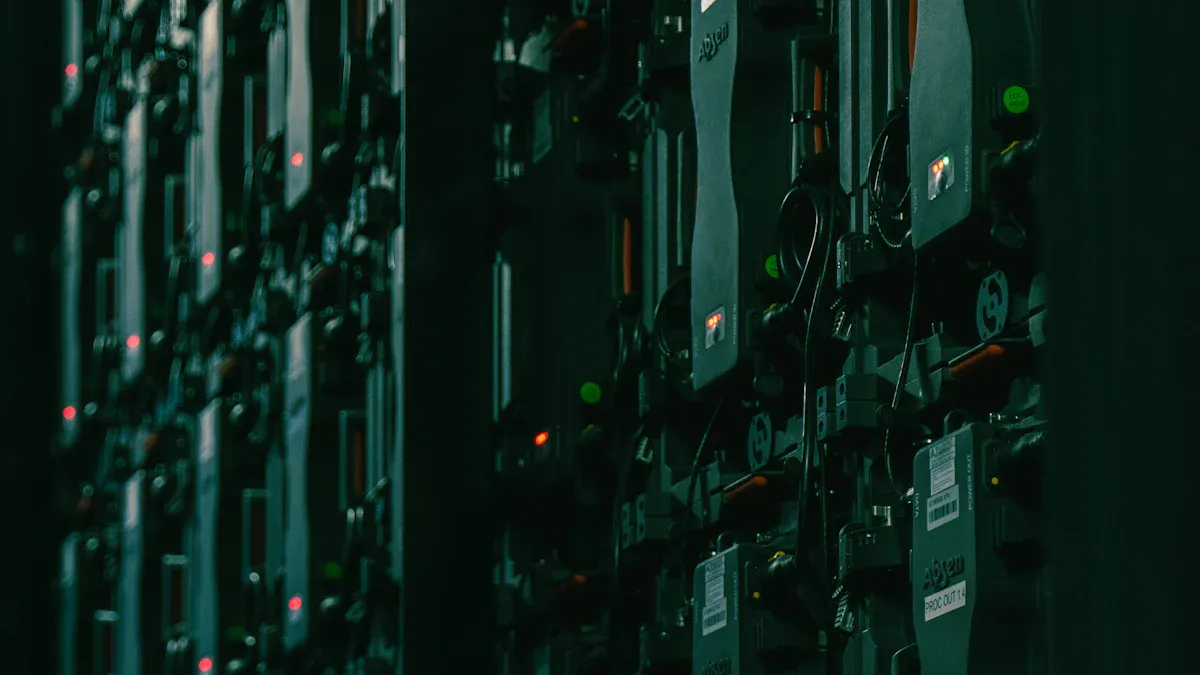
A switched PDU (Power Distribution Unit) is a network-connected power distribution device that enables remote control of individual electrical outlets. It is a core piece of infrastructure for data centers, server rooms, telecom sites and industrial facilities, allowing teams to turn devices on/off, reboot equipment and schedule power events without on-site manual intervention. This reduces downtime, cuts operational costs and improves overall energy efficiency.
Key Takeaways
Switched PDUs deliver remote individual outlet control, allowing teams to reboot unresponsive devices and manage power without on-site visits
They sit above basic and monitored PDUs in capability; smart PDUs build on switched functionality with advanced analytics and DCIM integration
Automated power sequencing starts devices in a predefined order to prevent inrush current damage and power surges
Outlet-level metering identifies energy waste and unbalanced loads; industry analysis shows this can reduce data center energy use by up to 20%
NBYOSUN switched PDUs support full customization for data centers, labs, telecom sites and industrial facilities
Switched PDU Basics
Core Definition
A switched PDU distributes incoming power to multiple outlets in a server rack or equipment cabinet, with the added ability to control each outlet independently over a network connection. Administrators access the device via a secure web interface or management protocol to toggle power, reboot hardware, and set automated power schedules.
Unlike basic PDUs that only pass through power, switched models add active control capabilities. They are distinct from monitored PDUs, which only track power usage without remote switching ability. Higher-tier smart PDUs combine both switching and metering with advanced analytics, automation and DCIM software integration.
Comparison to Other PDU Types
PDU Type
Outlet Control
Monitoring Capability
Best Use Case
Basic PDU
None
Minimal
Simple power distribution for low-priority equipment
Monitored PDU
None
Remote power usage tracking
Facilities that only need visibility, not control
Switched PDU
Individual outlet remote on/off/reboot
Full outlet-level metering
Environments needing remote management and downtime reduction
Large data centers requiring end-to-end power intelligence
How a Switched PDU Works
A switched PDU is mounted inside a server rack or equipment cabinet and connected to a main power source. It routes power to multiple individually controllable outlets, each linked to an internal relay managed by the device’s built-in network controller.
Administrators connect to the PDU over a local network or secure remote access to:
Toggle power to individual outlets without affecting other connected devices
Send reboot commands to frozen servers or network equipment
Configure automated power sequencing to start devices in a set order
Schedule routine power on/off events to reduce idle energy use
The built-in metering module tracks voltage, current and power draw at the outlet level, providing real-time visibility into load balance and energy consumption.
Core Features of Switched PDUs
Remote Outlet Control
The defining feature of a switched PDU is independent remote control of every outlet. IT teams can reboot unresponsive servers, switches and other hardware from any location, eliminating the need for time-consuming on-site service calls. This is the single biggest driver of reduced downtime in remote facilities.
Automated Power Sequencing
Switched PDUs can power on connected devices in a staggered, predefined order. This prevents simultaneous inrush current from overloading circuits and damaging sensitive equipment. It also ensures dependent devices (such as network switches) boot before the servers that rely on them.
Outlet-Level Metering
Most switched PDUs include per-outlet power monitoring to track energy use, identify overloaded circuits and locate underutilized “ghost” servers that waste power. This data helps teams balance three-phase loads and optimize energy efficiency.
Environmental & Security Features
Premium switched PDUs support external temperature and humidity sensors to monitor rack conditions and alert teams to overheating risks. They also include secure management protocols, outlet locking and surge protection to safeguard both equipment and power infrastructure.
Key Benefits & Common Applications of Switched PDUs
Core Benefits
Reduced downtime: Fast remote reboots resolve most common hardware freezes in minutes, cutting unplanned outages dramatically.
Lower operational costs: Fewer on-site service visits reduce labor and travel expenses for distributed facilities.
Improved energy efficiency: Scheduled power shutdowns and load balancing cut idle energy waste and support compliance with efficiency regulations.
Enhanced equipment protection: Power sequencing and surge suppression prevent damage from power spikes and improper startup.
Primary Use Cases
Data centers: Remote server management, outlet-level load balancing and energy optimization
Telecom sites: Remote recovery of network equipment at unmanned cell towers and edge locations
Research labs: Scheduled power control for test equipment and environmental monitoring
Industrial facilities: Rugged power distribution for manufacturing machinery and process control systems
Conclusion
A switched PDU is far more than a basic power strip — it is an active management tool that reduces downtime, cuts operational costs and improves energy efficiency for IT and industrial facilities. For any environment with remote or unmanned equipment, it is a cost-effective investment that pays for itself through fewer outages and lower on-site service expenses.
If you are looking for reliable, customizable switched PDUs for your data center, telecom site or industrial facility, NBYOSUN provides tailored power distribution solutions with full technical support. Contact our team today to discuss your requirements and request a detailed quote.
FAQ
What is the main purpose of a switched PDU?
The main purpose is to enable remote, per-outlet power control for rack-mounted equipment. This allows teams to reboot devices, manage power schedules and reduce downtime without on-site technician visits.
How does remote management work on NBYOSUN switched PDUs?
Administrators access the PDU through a secure web interface or standard network management protocols. They can control individual outlets, set power schedules, monitor energy use and configure alert thresholds from any network-connected location.
Can switched PDUs help prevent downtime?
Yes. The vast majority of unresponsive server and network equipment issues can be resolved with a simple power reboot. Switched PDUs allow this to be done remotely in seconds, drastically reducing outage duration compared to waiting for an on-site technician.
Where are switched PDUs most commonly used?
They are most widely deployed in data centers, colocation facilities, remote telecom sites, research labs and industrial control rooms — any environment where equipment needs remote power management and reliable uptime.
Are NBYOSUN switched PDUs customizable?
Yes. NBYOSUN offers configurable options for power rating, outlet count, communication interfaces, sensor support and mounting style to fit specific project and industry requirements. Contact our team to discuss custom specifications.
Military PDUs outperform commercial units with rugged design, advanced features, and compliance with MIL-STD standards. Top power distribution unit manufacturers like NBYOSUN deliver reliable solutions for critical environments.
Compare single-phase and three-phase PDUs for IT setups. Learn how a Three Phase PDU offers higher efficiency and scalability for high-demand environments.