What are common PDU issues?
Data centers and server rooms often face common PDU issues. These include overloading, power imbalance, bad connections, and monitoring failures. Such problems can lead to...


+86 15867381241
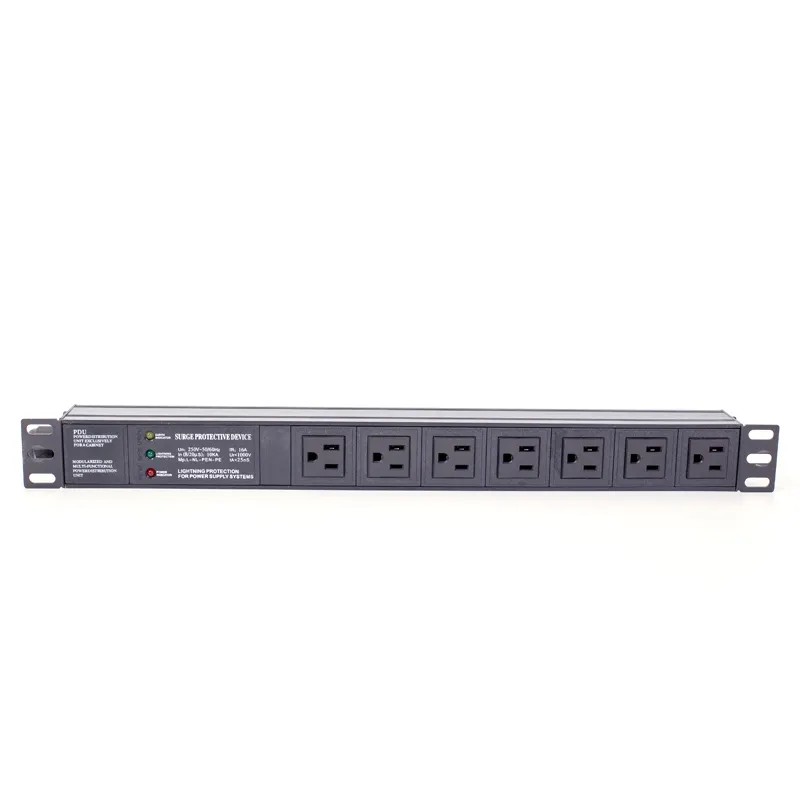
The terms “1U” and “2U” describe how much vertical rack space a horizontal power distribution unit (PDU) occupies. The measurements follow the EIA-310-D industry standard, where one rack unit (U or RU) equals 1.75 inches (44.45 mm) of vertical height. A 1U PDU takes up one full rack slot, while a 2U PDU occupies two slots (3.5 inches / 88.9 mm).
Understanding these sizes is critical for accurate rack space planning, equipment fit, airflow management, and cable routing. Mismatched PDU sizing can waste valuable rack space, block ventilation, or prevent cabinet doors from closing.
The rack unit is a standardized vertical measurement for server rack equipment, defined by the EIA-310-D specification. One full U equals exactly 1.75 inches (44.45 mm).
A standard full-height 42U rack has 73.5 inches (roughly 1.87 meters) of internal usable height. All rack-mount PDUs fit the standard 19-inch rack width, regardless of U height. Engineers calculate total available U space and subtract each device’s height to plan layouts.
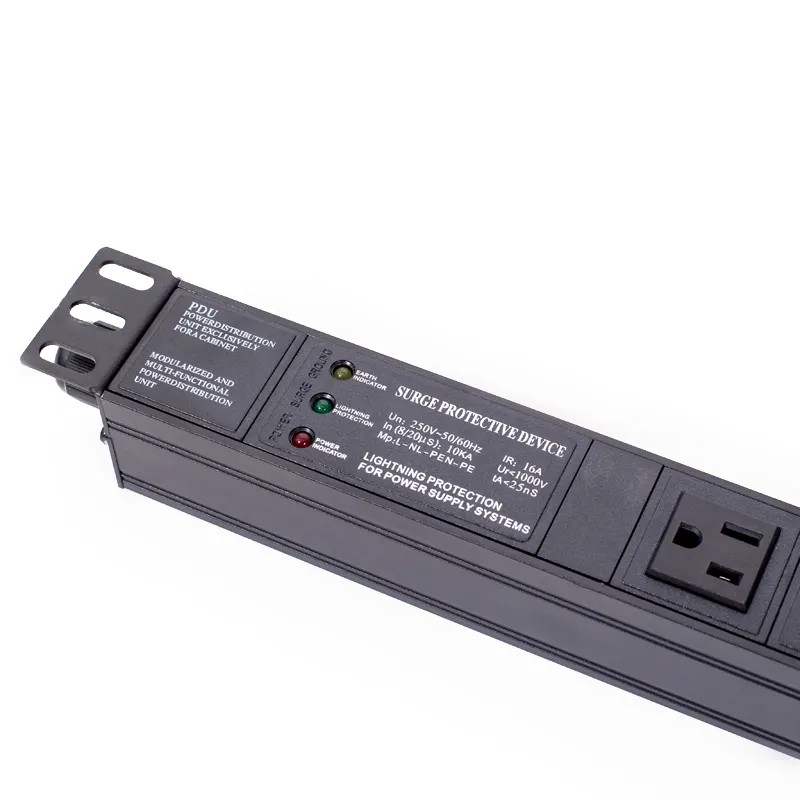
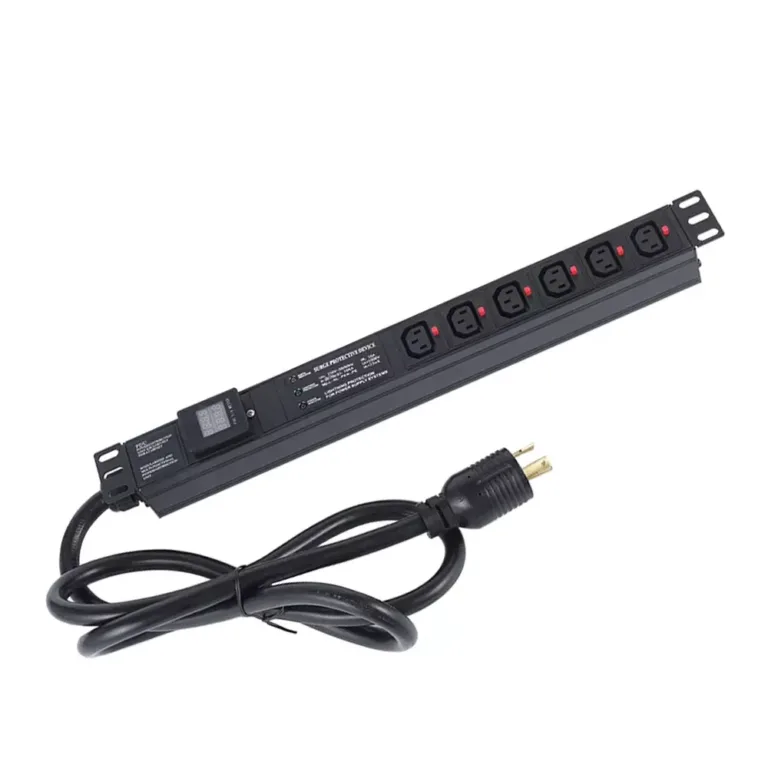
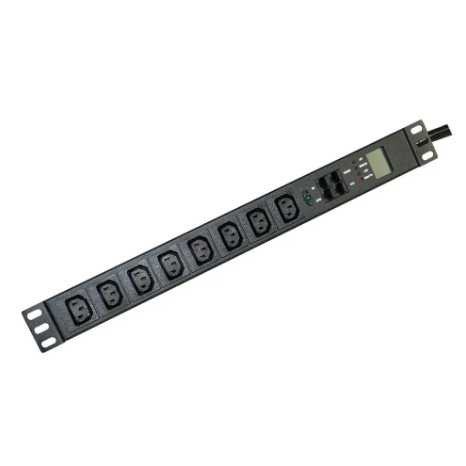
Horizontal PDUs mount directly into rack rails, just like a server or switch. Their U rating defines their vertical footprint and outlet capacity.
A 1U PDU consumes exactly one rack unit of vertical space. These compact units typically include 6–12 outlets, making them ideal for small racks, edge deployments, lab environments, or cabinets with limited free U slots.
A 2U PDU spans two full rack units (3.5 inches of height). The larger chassis supports 8–24 outlets, higher amperage ratings, and additional features like branch circuit breakers. These units suit higher-density racks with more devices per shelf.
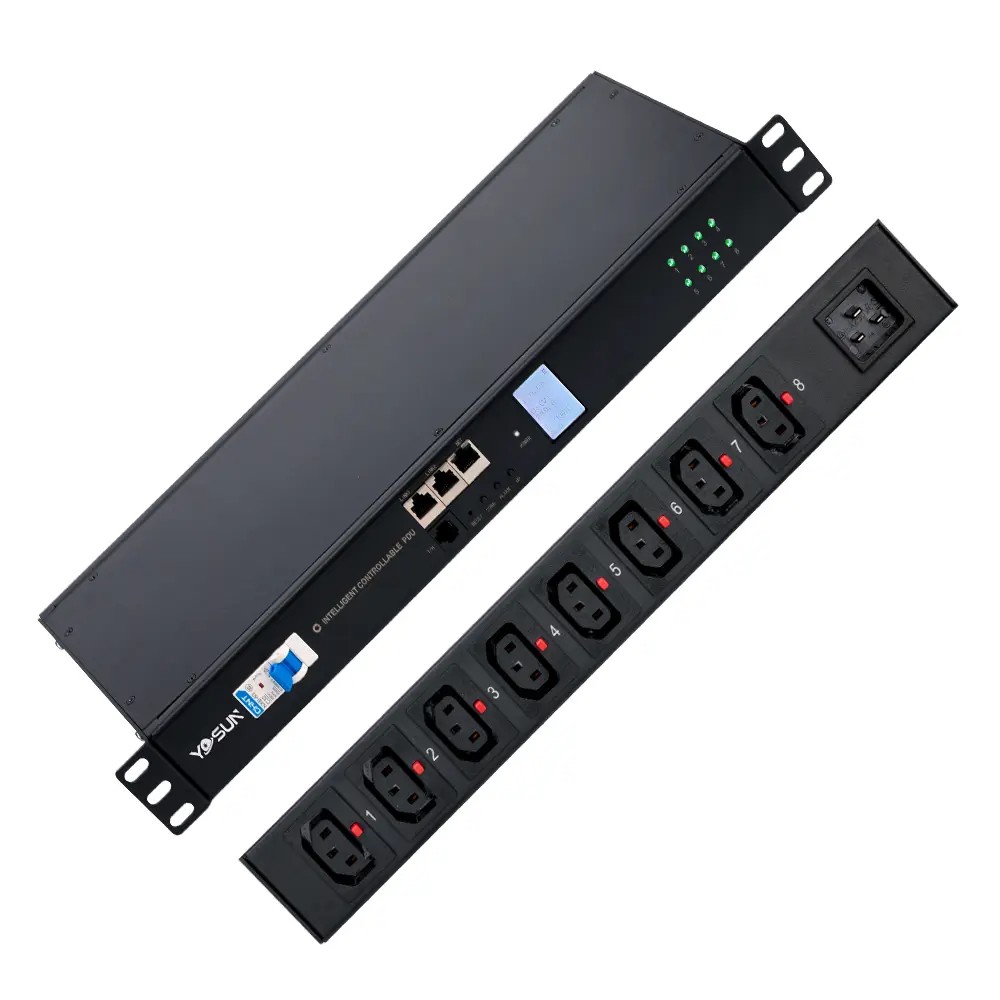
Every U of space used by a PDU is space unavailable for servers, switches, or storage arrays. In a standard 42U cabinet:
Rack designers must balance outlet count against usable device space. Higher outlet counts require more vertical height, but reduce cable clutter by placing power closer to the equipment it serves.
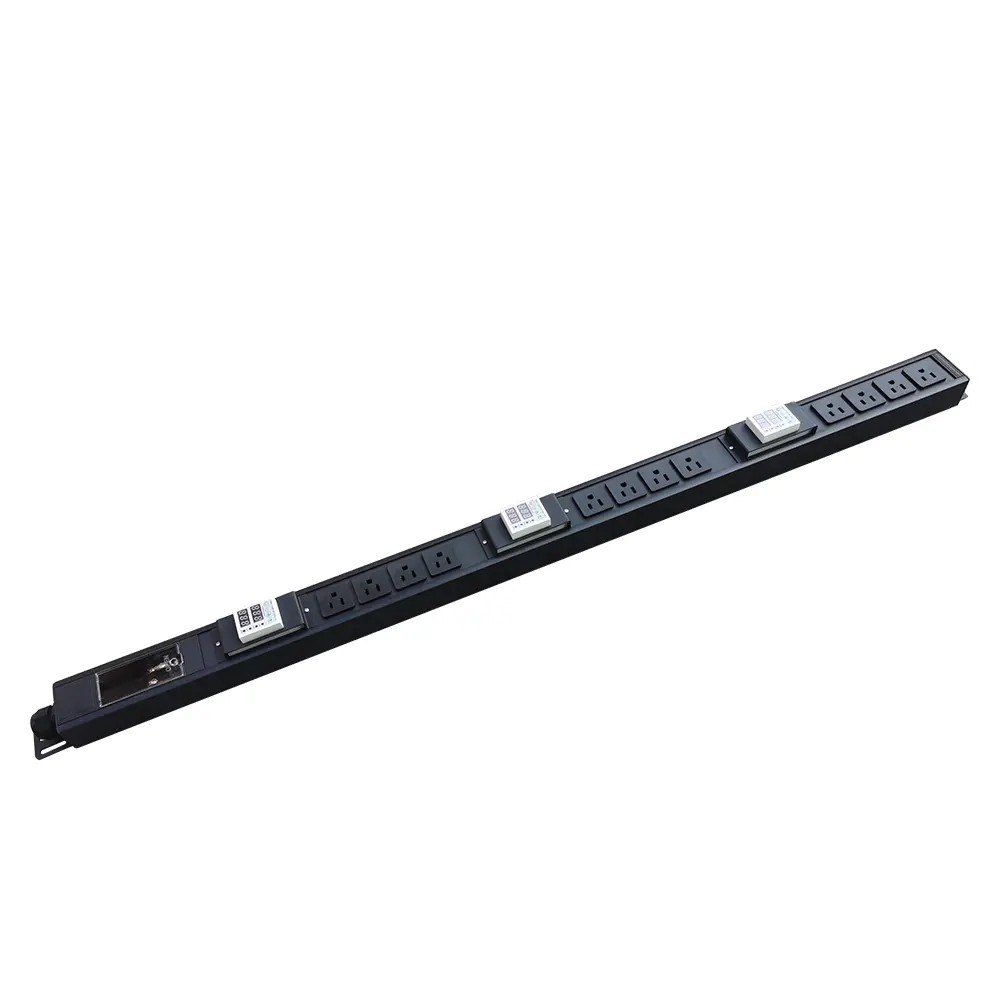
Horizontal PDUs are not the only option. Vertical PDUs mount along the rear rack posts and use zero rack units, but they require clear rear clearance.
| PDU Type | Typical Outlet Capacity | Rack Space Used | Best Use Case |
|---|---|---|---|
| Horizontal | 8–24 | 1U or 2U | Shallow cabinets, limited rear clearance, wall-mount enclosures |
| Vertical | Up to 54 | 0U | High-density racks with available rear channel space |
When the rear channel is already crowded with cables or a second PDU, horizontal PDUs become the practical choice. They also work well for shallow network closets and edge deployments where vertical units will not fit.
Poorly placed horizontal PDUs can block front-to-back airflow if not planned carefully. Low-profile chassis designs minimize this risk by adding height without depth, leaving the main vent path clear.
For cable management, horizontal PDUs offer an advantage: outlets sit close to the equipment they power, shortening cable runs and reducing rear-of-rack clutter.
Base your decision on these key factors:
For horizontal PDUs, 1U means one rack unit (1.75 inches / 44.45 mm) of vertical height, while 2U means two rack units (3.5 inches / 88.9 mm). Taller 2U models can hold more outlets and support higher power ratings.
A horizontal PDU occupies 1U or 2U of vertical rack space. In a 42U cabinet, a 1U unit uses 1.75 inches of internal height, leaving 41U for other equipment; a 2U unit uses 3.5 inches, leaving 40U.
Across the YOSUN lineup, horizontal PDUs offer 8 to 24 outlets, with multiple receptacle types, voltage options, and amperage ratings to suit different rack deployments.
Choose a horizontal PDU when rear rack space is tight, or for shallow cabinets, wall-mount enclosures, and edge deployments where vertical PDUs will not fit. Vertical PDUs save rack units but require clear rear channel clearance.
Quality horizontal PDUs include features like integrated IEC outlet grips, overcurrent protection, and surge suppression (model-dependent). Always verify specific certifications for the exact model before purchase.