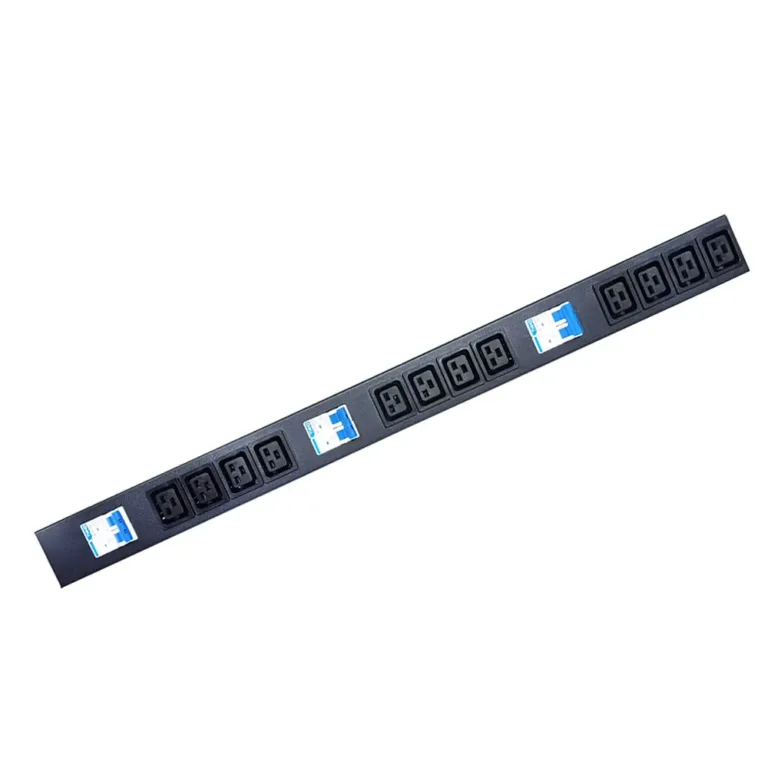
How to Choose the Best Power Strips for Data Centers
Choose the best data center power strips by considering safety, load capacity, surge protection, and scalability to ensure reliable and efficient operations.


+86 15867381241
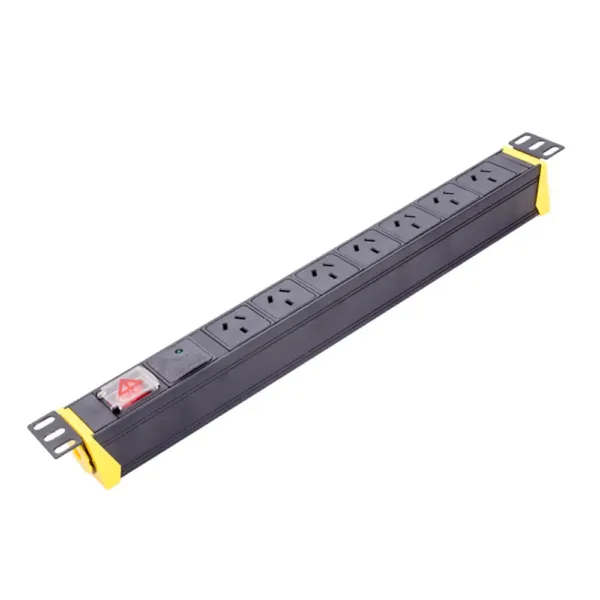
When hundreds of servers are running simultaneously, even a minor power fluctuation or overload can trigger a catastrophic data center outage. How do you safely and efficiently deliver power to every single rack? The answer is a Power Distribution Unit (PDU).
Far more than a traditional power strip, these industrial-grade, rack-mounted devices serve as the electrical heartbeat of the server room—integrating overload protection, energy monitoring, and advanced remote control.
Let’s dive into how these devices operate, the distinct types available, and how to select and maintain the ideal PDU for your infrastructure.
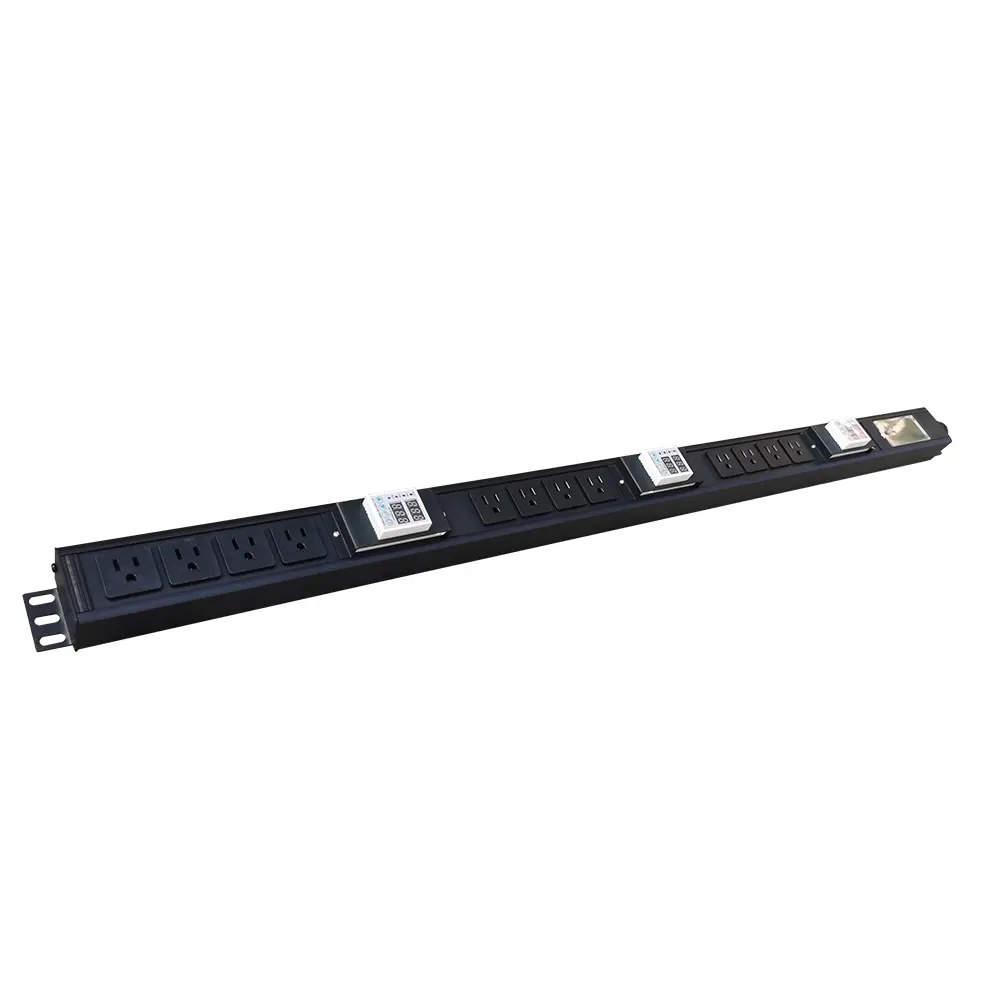
A Power Distribution Unit (PDU) is a specialized electrical device designed for continuous 24/7 operation in high-load, mission-critical environments. Unlike consumer power strips, which are intended for light-duty home use, PDUs are engineered to handle the sustained electrical demands of servers, network hardware and industrial machinery.
It acts as the critical link between a facility’s main power supply (or UPS system) and individual rack-mounted devices, ensuring each piece of equipment receives clean, stable power.
All PDUs share these essential components:
Note: Isolation transformers and voltage regulators are optional features available on specialized PDU models, not standard components.
Beyond basic power distribution, PDUs perform these critical functions:
Organizations select PDUs based on their operational needs, budget and system criticality. The four most widely used types are:
| PDU Type | Core Capabilities | Best Use Case | Relative Cost |
|---|---|---|---|
| Basic PDU | Simple, reliable power distribution with no monitoring | Small offices, non-critical equipment, temporary setups | Low |
| Metered PDU | Real-time total power usage display at the unit level | Medium server rooms, capacity planning, cost allocation | Medium |
| Smart PDU | Outlet-level control, automated alerts, energy tracking and reporting | Enterprise data centers, critical IT systems, remote facilities | High |
| Heavy-Duty PDU | High voltage/current support, rugged construction, industrial certifications | Manufacturing plants, hospitals, telecom central offices | High |
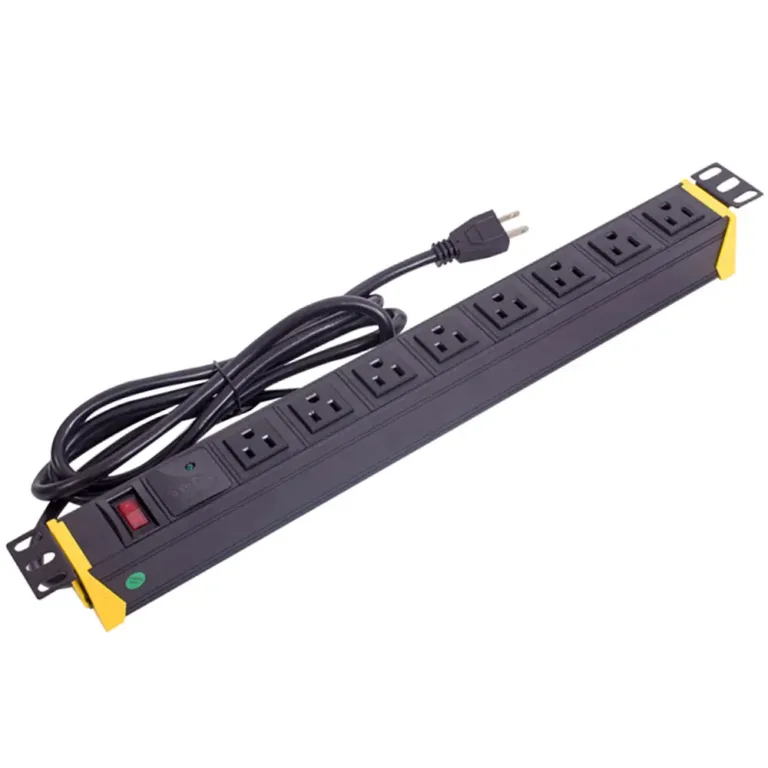
The simplest and most cost-effective option. Basic PDUs provide reliable power distribution without any monitoring or control features. They are ideal for small businesses and non-critical applications where advanced functionality is not required.
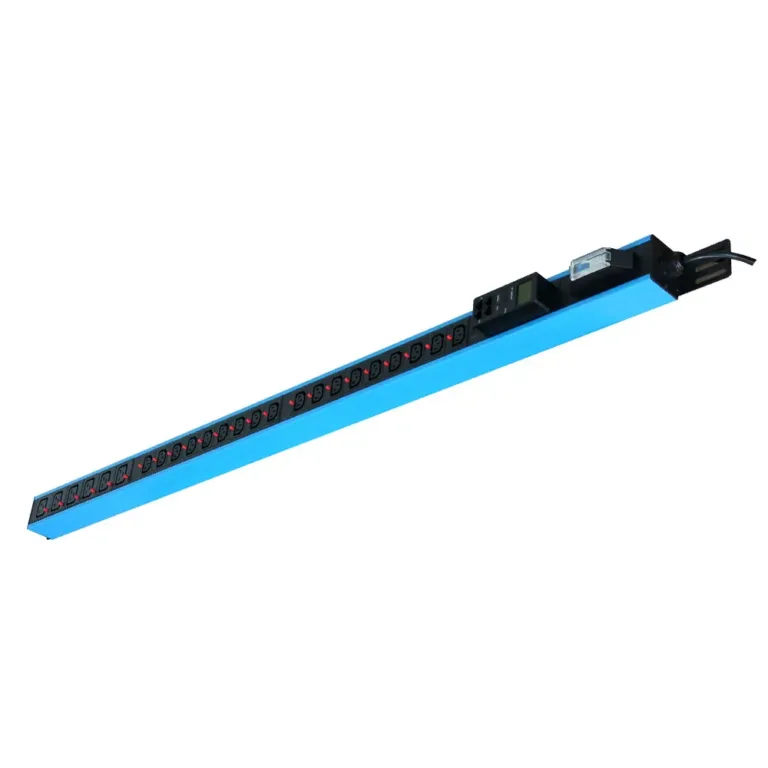
Metered PDUs include a digital display that shows real-time total power consumption. This allows IT teams to monitor load levels, prevent overloads and plan for future capacity expansion. They are the most popular choice for medium-sized server rooms.
The most advanced and feature-rich option. Smart PDUs connect to the network, enabling:
They are essential for large data centers and facilities with limited on-site staff.
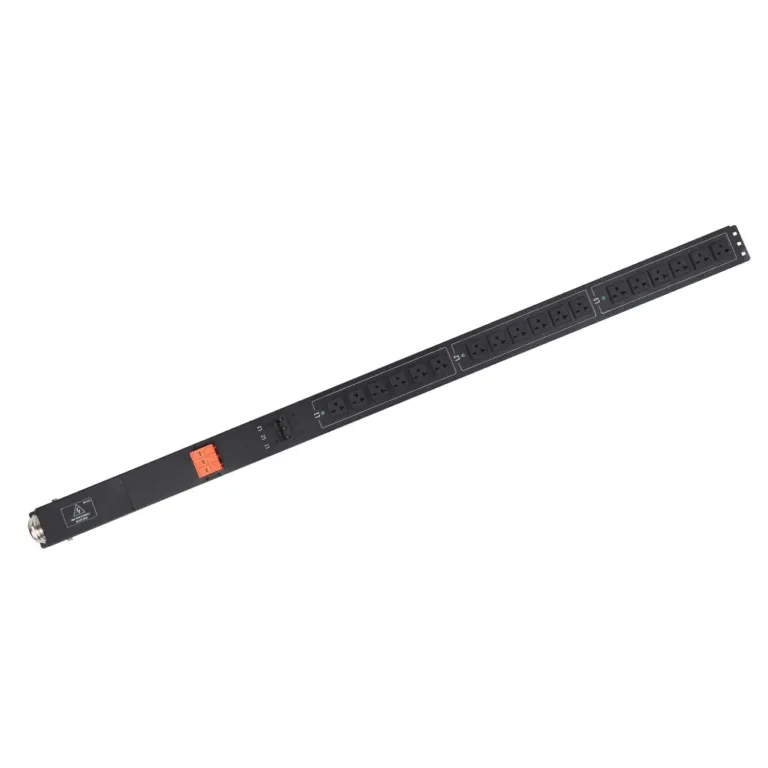
Designed for extreme environments and high-power applications. Heavy-duty PDUs can handle voltages up to 480V and currents up to 125A. They feature rugged metal enclosures, enhanced protection mechanisms and are certified for industrial use.
PDUs are essential infrastructure for any environment requiring reliable power:
⚡ Critical Safety Note: Never daisy chain PDUs or use consumer power strips in mission-critical environments. This creates a severe fire hazard and violates all major electrical codes.
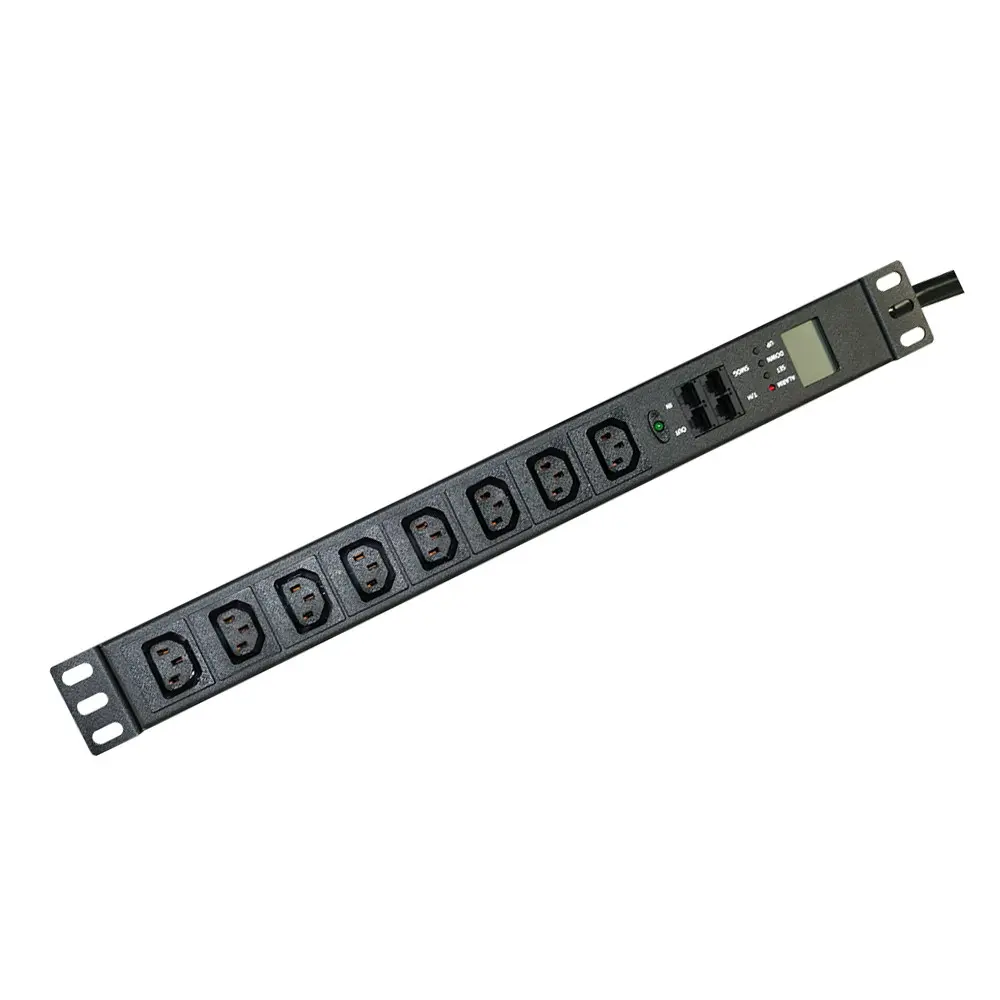
Follow these criteria to select the best PDU for your facility:
Ensure the PDU can handle your total rack load with 20-30% headroom for future equipment expansion. This is the single most important factor in preventing overloads.
Match the PDU to your regional voltage standards and power inlet type:
| Region | Standard Voltage | Common Plug Types |
|---|---|---|
| North America | 120V, 208V, 240V | NEMA 5-15P, NEMA L6-20P |
| Europe | 230V | IEC 60320, Europlug |
| United Kingdom | 230V | BS 1363 |
Look for globally recognized safety certifications including UL, CE, IEC CB and RoHS. These ensure the PDU meets strict international safety standards.
Proper preventive maintenance extends PDU lifespan to 10-15 years and ensures continuous safe operation:
A PDU is the unsung cornerstone of safe, efficient power management in any modern IT or industrial environment. From basic power distribution to advanced smart monitoring, different PDU models satisfy diverse operational needs. When selecting a PDU, prioritize power capacity, safety certifications and remote management capabilities to ensure reliable operations for years to come.
For high-quality, reliable PDU solutions tailored to your specific needs, trust YOSUN. We offer a full range of basic, metered, smart and heavy-duty PDUs that meet global safety standards and are built to last in the most demanding environments.
Contact YOSUN today to discuss your power distribution requirements and find the perfect PDU for your facility.
A PDU acts as a centralized power hub, distributing stable electricity from the main power source to servers, network hardware and other rack-mounted equipment. It also provides protection against overloads and voltage fluctuations to ensure continuous and safe operation.
Basic PDUs only distribute power without any monitoring features. Metered PDUs display real-time power usage to prevent overloads. Smart PDUs support remote monitoring, independent outlet control, automated alerts and integration with data center management systems.
Yes, high-quality PDUs are equipped with circuit breakers, fuses and current limiters to guard against overcurrent, overloads and electrical faults. Reliable models from YOSUN also meet international safety certifications for enhanced protection.
When selecting a PDU, consider regional voltage and plug compatibility, required safety protection features, remote management needs, power load capacity and installation environment. Customizable options can better fit specific industrial or IT setups.
Remote monitoring is recommended for data centers, large server rooms and critical facilities. It helps track power usage, send failure alerts, enable remote rebooting and optimize overall energy management efficiency.