Inexpensive IP Switched PDU Solutions Worth Trying
Find the best inexpensive ip switched pdu options for reliable remote power control, smart features, and value to fit your budget and setup needs.


+86 15867381241
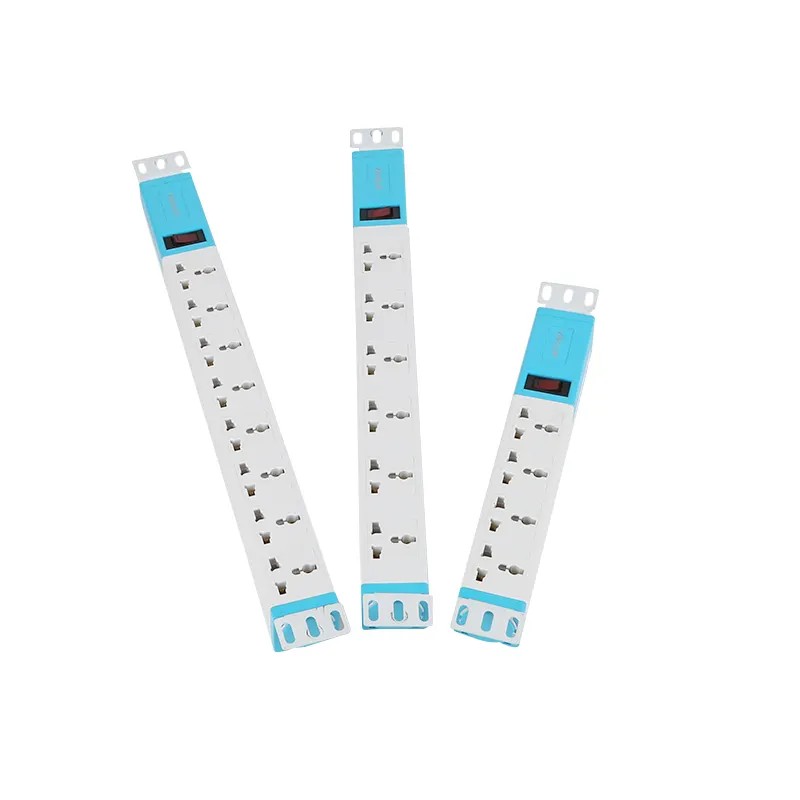
A Power Distribution Unit (PDU) distributes power to IT equipment inside server racks, while also helping manage cables and improve rack organization. The main difference between vertical and horizontal PDUs is their installation orientation and how they use rack space. Vertical PDUs are mounted along the side or rear of a rack to maximize outlet capacity without consuming rack units, while horizontal PDUs are installed inside the rack and typically occupy 1U or 2U space. Choosing the right type affects rack layout, cable management, power capacity, and maintenance efficiency.
The most fundamental distinction between the two designs is their mounting orientation and how they use rack space, which cascades into differences in capacity, accessibility, and use cases.
| Attribute | Vertical PDU (0U) | Horizontal PDU (1U/2U) |
|---|---|---|
| Mounting Orientation | Mounts vertically on the side or rear rail of the rack | Mounts horizontally across the rack, like standard IT equipment |
| Rack Space Usage | Zero rack units (0U) — consumes no equipment mounting space | Occupies 1U or 2U of usable rack space |
| Outlet Capacity | Up to 60 outlets per unit | Typically 6 to 16 outlets per unit |
| Accessibility | Outlets run the full height of the rack; lower/higher outlets may be harder to reach | Outlets sit at eye level; easy plug/unplug and troubleshooting |
| Cable Management | Cables run neatly along the rack edge for a clean layout | Cables route directly to adjacent equipment for short, organized runs |
| Airflow Impact | Minimal obstruction to front-to-back airflow | Slightly blocks airflow depending on mounting position |
| Ideal Use Case | High-density data center racks, tall server racks | Small racks, edge deployments, labs, frequent equipment changes |
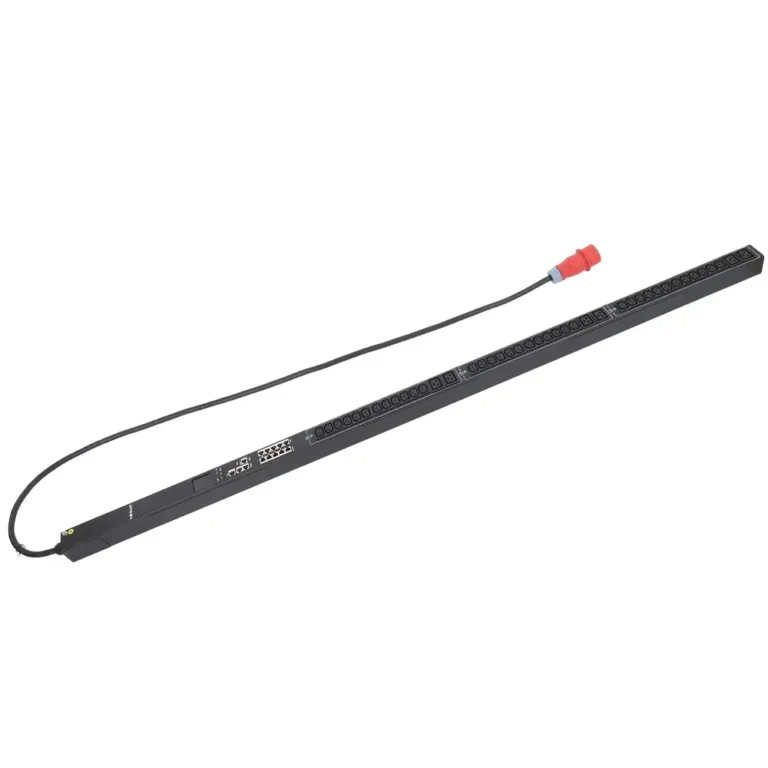
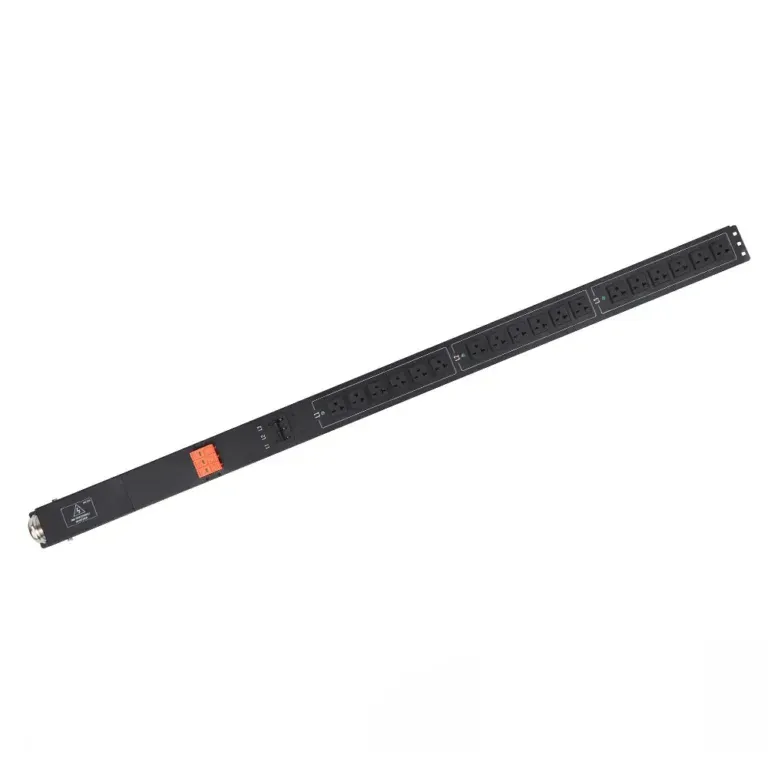
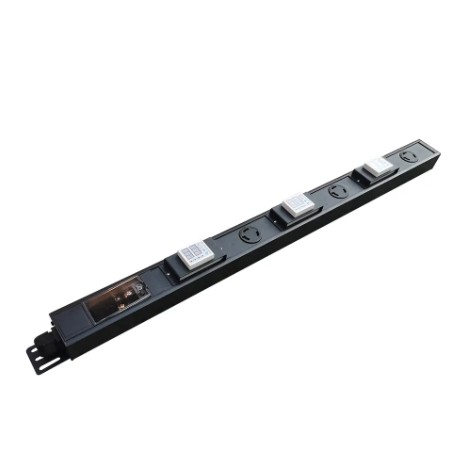
Vertical PDUs are often called “0U PDUs” because they attach to the rack’s side or rear rails, using none of the front-facing equipment mounting space. This is the biggest advantage for high-density deployments, where every rack unit is reserved for servers, storage, and networking gear.
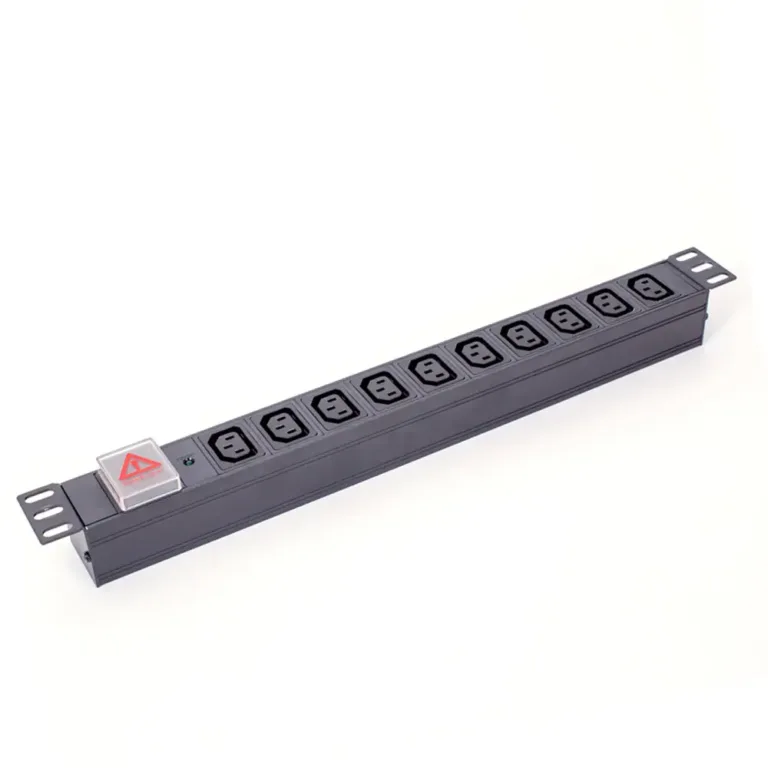
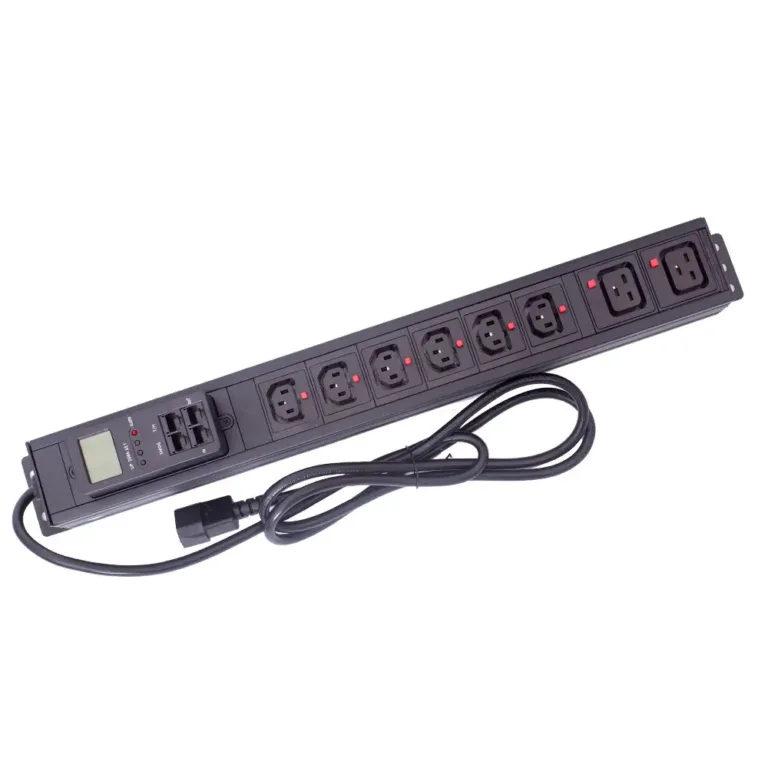
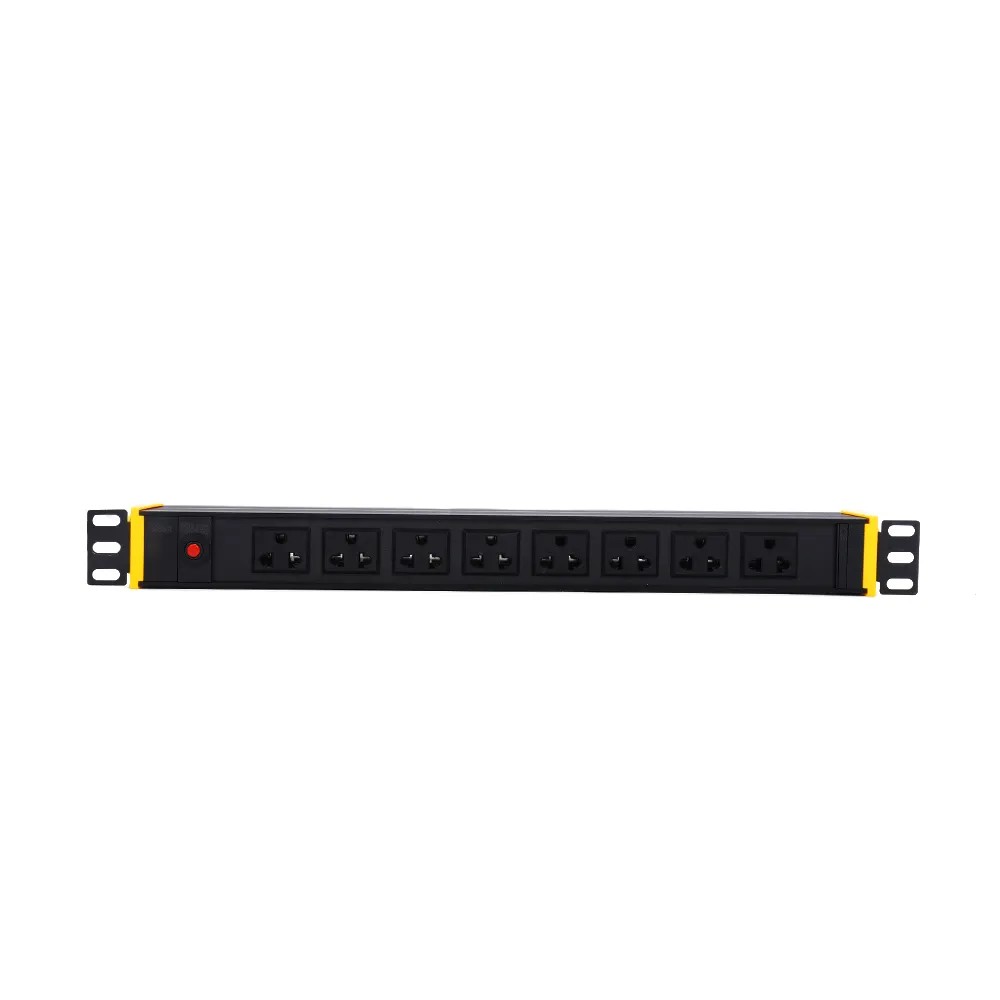
Horizontal PDUs install like standard rackmount equipment, taking up 1U or 2U of vertical rack space. This tradeoff is acceptable for smaller racks where equipment density is low, but can be costly in full-size data center racks.
Because vertical PDUs span the full height of the rack, they can fit far more outlets — up to 60 in a single unit. This makes them the default choice for powering dozens of devices in a single rack.
Horizontal PDUs are limited by their width, with most models offering 6 to 16 outlets. This is sufficient for small racks with a handful of devices, but not enough for high-density server deployments.
Vertical PDUs mount to the side or rear of the rack, which keeps outlets out of the way but can make upper and lower outlets hard to reach, especially in tight aisle spaces.
Horizontal PDUs sit at a consistent height, usually at eye level or near the equipment they power. This makes plugging, unplugging, and troubleshooting much faster, which is valuable for environments where equipment changes frequently.
Advantages
Disadvantages
Advantages
Disadvantages
Vertical PDUs are the best choice if:
For large data center deployments, vertical PDUs deliver the best value per outlet and the most efficient use of rack space.
Horizontal PDUs are the better fit if:
For small deployments where accessibility beats density, horizontal PDUs offer a simpler, more convenient solution.
Orientation is only one part of choosing the right PDU. Always evaluate these additional factors before purchasing:
For custom PDU solutions with metering, surge protection, and configurable outlet layouts, reputable manufacturers like YOSUN offer a full range of basic, metered, and smart PDUs to fit different rack requirements.
The key difference between vertical and horizontal PDUs is how they balance rack space efficiency and accessibility. Vertical PDUs are ideal for high-density environments because they provide more outlets while preserving valuable rack space. Horizontal PDUs offer easier installation and front-access management, making them suitable for smaller racks and less demanding deployments.
Neither option is universally better — the right choice depends on your rack configuration, power requirements, equipment density, and future expansion plans. By evaluating these factors, you can select a PDU design that improves power distribution, simplifies cable management, and supports long-term infrastructure reliability.
A PDU distributes electrical power to multiple devices inside a server rack. It organizes power cables, supports load management, and many models include protection against surges and overloads to keep IT equipment running reliably.
Yes. Many deployments combine both types: vertical PDUs provide bulk power for most equipment, while a horizontal PDU adds convenient front-access outlets for frequently changed devices. This balances density and accessibility.
Start with your rack size, device count, and total power load. For dense, full-height racks, choose a vertical PDU for maximum outlets and space savings. For small racks or frequent changes, a horizontal PDU offers better accessibility.
No. Basic PDUs only distribute power. Many models include built-in surge protection and circuit breakers, but you should always confirm the specifications before purchasing.
Outlet capacity determines how many devices you can power from a single unit. More outlets let you consolidate power distribution, reduce cable clutter, and make the most of your rack space. Always leave spare outlets for future expansion.