APC 3 Phase PDU Features You Need Today
Discover how APC 3 Phase PDUs enhance power distribution with load balancing, remote management, and energy efficiency for reliable IT operations.

+86 15867381241
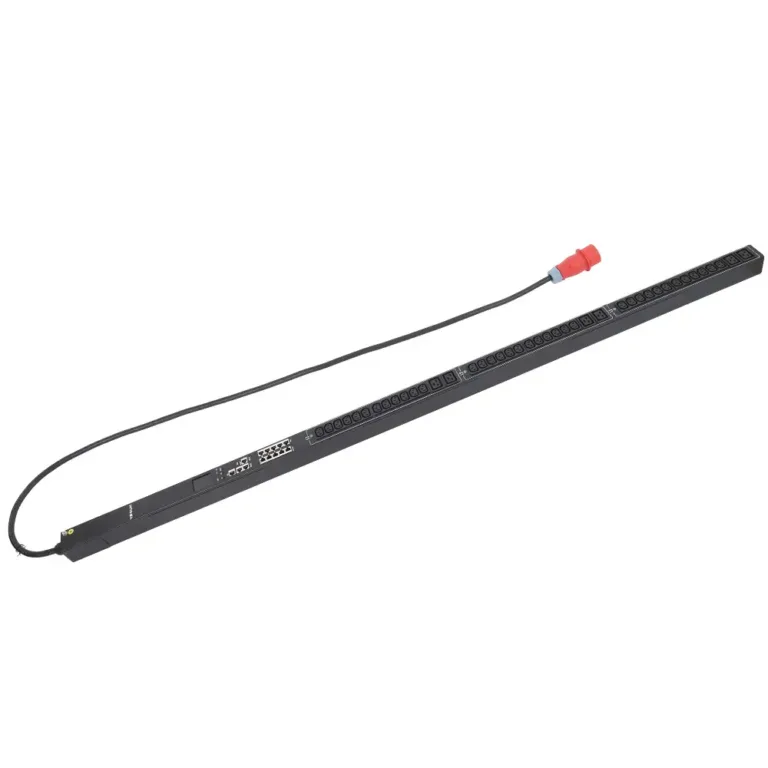
A smart PDU is different from a normal PDU. It has special features like remote monitoring and device control. A normal power distribution unit gives power to many devices. But it does not give data or control choices. Smart models let IT teams watch energy use. They can also control devices from far away. This helps keep systems working well. YOSUN has twenty years of experience. They sell both basic and smart PDUs. They also make custom solutions for special needs.
| Use Case | Description |
|---|---|
| Real-Time Energy Monitoring and Optimization | Lets teams watch energy use, balance loads, and save power. |
| Remote Device Management and Rebooting | Lets IT staff restart devices from anywhere. This cuts down on downtime. |
| Predictive Maintenance and Fault Prevention | Sends warnings before problems happen. This helps stop outages. |
| Compliance and Regulatory Reporting | Gives logs and reports that make audits and rules easier. |
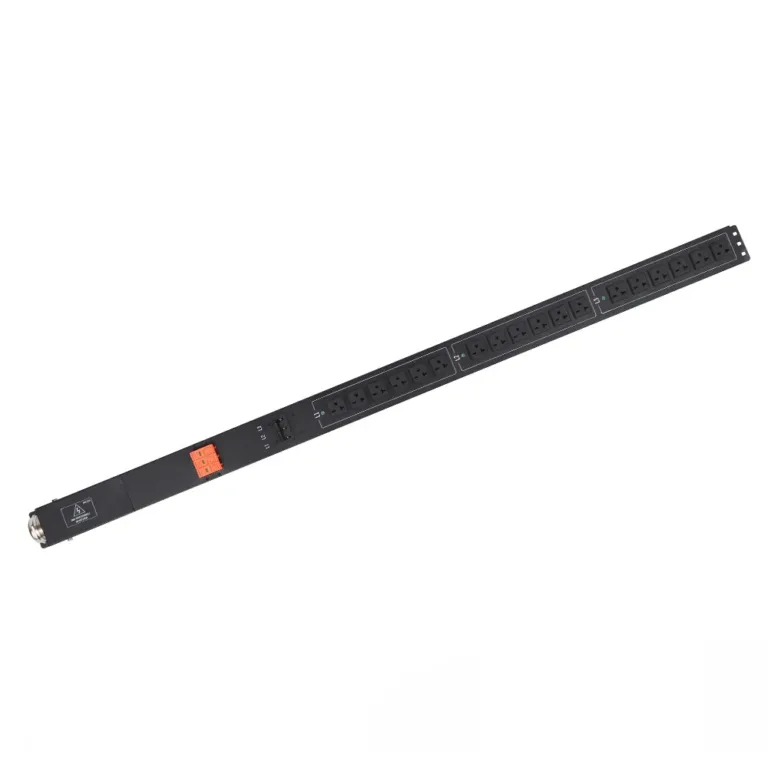
A normal PDU is like a big power strip. It is used in places like server rooms and data centers. It has many outlets for plugging in lots of devices. This lets people use one power source for many things. Most basic PDUs do not have extra features. They do not let you control or watch devices from far away. Their main job is to give safe and steady power.
A normal power distribution unit connects all devices to one main power source. It helps send electricity to many devices at the same time.
Normal PDUs are made to be safe and reliable. They follow strict rules to keep things working well. They have features that protect people and equipment.
| Feature | Description |
|---|---|
| Multiple Outlets | Lets you plug in many devices to one power source. |
| Overcurrent Protection | Uses circuit breakers to stop too much electricity. |
| Compliance with Standards | Meets safety rules like UL508 and EN 60204-1. |
| Electromagnetic Compatibility | Stops electrical interference so things work safely. |
| Simple Installation | Easy to put in racks or cabinets. |
Normal PDUs must follow important safety rules. Some of these rules are:
Normal PDUs are used where power needs to be reliable. They are found in server rooms, data centers, and network closets. They help power computers, servers, and network devices.
Normal PDUs help organize cables. They make sure each device gets the power it needs. They keep everything running safely and smoothly.
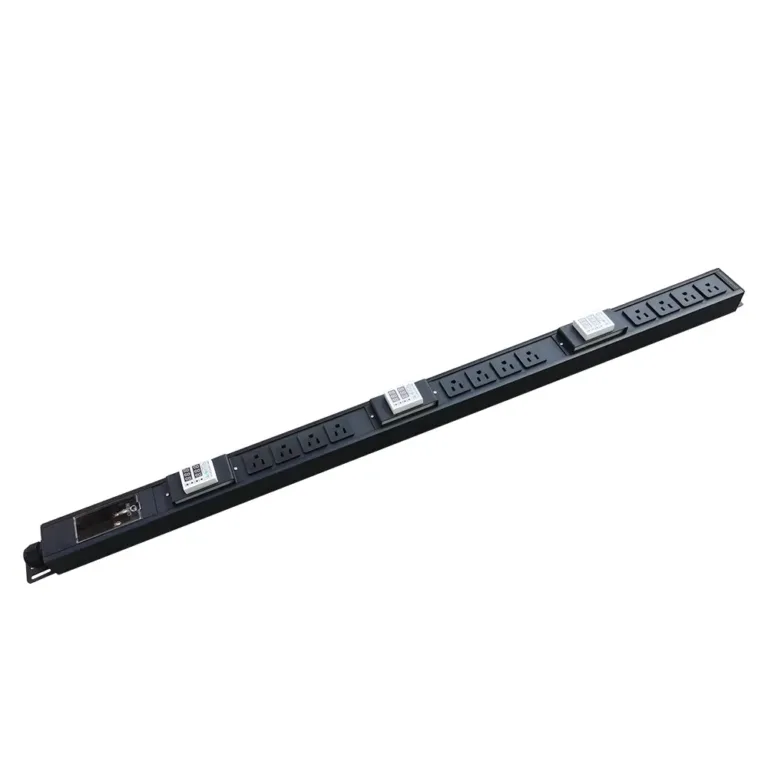
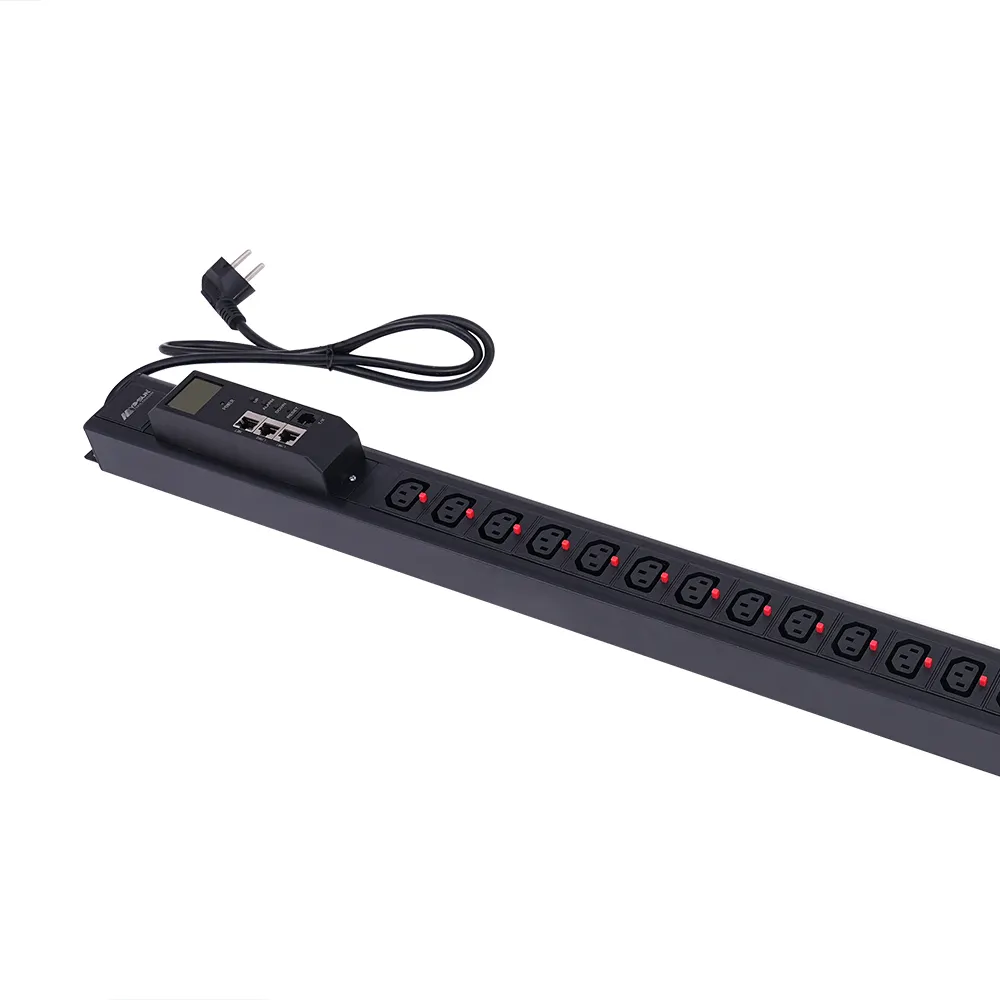
A smart pdu is a special kind of power distribution unit. It does more than just give out electricity. It sends power to IT hardware in racks. It also collects data about how good the power is. This device can give out power, control devices, and collect data all at once. Smart pdu models let IT teams watch voltage, current, and energy use as it happens. Teams can see this information on web pages or with network tools. These features help teams keep track of energy use. They can find problems early and keep systems working well.
Smart pdu devices have many advanced features. These features make them different from basic power distribution units. The table below shows how smart pdu models are not the same as basic ones:
| Feature | Smart PDU | Basic PDU |
|---|---|---|
| Function | Advanced power distribution, real-time monitoring, load statistics, alarm functions | Basic power distribution |
| Monitoring Capability | Remote monitoring available | No monitoring capabilities |
| Control Capability | Remote control features | No control capabilities |
| Alarm Function | Automatic alarms for threshold breaches | Typically lacks alarm functions |
| Applicability | Large data centers needing reliability and efficiency | Small or traditional data centers |
| Cost | Higher cost due to advanced features | Lower cost, budget-friendly |
Some advanced features are:
Smart pdu units can track energy use and room conditions in real time. They send alerts if something is wrong. This helps stop downtime.
Smart pdu solutions are best where reliability and efficiency are important. Data centers use them to watch power use in real time. They also manage how much power each rack uses. IT teams use smart pdu devices to find servers that do not work. They can plan for what they will need later. They get alerts if equipment fails. These units help turn off power for things not being used. They help make sure the power setup is the right size. They also let teams charge for power based on real use. They send messages about problems by SMS or email. Smart pdu technology helps groups use power better and keep important systems running.

Power distribution units come in different types. The main types are basic pdu and smart pdu. Each type has its own features and benefits. The table below shows how they are different:
| Feature | Basic PDU | Smart PDU |
|---|---|---|
| Power Distribution | Basic power delivery | Advanced power management |
| Monitoring | None | Real-time monitoring of usage |
| Control | None | Remote control of individual outlets |
| Cost | More affordable | Higher price due to advanced features |
| Scalability | Limited to small/static setups | Supports dynamic environments |
| Flexibility | Fixed power distribution | Adapts to changing needs |
A basic pdu gives simple power to devices. It does not let you watch power use or control devices from far away. Smart pdu models let teams see power use as it happens. They also let teams control devices from anywhere. Smart pdus are more flexible.
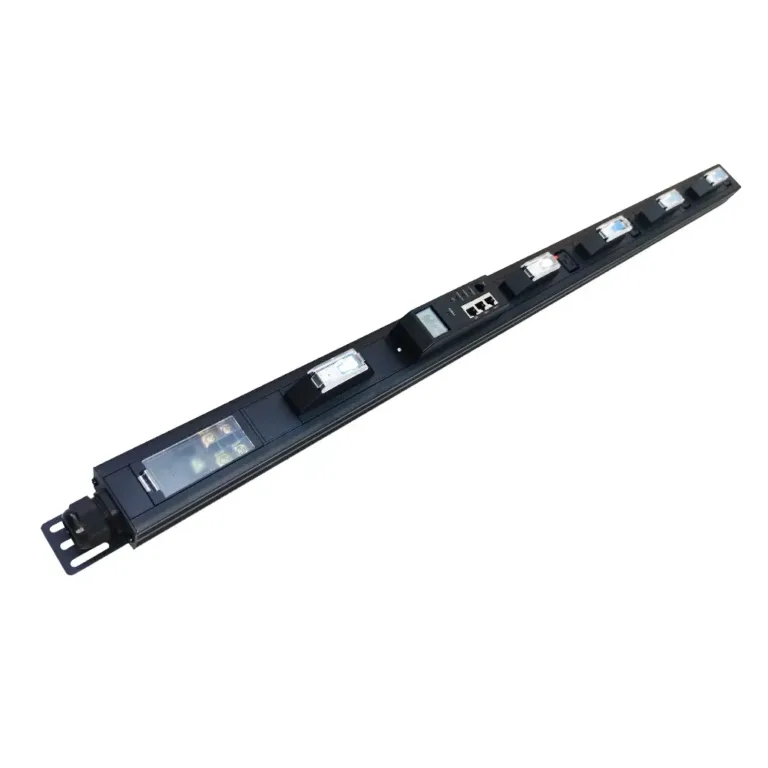
YOSUN sells both kinds of power distribution units. Customers can pick basic, monitored pdu, or smart pdu models. YOSUN also offers custom choices. These include different plug types, output circuit breakers, and built-in diagnostics. This helps many industries find what they need.
The price of pdu unit depends on its features. Basic pdu models cost less. They work well for small offices or places with simple needs. Smart pdu models cost more at first. They help save money later by cutting downtime and using energy better.
| Type of PDU | Cost Characteristics | Benefits |
|---|---|---|
| Basic PDUs | Generally lower cost, dominating the market | Ideal for small-scale operations with minimal power management needs. |
| Intelligent PDUs | Higher initial cost but offers long-term savings | Essential for modern data centers, reducing downtime costs and allowing for more efficient power management. |
Managing a basic pdu is easy. You do not need special training. Smart pdu models have more features. They need network setup and sometimes software. This makes them harder to use but gives more control. YOSUN helps customers with support and training for all power distribution units.
YOSUN lets customers change their pdu to fit their needs. They can pick input and output voltage, form factor, plug types, and add surge protection. This makes it easy to find the right pdu for any project.
Smart pdu models are special because they have real-time monitoring and control. Teams can see power use, temperature, and humidity right away. They get alerts if something is wrong. This helps stop problems before they cause downtime.
| Feature | Smart PDUs | Normal PDUs |
|---|---|---|
| Real-Time Monitoring | Yes | No |
| Remote Management | Yes | No |
| Environmental Sensing | Yes | No |
| Outlet-Level Metering | Yes | No |
| Alerts for Overload Prevention | Yes | No |
| Scheduling Power Cycles | Yes | No |
Smart pdu models can control each outlet. They can turn devices on or off from far away. They can schedule power cycles to save energy. They also have alerts for overloads. Basic pdu models do not have these features.
Security matters for all power distribution units. Basic pdu models only need physical security. Smart pdu models connect to networks. They need strong passwords, encrypted connections, and updates. YOSUN’s monitored pdu and smart pdu models use secure protocols and surge protection to keep systems safe.
Predictive maintenance helps teams:
- Find equipment that may fail soon.
- Use past and current data to know when to fix things.
- Keep systems working well by fixing problems early.
Picking the right power distribution unit can help save money and keep things running. Companies using smart pdu models have lower costs and less downtime. Real-time monitoring and alerts help teams fix problems fast. YOSUN’s monitored pdu and smart pdu options give customers tools for safe and reliable power.
Picking the right power distribution unit starts with knowing what you need. Data centers, server rooms, and offices all need different things. These factors help you decide:
Environmental conditions matter too. The table below shows how things like heat and moisture change what PDU you need:
| Environmental Factor | Impact on PDU Choice |
|---|---|
| Temperature | Smart PDUs check and manage heat levels. |
| Humidity | Smart PDUs track moisture to stop problems. |
| Airflow | Smart PDUs help airflow for better reliability. |
| Water/Leaks | Smart PDUs find leaks to stop damage. |
Budget is important. Smart PDUs cost more at first but are better for growing and staying reliable. Basic PDUs cost less and work well for simple jobs.
A basic pdu works best in small offices or places with steady power needs. Smart PDUs are good for data centers or places where teams need to watch and control power from far away. YOSUN sells both types. They also offer custom choices for plug types, circuit breakers, and smart modules.
Certifications are needed for safety and following rules. The table below lists important standards:
| Certification Standard | Description |
|---|---|
| EU Low-Voltage Directive (LVD) | Covers electronic equipment with certain voltage ranges. |
| IEC 60950-1 | Used for IT and communications equipment. |
| IEC 62368-1 | Makes sure products are safe when designed. |
| FCC Class A Compliance | Stops devices from causing interference. |
| UKCA Mark | Needed for products in Great Britain. |
After-sales support matters too. YOSUN gives strong technical help and service. This helps users fix problems fast. Good support and warranty keep power distribution units working well.
Tip: Teams should think about future needs, safety rules, and support when picking a PDU. The right PDU helps systems stay up and work better.
Smart PDUs let you watch and control devices from far away. Basic models only give power to devices. Picking the right power distribution unit stops downtime. It also helps teams use energy better. Here is a simple checklist to help you choose:
| Advantage | YOSUN’s Solution |
|---|---|
| Cost-Effective | Reliable and budget-friendly |
| Durability | Heavy-duty aluminum frame |
| Support | Trusted after-sales service |
A PDU sends electrical power to many devices from one source. It helps organize power in places like data centers and server rooms.
Smart PDUs let teams watch energy use in real time. They can turn off unused devices and balance loads. This helps lower energy bills.
Yes! Smart PDUs allow remote control. Teams can turn outlets on or off and restart devices using a web page or network tools.
| Feature | YOSUN Advantage |
|---|---|
| Customization | Many plug and module options |
| Quality | Meets top safety standards |
| Support | Strong after-sales help |
YOSUN offers reliable, safe, and custom power solutions.