How Intelligent PDUs Improve Server Room Performance
Intelligent PDUs enhance pdu server efficiency by reducing energy use, improving monitoring, and minimizing downtime with real-time alerts and control.


+86 15867381241
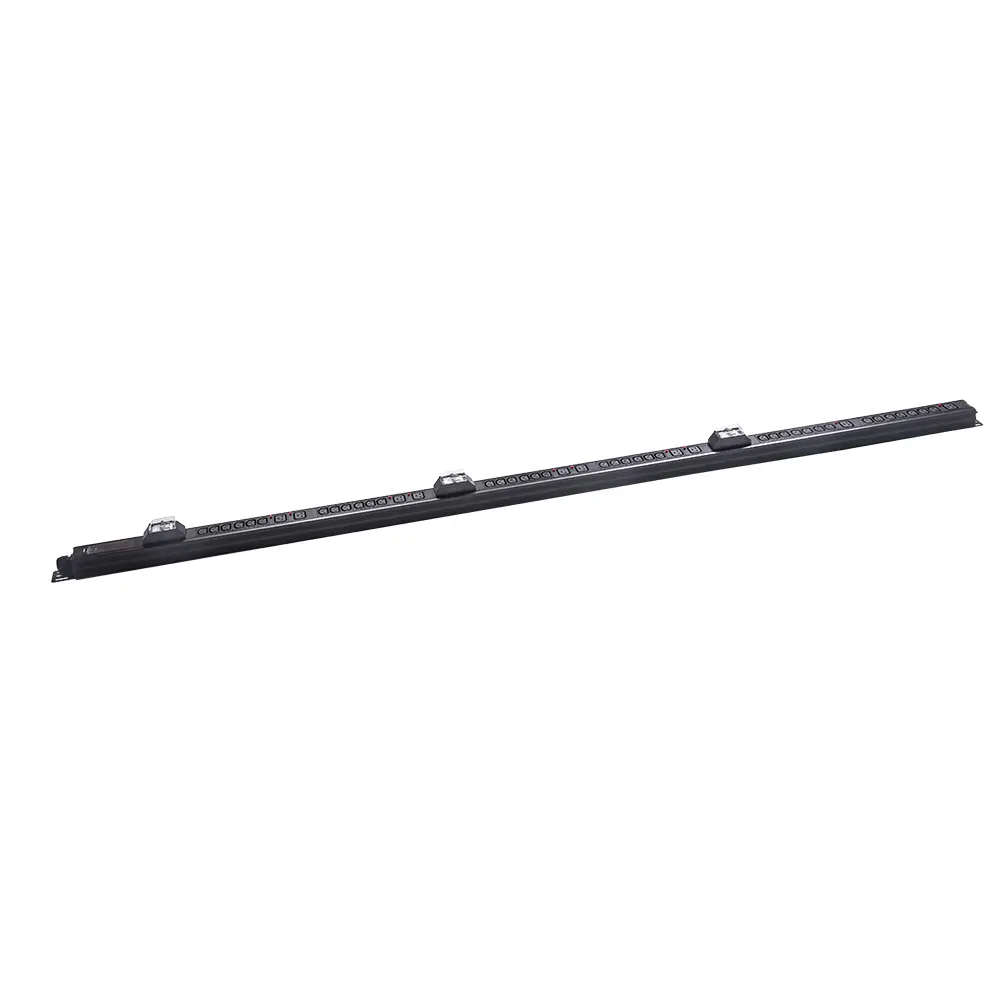
The main difference between single phase and three phase PDU is how much power they can use and share. Many businesses pick three-phase models now. This is common in places like data centers. These units can handle more power and have more outlets. Facility managers think this difference is important. Three-phase options have more circuit breakers for safety. They can also make setup easier with fewer, thicker cords. Picking the right PDU helps people match their equipment to their power needs.
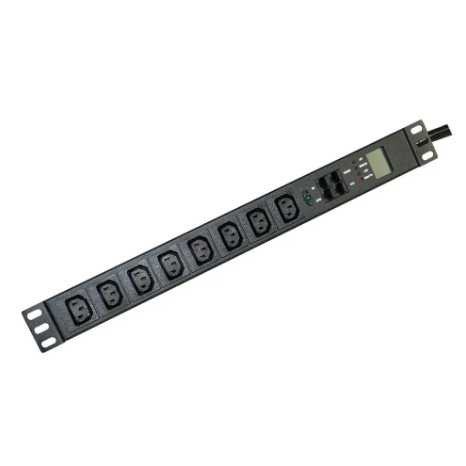
A single phase PDU is a tool that spreads out power in small places. It works well in home offices, small server rooms, and workshops with not much equipment. This PDU uses just one AC waveform. It is easier to use than other types. It fits places that do not need much power.
A single phase PDU gives power with one AC waveform. It can give up to 230 volts. The design makes it simple to set up and use. People pick this PDU when they do not need lots of power. The table below shows how a single phase PDU is different from a three phase PDU:
| Feature | Single-Phase PDU | Three-Phase PDU |
|---|---|---|
| Power Delivery | Delivers single-phase power | Delivers three-phase power |
| Waveform | Uses a single AC waveform | Uses three separate AC waveforms |
| Voltage | Typically provides up to 230 volts | Can provide higher voltages |
| Efficiency | Simpler, suitable for lower power demands | More efficient, ideal for high-demand environments |
People use single phase PDUs in many normal places. Some common uses are:
These PDUs often power things like computers, printers, and network gear.
Single phase PDUs have some good points and some bad points. The table below shows the main ideas:
| Advantages of Single Phase PDUs | Disadvantages of Single Phase PDUs |
|---|---|
| Ideal for small setups with modest power needs | Limited power capacity, not for high-density use |
| Compact design and easy installation | Fewer outlets than three-phase models |
| Affordable and space-efficient | Lacks advanced features like remote management |
Tip: Single phase PDUs are best for places with low power needs and little space.
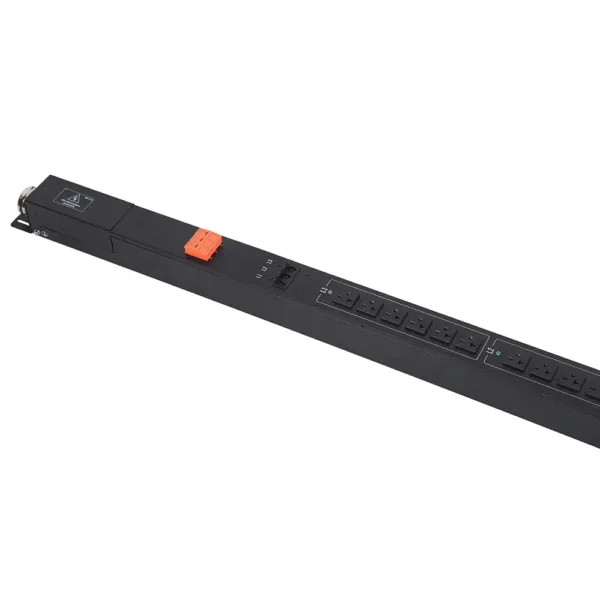
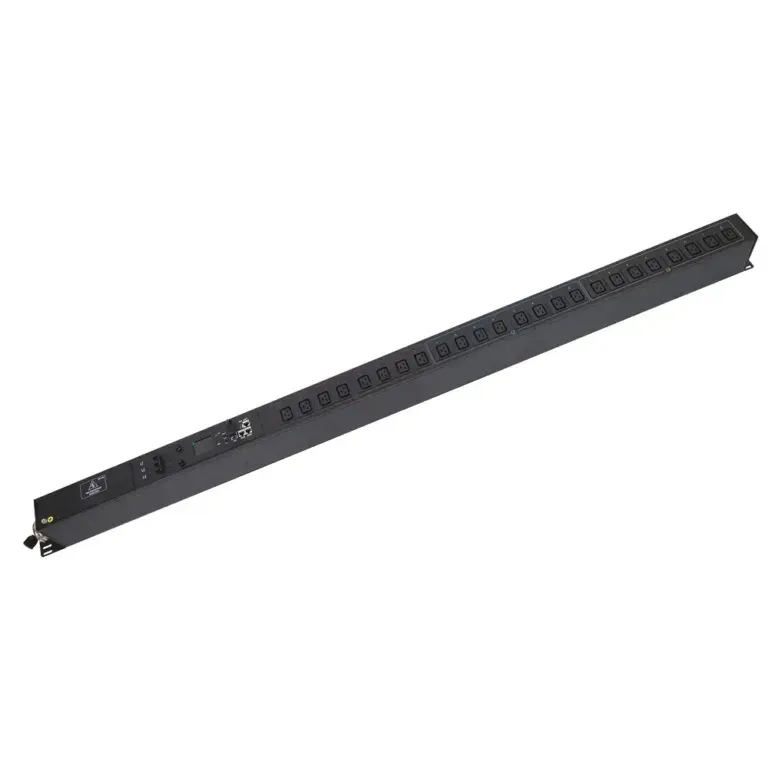
A 3 phase PDU uses three AC waveforms. Each one is spaced 120 degrees apart. This setup keeps the electricity balanced and steady. The PDU can give up to 415 volts. It can power many devices at once. This helps stop overloads and keeps things working well.
Here is a table that shows how a 3 phase PDU compares to a single phase PDU:
| Feature | 3-Phase PDU | Single-Phase PDU |
|---|---|---|
| Power Delivery | Uses three AC waveforms spaced 120° apart | Delivers power through a single AC waveform |
| Efficiency | Up to 150% more efficient in high-demand settings | Less efficient for high loads |
| Voltage Capacity | Can provide up to 415 volts | Typically delivers up to 230 volts |
| Application Suitability | Ideal for data centers and industrial facilities | Suitable for home offices and low-density setups |
Big places often use 3 phase PDUs. Some examples are:
They pick this PDU because it handles big loads. It also powers many strong devices at the same time. This makes it a smart choice for places needing steady and strong power.
A 3 phase PDU has many good points. It gives steady power and is reliable. It saves energy and cuts down waste. The tough build works well in hard places. Many models have extra protection like surge suppression.
Here is a table that shows the main advantages and disadvantages:
| Advantages | Disadvantages |
|---|---|
| High reliability for consistent power delivery | Higher initial costs |
| Efficient power management reduces energy waste | Complexity in installation and maintenance |
| Robust construction for harsh conditions | May not be necessary for lower power demands |
| Advanced protection features | |
| Enhances operational stability |
Note: A 3 phase PDU is best for places with high power needs. Small setups may not need it.
Power capacity and efficiency are what make single phase and three phase PDUs different. Single phase PDUs can give up to 230 volts. Three phase PDUs can give up to 415 volts. This lets three phase PDUs power more devices and bigger jobs. In places like data centers, three phase PDUs keep energy steady. Single phase PDUs can have energy ups and downs. This can waste power.
Here is a table that shows these differences:
| Feature | Single-Phase PDU | Three-Phase PDU |
|---|---|---|
| Power Capacity | Up to 230 volts | Up to 415 volts |
| Efficiency | Prone to energy fluctuations | Balanced load distribution |
| Ideal Use Case | Smaller setups, home offices | High-demand environments, data centers |
| Number of Outlets | Fewer outlets available | More outlets available |
Three phase PDUs help stop energy loss. They use balanced loads, so there is less waste heat. This means cooling needs go down. It also makes energy use better and lowers bills over time.
Tip: Three phase PDUs are best for places where power needs keep growing, like data centers or big server rooms.
Load balancing is how a PDU shares power with devices. Single phase PDUs do not balance loads well. Some outlets may work harder than others. In busy places, this can cause more downtime and shorter life for equipment.
Three phase PDUs share power evenly. This lowers the chance of overheating. It keeps devices working well. The system lasts longer and has fewer stops.
The table below shows how load balancing and reliability compare:
| PDU Type | Load Balancing Capability | Impact on Reliability |
|---|---|---|
| Single-Phase | Limited | Less reliable in high-demand environments |
| Three-Phase | Even distribution | Reduces wear, extends lifespan, minimizes downtime |
Three phase PDUs often have features like real-time monitoring. These features help find problems early and keep systems safe. In modern data centers, three phase PDUs keep power going even if one phase stops. This helps prevent service breaks and supports important work.
Installation and cost are important when picking a PDU. Single phase PDUs cost less at first. They are good for small setups with simple needs. But as power needs grow, upgrades may be needed. This can make costs go up over time.
Three phase PDUs cost more at the start. They use fewer, thicker cables. This saves space and makes installation easier in big places. These PDUs also lower maintenance and downtime. This saves money later.
Here is a table that compares installation and cost:
| Factor | 3-Phase PDUs | Single-Phase PDUs |
|---|---|---|
| Initial Investment | Higher upfront cost but long-term savings | Lower upfront cost but higher long-term costs |
| Operational Costs | Reduced energy use, lower utility bills | Higher energy use, higher utility bills |
| Maintenance and Reliability | More reliable, less downtime, lower maintenance costs | Less reliable, more downtime, higher maintenance costs |
Three phase PDUs help keep data centers tidy. They need fewer cables, so airflow is better. It is easier to manage equipment. This setup helps places grow and change without big changes.
Note: For growing businesses or places with lots of equipment, three phase PDUs give better value and help with expansion.
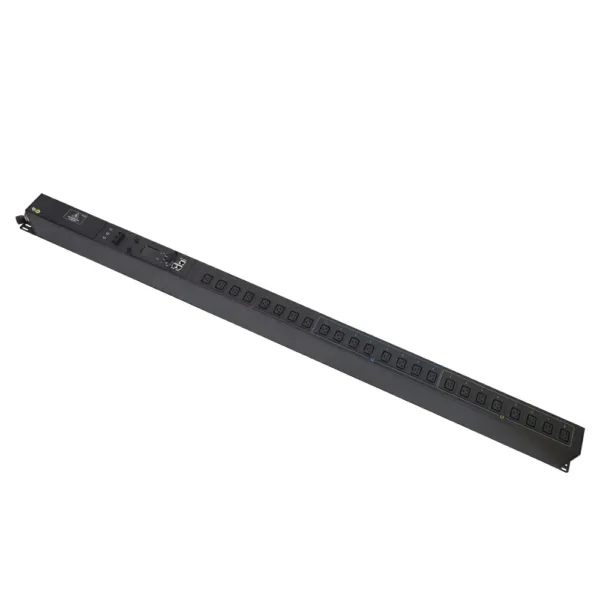
Picking a PDU depends on how big your space is. Small offices and homes use single phase units. These units give enough power and are easy to use. Big data centers and factories need three phase models. These models handle more power and support more devices. Think about what you need, your budget, and if you plan to grow.
Tip: Always check how much power you need now and later.
Many things help you pick the best PDU. Here are some key points:
The table below shows how these factors compare:
| Factor | Single-Phase PDU | 3-Phase PDU |
|---|---|---|
| Initial Cost | Lower | Higher |
| Long-term Savings | Limited | Greater efficiency |
| Scalability | Less flexible | Supports expansion |
| Application Suitability | Small setups | High-demand environments |
YOSUN has many PDU choices for different needs. Basic PDUs give simple power. Metered models show current and voltage to stop overloads. Smart PDUs let you check and control them from far away. Heavy Duty PDUs work in tough places. You can pick plug types and features with custom options.
People sometimes make mistakes when picking a PDU. They may forget to plan for growth or skip environmental monitoring. Some choose units without checking safety certifications. Others do not look for quality checks.
Note: YOSUN follows strict rules and has UL and CE certifications. Each unit is tested to make sure it is safe and works well.
Choosing the right PDU keeps your equipment safe, saves money, and helps your business grow.
Picking between single phase and 3 phase PDUs depends on how much power you need. It also depends on how well you want things to work and if you plan to grow later.
Choosing the right PDU helps keep things running and safe. YOSUN has special options like remote monitoring and extra protection. These choices can fit any place.
PDU stands for Power Distribution Unit. It helps spread electrical power to many devices in places like server rooms or data centers.
A single phase PDU can work in a small data center. Large data centers need more power. They use three phase PDUs for better efficiency and more outlets.
Data centers choose three phase PDUs because these units handle more power. They also balance loads better. This helps keep equipment safe and running smoothly.
Yes, YOSUN provides custom PDUs. Clients can pick plug types, features, and safety options. This helps match the PDU to each environment.