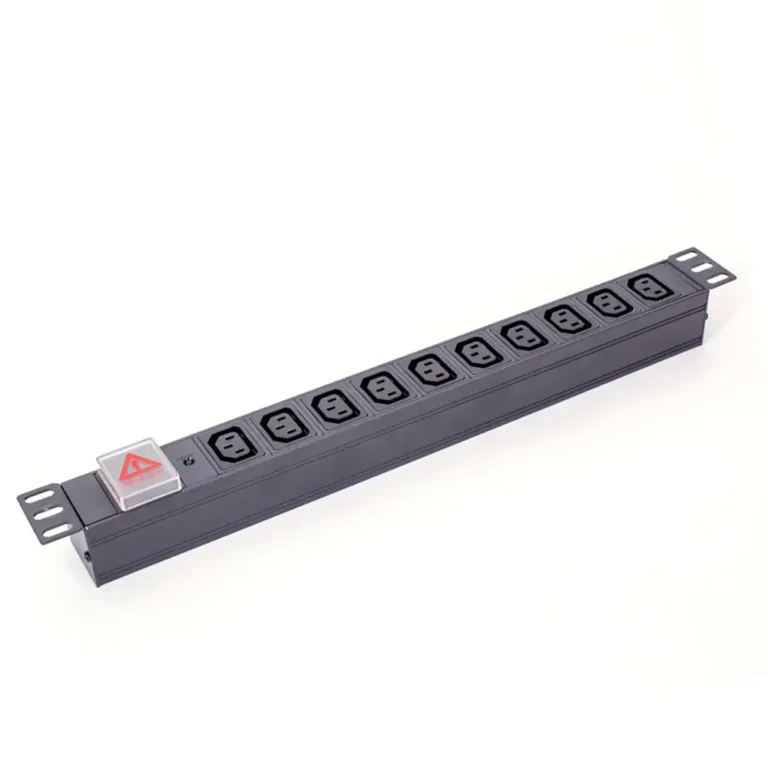
Top 1RU PDUs for Server Racks in 2025
Discover the top 1RU PDUs for server racks in 2025, featuring advanced power management, reliability, and compatibility for high-density server environments.


+86 15867381241
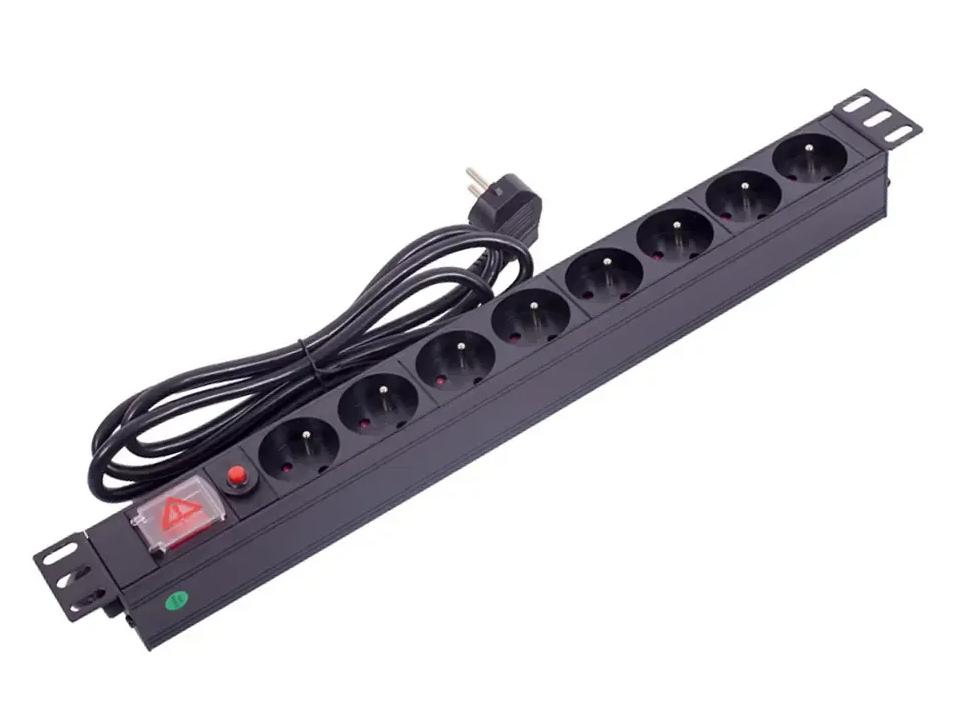
The main difference between a basic PDU and a metered PDU is power visibility. A basic PDU simply distributes electricity to connected equipment, while a metered PDU monitors real-time power usage to help prevent overloads, improve energy efficiency, and support capacity planning in server racks and data centers.
Basic PDUs are commonly used in smaller IT environments where simple and reliable power distribution is sufficient. Metered PDUs are better suited for data centers and high-density racks that require continuous load monitoring and power management.
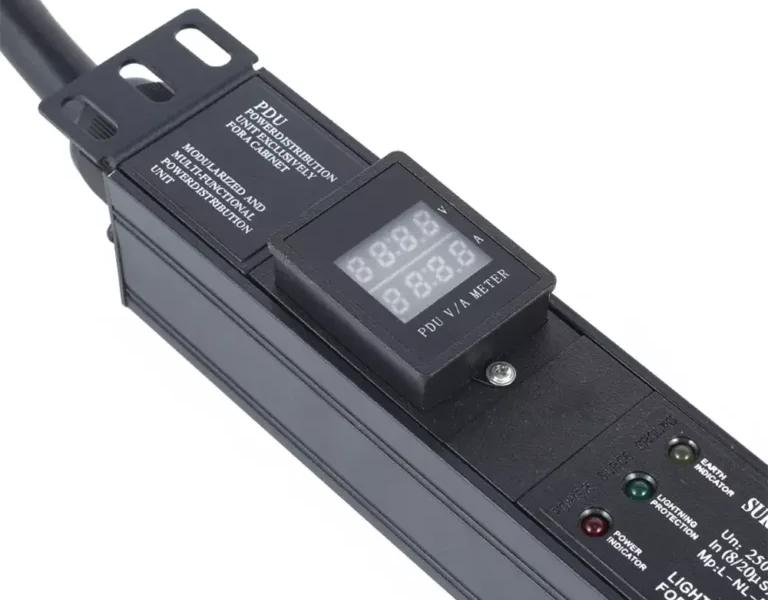
The most significant difference is power monitoring:
| Feature | Basic PDU | Metered PDU |
|---|---|---|
| Primary Function | Power distribution only | Power distribution + real-time monitoring |
| Monitoring Capabilities | None | Voltage, current, power factor, total kW |
| Overload Protection | Circuit breaker only | Circuit breaker + real-time overload alarms |
| Remote Management | None | Optional (varies by model) |
| Typical Accuracy | N/A | ±1% billing-grade accuracy |
Advanced metered PDUs support remote monitoring via SNMP, web interface or mobile app. This allows IT teams to:
💡 Pro Tip: Remote management can reduce data center downtime by up to 70% by enabling faster problem resolution.
Basic PDUs are the best choice for simple, low-density power distribution needs:
Metered PDUs are essential for any environment where power management is critical:
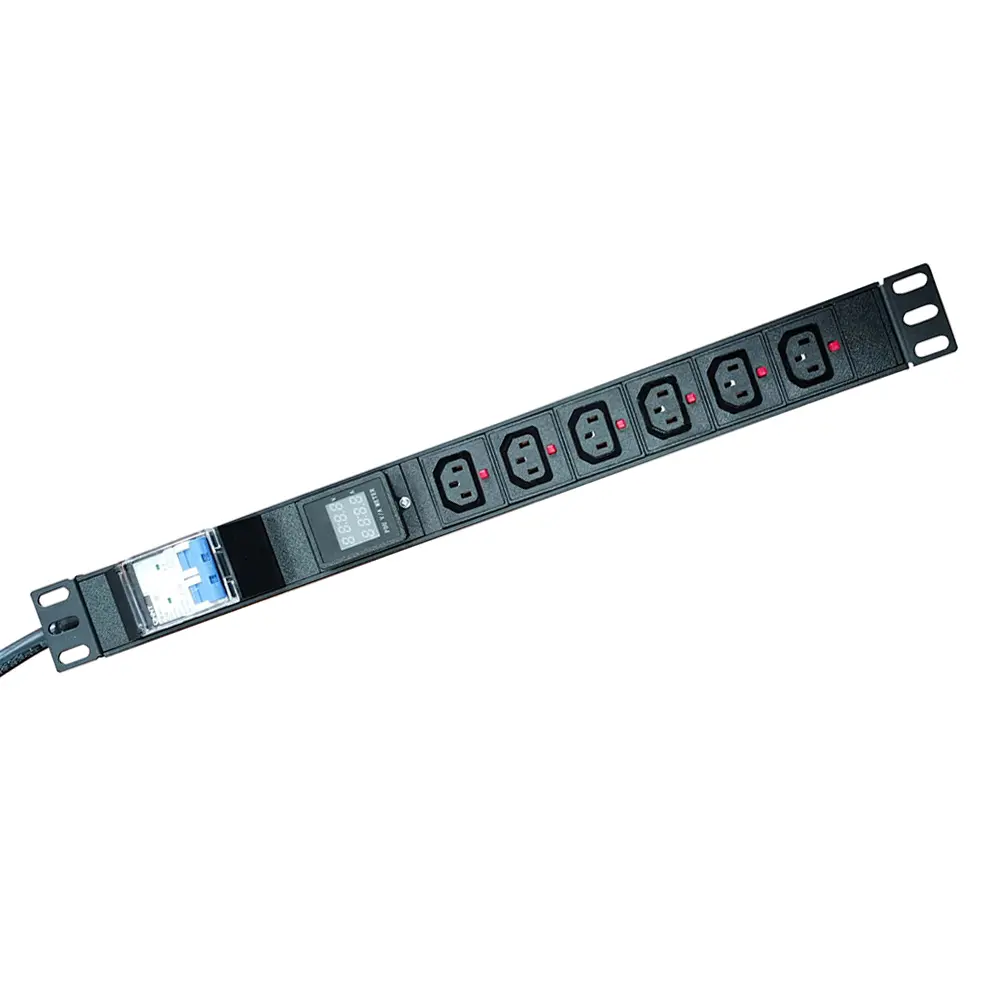
Consider these factors when selecting a PDU:
Basic PDUs provide simple, reliable power distribution for small environments, while metered PDUs offer essential monitoring and management capabilities for data centers and enterprise IT infrastructure. Choosing the right type of PDU will help you improve energy efficiency, reduce downtime and plan for future growth.
Whether for residential or commercial use, YOSUN is a trusted PDU supplier of high-quality, high-reliability PDUs. With over 20 years of manufacturing experience and ISO9001 certification, we offer a full range of basic, metering, and switching PDUs, and can also customize to meet your specific needs. Contact us today to discuss your power distribution requirements.
A PDU (Power Distribution Unit) is a device that distributes electric power to multiple connected devices, such as servers, switches and routers in a server rack.
Metered PDUs show exactly how much power each device is using. This allows IT teams to identify and turn off unused equipment, reducing energy waste by up to 30%.
Yes, most basic PDUs include a built-in circuit breaker that trips if the total load exceeds the rated capacity. However, they do not provide proactive alerts before an overload occurs.
A metered PDU only monitors power usage. A switched PDU adds the ability to remotely turn individual outlets on and off, providing additional control and energy savings.
For data centers and high-density environments, yes. The energy savings and reduced downtime typically offset the higher initial cost within 1-2 years. For small offices, a basic PDU is usually sufficient.