Network PDU Myths Never Trust These Common Beliefs
Avoid costly mistakes by learning the truth about network PDU myths. Find out which features matter for reliability, efficiency, and uptime.


+86 15867381241
One minute of unplanned data center downtime costs over $100,000. And power system failures are the single biggest cause.
According to the Uptime Institute 2026 Global Data Center Outage Report, 44% of all outages stem from power issues, and 91% of annual unplanned downtime is power-related.
Power Distribution Units (PDUs) are the backbone of reliable data center power. They deliver safe, continuous power to critical equipment, prevent costly downtime, and boost energy efficiency by up to 20%.This guide covers everything you need to know about PDUs: types, key features, and how to select the best one for your facility.
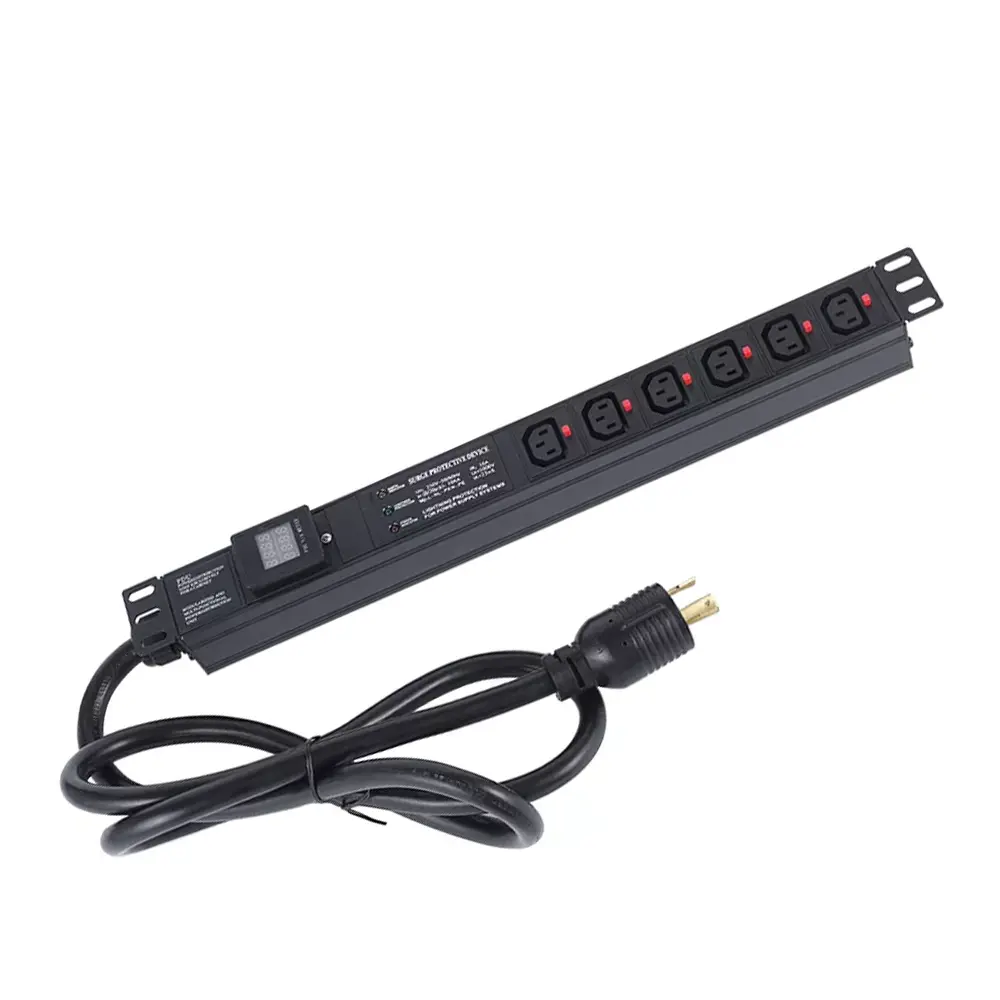
A Power Distribution Unit (PDU) is a heavy-duty electrical device engineered exclusively for 24/7 continuous operation in data centers. Unlike consumer power strips, it safely handles the high electrical loads of servers, switches, and storage systems, with built-in circuit breakers and surge protection that standard strips lack.
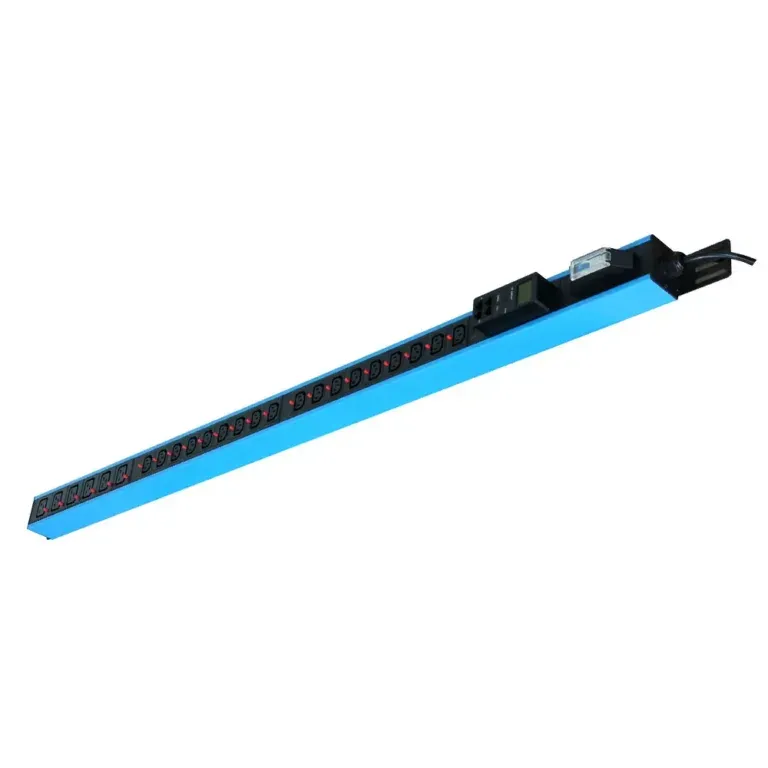
PDUs act as the critical link between the main utility supply and individual IT equipment, typically mounted vertically or horizontally in server racks. They deliver four essential capabilities:
| Core Function | Description |
|---|---|
| Basic Power Distribution | Organized, reliable power delivery to all devices in a rack |
| Power Conditioning & Conversion | Cleans unstable power and converts it to the correct voltage/phase for sensitive equipment |
| Load Management | Balances electrical loads to prevent overloads and isolate faults |
| Advanced Monitoring & Control | Real-time power usage tracking and remote outlet control for proactive maintenance |
Even one minute of unplanned downtime costs data centers over $100,000, and 44% of all outages stem from power system failures. High-quality PDUs:
Advanced models add environmental monitoring for temperature and humidity, further reducing overheating risks and optimizing cooling efficiency.
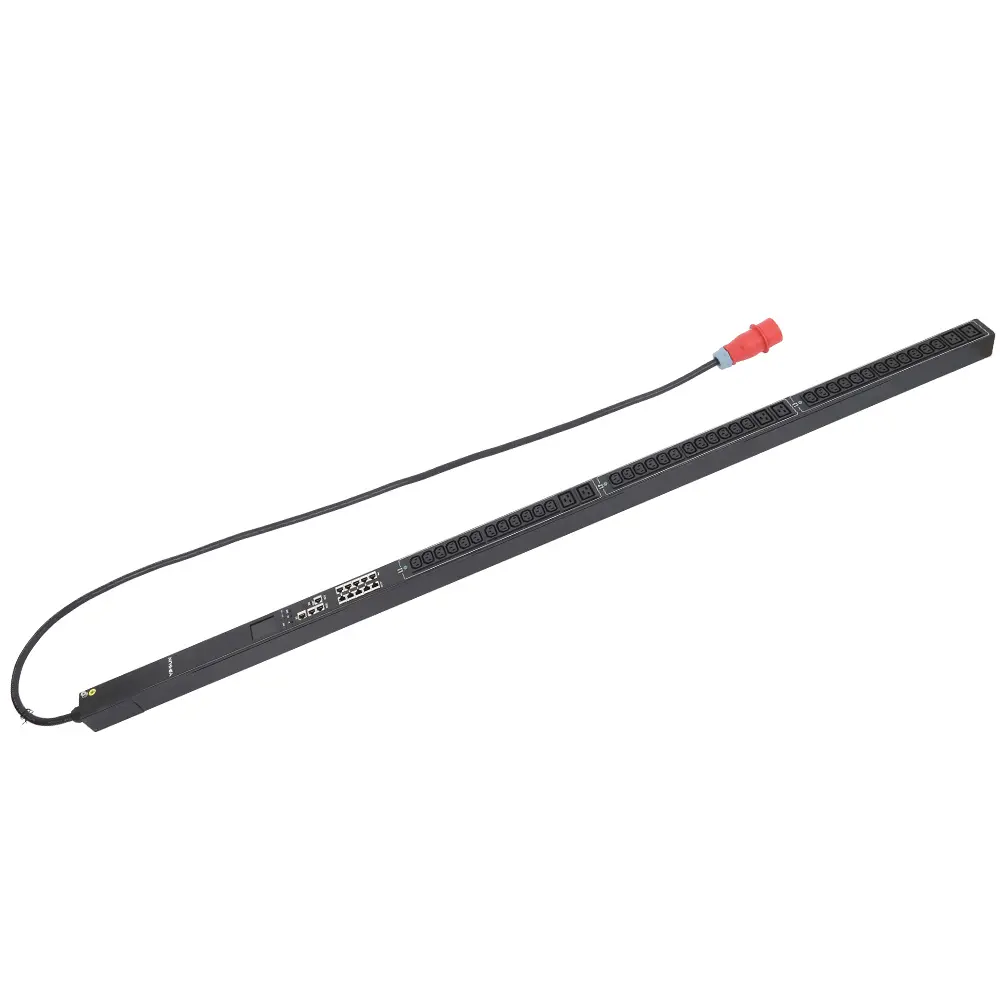
Data centers select PDUs based on their scale, operational requirements, and budget. Each type represents a clear upgrade in capabilities, with distinct use cases:
| Type of PDU | Core Capability |
|---|---|
| Basic PDU | Simple power distribution only |
| Metered PDU | + Real-time power usage monitoring |
| Switched PDU | + Remote individual outlet control |
| Intelligent Rack PDU (rPDU) | + Full automation and environmental sensing |
Core upgrade level: Entry-level, no smart features
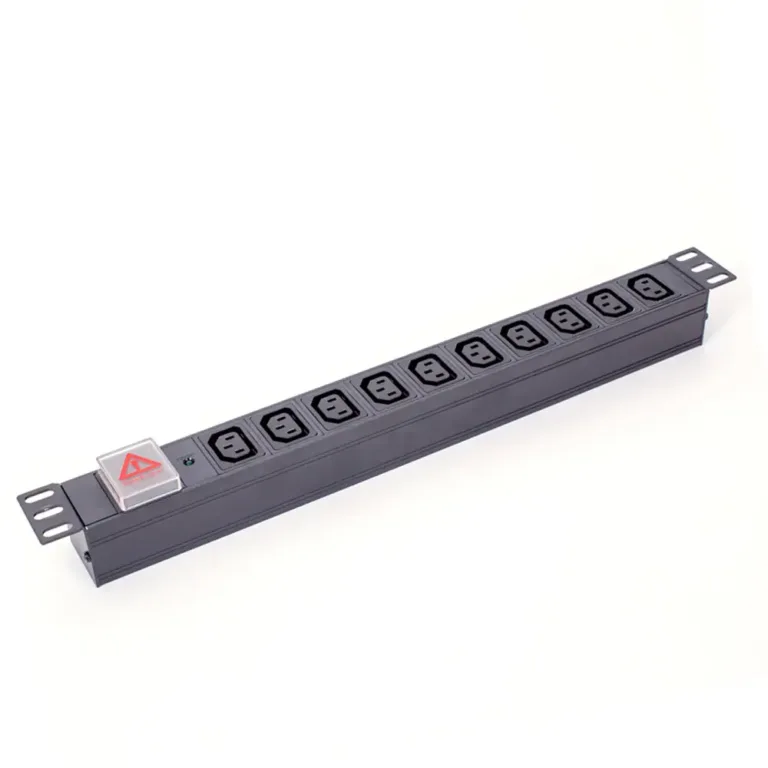
The most affordable and reliable option for uncomplicated power delivery. They provide no monitoring or control capabilities, only a safe way to split a single power source into multiple outlets for rack equipment.
Typical use cases:
Most basic PDUs meet international safety standards including UL, CE, and RoHS. YOSUN offers standard rack-mount models for straightforward setups.
Core upgrade from Basic: Visibility into power usage
Adds a built-in digital display that shows total unit power consumption, voltage, and current in real time. This is the most popular entry-level smart PDU for growing data centers.
| Feature | Basic PDUs | Metered PDUs |
|---|---|---|
| Power consumption data | None | Total unit, voltage, current |
| Monitoring | None | Local + optional remote |
| Threshold alarms | None | Configurable |
This visibility allows IT teams to identify overloaded circuits before they cause outages and optimize rack capacity. According to Gartner 2026, metered PDUs can improve overall data center energy efficiency by up to 20% by identifying underutilized equipment. Most commercial models, including those from YOSUN, support both AC and DC power configurations.
Core upgrade from Metered: Remote control capability
Builds on all metered PDU features with the ability to turn individual outlets on or off from any location. This eliminates the need for on-site visits to reboot servers or power cycle unresponsive equipment.
Additional benefits:
This capability reduces average issue response times by up to 40% and is essential for medium to large data centers with distributed teams.
Core upgrade from Switched: Full automation and analytics
The most advanced option for modern high-density data centers.
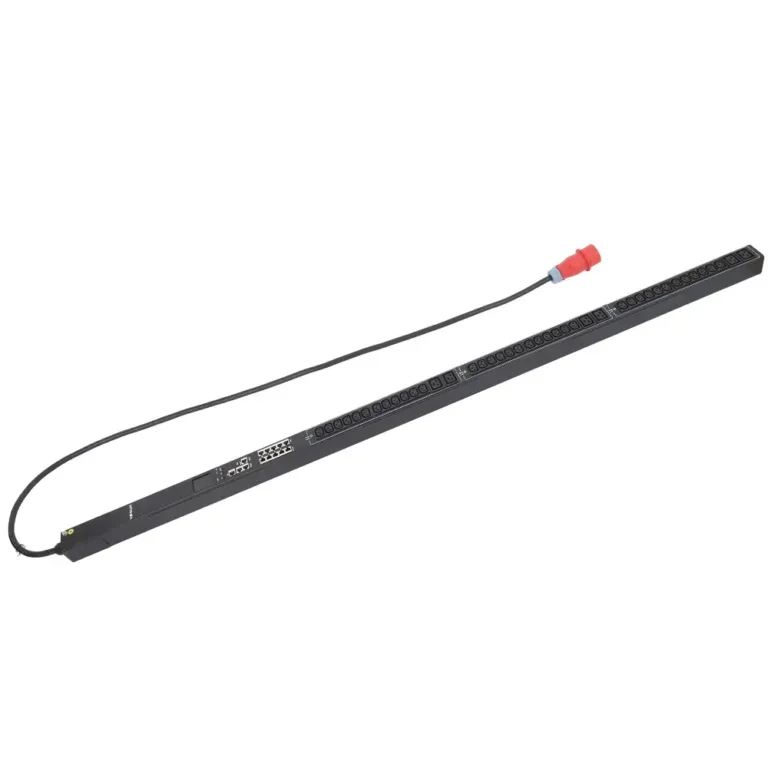
Note: rPDU specifically refers to intelligent rack PDUs, not all rack-mounted PDUs. They combine all metered and switched features with enterprise-grade automation:
These capabilities allow data centers to proactively manage power infrastructure rather than react to issues. YOSUN’s rPDU line includes built-in firewalls and role-based access control for enhanced security.
Power monitoring provides granular visibility into electrical usage at the unit, circuit, and individual outlet levels. Unlike basic power meters, modern PDU monitoring systems track not just total power draw, but also voltage fluctuations, current imbalances, and power factor.
This data enables data center operators to:
Remote management transforms PDUs from passive power distributors into active infrastructure management tools. Authorized personnel can access and control PDUs through a web interface or API, eliminating the need for physical access to server racks.
Key remote capabilities include:
Load balancing automatically distributes electrical demand evenly across circuits and phases to prevent overloading. This is particularly critical in high-density data centers, where uneven power distribution can lead to hotspots, premature equipment failure, and safety hazards.
| Aspect | Explanation |
|---|---|
| Efficient Capacity Utilization | Maximizes the usable capacity of existing electrical infrastructure |
| Risk Reduction | Eliminates circuit overloads and prevents cascading power failures |
| Operational Stability | Ensures consistent power delivery to all critical IT equipment |
All PDUs include built-in safety features to protect both equipment and personnel. These features are designed to comply with international electrical safety standards and prevent common electrical hazards.
Core safety features include:
Advanced PDUs also include cybersecurity features such as encrypted communications and role-based access control to protect against unauthorized access. All YOSUN PDUs are certified to UL, CE, RoHS, and ISO 9001 standards.
Every data center must know how much power it needs. Teams add up the power used by all equipment. This includes servers, switches, and storage devices. To find total power, multiply amps by volts for each device. Pick a PDU with a rating higher than your total power. This helps stop overloads and keeps things running. Metered units show real-time data to track power use.
Centers should plan for more power than they need now. This lets them grow later as technology changes.
Picking the right features helps now and in the future. High-density centers often need modular designs to change easily. DCIM systems help teams watch data from one place. Power monitoring, remote control, and sensors help balance loads and stop overheating. rPDU models give real-time data, control outlets, and send alerts for risks. These features make the unit more useful for any center.
Compatibility means the PDU works with what you have. Teams check amperage, voltage, and phase type. They match plug types and outlets to their equipment. The table below shows what to check:
| Consideration | Details |
|---|---|
| Power Requirements | Check amperage, voltage, and phase type |
| Plug Type | Match with power source (NEMA or IEC-style) |
| Receptacles | Ensure enough outlets for current and future devices |
| Advanced Features | Look for remote monitoring and switching capabilities |
Teams should measure cabinet size and think about mounting options. A good fit helps airflow and makes things easy to reach.
Power systems, including PDUs, cost a lot in a data center. Costs can be $280 to $460 for each square foot. This is about 40% to 45% of all costs. Picking the right unit helps save money and gives steady power.
Power Distribution Units (PDUs) are critical for reliable data center operations, providing organized power delivery, safety protections, and efficient energy management. From basic power distribution to advanced intelligent monitoring and remote control, PDUs ensure stable, safe power supply, supporting data center efficiency and minimizing downtime. Choosing the right PDU type, paired with proper safety and monitoring features, is key to maintaining IT infrastructure stability and meeting operational goals.
A PDU sends power from a main source to many devices. It helps keep servers, switches, and storage running. It also protects equipment from power problems.
A PDU handles more power than a regular power strip. It has safety features and can monitor energy use. Data centers use PDUs for heavy-duty jobs.
Intelligent PDUs help teams watch power use in real time. They send alerts for problems and let staff control outlets from far away. This keeps equipment safe and saves energy.
Yes, YOSUN PDUs support both AC and DC power. They fit many data center needs and work well in high-capacity setups.