How to Use a Network Controlled Power Strip Effectively
Maximize energy savings and device safety with a network-controlled power strip. Learn how to automate, monitor, and manage power usage effectively.


+86 15867381241
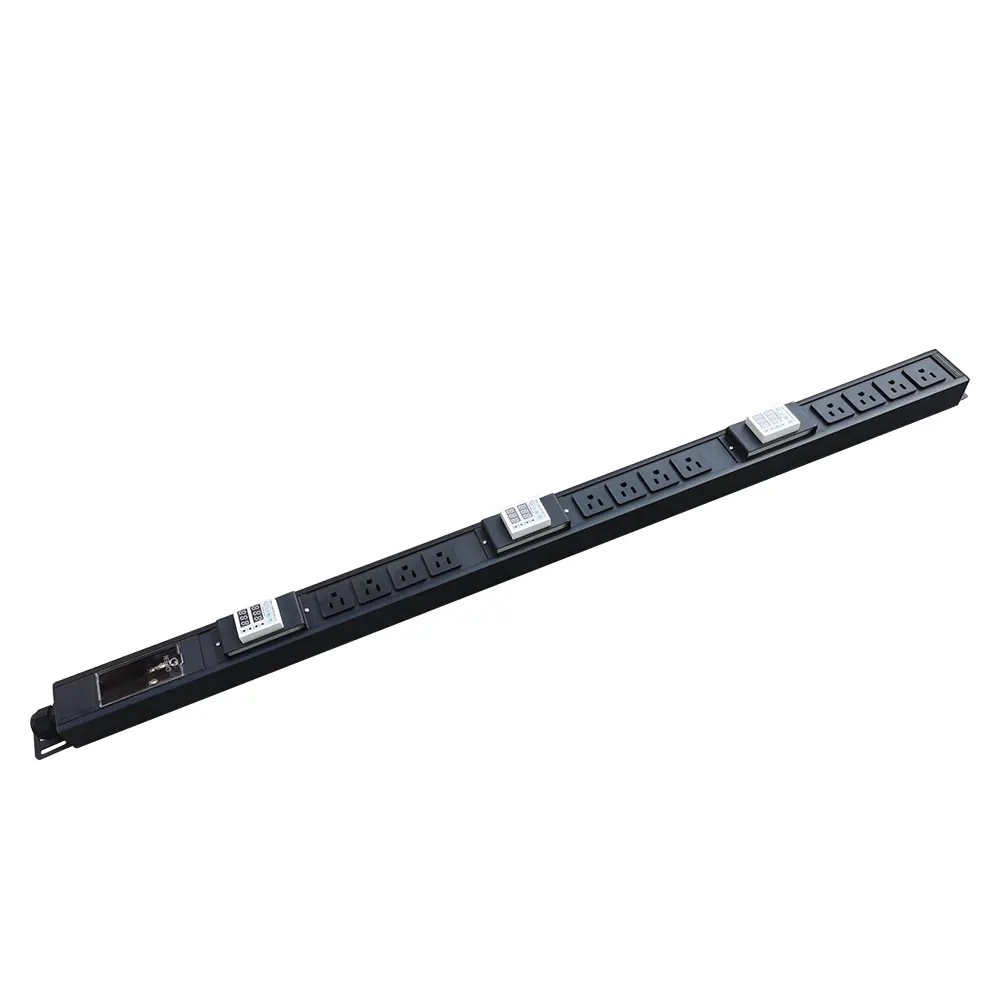
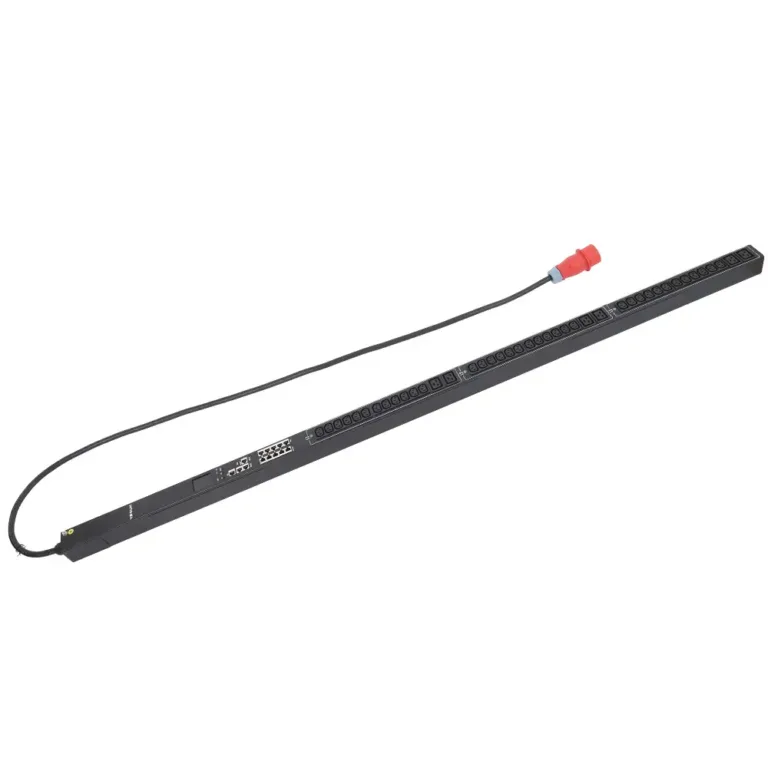
A Power Distribution Unit (PDU) is a rack-mounted device used in data cabinets to distribute power safely and efficiently to multiple servers, network switches, storage systems, and other IT equipment. Beyond simple power distribution, modern PDUs improve equipment protection, power monitoring, and rack management, making them an essential component of data centers and network cabinets. YOSUN provides a complete range of basic, metered, switched, and intelligent rack PDUs with customizable configurations for applications ranging from small network cabinets to enterprise data centers.
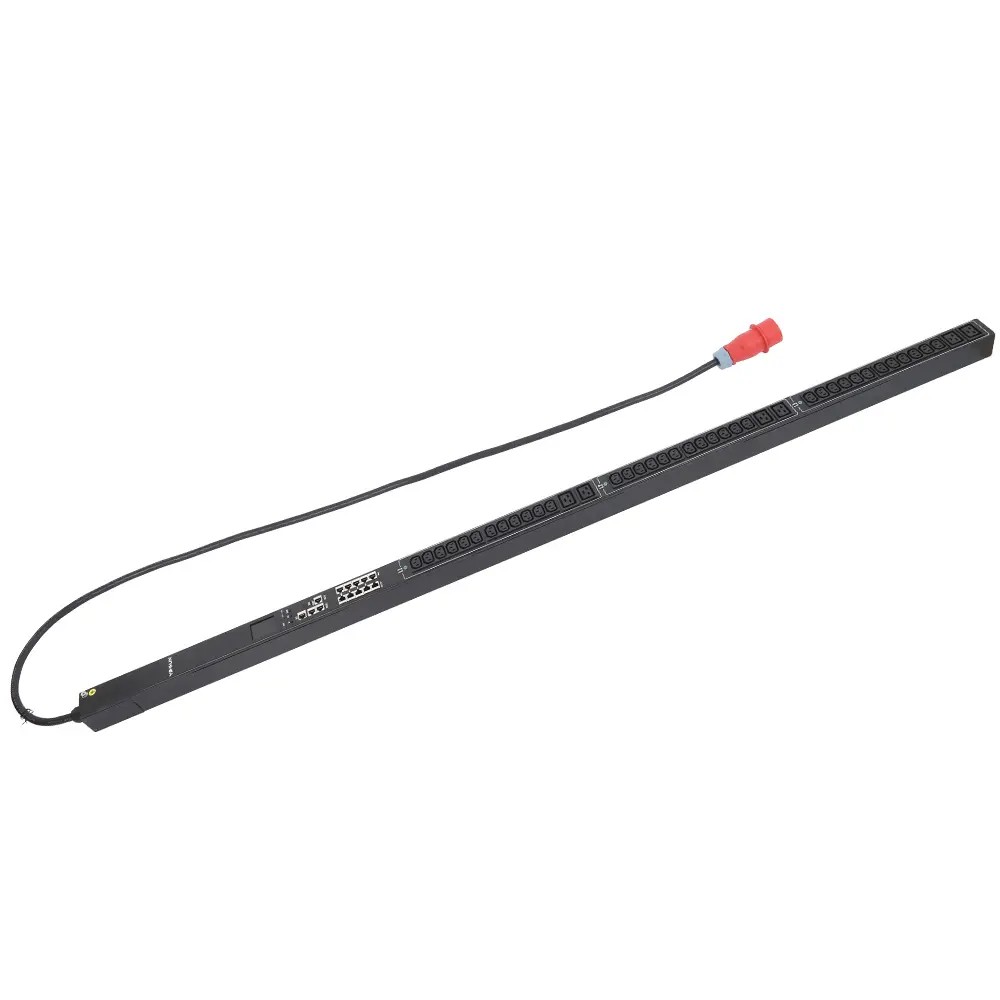
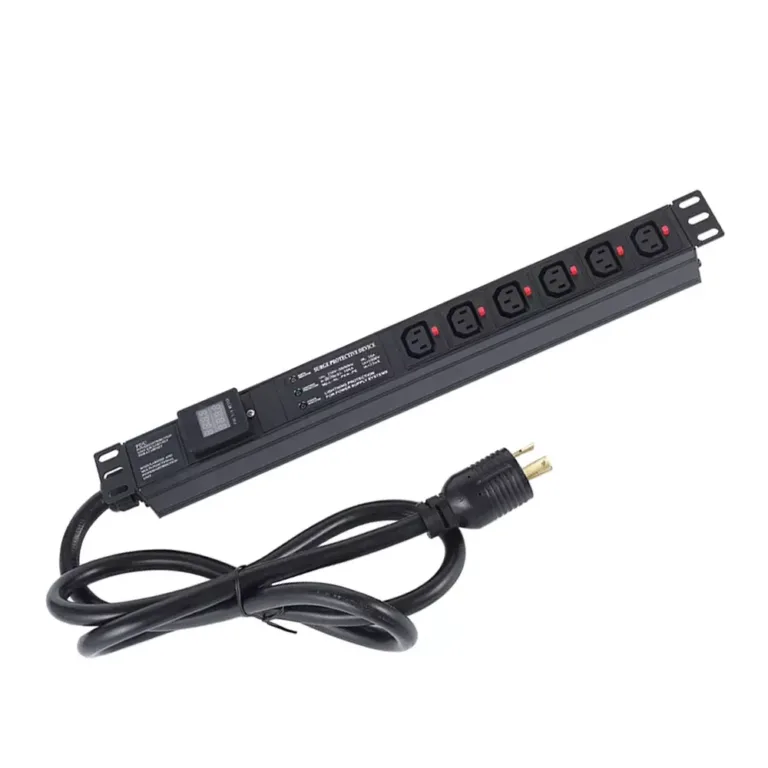
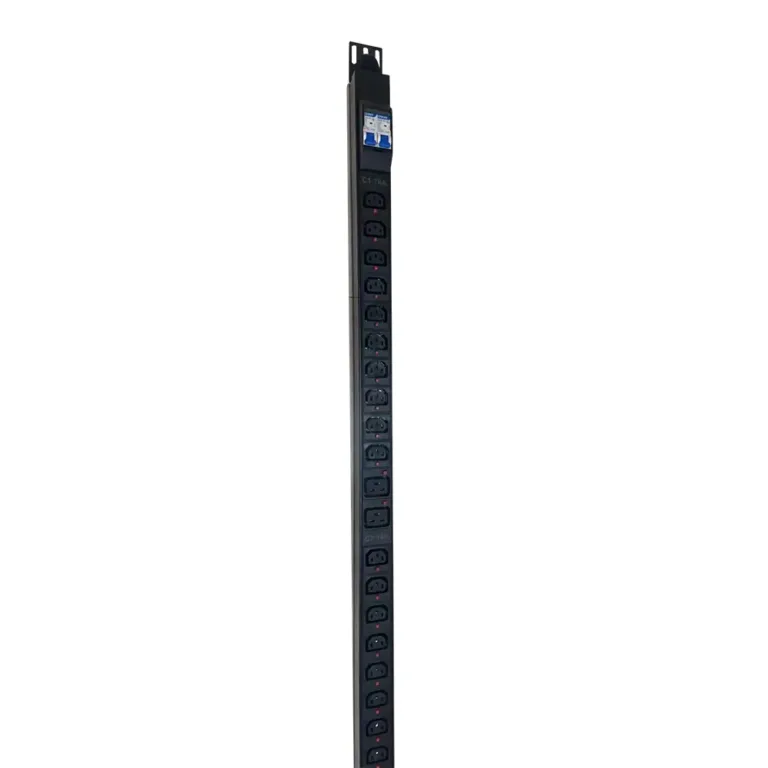
A data cabinet PDU serves as the central power distribution point within the rack. It receives power from the utility supply or an upstream UPS and distributes it through multiple outlets to servers, storage systems, network switches, and other rack-mounted equipment. Rack PDUs are available in vertical (0U) and horizontal (1U/2U) form factors, as well as AC and DC configurations, to suit different cabinet layouts and power infrastructures.
PDUs help protect connected equipment from electrical faults and overloads. Standard models include built-in circuit breakers that automatically disconnect power when the rated current is exceeded. Intelligent PDUs provide real-time monitoring of voltage, current, and power usage, while some models generate alerts for abnormal conditions such as overvoltage or undervoltage. When used with a UPS, a PDU also helps maintain continuous power during utility outages. Premium models may additionally include surge protection to minimize damage from voltage spikes.
Beyond power distribution, intelligent PDUs improve operational efficiency through advanced management features:
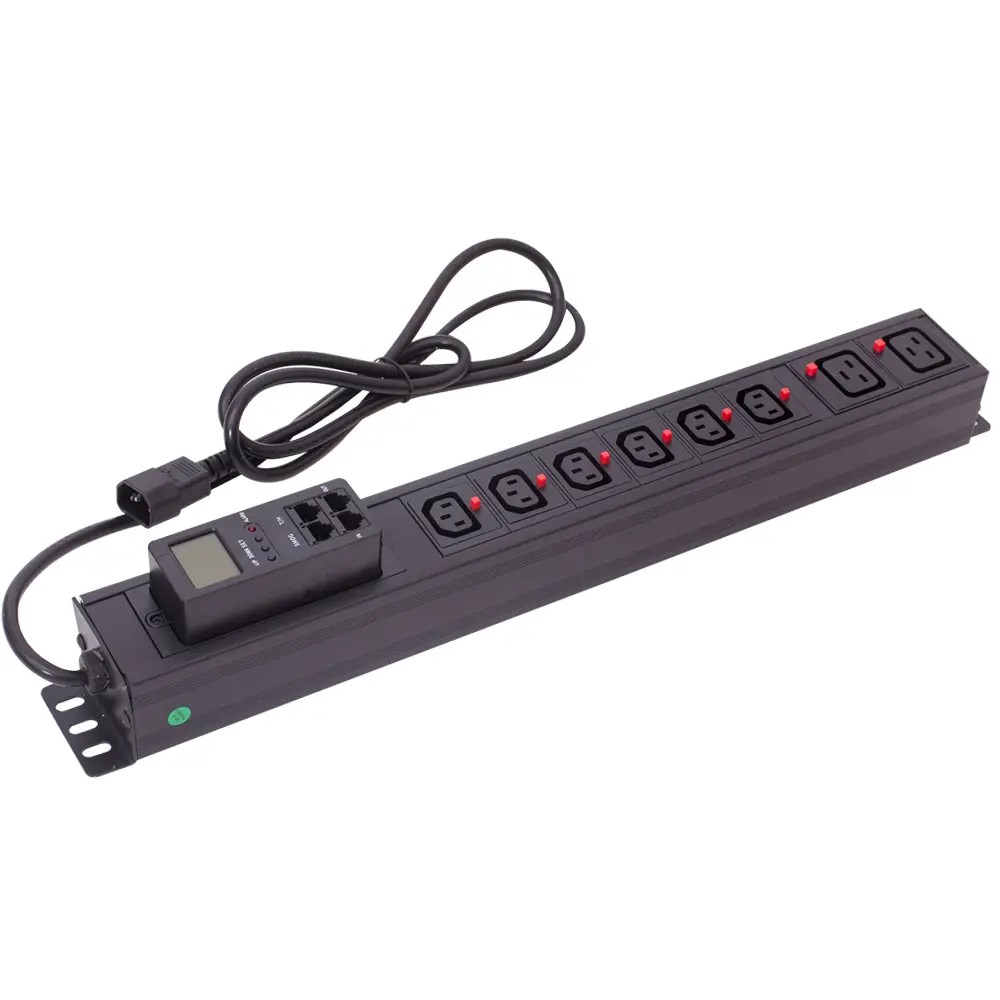
Power interruptions are one of the leading causes of server and network outages. A data cabinet PDU helps improve system reliability by providing stable and organized power distribution to all connected equipment. Standard PDUs include built-in overload protection to prevent circuit trips caused by excessive current, while dual-input models support redundant power sources to eliminate single points of failure.
Intelligent PDUs further enhance uptime by monitoring voltage, current, and environmental conditions in real time. They can send alerts when abnormal power loads or temperature changes are detected, allowing IT teams to address issues before they result in equipment downtime.
Without a dedicated PDU, multiple power strips and adapters can create cable clutter, complicate maintenance, and increase the risk of accidental disconnections. A rack-mounted PDU centralizes power distribution, making cable routing cleaner and simplifying troubleshooting.
For larger server rooms and remote deployments, metered and switched PDUs allow administrators to monitor power usage and reboot connected equipment remotely, reducing on-site maintenance and improving operational efficiency.
Metered and intelligent PDUs provide real-time visibility into rack-level or outlet-level power consumption. This enables IT managers to identify idle equipment, balance electrical loads, and optimize overall energy usage.
By monitoring power trends and eliminating unnecessary energy consumption, intelligent PDUs help reduce operating costs while supporting more efficient capacity planning.
Begin by calculating the total power consumption of all equipment in the cabinet. To allow for future expansion and maintain safe operation, select a PDU with at least 20% spare capacity. For continuous operation, many PDU manufacturers also recommend keeping the electrical load below 80% of the PDU’s rated capacity.
Next, verify that the PDU’s voltage, current rating, and plug type match your facility’s power infrastructure. Choose the correct number and type of outlets, such as IEC C13 or C19, based on the equipment being installed. Locking outlets are recommended for critical applications to prevent accidental cable disconnection.
Different environments require different levels of functionality.
When selecting a PDU, also verify that it complies with recognized safety standards such as UL, CE, or other certifications required in your region.
Choose between vertical (0U) and horizontal (1U/2U) installation based on your cabinet size and cable management requirements. Vertical PDUs maximize rack space, while horizontal models are often preferred for smaller cabinets or specific layouts.
It’s also advisable to select a PDU with additional outlets and capacity to accommodate future equipment upgrades, helping avoid unnecessary replacement as your infrastructure grows.
Its core purpose is to distribute regulated electrical power to all devices inside the cabinet, while providing circuit protection and optional monitoring features to keep equipment operating safely and reliably.
Smart PDUs provide real-time power consumption visibility, remote outlet control and automatic fault alerts. They reduce on-site maintenance work, speed up issue resolution and support more efficient energy management.
Yes. All standard PDUs include built-in overload circuit protection to stop excess current from damaging connected hardware. Higher-grade models add surge suppression and early warning alerts for added protection.
YOSUN provides four main categories: basic, metered, smart switched and heavy-duty PDUs. Fully custom configurations for outlet layout, plug type and smart features are also available for specialized project requirements.