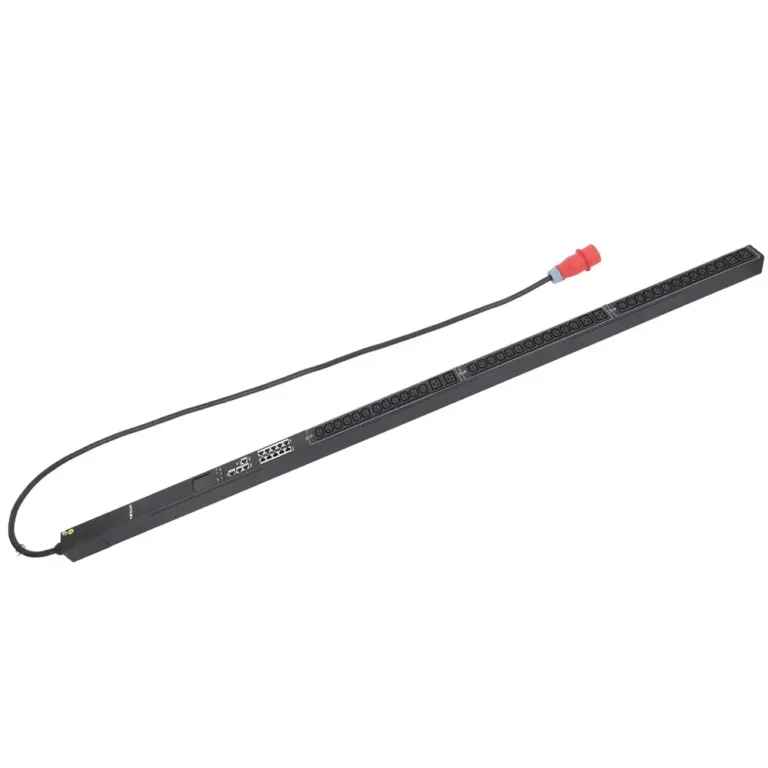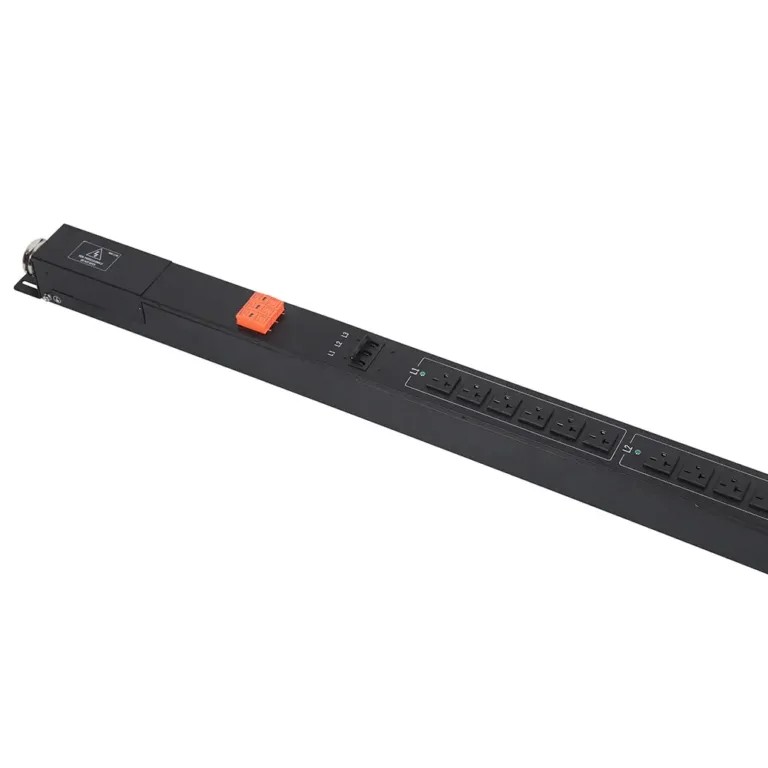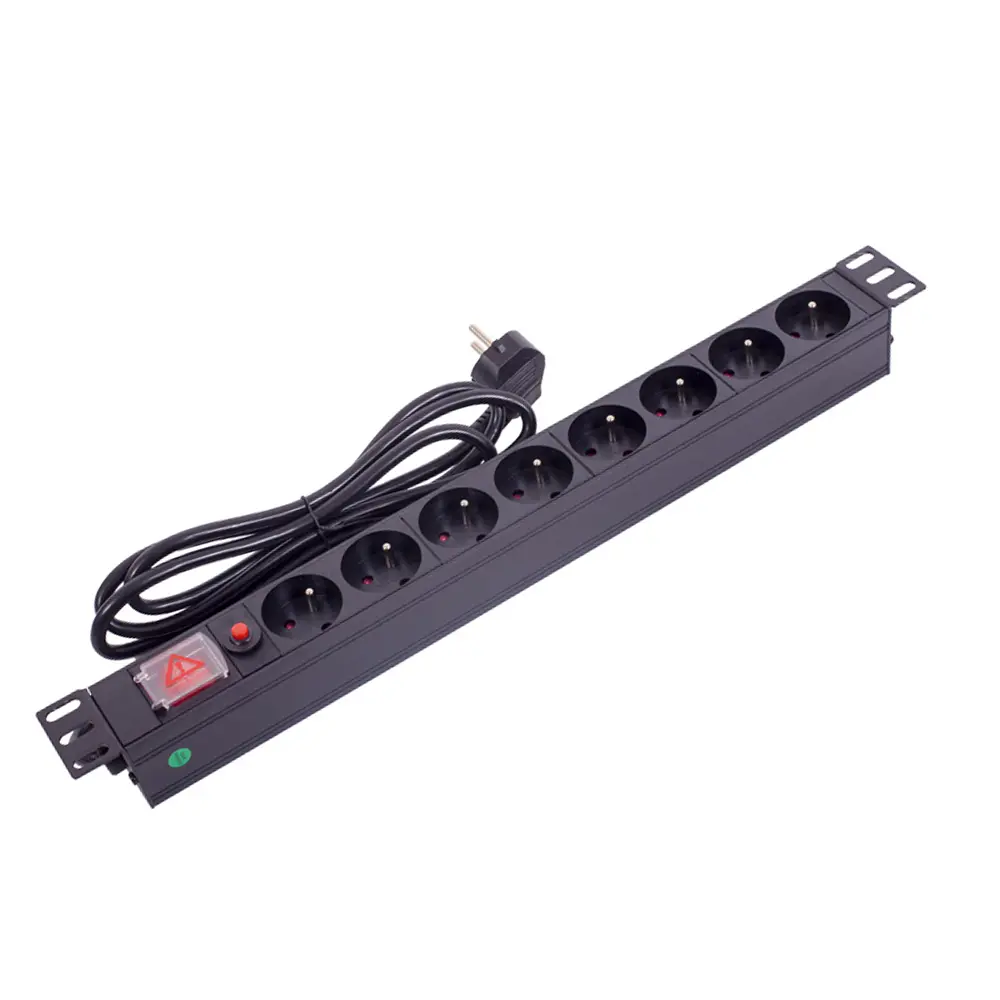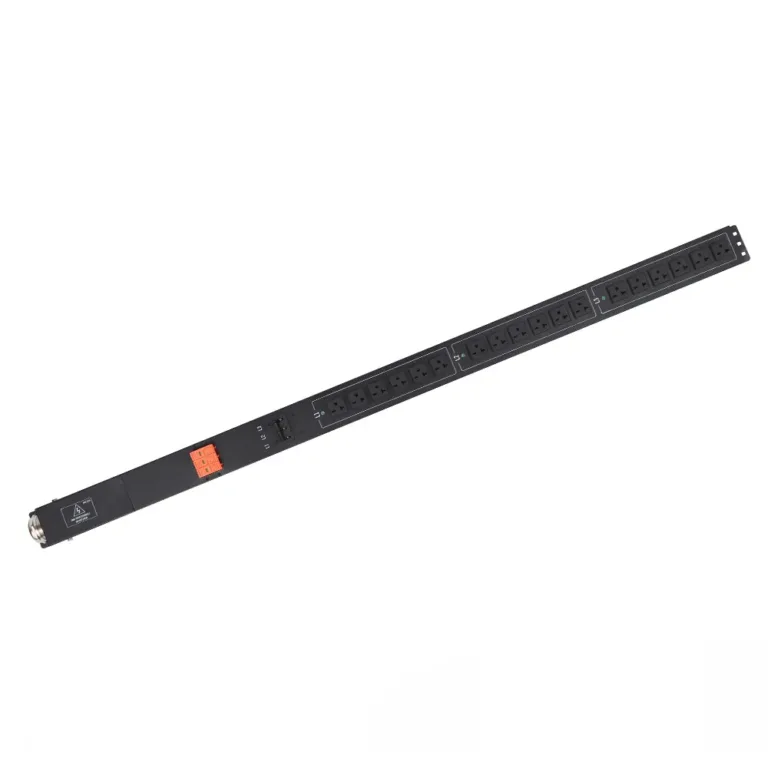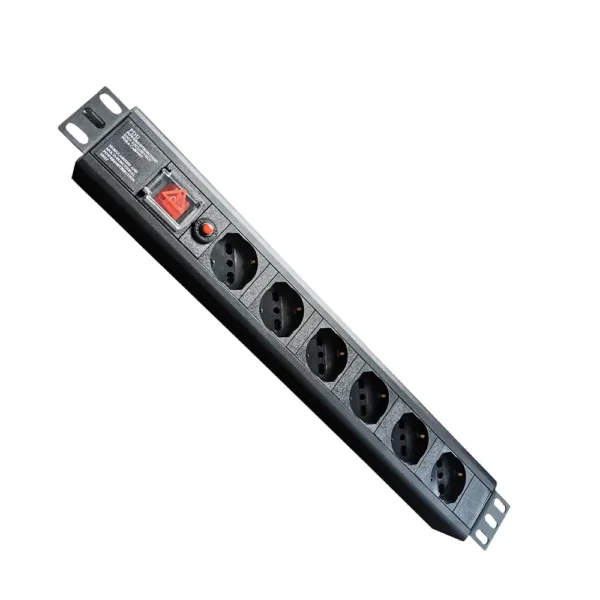
What is the difference between C13 and C19 PDU?
C13 and C19 PDUs differ significantly in power capacity, physical design, and application scenarios. C13 connectors power medium-power IT equipment such as standard servers and...


+86 15867381241
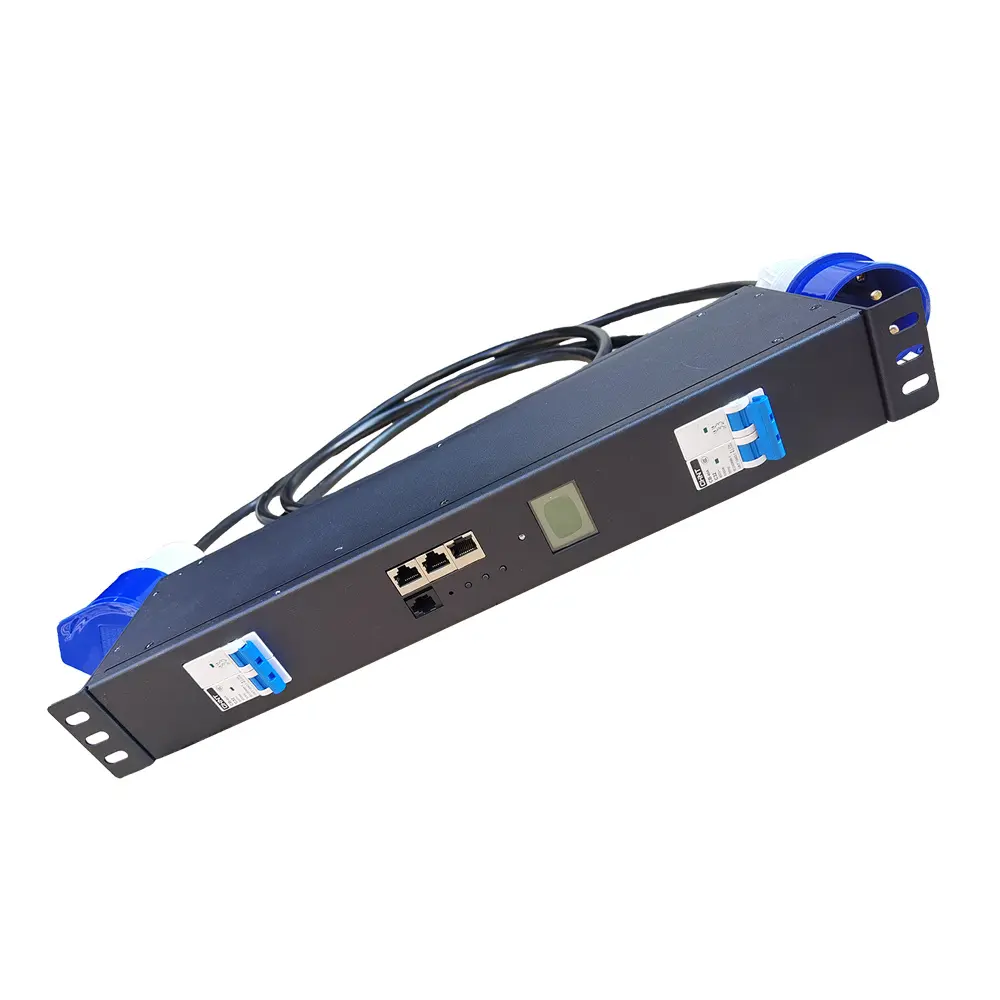
An intelligent PDU (Power Distribution Unit) is an advanced device used to distribute, monitor, and manage electrical power in data centers, server rooms, telecommunications facilities, and other critical IT environments.
Unlike basic PDUs that only deliver power to connected equipment, intelligent PDUs provide real-time visibility into power usage and allow remote control of individual outlets. These capabilities help organizations improve energy efficiency by 15-20%, reduce operational costs, and minimize unplanned downtime by up to 90%.
As data centers continue to grow in complexity and power demand, intelligent PDUs have become an essential component of modern infrastructure. The global intelligent PDU market is expected to exceed $2 billion by 2027, growing at a compound annual growth rate (CAGR) of over 12% (Grand View Research, 2026 forecast), highlighting their increasing importance in energy optimization and operational efficiency.
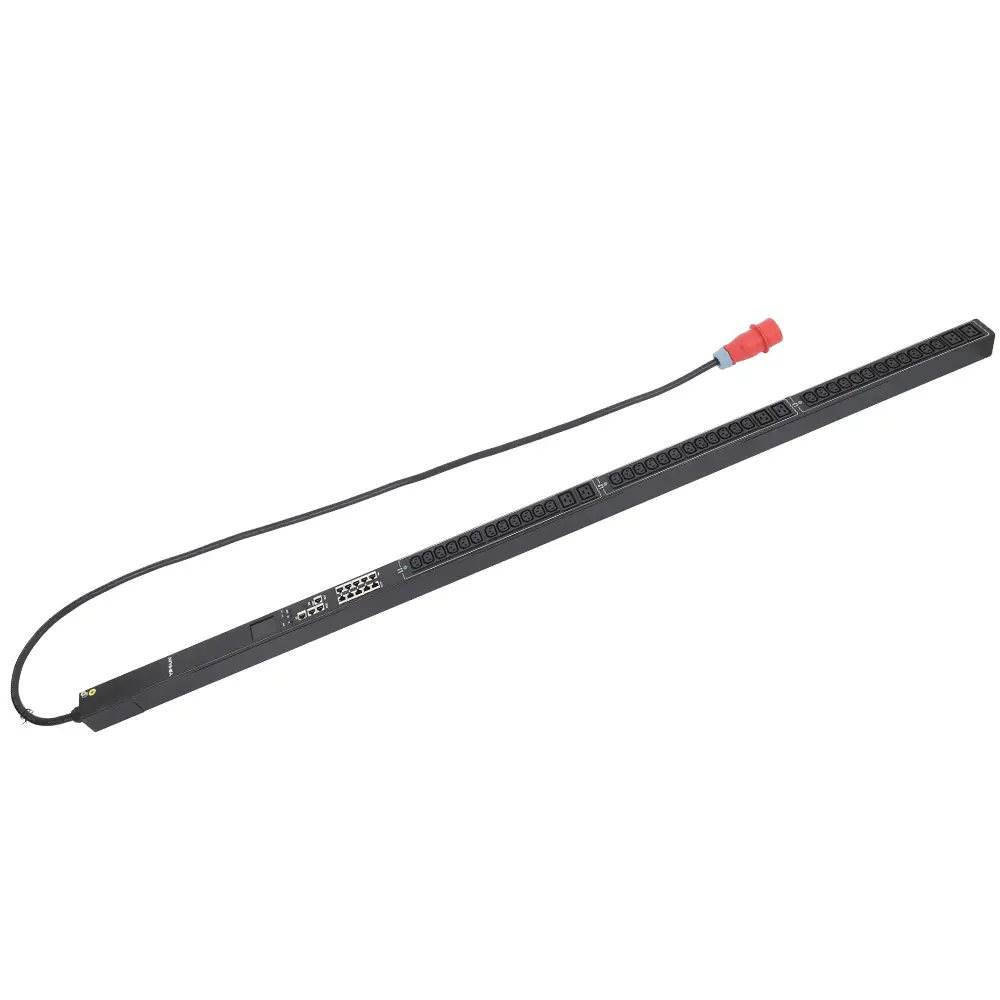
Intelligent PDUs are categorized by their core functionality, with each type designed to meet specific power management needs. The table below summarizes their key differences:
| Type | Core Capability | Best For | Cost Level |
|---|---|---|---|
| Monitored PDU | Real-time inlet power metering only | Budget-friendly deployments needing basic visibility | Low |
| Switched PDU | Inlet metering + individual outlet remote control | Server rooms requiring remote reboot and power scheduling | Medium |
| Metered Outlet PDU | Per-outlet power metering + full remote control | Enterprise data centers needing load balancing and cost allocation | High |
| Custom PDU | Tailored voltage, outlets, and sensor integration | Specialized industrial, edge computing, or telecom deployments | Custom |
Monitored PDUs provide real-time data on total power consumption, including voltage, current, and energy usage at the inlet level. They are ideal for small server rooms and remote offices that require power usage reporting without the need for remote switching capabilities.
Switched PDUs build on monitored functionality by adding remote control of individual outlets. IT teams can reboot unresponsive equipment, schedule power cycles for maintenance, and turn off unused devices without physical access, drastically reducing downtime and eliminating costly on-site technician visits.
These advanced PDUs measure power consumption at both the main input and every individual outlet. This granular insight enables precise load balancing to prevent overloads, accurate departmental cost allocation, and identification of energy-wasting idle equipment.
Custom intelligent PDUs are engineered to meet unique deployment requirements, such as non-standard voltage levels, specialized outlet configurations, or integrated environmental monitoring. YOSUN offers fully customized solutions for complex industrial, edge computing, and hyperscale data center environments.
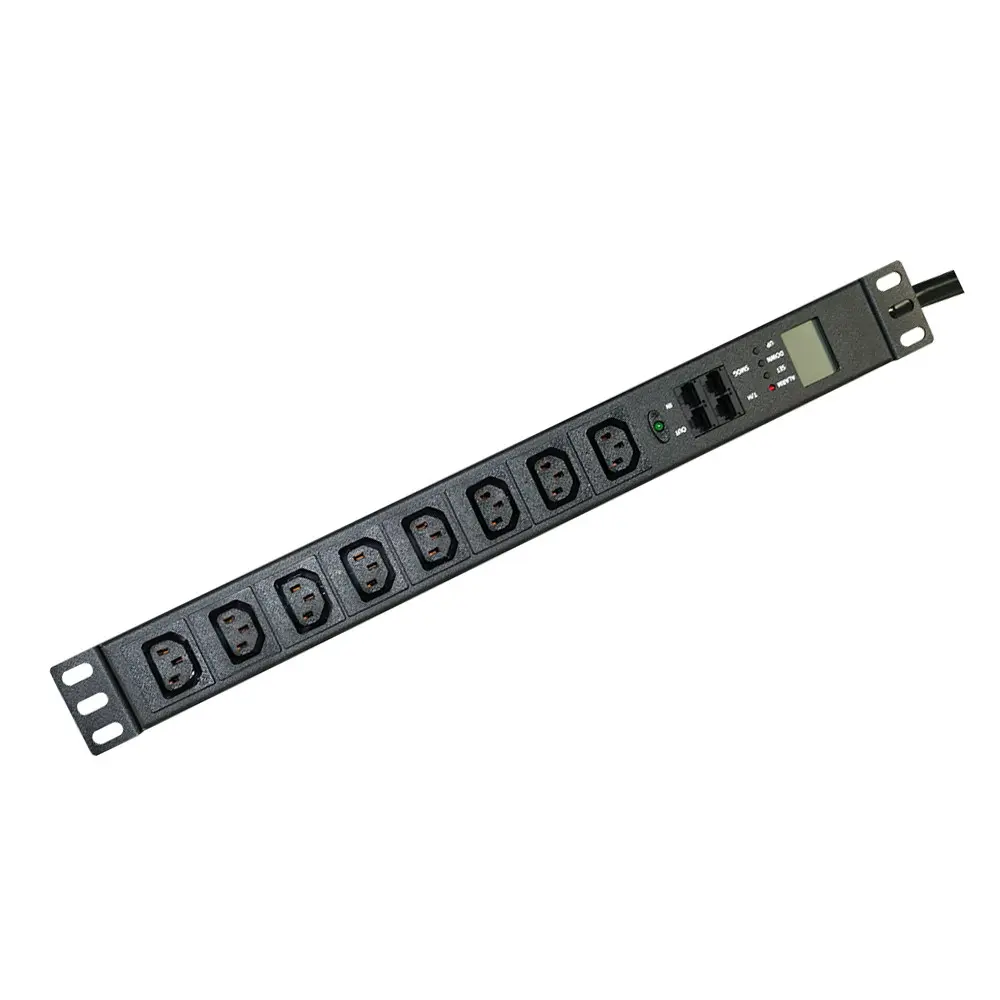
Intelligent PDUs offer a range of advanced features that transform passive power distribution into an active management tool:
Real-time monitoring allows managers to immediately understand electricity usage. Smart power distribution units (PDUs) detect parameters such as voltage, current, and power factor. This helps managers identify and resolve problems early. Equipment failures can result in significant losses every minute. Predictive monitoring can help managers detect and resolve problems weeks before they escalate. Real-time monitoring also displays electricity usage, thus helping to save energy.
Early problem detection ensures normal equipment operation and customer satisfaction.
Remote management allows staff to control equipment without being physically present on-site. Intelligent power distribution units (PDUs) utilize technologies such as Ethernet and voice for remote power control. Automatic alarm functions quickly update equipment operating status and issue fault warnings. Management software helps staff better view and control all equipment.
Security and access control ensure PDUs and data centers are protected from unauthorized access. Smart PDUs come equipped with robust security tools, such as customizable door locks and firewalls. Access control allows only authorized personnel to enter. Multi-level checks ensure that only the correct users can access the system. Role-based access control assigns different tasks to different users, thereby enhancing security.
Environmental sensors in smart PDUs monitor the operation of the data center. These sensors detect temperature, humidity, pressure, and airflow. Managers use this data to prevent equipment from overheating and ensure equipment safety.
Monitoring the environment helps in the more efficient use of energy. Managers can use sensor data to adjust cooling systems, thereby saving energy and costs.
Intelligent PDUs utilize real-time monitoring, remote management, security, and sensors to save energy and help data centers operate better.
Selecting the right intelligent PDU requires careful evaluation of current and future operational needs:
Determine total power demand (10A/16A/32A single-phase or 3-phase), required outlet types (IEC C13/C19, NEMA 5-15/5-20), and number of outlets. Always select a PDU with 20-30% spare capacity to accommodate future expansion.
Choose units with redundant power inputs for mission-critical applications. Scalable designs allow daisy-chaining multiple PDUs and seamless integration with additional sensors as your infrastructure grows.
Ensure the PDU supports standard communication protocols (SNMP, Modbus, HTTP) for seamless integration with your existing data center infrastructure management (DCIM) software. YOSUN provides tailored custom configurations to meet specialized deployment requirements.
Intelligent PDUs have evolved from simple power distribution devices into critical infrastructure management tools that improve energy efficiency, reduce downtime, and streamline IT operations. With real-time monitoring, remote control, and integrated environmental sensing capabilities, they address the growing power management challenges of modern data centers and IT environments.
As a trusted global provider of industrial power solutions, YOSUN delivers reliable, scalable intelligent PDUs designed to meet the most demanding operational requirements. Our certified solutions combine advanced functionality, robust security, and comprehensive support to help organizations optimize their power infrastructure and achieve their sustainability goals.
A basic PDU only distributes electrical power to connected devices. An intelligent PDU adds real-time power monitoring, remote outlet control, data analytics, and alerting capabilities, enabling proactive power management and reducing downtime.
Yes. By providing granular power usage data, intelligent PDUs help identify idle equipment and energy inefficiencies. Remote control capabilities allow administrators to turn off unused devices, reducing overall energy consumption by 15-20% in typical deployments.
They are widely used in data centers, server rooms, telecommunications facilities, edge computing sites, industrial control rooms, and broadcast studios—any environment where reliable power management is critical.
Environmental sensors monitor temperature, humidity, and airflow around equipment racks. They alert administrators to conditions that could cause overheating, allowing corrective action before equipment failure occurs.
With proper maintenance and regular firmware updates, a high-quality industrial-grade intelligent PDU can last 10-15 years, making it a cost-effective long-term investment in infrastructure reliability.