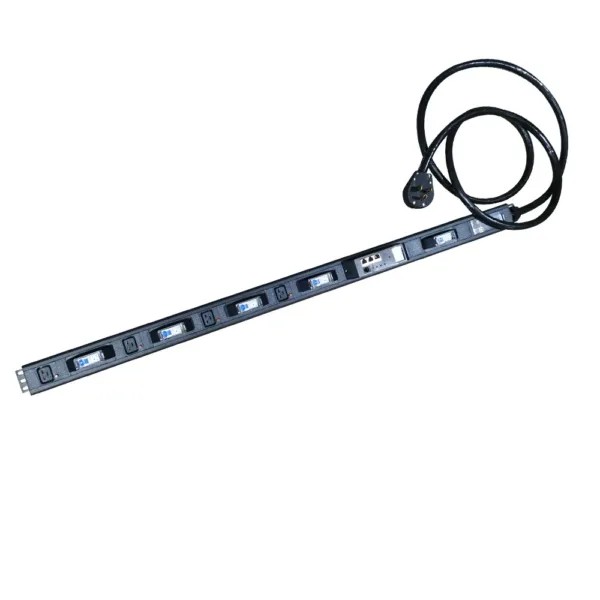
Does your data center need a smart PDU?
Whether your data center needs a smart (intelligent) PDU depends on your rack density, uptime requirements, operational model, and energy compliance goals. For small, low-density...


+86 15867381241
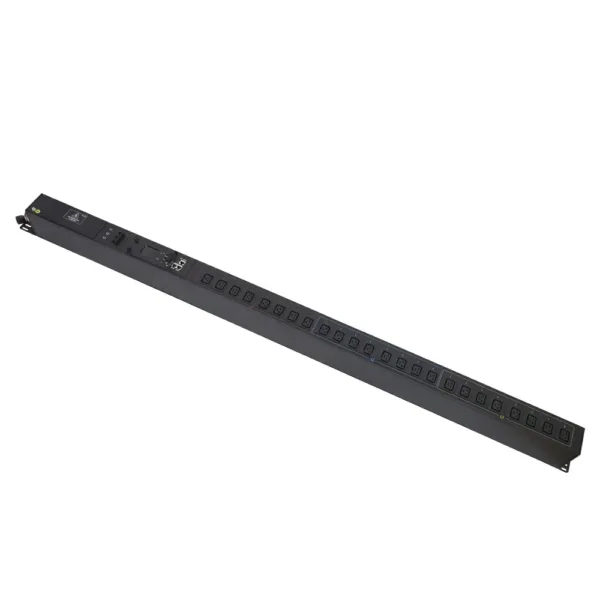
A Power Distribution Unit (PDU) is the unsung backbone of every modern data center, server room, and industrial facility. As businesses rely more heavily on digital infrastructure and automated systems, reliable power distribution has become non-negotiable for preventing costly downtime and equipment damage. This comprehensive guide explains exactly what a PDU is, how it works, the different types available, and how to select the right solution for your specific needs.
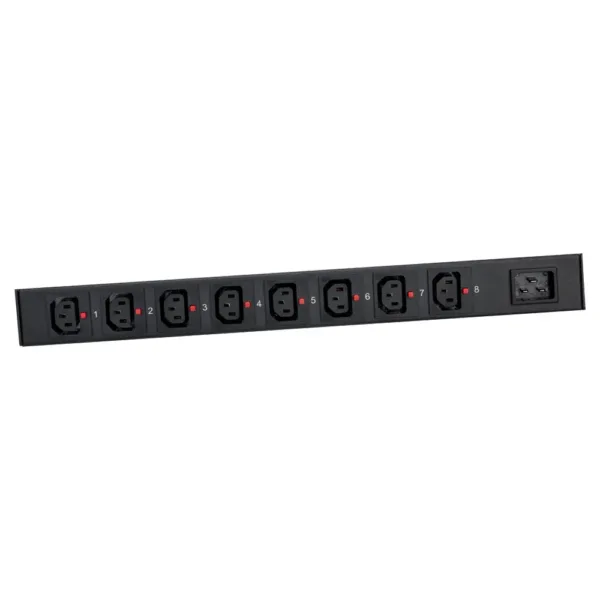
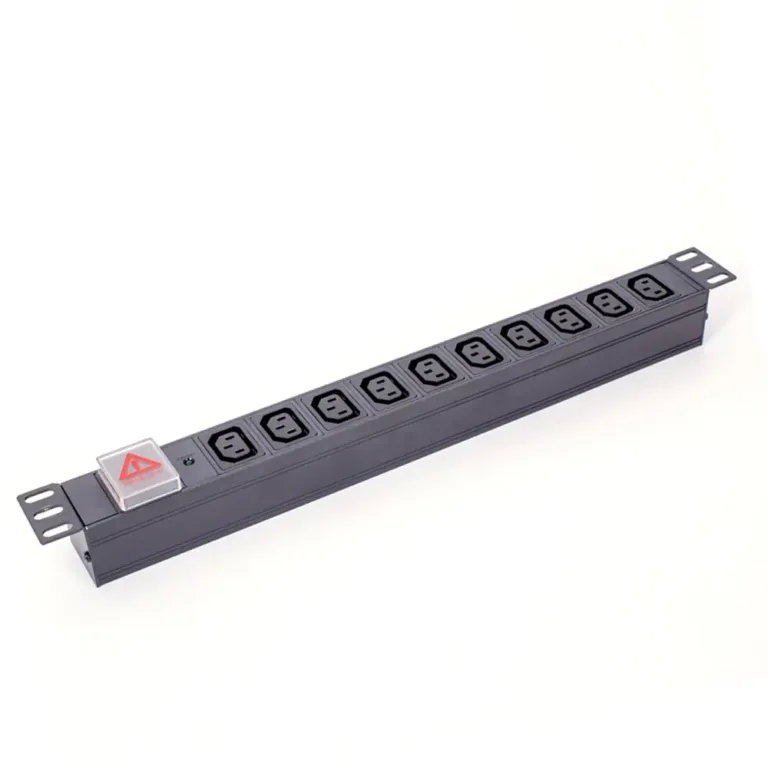
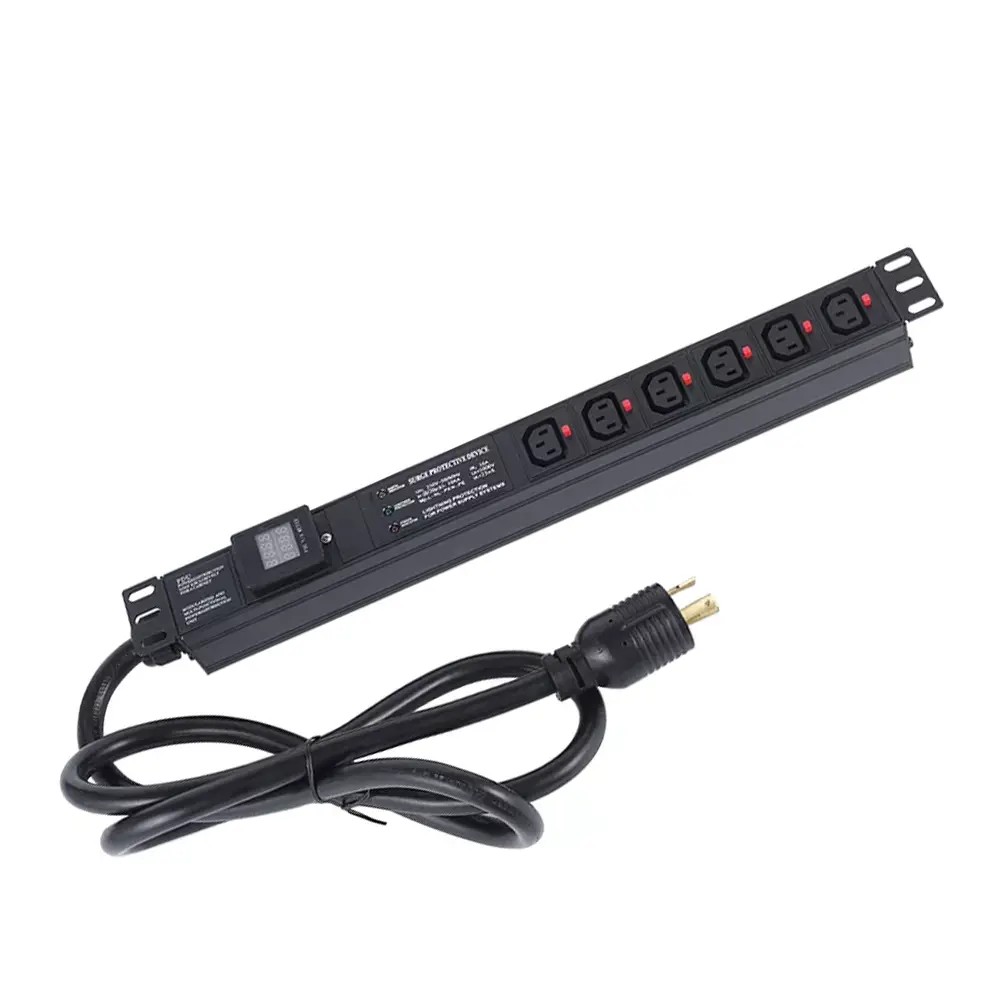
A Power Distribution Unit (PDU) is a centralized electrical hub that distributes conditioned power from a single primary source to multiple connected devices. Unlike basic consumer-grade power strips, PDUs are engineered for high-reliability environments where uninterrupted power is critical.
Core functions of a PDU include power transformation, distribution, protection, and quality management. In data centers, server rooms, and industrial facilities, PDUs ensure servers, network equipment, and machinery receive stable, safe power, preventing unexpected shutdowns and equipment damage.
The table below lists the physical components that enable reliable PDU operation:
| Component | Core Function |
|---|---|
| Main input circuit breaker | Connects utility power and provides primary overcurrent protection |
| Isolation output transformer | Converts voltage to match equipment requirements and provides electrical isolation |
| Local monitoring and control panel | Enables on-site operation, status viewing, and basic configuration |
| Integrated communication module | Transmits data to DCIM and network management systems for remote monitoring |
| Subfeed breakers | Distributes power to individual circuits and provides secondary protection |
| EMI filters | Suppresses electromagnetic interference to protect sensitive electronics |
| GFI (Ground Fault Interrupter) module | Prevents electric shock hazards in industrial and commercial settings |
| Power relays | Controls individual outlet power switching for remote management |
| Individual power outlets | Delivers power to connected devices in standard and custom configurations |
| Optional environmental sensors | Monitors temperature, humidity, airflow, and water leakage around equipment |
PDUs are deployed across industries where power reliability and safety are non-negotiable. The table below outlines key industry use cases:
| Industry | Primary Applications |
|---|---|
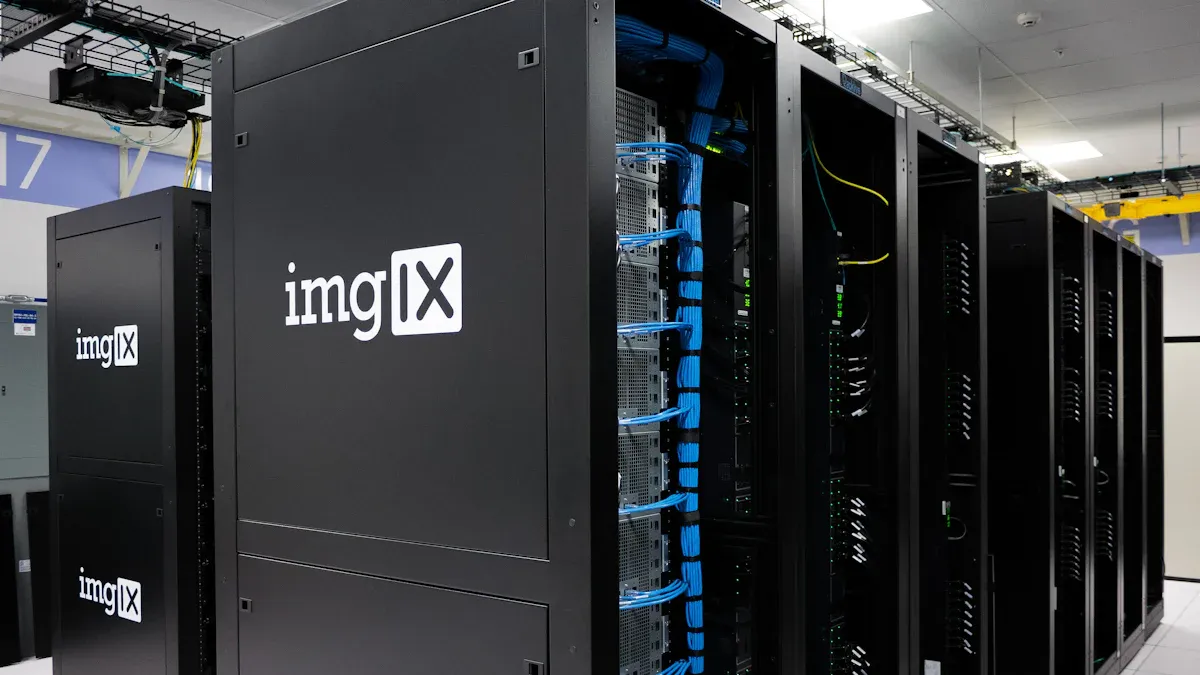
| Data Centers | Rack-level power distribution, load balancing, and energy management for servers and network gear |
| IT & Server Rooms | Organized power delivery and overload protection for office and enterprise IT infrastructure |
| Telecommunications | Uninterrupted power for cell towers, base stations, and core network equipment |
| Industrial Facilities | Safe power distribution for manufacturing machinery, control systems, and automation equipment |
| Healthcare | Reliable power for medical devices, patient monitoring systems, and critical care equipment |
| Commercial Buildings | Centralized power management for offices, retail spaces, and public facilities |
| Education | Power distribution for computer labs, research facilities, and classroom technology |
| Mobile Platforms | Flexible power for service bays, temporary work sites, and mobile command centers |
PDUs excel in remote and edge computing environments, where they enable remote equipment restart and monitoring without on-site technician visits. Automatic Transfer Switch PDUs provide seamless failover between primary and backup power sources, making them essential for hospitals and mission-critical facilities.
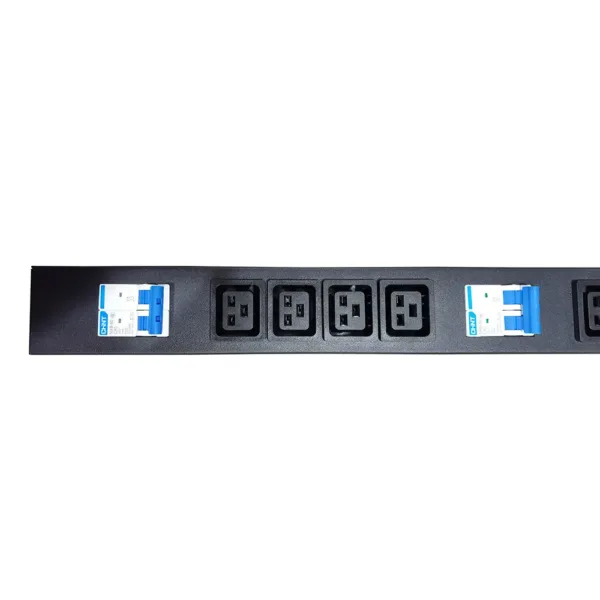
All PDUs follow the same core power distribution workflow:
Basic PDUs perform only power distribution and protection functions. Advanced models add real-time monitoring, data logging, and remote control capabilities to enable proactive power management.
Intelligent (Smart) PDUs build on basic functionality by adding embedded processors and communication capabilities. They continuously monitor power metrics including voltage, current, power factor, and energy usage, and send automated alerts via email or SMS when anomalies are detected.
Administrators can access intelligent PDUs remotely via web interfaces or mobile apps to:
Integrated environmental sensors monitor rack temperature, humidity, and airflow, allowing administrators to optimize cooling systems and reduce energy waste by up to 15% in typical deployments.
PDUs are primarily categorized by their feature set and management capabilities:
| PDU Type | Core Functionality | Best For |
|---|---|---|
| Basic (Unmetered) PDU | Simple power distribution with no monitoring or control features | Small offices, non-critical equipment, and budget-friendly deployments |
| Metered Inlet PDU | Real-time power monitoring at the main input only | Environments needing basic load visibility without remote control |
| Metered Outlet PDU | Granular power monitoring at each individual outlet | Data centers requiring load balancing and departmental cost allocation |
| Monitored PDU | Network-enabled inlet power monitoring with alerting capabilities | Remote sites and small server rooms needing off-site visibility |
| Switched PDU | Inlet monitoring + individual outlet remote control | Server rooms requiring remote reboot and power scheduling |
| ATS (Automatic Transfer Switch) PDU | Seamless failover between two power sources | Mission-critical environments requiring uninterrupted power |
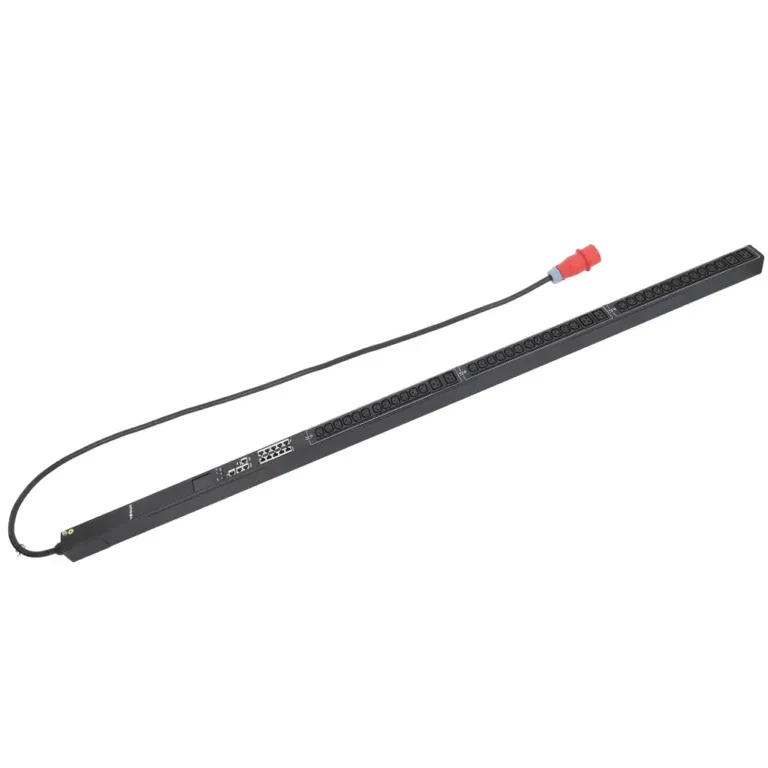
| Intelligent (Smart) PDU | Full remote control + per-outlet metering + environmental sensing | Enterprise data centers and high-density IT environments |
For specialized deployments, PDUs are also categorized by their power capacity and installation type:
All YOSUN PDUs comply with global safety standards including UL, CE, and RoHS. We offer both standard off-the-shelf models and fully custom solutions tailored to your specific requirements.
PDUs streamline power management and reduce operational costs through:
| Improvement | Description |
|---|---|
| Enhanced Monitoring | Real-time power load tracking and trend analysis via integration with DCIM systems |
| Intelligent Load Balancing | Prevents circuit overloads and maximizes power utilization across racks |
| Energy Savings | High-efficiency transformers reduce power loss by 2-3% compared to basic units |
| Proactive Maintenance | Automated alerts enable early problem detection and prevent unplanned downtime |
PDUs also enable accurate Power Usage Effectiveness (PUE) measurement, helping organizations optimize energy consumption and meet sustainability goals.
PDUs provide multiple layers of protection for both equipment and personnel:
For mission-critical applications, redundant PDUs with dual power inputs ensure continuous power delivery even if one source fails.
Selecting the optimal PDU requires evaluating both current and future operational needs:
YOSUN offers end-to-end custom PDU engineering for specialized deployments. Our customization options include:
| Customization Aspect | Available Options |
|---|---|
| Plug & Outlet Types | 10A, 16A, IEC C13, C19, NEMA, and custom regional configurations |
| Functional Modules | Overload protection, intelligent monitoring, ATS, and environmental sensors |
| Enclosure | Industrial-grade metal or heavy-duty plastic, custom sizes and colors |
| Design Features | Custom labeling, wiring configurations, and mounting options |
Our team of power engineering experts will work with you to design a PDU that perfectly matches your on-site requirements, from initial consultation to final installation and ongoing support.
Power Distribution Units are the backbone of modern electrical infrastructure, providing safe, reliable, and efficient power delivery for data centers, industrial facilities, and commercial buildings. From basic power distribution to advanced intelligent management, PDUs play a critical role in preventing downtime, reducing energy costs, and protecting valuable equipment.
As a trusted global provider of industrial power solutions, YOSUN delivers a comprehensive range of standard and custom PDUs designed to meet the most demanding operational requirements. Our certified solutions combine robust construction, advanced functionality, and dedicated technical support to ensure maximum uptime and performance for your critical infrastructure.
Whether you need a basic rack PDU for a small server room or a custom heavy-duty industrial PDU for a manufacturing facility, our team is ready to help. Contact YOSUN today to discuss your specific power distribution needs and request a free consultation.
A PDU distributes power to multiple devices, while a UPS (Uninterruptible Power Supply) provides backup power during outages. PDUs and UPS systems work together: the UPS provides temporary power, and the PDU distributes that power to connected equipment.
With proper maintenance and regular firmware updates, a high-quality industrial-grade PDU has a typical lifespan of 10-15 years. Basic PDUs may last 7-10 years under normal operating conditions.
For global deployment, PDUs should comply with UL 60950-1, IEC 62368-1, CE, and RoHS standards. Additional certifications may be required for specific industries or regions.
Standard PDUs are designed for indoor use only. YOSUN offers weatherproof, IP-rated PDUs specifically engineered for outdoor and harsh industrial environments.
Power strips are consumer-grade devices designed for low-power home and office use. PDUs are industrial-grade devices with enhanced safety features, higher power capacity, and advanced management capabilities for critical IT and industrial environments.