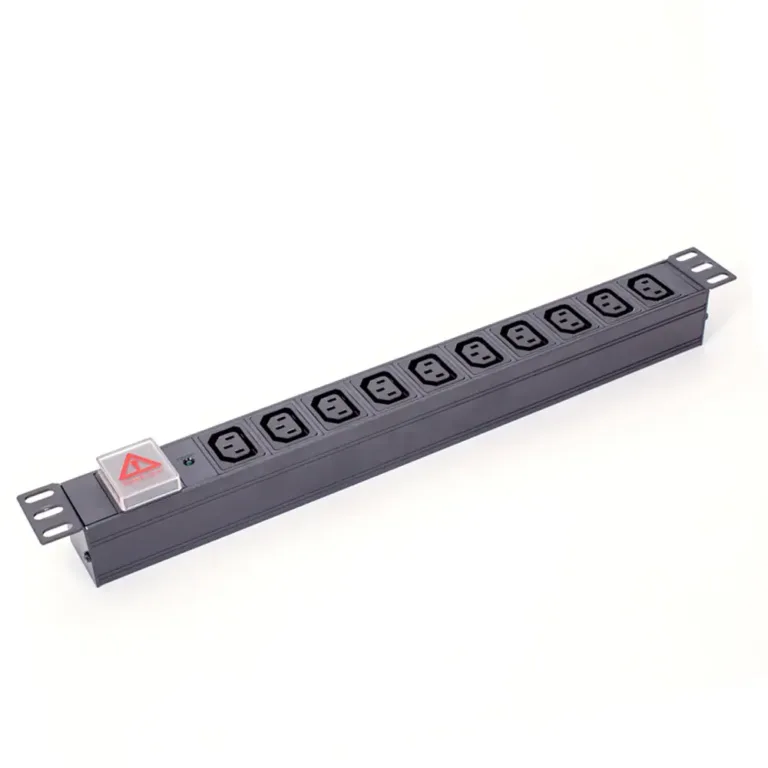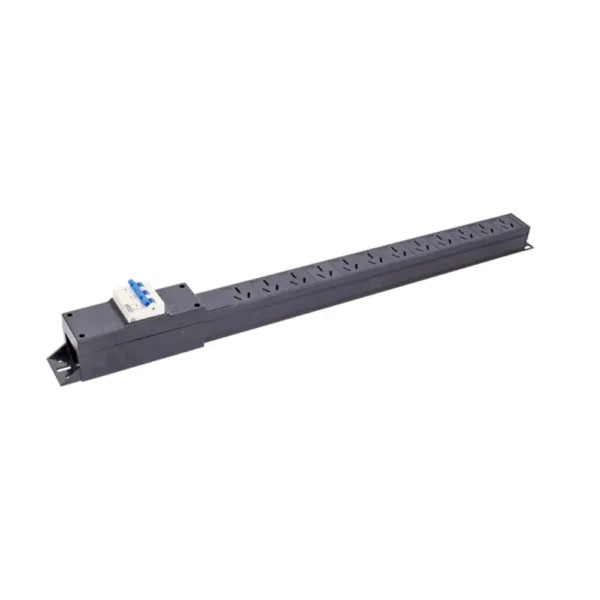
What is 3 phase power distribution?
3 phase power distribution is an electrical system that uses three AC electrical phases operating 120 degrees apart to deliver stable, efficient, and high-capacity power....


+86 15867381241
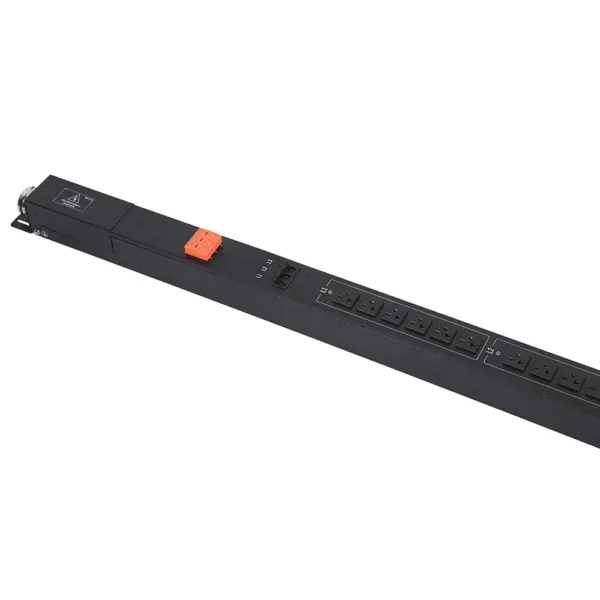
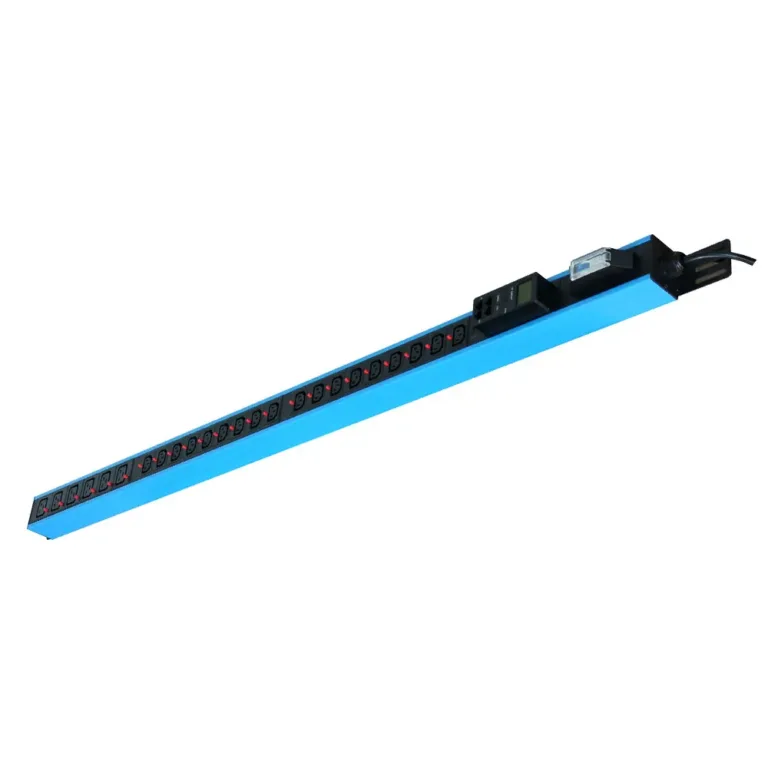
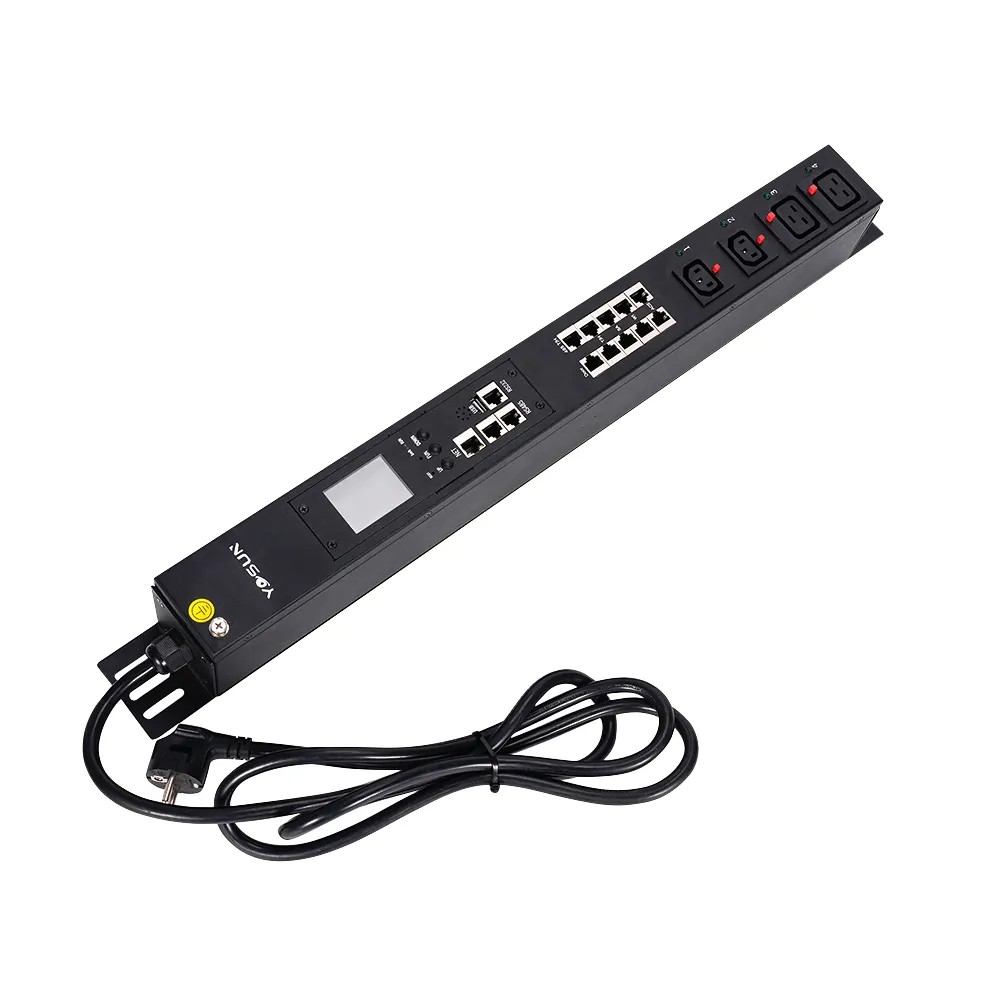
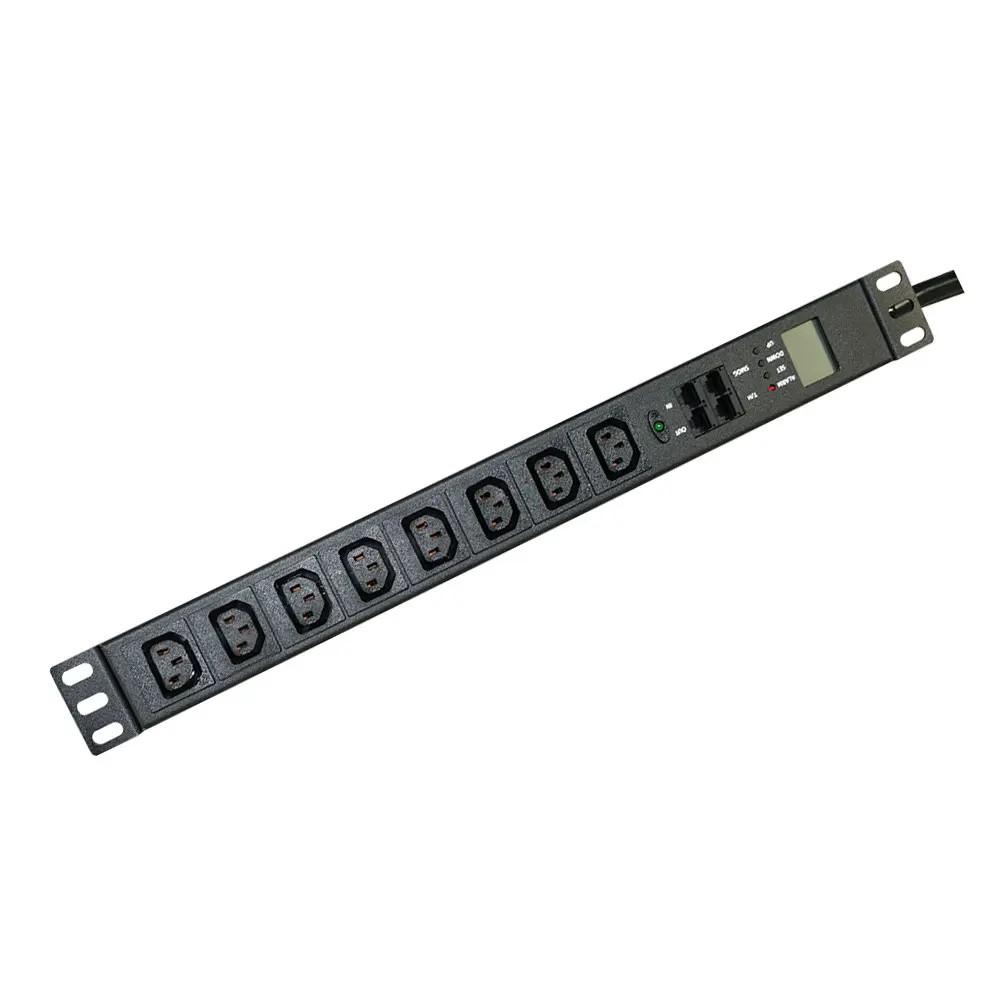
A 3-phase Power Distribution Unit (PDU) is a specialized electrical device designed to deliver reliable, high-capacity power to multiple devices simultaneously. Unlike single-phase PDUs, which use a single alternating current, 3-phase systems provide a continuous, balanced power supply that is essential for powering large numbers of servers, industrial machinery, and other high-demand equipment.
This guide explains how 3-phase PDUs work, their key advantages over single-phase systems, and where they are most commonly used.
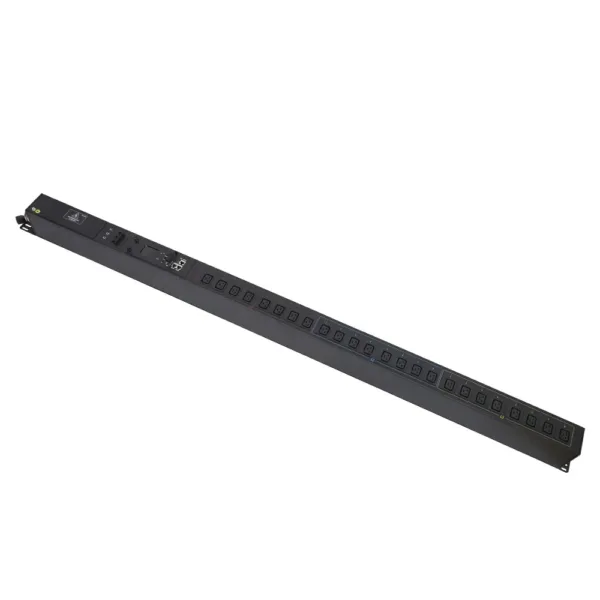
A 3-phase PDU distributes power using three separate AC waveforms that reach their peak voltage at different times, each spaced 120 degrees apart. This design creates a constant, smooth power flow that eliminates the voltage fluctuations common in single-phase systems.
The core advantages of this design include:
Three-phase power is generated using three coils arranged in a generator, each producing an alternating current that is 120 degrees out of phase with the others. This creates a continuous power supply that never drops to zero, unlike single-phase power which drops to zero twice per cycle.
| Principle | Description |
|---|---|
| Phase Spacing | Three waveforms spaced 120 degrees apart for constant power delivery |
| Line Voltage | Voltage between any two phases (typically 208V or 415V in commercial settings) |
| Phase Voltage | Voltage between any phase and neutral (typically 120V or 240V) |
| Wye Configuration | Includes a neutral line, providing both line and phase voltages for mixed equipment |
For example, a 208V 30A 3-phase PDU can deliver up to 10.8kVA of power, which is approximately 73% more than a 208V 30A single-phase PDU (6.2kVA).
Modern 3-phase PDUs use an alternating phase design, where each consecutive outlet is connected to a different phase. This simplifies load balancing by allowing technicians to plug devices in sequence, automatically distributing the load across all three phases.
| Benefit | Explanation |
|---|---|
| Simplified Wiring | No need for manual phase assignment during installation |
| Reduced Heat Generation | Even load distribution eliminates hotspots in cables and components |
| Improved Reliability | Prevents individual phases from becoming overloaded |
Single-phase and three-phase PDU systems differ in their construction. Single-phase PDUs use one type of AC power, while three-phase PDU systems use three types of AC power. This results in smoother power transmission. The table below lists their differences:
| Feature | Single-Phase PDU | 3-Phase PDU |
|---|---|---|
| Maximum Power Capacity | Up to 6.2kVA (208V 30A) | Up to 25kVA+ (208V 60A) |
| Energy Efficiency | Lower, higher line losses | Higher, up to 5% more efficient |
| Load Balancing | Manual, difficult to maintain | Automatic or simplified |
| Cabling Requirements | More cables for equivalent power | Fewer, thicker cables |
| Scalability | Limited | Excellent for future growth |
| Ideal Use Cases | Small offices, home labs, non-critical equipment | Data centers, industrial facilities, large commercial buildings |
While 3-phase PDUs have a higher initial cost than single-phase units, they offer significant long-term savings:
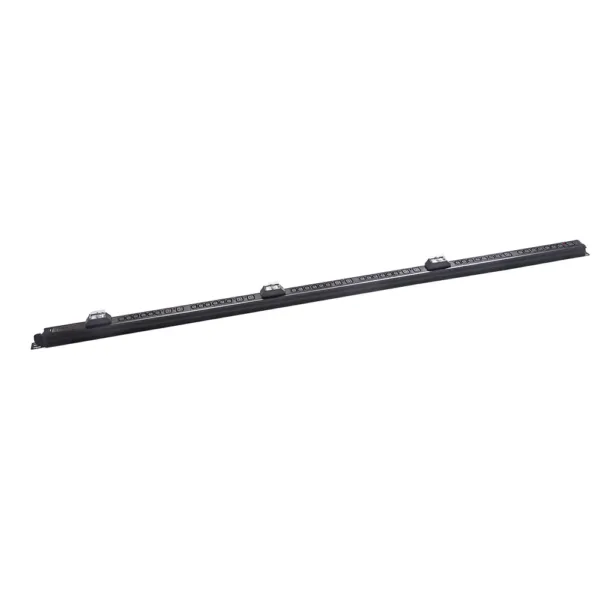
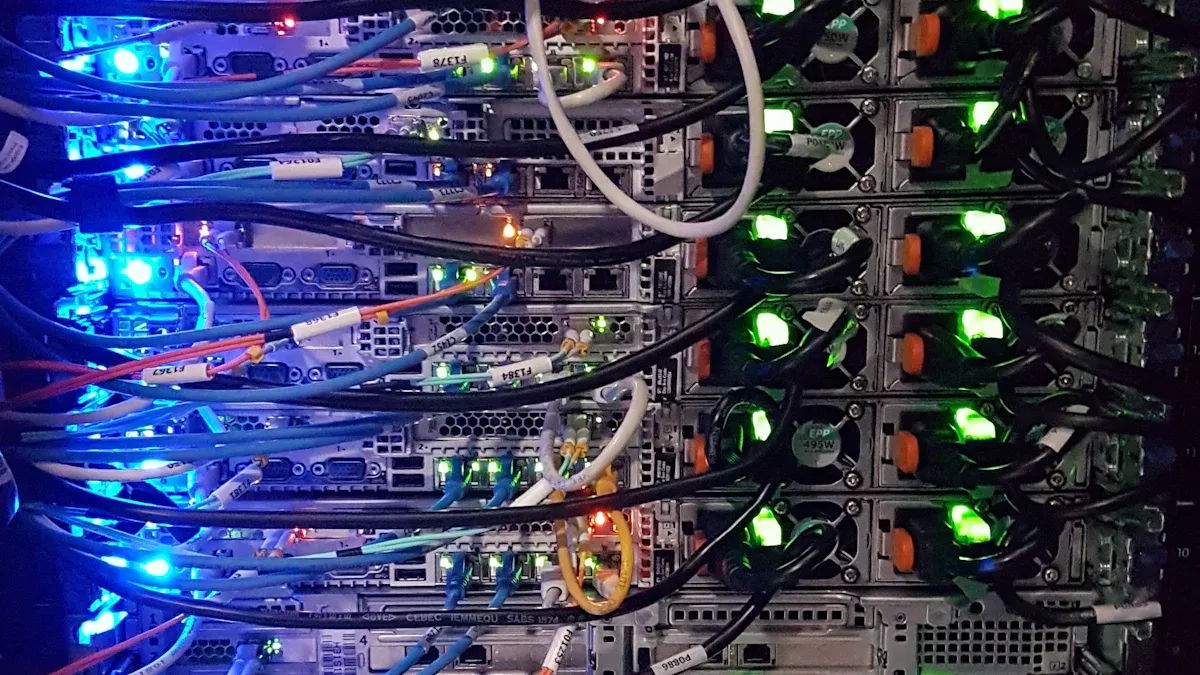
3-phase PDUs can deliver significantly more power in the same rack space compared to single-phase systems. This is critical for modern high-density data centers, where a single rack can consume 10kW or more of power.
The natural load balancing capabilities of 3-phase systems prevent individual circuits from becoming overloaded. This reduces the risk of downtime, extends equipment lifespan, and improves overall system reliability.
Balanced 3-phase power systems have lower line losses and better power factors than single-phase systems. According to the U.S. Department of Energy, this can reduce energy consumption by up to 5% in commercial and industrial settings.
In a 3-phase system, a fault on one phase does not necessarily affect the other two phases. This provides built-in redundancy and reduces the risk of complete power failure.
3-phase PDUs are used in environments that require high-capacity, reliable power:
When choosing a 3-phase PDU, consider the following factors:
3-phase PDUs are the standard for high-capacity power distribution in modern data centers and industrial facilities. Their ability to deliver more power, balance loads more effectively, and reduce energy losses makes them essential for powering the critical infrastructure that drives our digital economy.
By understanding the differences between single-phase and 3-phase systems and selecting the right PDU for your needs, you can ensure reliable, efficient power delivery for your equipment. All reputable 3-phase PDUs, including those from YOSUN, are certified to global safety standards to ensure reliable operation.
The main advantage is significantly higher power capacity and better load balancing compared to single-phase PDUs. This allows them to power more devices in the same space while reducing the risk of overloads.
Yes. Balanced 3-phase systems have lower energy losses than single-phase systems, typically reducing energy consumption by up to 5%. They also extend equipment lifespan by preventing overheating.
They are most commonly used in data centers, industrial facilities, telecommunications central offices, and large commercial buildings that require high-capacity power.
Yes. Most 3-phase PDUs use a Wye configuration with a neutral line, allowing you to power both 3-phase and single-phase equipment from the same unit.
A 3-phase PDU refers to the type of power it distributes, while a smart PDU refers to its monitoring and control capabilities. You can have 3-phase smart PDUs and single-phase smart PDUs.