What is a Managed PDU and How Does It Work
Managed PDUs offer remote monitoring and control, enhancing power management and efficiency in data centers.


+86 15867381241
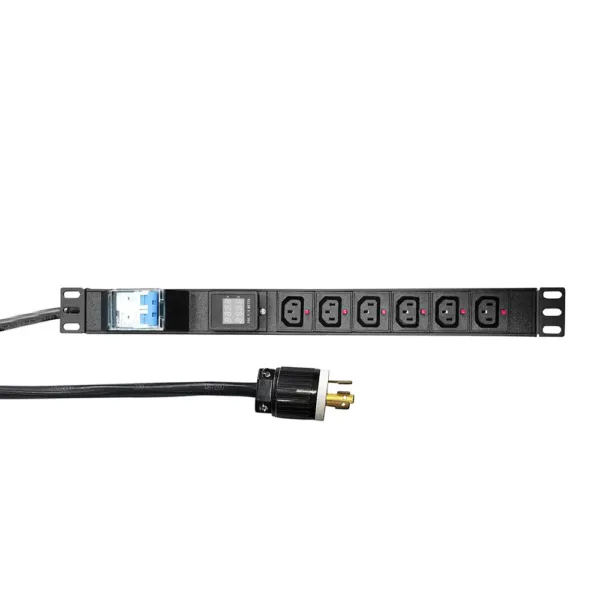
A Power Distribution Unit (PDU) is a specialized rack-mounted device that delivers regulated, stable electrical power to servers, network hardware, storage systems, and other IT equipment in data centers, server rooms, and network closets. Far more than a basic power strip, a PDU acts as the central power hub for critical infrastructure, ensuring safe, consistent power delivery while supporting monitoring, protection, and management features.
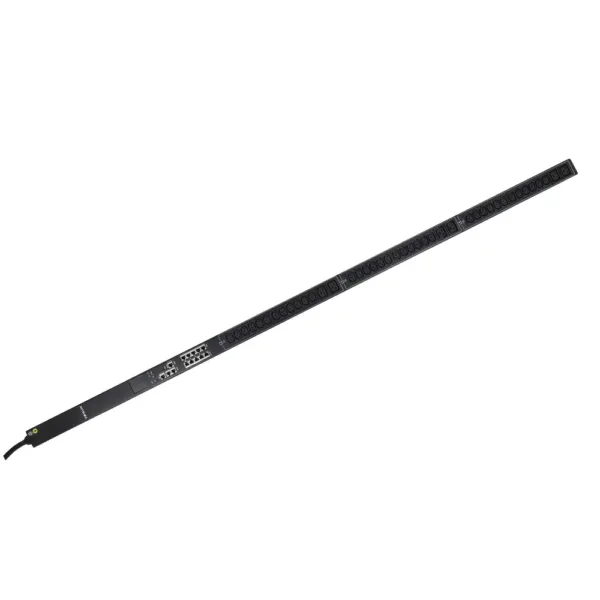
A Power Distribution Unit (PDU) is a purpose-built power management device with multiple outlets, designed to distribute utility power to rack-mounted servers, network switches, routers, and storage devices.
Acting as a critical power bridge, a PDU receives power from a main electrical source or UPS system and routes it to dozens of connected devices in a organized, rack-friendly form factor. PDUs are foundational to server rooms, data centers, and enterprise IT environments, simplifying power management for dense hardware deployments and keeping cabling structured and secure.
PDUs deliver far more than basic power distribution—they integrate control, monitoring, and protection features to safeguard equipment and optimize power flow. Key built-in components and core functions include:
| Component | Description |
|---|---|
| Main Circuit Breaker | Protects the PDU’s primary power input from overloads and short circuits |
| Remote Control Module | Enables remote power management and configuration for enterprise deployments |
| EMI Filters | Blocks electromagnetic interference to maintain clean, stable power |
| Control Board | Displays real-time power data and supports user configuration |
| Individual Outlets & Monitoring | Allows per-outlet power tracking and control for precise energy management |
| GFI Module | Prevents electrical hazards and ground faults for enhanced safety |
| Relays | Enables remote power switching across connected devices |
| AC Inlet/Outlet | Supports removable power cords for flexible installation |
Beyond power routing, PDUs condition high-voltage input into safe, usable power for IT equipment, organize cabling to reduce clutter, and prevent unregulated power spikes. Smart PDUs add real-time power monitoring to identify inefficiencies and faults early, while core safety features stop overloads and equipment damage.
A PDU draws alternating current (AC) from a utility power source or uninterruptible power supply (UPS). Incoming power first travels through the main input circuit breaker, which blocks dangerous current levels, then moves to a transient protection module for further conditioning.
Power is then routed to the PDU’s internal distribution bus, which splits supply across sub-feed breakers and individual outlets for rack-mounted devices. In data centers, PDUs serve as the critical link between UPS systems and server racks: the UPS provides clean, backup power during outages, while the PDU distributes this stable supply to connected equipment, ensuring uninterrupted operation.
PDUs use layered protection to guard against surges, overloads, and overheating. Built-in fuses and circuit breakers automatically disconnect power during overload conditions, with high-amperage models fully complying with global overcurrent safety standards.
For surge suppression, PDUs integrate MOV, TFMOV, and TVS diode modules. These components absorb high-voltage transients and discharge surge energy to ground, protecting sensitive servers and network hardware from damage. This multi-layer safety design delivers reliable protection for mission-critical equipment in all operating environments.
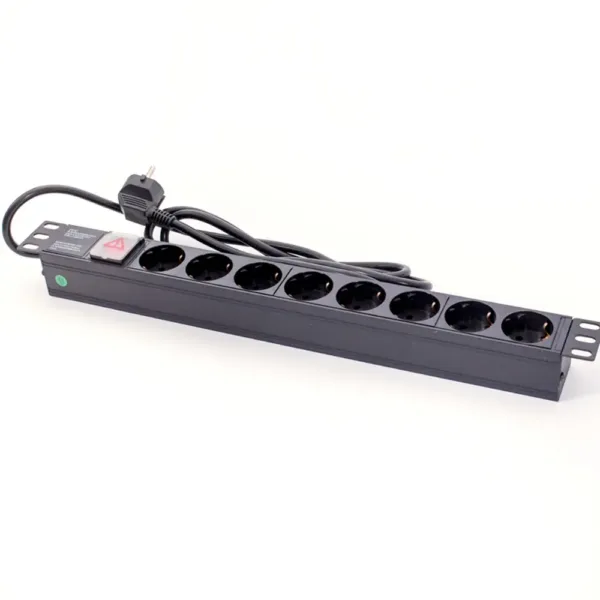
PDUs are available in multiple configurations to match different deployment needs, from small server closets to industrial data centers. YOSUN offers a full lineup of PDU types, each engineered for specific use cases.
Basic PDUs provide reliable, unmonitored power distribution for small-scale IT deployments. They lack advanced management features but offer durable, cost-effective power routing for standard servers and network switches.The table below lists the differences between the basic PDU and the Intelligent PDUs:
| Feature | Basic PDUs | Intelligent PDUs |
|---|---|---|
| Power Delivery | Stable power without smart features | Advanced power management and control |
| Monitoring | No real-time tracking | Live power consumption monitoring |
| Control | Manual operation only | Remote control and automation |
| Ideal Use | Small server closets | High-density data centers |
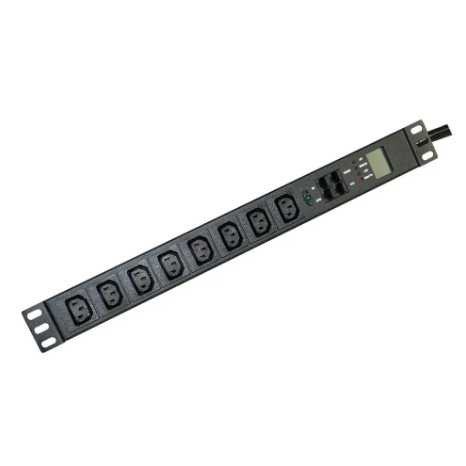
Metered PDUs add real-time power usage tracking, displaying critical metrics like voltage, amperage, and total energy consumption (kWh). These units support load balancing to prevent overloads and send threshold alerts for abnormal power usage, helping teams optimize energy use.The following table explains the main values:
| Metric | Purpose |
|---|---|
| kWh | Tracks total long-term energy consumption |
| Voltage/Amperage | Ensures balanced loads and safe operation |
| Usage Alerts | Notifies teams of overconsumption risks |
Smart (Intelligent) PDUs deliver full remote monitoring and control capabilities, allowing IT teams to manage outlets, reboot devices, and schedule power cycles from anywhere. They support secure web access, email/SNMP alerts, and AI-powered power usage analysis to detect anomalies and prevent failures.
These PDUs enable proactive maintenance, reduce on-site management needs, and optimize energy efficiency for large-scale data center operations.
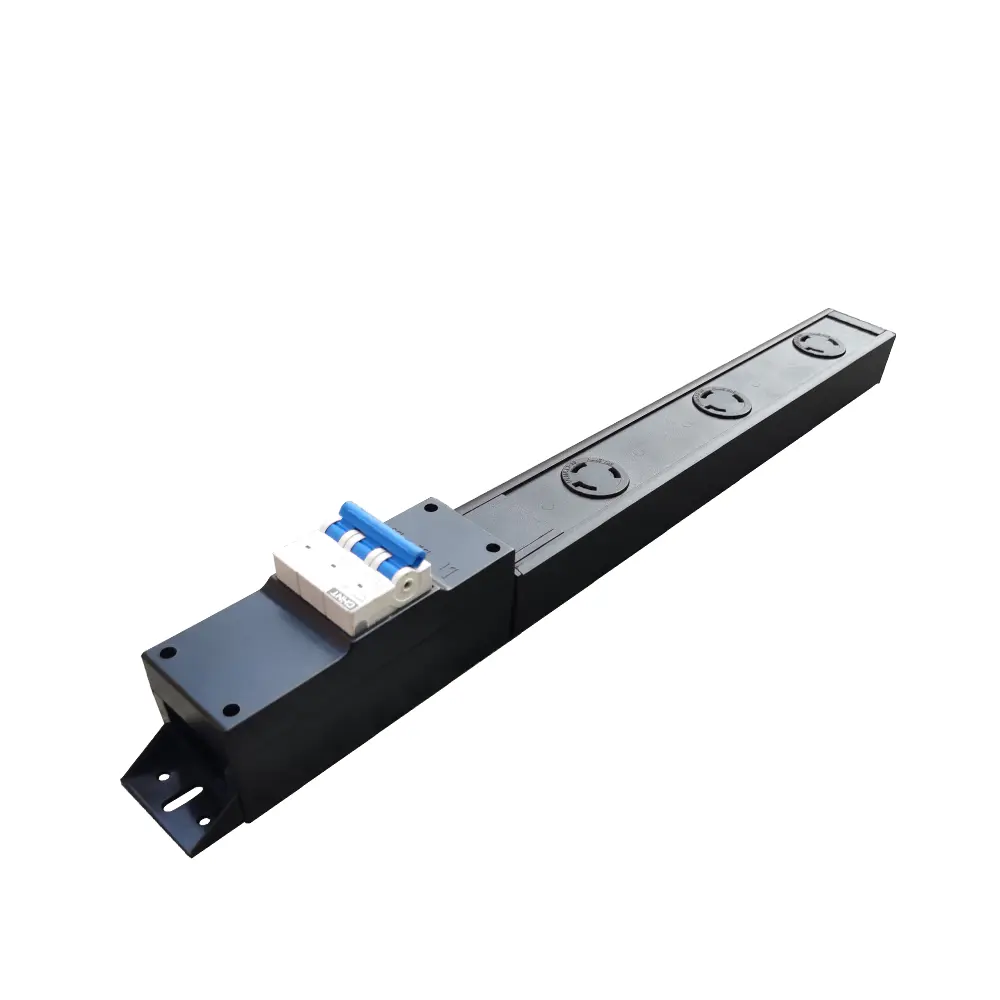
Heavy Duty PDUs are built for harsh industrial environments, with rugged metal or polycarbonate housings that withstand extreme temperatures, dust, and heavy use. They support single-phase and three-phase power, with customizable plug/outlet configurations (including IEC60309 sockets) and integrated surge protection.
PDUs are central to maximizing data center energy efficiency, as they distribute power evenly across racks to avoid overloading and extend hardware service life. Remote metering provides real-time visibility into power consumption, enabling data-driven adjustments that cut unnecessary energy waste.
Key efficiency-enhancing features include intelligent load balancing, real-time parameter management, environmental monitoring, and modular designs that support seamless infrastructure scaling. For mission-critical operations such as hospitals and financial institutions, PDUs ensure consistent power delivery, while built-in redundancy and automatic transfer switching (ATS) can reduce downtime by up to 25% in backup power scenarios.
Electrical safety is a top priority for IT infrastructure, and professional PDUs are engineered to meet strict global safety standards, including UL, CE, UKCA, and IEC specifications. These certifications validate full compliance with electrical, fire, and environmental safety regulations for both regional and global deployments.
Beyond physical safety, smart PDUs support adherence to data security and operational governance standards such as ISO/IEC 27001, giving IT teams full oversight and control over power distribution systems.
PDUs form the foundational layer of data center power management, especially intelligent models that offer per-outlet monitoring for precise load control. Integration with DCIM software centralizes full data center power oversight, allowing teams to quickly identify risks and reduce unplanned outages and operational expenses.
YOSUN’s intelligent PDUs deliver customizable configurations, real-time power tracking, and dynamic load balancing to adapt to any rack layout or specialized power requirement, supporting stable, scalable power management for modern data centers.
PDUs are indispensable to modern IT infrastructure, delivering stable, safe power distribution while enabling efficient monitoring, protection, and management for servers and network equipment. They reduce energy waste, prevent costly downtime, and ensure compliance with global electrical safety standards.
YOSUN’s industrial-grade, fully customizable PDUs are built for mission-critical environments, combining rigorous safety certification, scalable design, and advanced management features. For facility managers, selecting the right PDU and implementing consistent power monitoring is key to optimizing data center performance, reducing costs, and maintaining safe, reliable operations.
A PDU distributes stable, protected power to rack-mounted servers, network switches, storage systems, and other IT hardware, while preventing overloads, surges, and unplanned downtime.
A Basic PDU only provides power distribution with no monitoring. A Smart PDU adds remote control, real-time power metering, alert notifications, and automated power management for enterprise environments.
Yes. Professional PDUs must hold certifications like UL, CE, UKCA, IEC 62368-1, and RoHS to ensure electrical safety and regulatory compliance across global markets.
Heavy Duty PDUs are designed for industrial and harsh environments, supporting high-amperage three-phase power and rugged construction to withstand dust, temperature extremes, and heavy loads.
Yes. Metered and Smart PDUs track real-time power usage, enable load balancing, and support remote control to eliminate waste, prevent overloads, and optimize overall energy consumption.