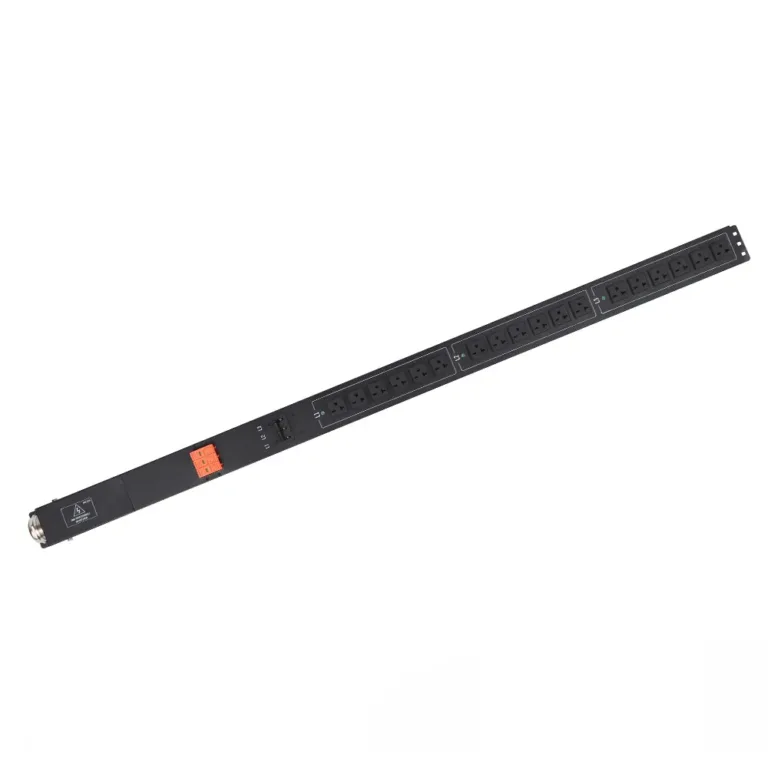
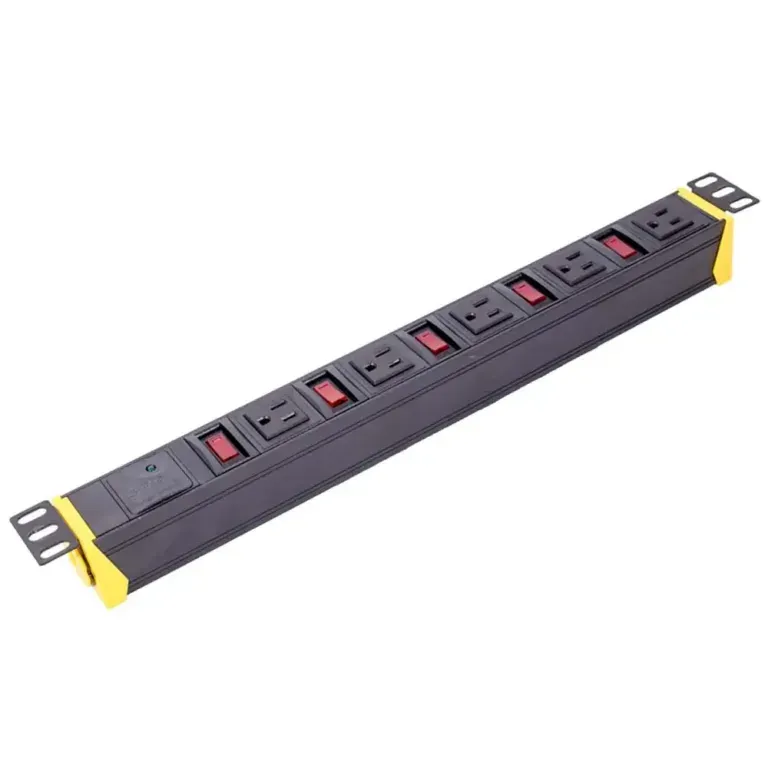
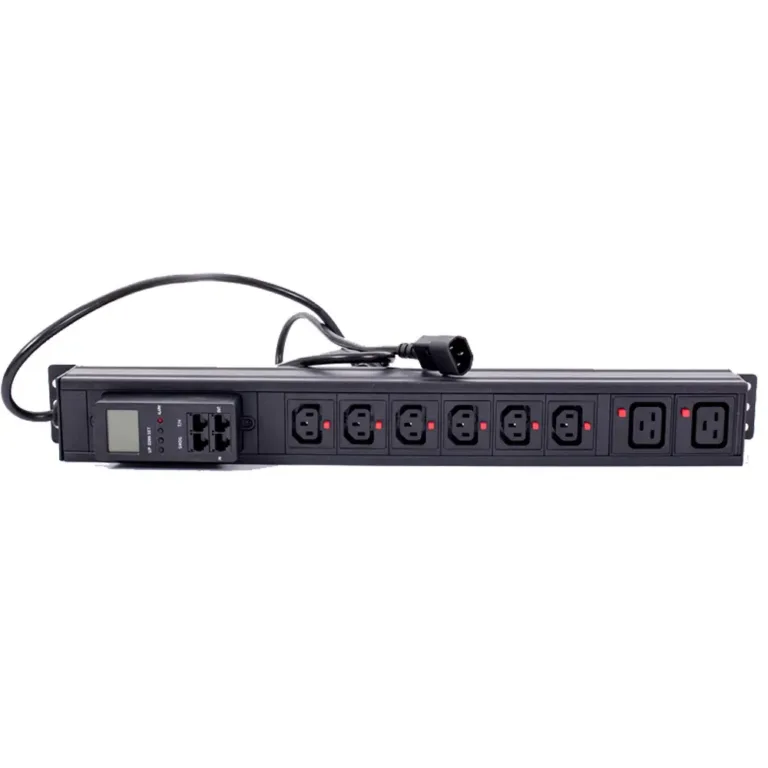
What Are Intelligent Power Distribution Units
Intelligent power distribution units monitor, manage, and optimize energy use in data centers, improving efficiency, reliability, and remote control capabilities.


+86 15867381241
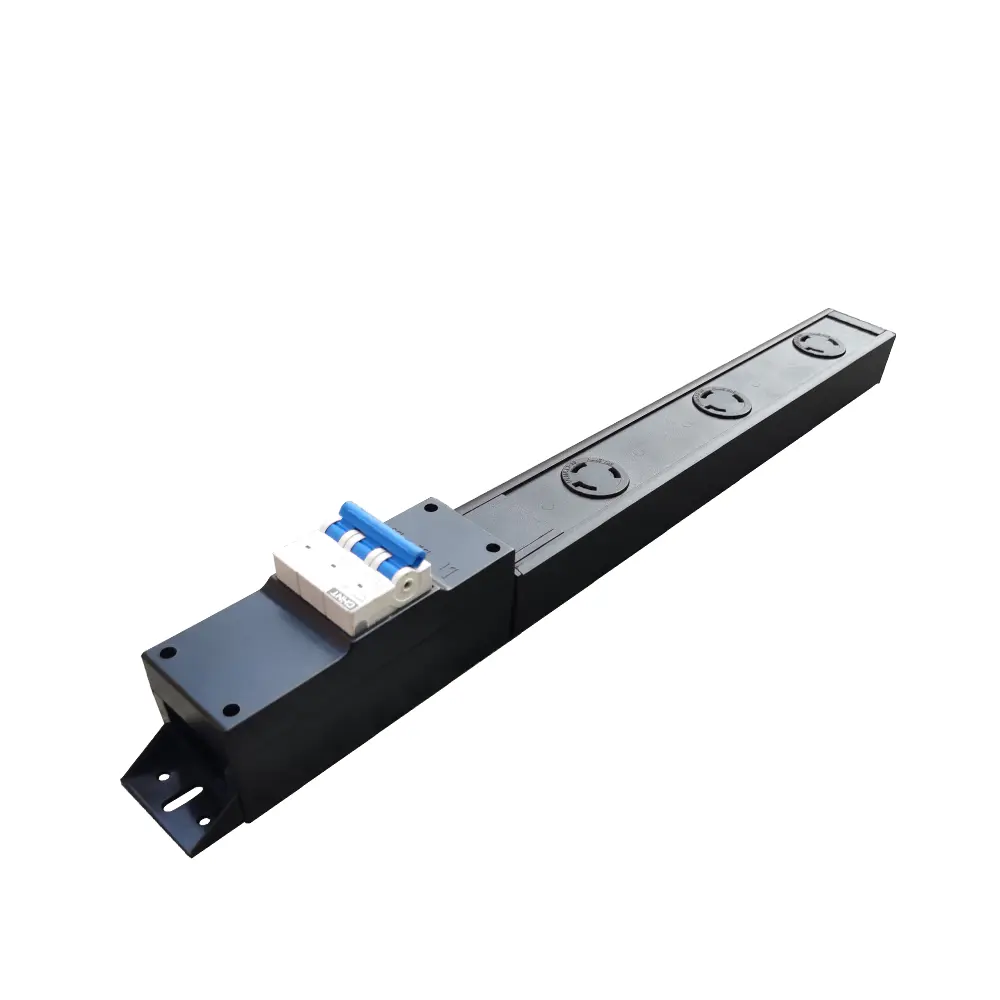
Power requirements for a PDU tell how much power it can give to equipment. Picking the right PDU is important for safety and good performance. If users match the PDU’s power to their equipment and space, they stop overloads. This also keeps devices safe and stops downtime.
When selecting a power distribution unit (PDU), load capacity and rated power are key considerations. Load capacity refers to the maximum current the PDU can safely handle. Electrical engineers typically set it to 80% of the circuit’s maximum current to prevent overload. For example, a 20A circuit should not carry more than 16A. This ensures equipment safety and extends its lifespan.
Rated power indicates the maximum power the PDU can provide. It is measured in volt-amperes (VA). Rated power is calculated by multiplying the voltage by the rated current. For example, a 208V, 24A PDU has a load capacity of 5.0 kVA. The rated power of a rack-mount PDU indicates how many devices you can connect without danger.
Power rating means the total power a device needs, measured in amps, volts, and watts. Load capacity is the most power a device can safely take, usually set at 80% of the circuit’s top limit.
PDU overload can cause serious problems. If one power supply path fails, all loads will shift to another PDU. This can cause the current to exceed the PDU’s capacity, triggering the circuit breaker and causing a power outage for all equipment in the rack.
| Certification | Description |
|---|---|
| UL Listed | Meets U.S. electrical safety rules, lowering fire and shock risks. |
| CE Marking | Follows European safety rules, making it safe for use in other countries. |
YOSUN’s PDUs feature surge protection and overload protection. These features help ensure the safe and stable operation of equipment. Choosing the right PDU ensures safe current flow and supports racks containing a large number of devices.
The number of phases and voltage are important when picking a PDU. Single-phase wiring is used in homes and small offices. It uses one current and can have voltage drops. Three-phase circuits use three currents. Each current is 120 degrees apart. This gives steady power and works for high-density needs. Data centers often use three-phase PDUs. They help save energy and give more power. The input power type decides which PDU is best.
| Voltage Rating | Phase Configuration |
|---|---|
| 240 Volts | Standard U.S. single phase |
| 120 Volts | Standard U.S. single phase |
| 120/208 Volts | Standard U.S. three phase wye |
Current refers to the amount of electricity flowing through a distribution unit (PDU). Maximum current indicates the maximum current a PDU can safely handle. In North America, the actual current in a circuit should not exceed 80% of its rated current. For example, a 15A circuit should not exceed 12A, and a 20A circuit should not exceed 16A. When selecting a PDU, the capacity should be 20% higher than the maximum load. This helps cope with load increases and sudden surges. Some PDUs are equipped with meters or displays to show the current usage. This helps users avoid circuit breaker tripping. Always check the maximum line current and maximum current carrying capacity.
Power density refers to how much power can be contained within a limited space. High-power power distribution units (PDUs) can deliver higher power per outlet, which is highly advantageous for devices requiring high power. This means that the same power can be achieved with fewer PDUs, saving both cost and space. High-power PDUs also have robust redundancy to prevent overload. Increased power density allows us to install more equipment in smaller racks.
Connector type is crucial for both safety and ease of use. Large Cam-Lok connectors are less prone to loosening and effectively waterproof. They are suitable for applications requiring a secure connection. Circular connectors are also waterproof and less prone to loosening. There is a wide variety of AC power connectors available. Choosing the right connector depends on voltage, current, and safety requirements. Always review the connector details to ensure the PDU is compatible with your equipment.
Tip: Always check the specifications for connector type, voltage, and current before picking a PDU for your setup.
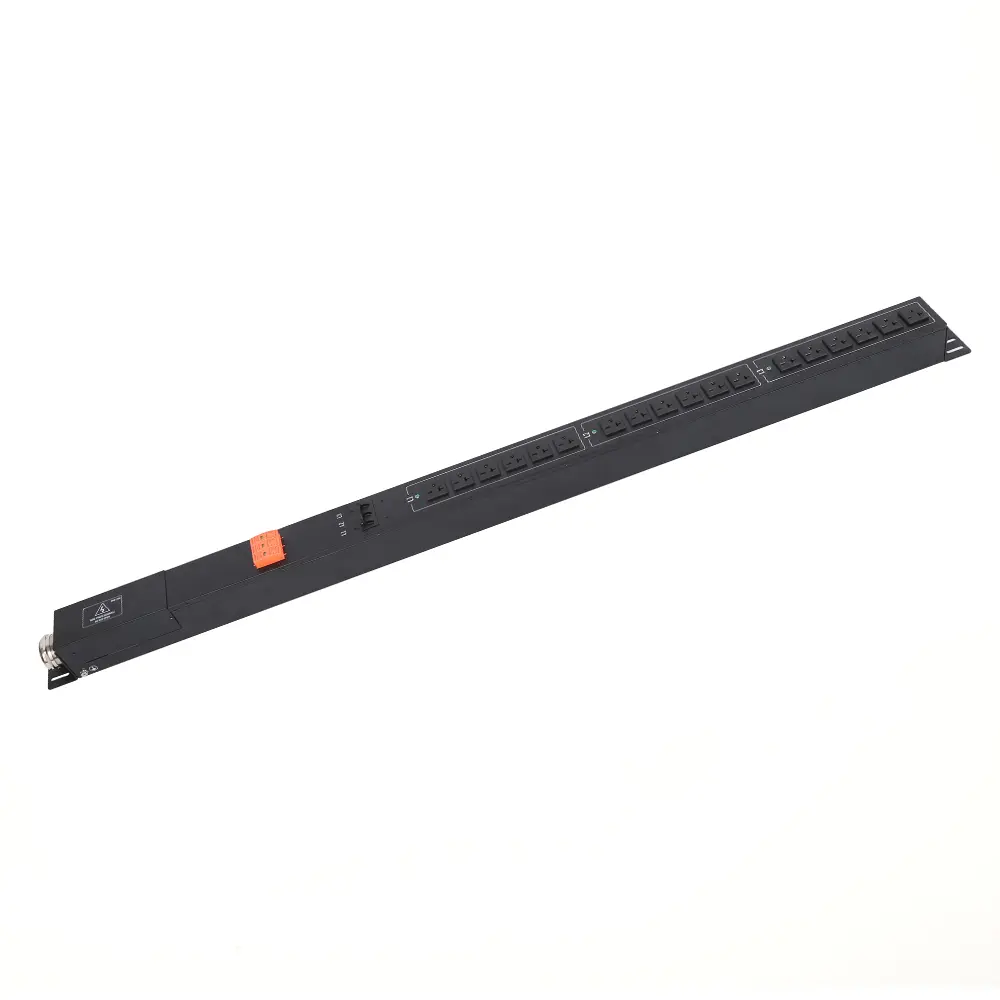
Regional power standards decide how PDUs work in different places. North America and Europe use different voltages and frequencies. North America uses 120V, 208V, and 240V at 60 Hz. Europe uses 230V at 50 Hz. These differences change how equipment connects and works.
YOSUN makes PDUs that fit these regional standards. This helps users match their equipment to the right power system anywhere.
Plug types and compatibility are important when picking a PDU for global use. Each region has its own plug shapes and safety features. Using the right plug type keeps equipment safe and working well.
YOSUN offers PDUs with many plug types for global use. This helps users set up equipment in different places without worry. Picking the right PDU keeps power safe and reliable for all devices.
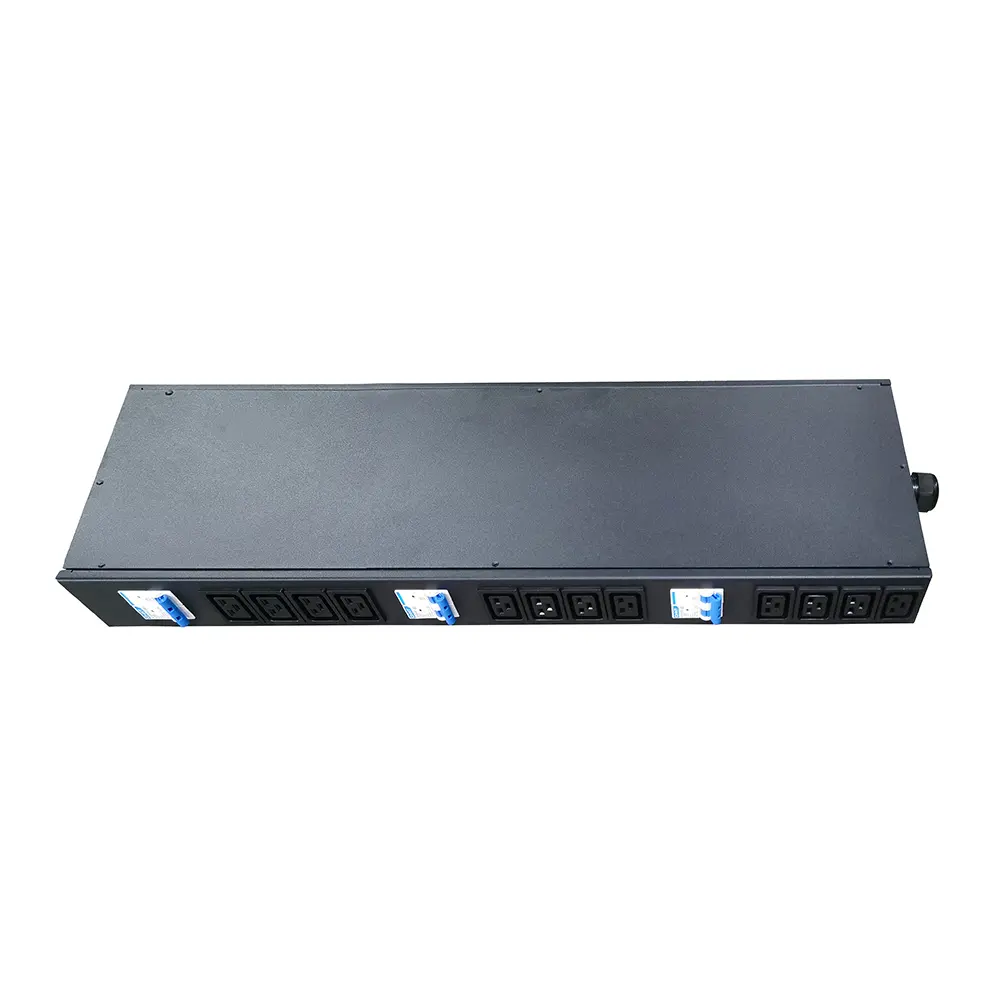
Many businesses and factories need a high-power pdu. These units are best for places where machines use a lot of electricity. Some examples are:
High-power PDUs help control high-power loads and ensure circuit safety. In data centers, these devices help maintain stable system operation and cope with fluctuating power demands. They also help users closely monitor power consumption and support virtualization. Carriers can rely on high-power PDUs to provide a stable power supply in busy environments.
When selecting a high-power PDU, users should focus on several key characteristics. The table below lists the items to check:
| Consideration | Description |
|---|---|
| Locking Mechanism | Keeps connections tight and lowers mistakes |
| Field-Replaceable Controller | Lets things keep working if the main part breaks |
| High Temperature Rating | Handles heat in crowded racks and stops overheating |
| Safety Features | Has circuit breakers to stop overloads |
| Management with DCIM | Works with data center systems for easy control |
| Environmental Monitoring | Checks temperature and humidity for better control |
| Space Constraints | Fits into different rack sizes and shapes |
| Compliance and Certification | Meets safety and reliability rules |
A high-power PDU not only meets current needs but also adapts to future developments. Customization features allow users to adjust power according to changing requirements. After setup, users can also adjust the voltage for more flexible configurations. High-density models support remote power monitoring and control of each outlet. These features help cope with ever-changing working environments and improve power utilization.
Smart high-power PDUs offer numerous practical functions. They make adding new technologies and keeping up with the times easy and convenient. YOSUN offers a variety of customization options. Their factory is capable of mass production and fulfilling special orders. The table below lists some top manufacturers and their advantages:
| Region | Manufacturer | Specialization |
|---|---|---|
| Zhejiang | Ningbo Yosun Electric | Makes electrical parts |
| Guangdong | Orient Tech Limited | Makes smart PDUs, does research, and IoT |
| Beijing | Beijing Jinnuo Hengtong Technology | Custom PDU solutions for data centers and industry |
A high-power pdu gives strong support for power management in modern buildings. It helps keep equipment safe, working well, and ready for the future.
Picking the right PDU keeps devices safe and helps everything work well. Matching the PDU’s power to the devices gives steady power and stops downtime. Users should always check the total power their equipment needs. They should pick a PDU with a rating higher than that total. It is important to follow local rules and safety standards to avoid trouble.
YOSUN is a trusted company that makes PDUs you can change to fit your needs. Their products have certifications like RoHS, CE, and VDE. This makes them a good choice for many businesses.
| Certification/Compliance | Description |
|---|---|
| RoHS | Limits dangerous materials in electrical and electronic equipment. |
| CE | Shows the product meets health, safety, and environmental rules. |
| VDE | Makes sure the product follows safety and performance standards in electrical engineering. |
A PDU, or Power Distribution Unit, sends electricity to many devices in a rack. It helps keep equipment safe and running. People use PDUs in data centers, server rooms, and offices.
People should check the voltage, current, and plug type of their devices. They need to match these with the PDU. Picking the right PDU helps prevent overloads and keeps equipment safe.
A high-power pdu works best in places with many servers or machines that need lots of electricity. Data centers and factories often use these units to handle big power loads.
Many PDUs have surge protection. This feature helps stop sudden spikes in electricity from damaging equipment. Users should look for PDUs with built-in safety features.
Yes, PDUs come with many plug types. People can find models that fit North American, European, or Asian standards. This makes it easy to use PDUs in different countries.