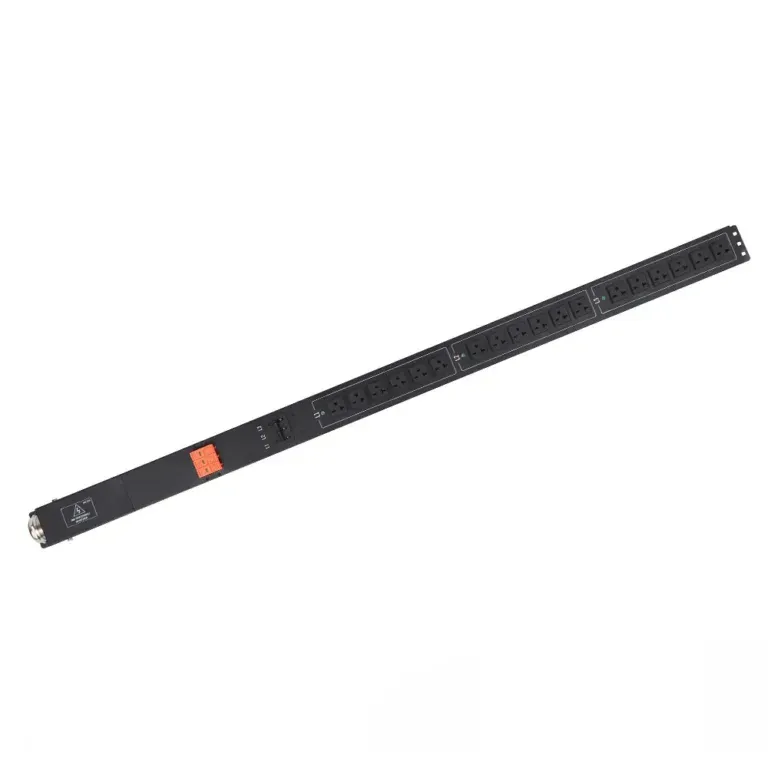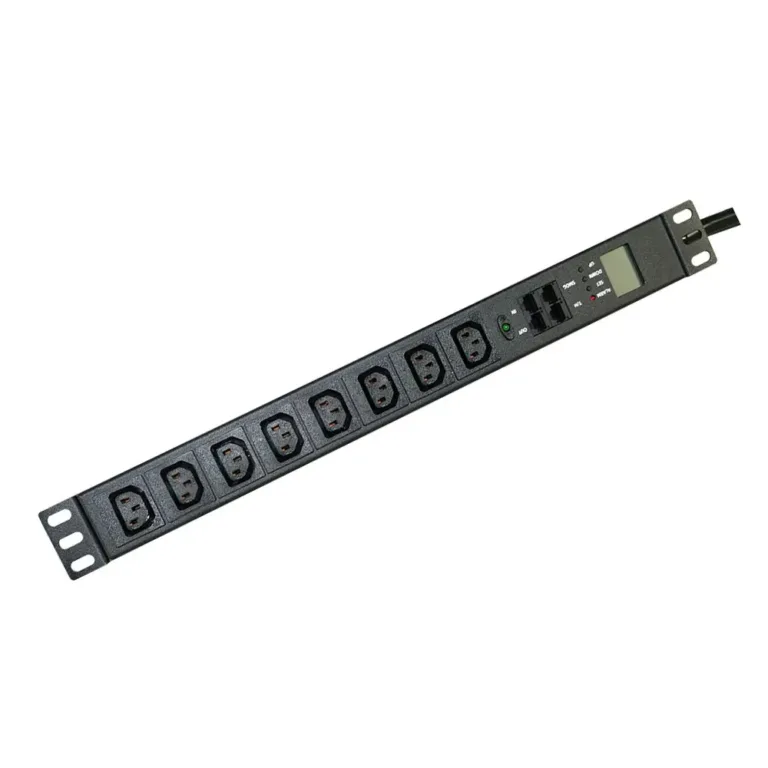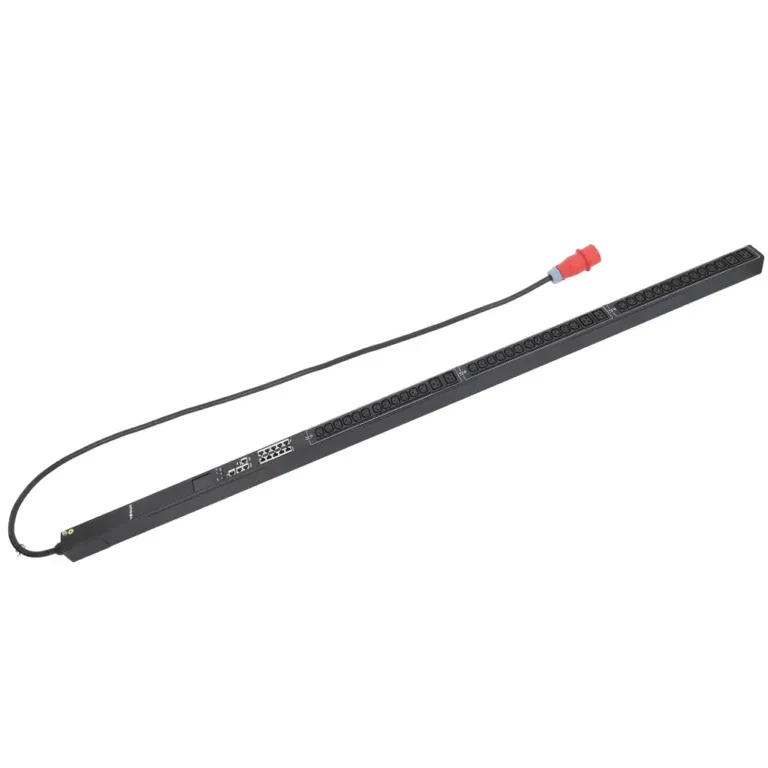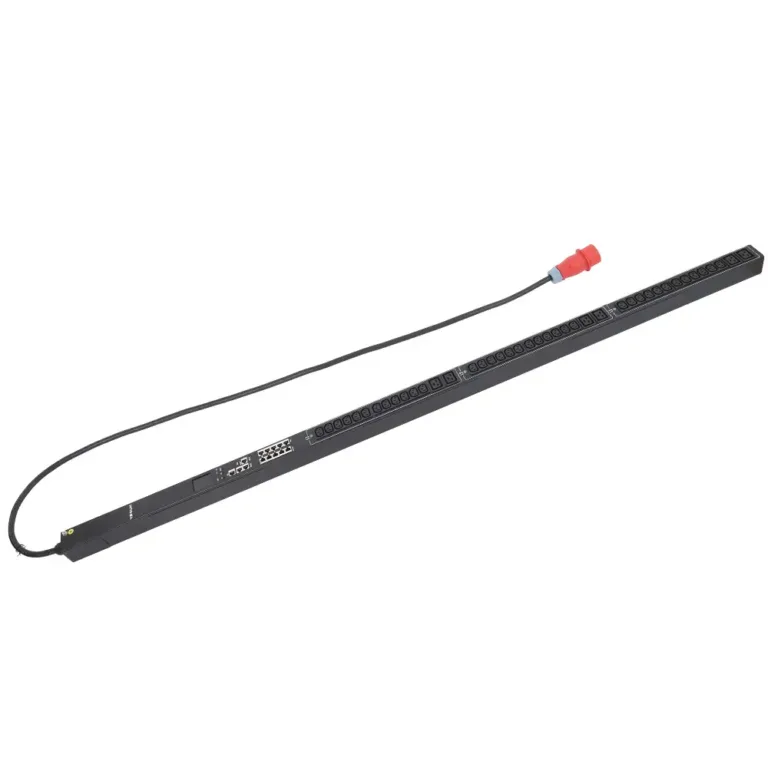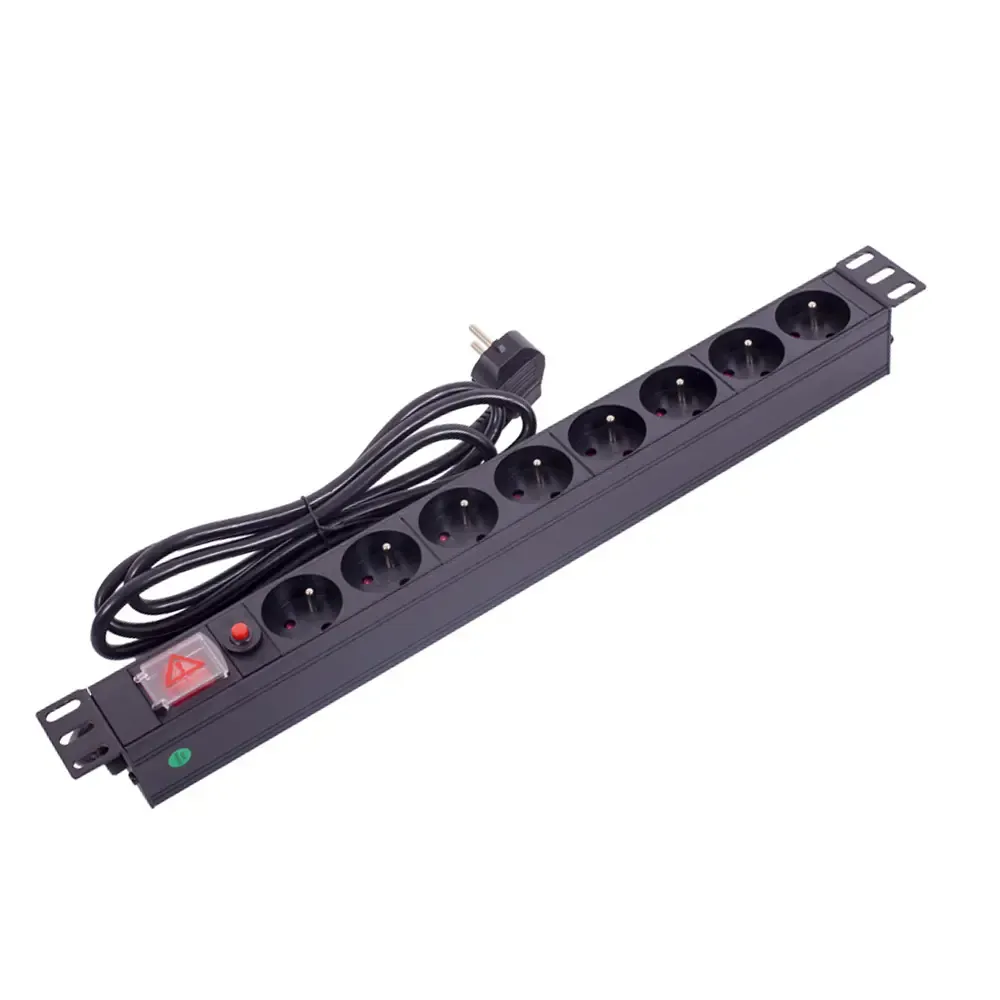
Unlock the Full Potential of Switched Rack PDUs
Maximize uptime and efficiency with a switched rack PDU—enable remote power control, real-time monitoring, and secure management for your IT racks.


+86 15867381241
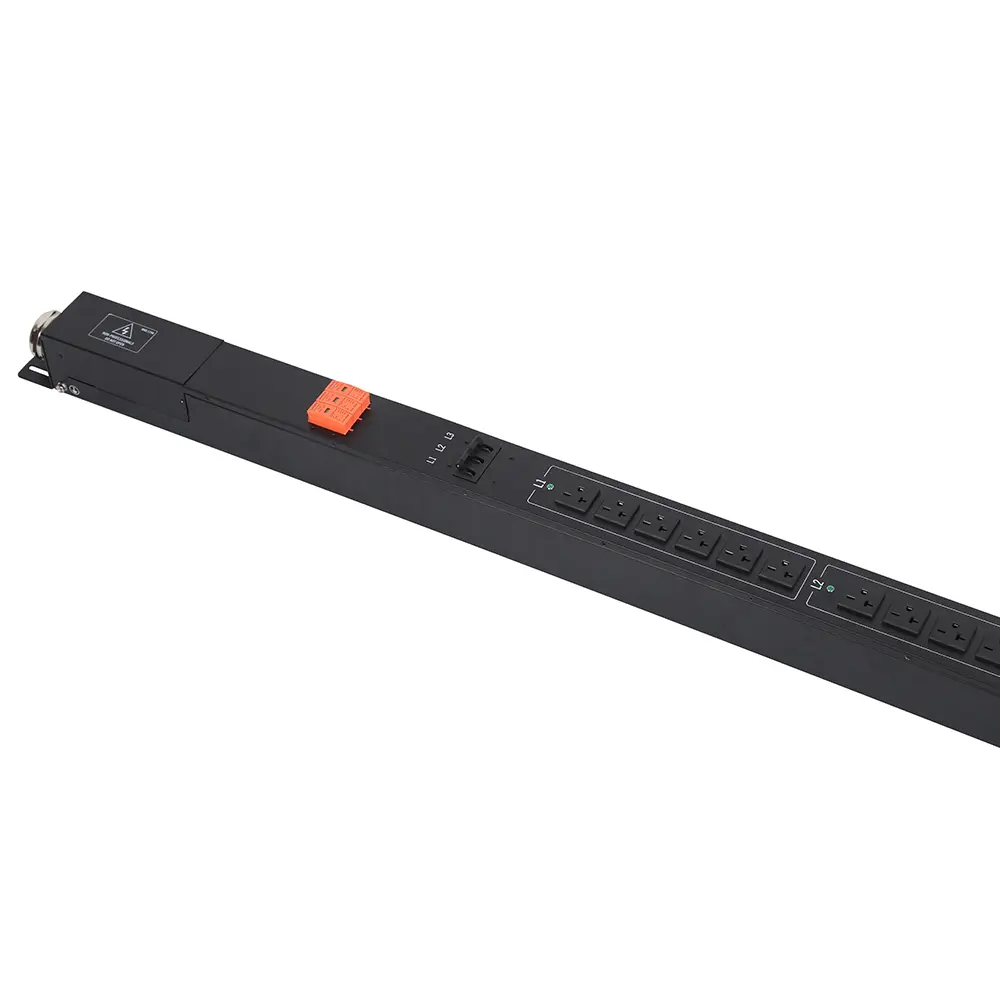
A power distribution unit (PDU) is the unsung backbone of every data center, server room, and IT infrastructure. It quietly delivers stable power to hundreds of critical servers, switches, and storage systems—and a single component failure can bring an entire rack to a halt.
Not all PDUs are built the same. The design and quality of their internal components directly impact safety, reliability, and energy efficiency. Understanding these parts helps you choose the right PDU for your facility and ensure years of trouble-free operation.
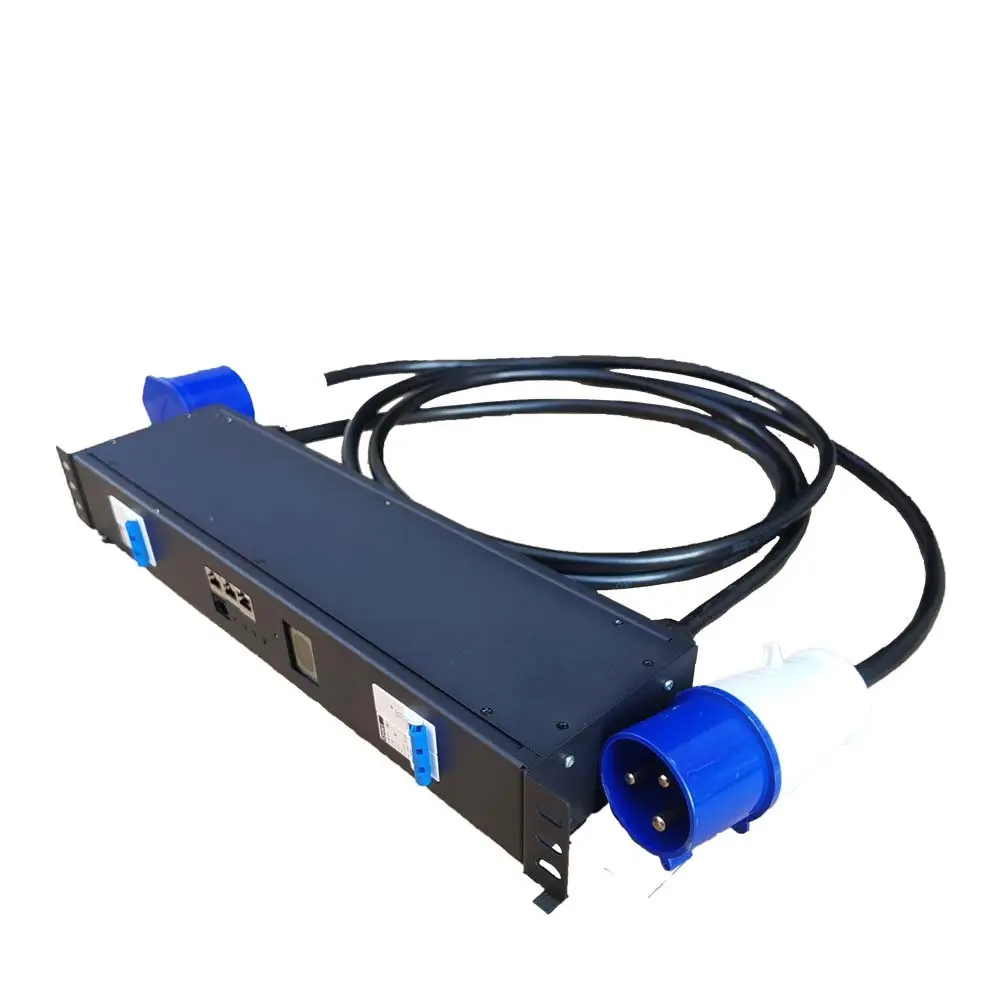
The power input section connects the PDU to your facility’s main electrical supply and establishes the first line of defense against electrical hazards.
Critical Safety Warning: Never exceed the PDU’s rated current capacity. Overloading causes overheating, electrical fires, and irreversible equipment damage. Always use a properly grounded outlet and never bypass the main circuit breaker.
This section delivers regulated power from the PDU to your connected devices.
Protection features are non-negotiable for preventing costly equipment damage and ensuring electrical safety.
All YOSUN PDUs comply with global safety standards such as GS, CE, VDE, ULBS, CB, CCC, and RoHS, ensuring compliance in every major market.
These components manage how power is delivered and give you granular control over your infrastructure.
Studies show that remote PDU monitoring reduces problem resolution time by 40% and lowers data center downtime by 30%.
Monitoring systems give you complete visibility into power usage and environmental conditions.
A PDU operates as a single integrated system, not a collection of separate parts:
This coordinated process ensures safe, efficient, and reliable power delivery 24/7.
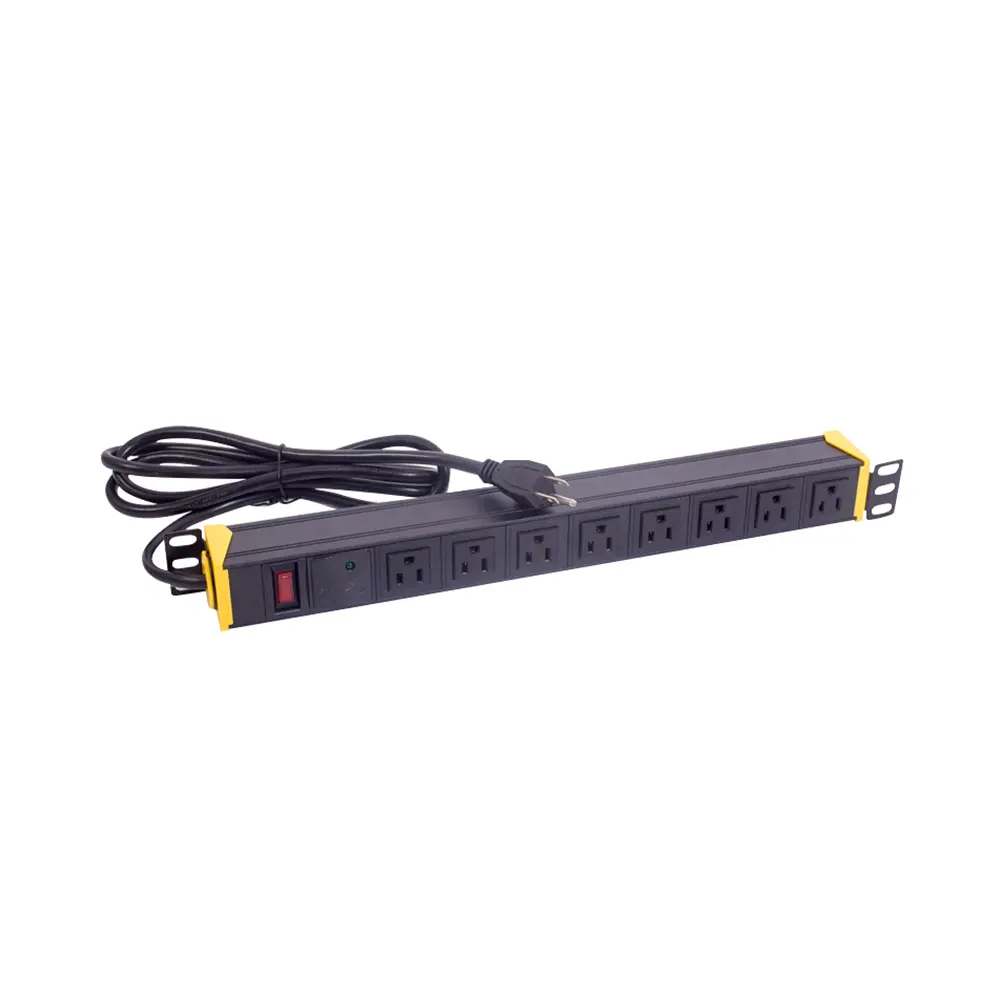
When selecting a PDU, prioritize these features to maximize reliability and scalability:
Solutions like YOSUN PDUs integrate all these capabilities into a single system. Our PDUs feature multi-stage surge protection, high-accuracy energy metering, and SNMP integration, making them ideal for both standard and high-density environments.
Choose the right PDU type based on your management needs:
| PDU Type | Core Components | Best For |
|---|---|---|
| Basic | Input cable, circuit breaker, outlets | Simple power distribution |
| Metered | Basic + real-time power meters | Energy monitoring and load balancing |
| Switched | Metered + relays + control board | Remote outlet control and reboot |
| Intelligent | Switched + environmental sensors | Advanced data center management |
Every component inside a PDU plays a vital role in delivering safe and stable power to your IT infrastructure. From the input cable that brings power in to the sensors that monitor performance, each part contributes to overall reliability and uptime.
Choosing a well-designed PDU with the right combination of protection, control, and monitoring features ensures long-term efficiency and reduces the risk of costly downtime. For the highest quality and performance, choose YOSUN PDUs—engineered to meet the demanding needs of modern data centers.
A PDU distributes electrical power to multiple devices within a server rack, ensuring safe, reliable operation of servers, switches, and storage systems.
Yes. Metered and smart PDUs provide real-time data on voltage, current, and energy consumption, helping you optimize efficiency and prevent overloads.
Basic PDUs only distribute power. Smart PDUs add remote monitoring, outlet-level control, and environmental sensing capabilities.
It prevents damage from sudden voltage spikes caused by lightning or power grid fluctuations, extending the lifespan of your sensitive IT equipment.
With proper maintenance, a high-quality PDU can last 10–15 years. Replace it if you notice signs of overheating, loose connections, or if it no longer meets your power requirements.