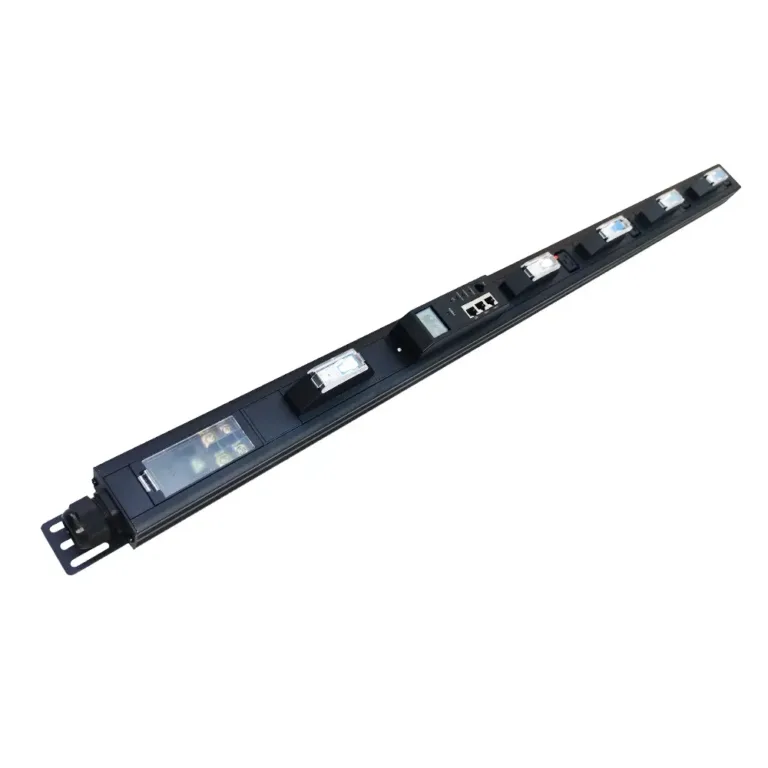
Key Features of Monitored Rack PDUs
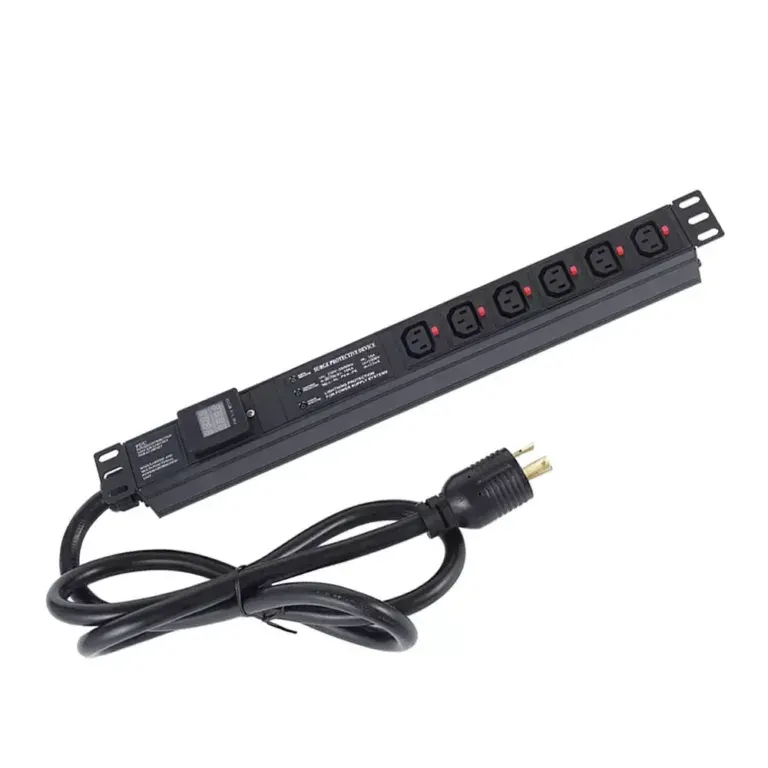
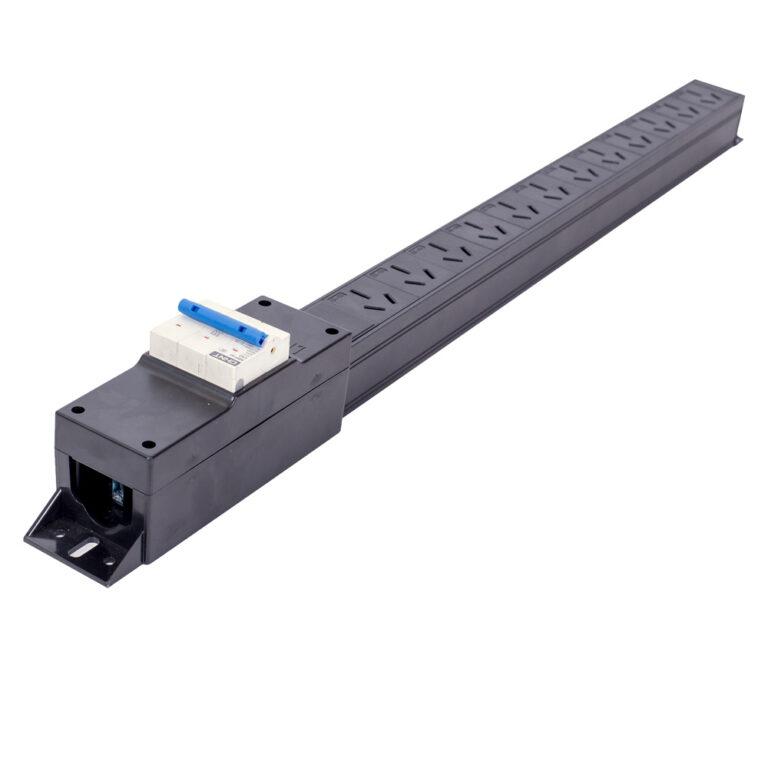
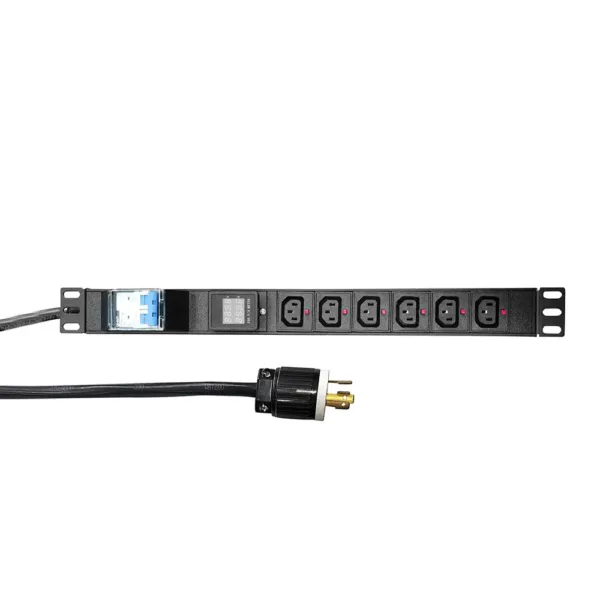
Monitored rack PDUs offer real-time power monitoring, load balancing, and environmental tracking, ensuring efficient and reliable IT power management.


+86 15867381241
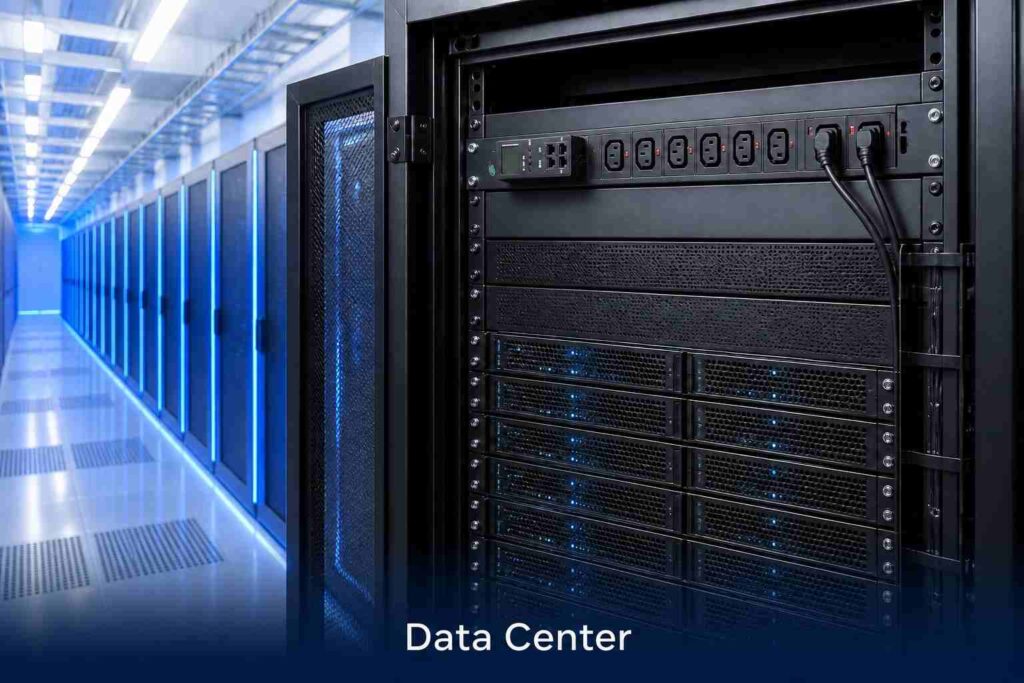
A Power Distribution Unit (PDU) is a critical device that distributes power from a single source to multiple pieces of electrical equipment. While widely recognized as a data center staple, PDUs serve diverse environments including industrial manufacturing facilities, healthcare settings, offices, and network closets.
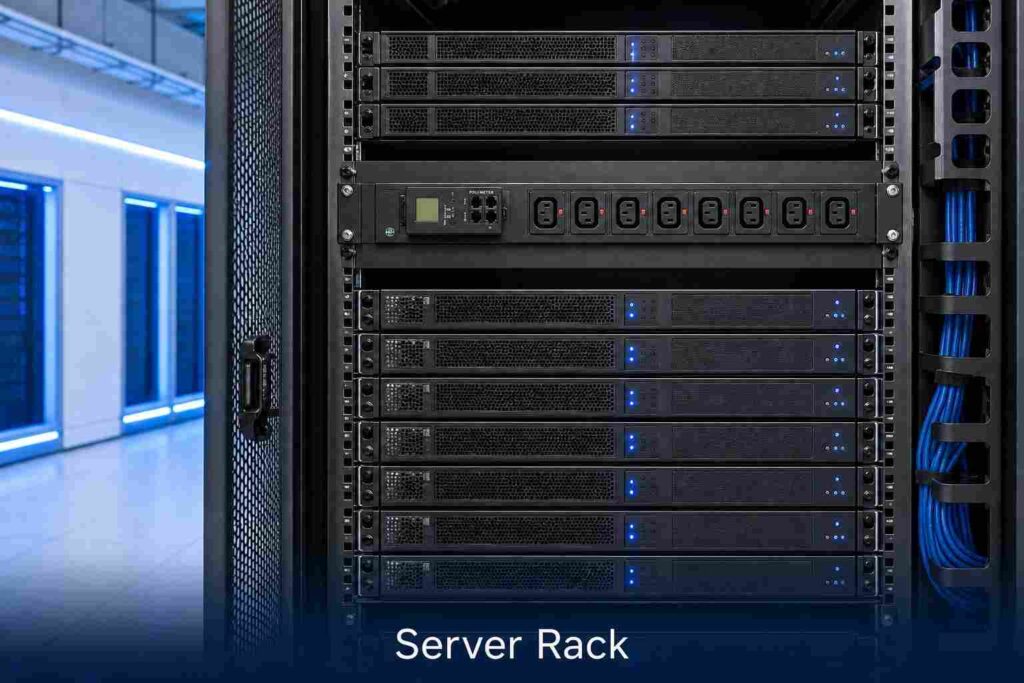
Data centers rely on rack Power Distribution Units (rPDUs) to deliver power to servers, storage arrays, and network switches. Intelligent PDUs (iPDUs) add advanced monitoring and control capabilities on top of core distribution functions.
There are three primary PDU tiers for data center racks, aligned with operational complexity and management needs. For example, NBYOSUN offers three standard tiers for rack deployments:
When integrated with Data Center Infrastructure Management (DCIM) software via protocols like SNMP v2/v3, Redfish RESTful API, JSON-RPC, and Modbus/TCP, raw PDU data unlocks actionable operational insights:
For high availability, enterprise data center racks typically use dual metered PDUs (A/B feeds) connected to separate breaker panels and ideally separate UPS systems. To maintain true 2N redundancy, loads are kept below 40% of each PDU’s maximum capacity during normal operation, allowing one feed to carry the full 80% load instantly if the other fails without tripping its breaker.
Key safety certifications for rack-mounted PDUs include UL 62368-1, CE, and IEC standards, plus a 60°C ambient rating for continuous operation in high-temperature server aisles. Magnetic-hydraulic circuit breakers ensure durability for over 10,000 trip cycles.
Edge computing deploys compute resources close to data sources—factories, warehouses, retail locations, cell towers, and oil rigs. These sites often lack on-site IT staff and operate in harsh conditions, making intelligent PDUs an essential infrastructure component.
Intelligent PDUs directly address the unique challenges of remote edge sites:
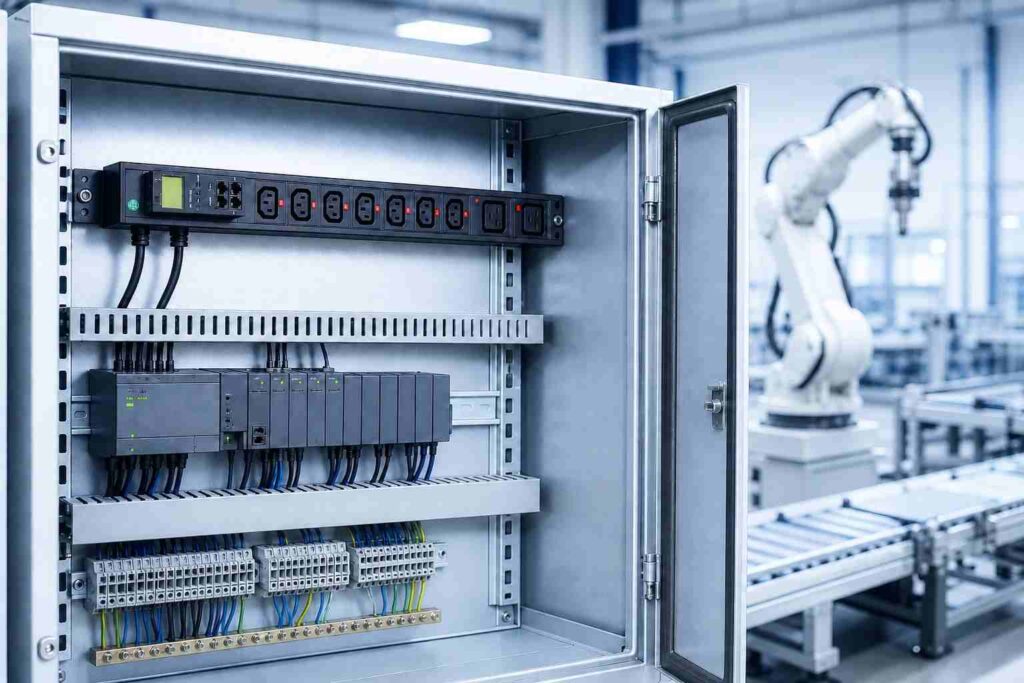
Industrial and healthcare settings have specialized power requirements, from noise immunity for precision machinery to life-safety compliance for patient care equipment.
Factory and manufacturing environments demand PDUs that protect sensitive machinery from poor power quality and withstand harsh operating conditions.
| Feature | Function |
|---|---|
| EMI filtering | Reduces electromagnetic interference from nearby heavy equipment |
| Surge suppression | Guards against voltage spikes from machinery and lightning strikes |
| Isolation transformers | Cleans noisy facility power signals for test labs and precision equipment |
Industrial PDUs are built to withstand demanding conditions:
Healthcare facilities require the highest power safety standards to protect patients and support life-critical equipment. Medical-grade PDUs comply with IEC 60601-1, the primary standard for medical electrical equipment, which mandates extra insulation, increased creepage and clearance distances, and low leakage current (UL 60601-1 limits leakage to 0.3 mA for Class I equipment).
Redundant power is critical for medical settings: Automatic Transfer Switching (ATS) units switch to backup power in under 100 milliseconds, ensuring uninterrupted operation for life-support systems and diagnostic tools. Surge protection also shields sensitive medical imaging and lab equipment from voltage transients.
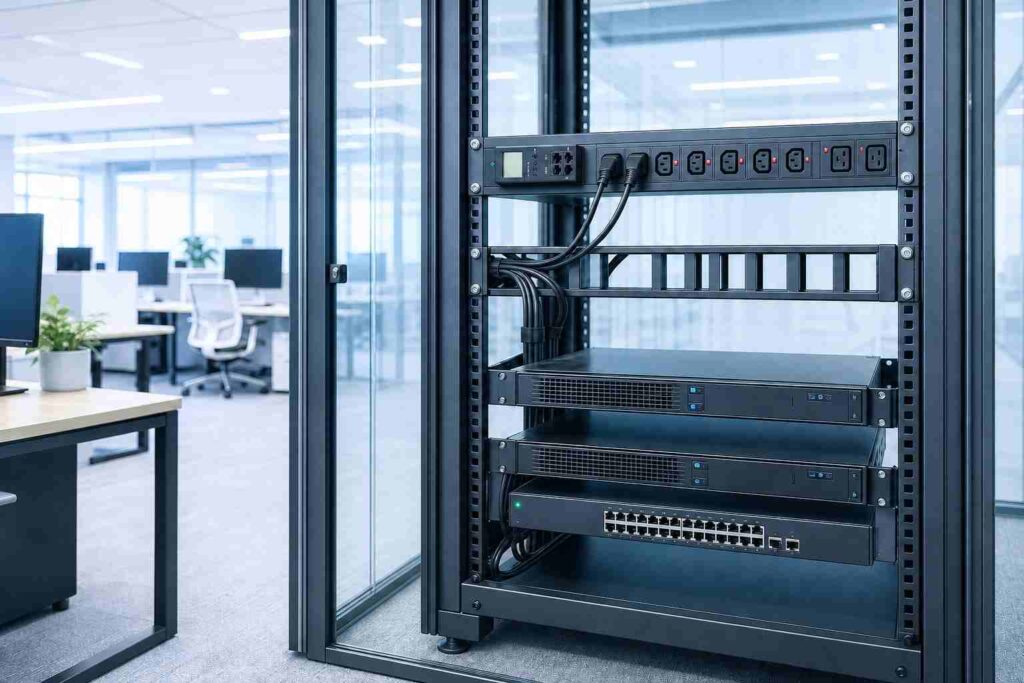
For small offices and network closets, PDUs provide simple, reliable power distribution for IT equipment and office devices while improving safety and organization.
Basic PDUs are ideal for low-density office environments, delivering power to desktop computers, monitors, and workstations while organizing cables and reducing clutter. Built-in circuit breakers protect against overloads and electrical fire risks by cutting power automatically when a fault occurs.
Metered PDUs are a step up for offices wanting energy visibility: they track total power consumption over time to identify inefficiencies, forecast capacity needs, and reduce energy costs.
Typical idle power draws for common office devices:
PDUs work alongside UPS systems to condition incoming power and provide battery backup during outages, bridging the gap until a generator starts and enabling safe, orderly equipment shutdown to prevent data loss.
Network closets house switches, routers, and patch panels that are critical to business communications. While enterprise switches have built-in redundancy protocols, these can take 10+ seconds to activate—too slow for mission-critical systems.
Combined PDU and UPS solutions deliver instant failover for continuous uptime. Intelligent PDUs also allow technicians to reboot locked switches remotely and set alerts for power fluctuations, reducing on-site maintenance visits and keeping communication channels active during emergencies.
The best PDU for your use case depends on your environment, operational needs, and compliance requirements:
Beyond type, consider mounting style, phase configuration, outlet type, and compatibility with existing UPS or DCIM systems to build a power solution that delivers reliability, efficiency, and long-term cost savings.
A basic PDU only distributes power with no monitoring. A metered PDU adds real-time current readings for load balancing and capacity planning. A switched (intelligent) PDU adds remote on/off control for individual outlets, enabling remote device reboots without on-site visits.
Choose a switched PDU when you need to remotely restart equipment or control power to individual outlets. A monitored PDU only reports power data without control capabilities. Switched PDUs are ideal for unstaffed edge sites and colocation data centers.
Yes. UPS systems condition incoming power and provide battery backup during outages, while PDUs distribute that clean, reliable power to individual computers, switches, and routers. This setup keeps critical equipment running without interruption.
Medical settings require IEC 60601-1 compliance for patient safety. Industrial environments typically benefit from UL, CE, and RoHS certifications, plus rugged enclosures and temperature ratings matched to operating conditions.
Intelligent PDUs provide remote power monitoring, environmental sensing (temperature, humidity, water leaks), and outlet-level switching. Out-of-band communication ensures access even if the primary network fails, allowing teams to resolve issues without traveling to the site.