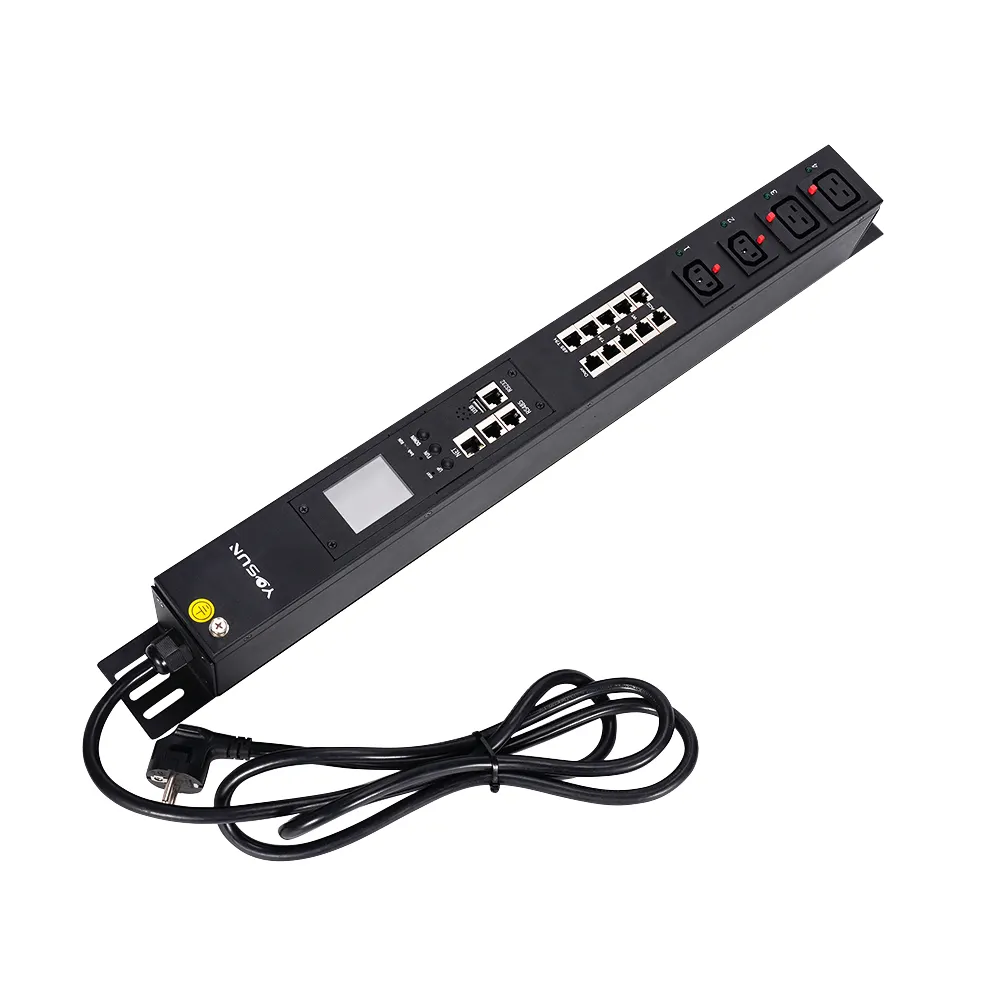
How Rack PDUs Work to Keep Your Servers Running Smoothly
A rack PDU distributes power, balances loads, and protects servers from outages, ensuring reliable and efficient operation in your data center.


+86 15867381241
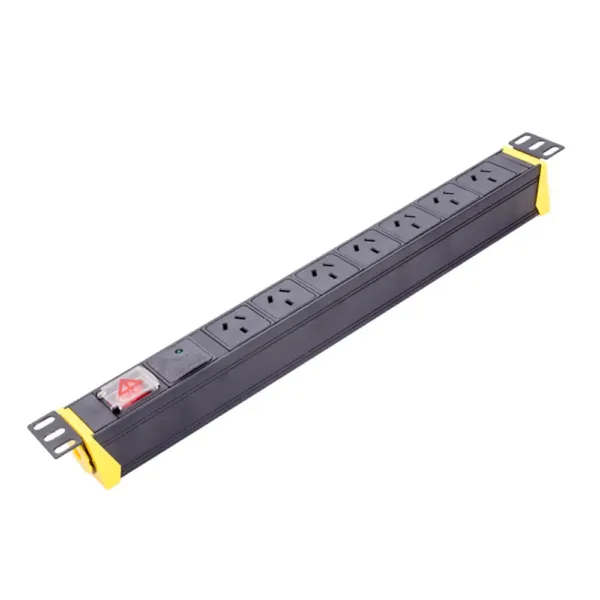
Data centers, server rooms, and telecom facilities rely on stable, safe power distribution. A Power Distribution Unit (PDU) is the device that makes this possible. It takes a single power source and distributes it to multiple devices — from servers and switches to industrial equipment.
But PDUs do more than just “split” power. They help prevent overloads, improve energy efficiency, and in some cases, let you control power remotely.
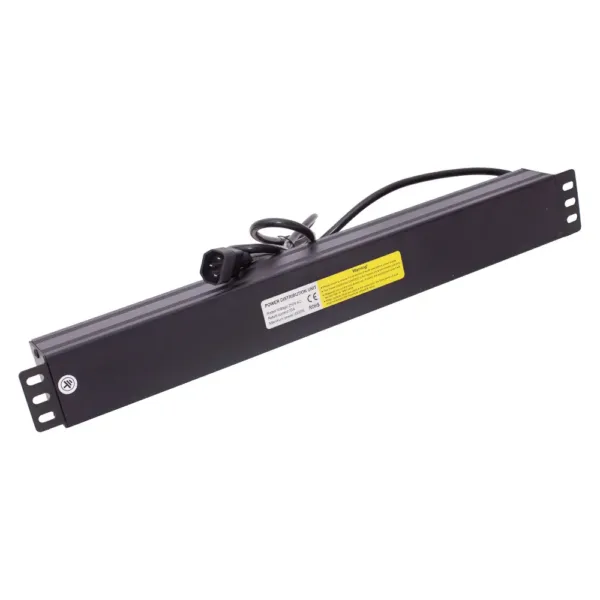
A Power Distribution Unit (PDU) is a device that receives power from a main electrical source and distributes it to multiple connected devices, such as servers, network hardware, and machinery. In data centers and IT rooms, its primary function is to provide a reliable, organized power supply so all equipment can operate continuously.
Unlike a standard power strip, a PDU is built for industrial and commercial use, focusing on safe power delivery rather than just basic expansion. It acts as the critical link between the building’s power supply and the rack-mounted equipment.
PDUs are widely used across various industries and facilities, including:
Data Centers, IT and Server Rooms, Telecommunications, Industrial Facilities, Commercial Buildings, Healthcare Settings, Retail Spaces, Education Environments
PDUs are critical for maintaining operational stability and preventing power failures in these environments.
A PDU consists of several vital components that work together to manage and distribute electricity:
Each component plays a unique role in safe and efficient power distribution. Routine maintenance of these parts extends the service life of the PDU.
Tip: Checking these parts often helps the PDU work well and stops problems.
Beyond simple power distribution, PDUs perform several key electrical functions to protect equipment and stabilize operations:
These functions separate professional PDUs from standard power strips, making them indispensable in mission-critical environments.
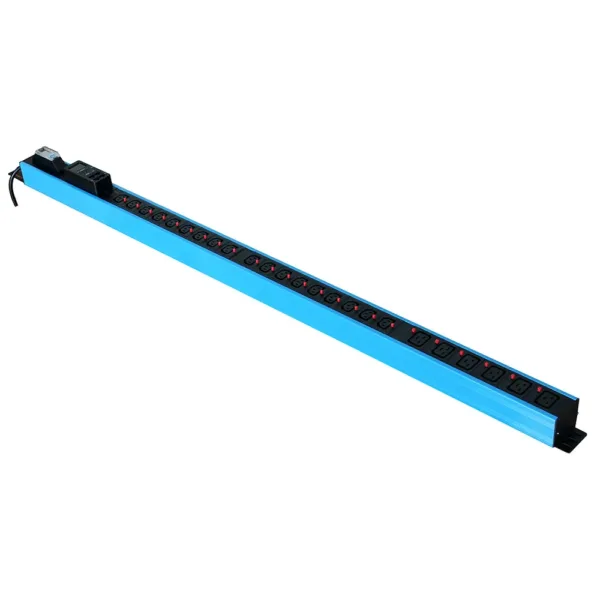
Organizations select PDUs based on operational needs, with YOSUN offering basic, metered, smart, and heavy-duty models. The table below compares key PDU types:
| PDU Type | Description | Key Features |
|---|---|---|
| Basic PDU | Distributes power without monitoring functions | Cost-effective, simple installation, reliable |
| Metered PDU | Displays real-time power consumption data | Load monitoring, overload prevention |
| Smart PDU | Enables remote power control and monitoring | Remote access, alert systems, energy management |
| Heavy Duty PDU | Handles high-power loads in harsh environments | High capacity, rugged housing, enhanced protection |
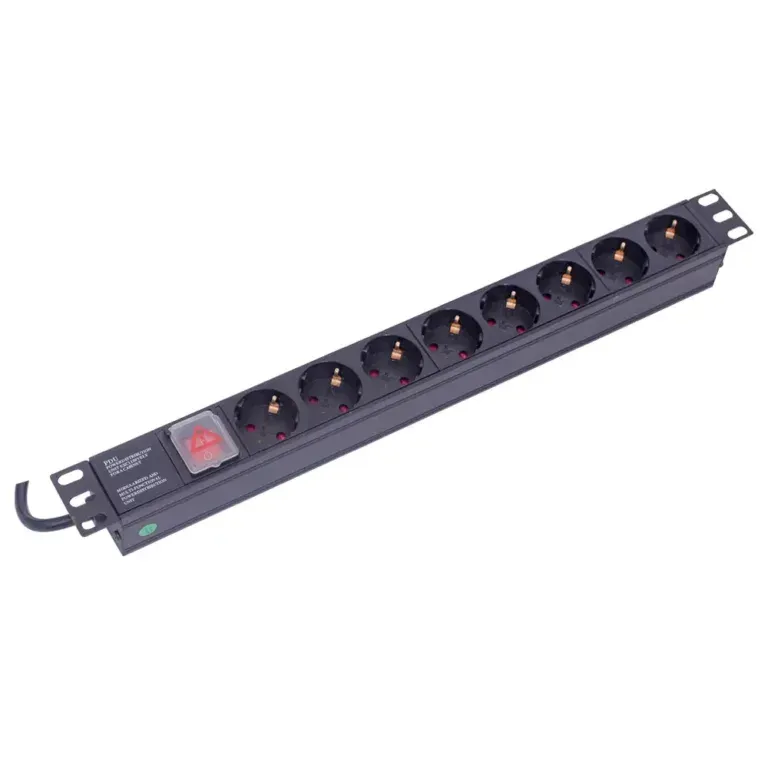
A basic PDU is like a large multi-device power outlet, delivering power from one power source to multiple outlets. While lacking fancy features, this rack-mounted PDU provides secure and stable power. Basic PDUs are commonly used in offices, network server rooms, and small server rooms because they are simple to use and offer good performance.
Note: Some basic YOSUN PDU models come with locking sockets and colored plugs for better organization.
Basic PDUs are used in the following situations:
Metered PDUs help users understand their device’s power consumption. They are equipped with a screen that displays real-time power usage data. This helps balance power and prevent circuit overload. In data centers, metered PDUs allow for safer and more efficient use of electricity.
The table below compares the functionality of metered PDUs with other types of PDUs:
| Feature | Metered PDU | Other Types of PDU |
|---|---|---|
| Real-time power display | Yes | Sometimes |
| Load balancing help | Yes | No |
| Local monitoring | Yes | Limited |
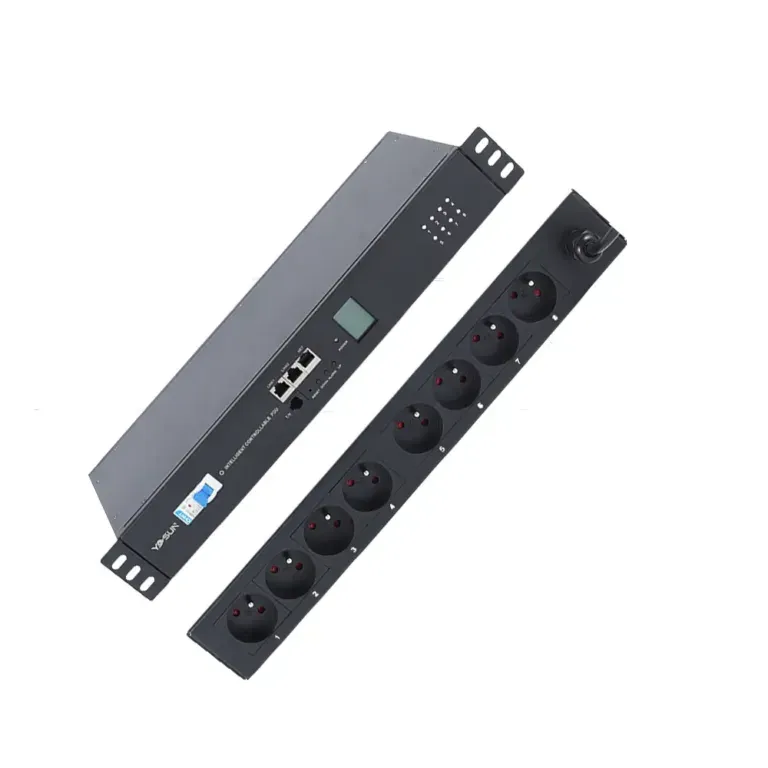
A smart PDU gives people the most control and info.They connect to a network, allowing you to monitor and manage power anytime, anywhere. Intelligent PDUs can send alerts, track energy consumption, and independently control each outlet. They are typically equipped with temperature and humidity sensors to ensure safety.
Intelligent PDU Features:
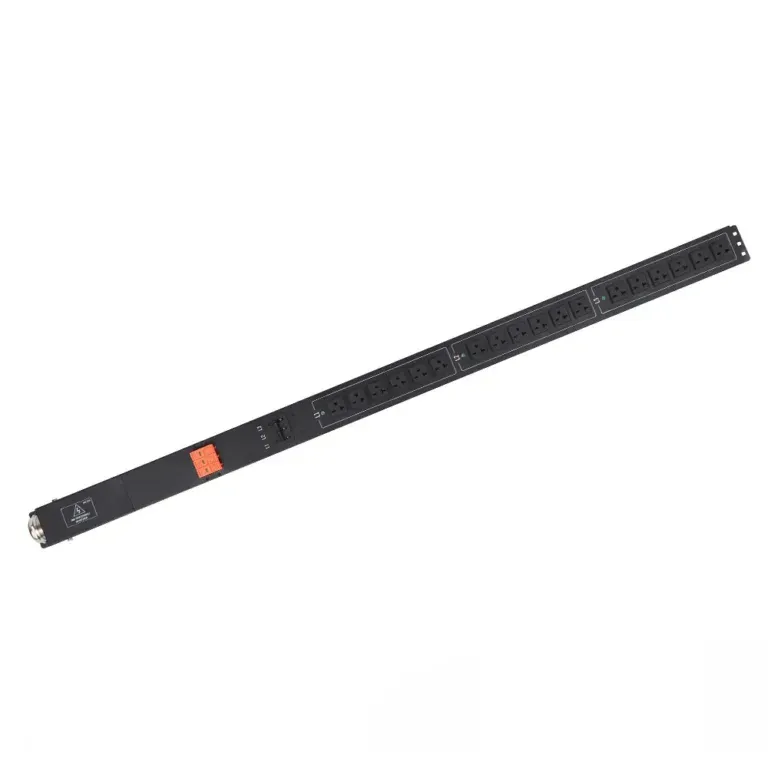
Heavy-duty PDUs are capable of handling high power and operating stably in harsh environments. These rack-mounted PDUs can withstand high current and high voltage, making them ideal for locations such as large data centers, factories, and hospitals. Heavy-duty PDU models feature a robust enclosure, additional safety protection, and can be equipped with backup power.
Some features of heavy-duty PDUs:
Applications of heavy-duty PDUs:
Tip: Choosing the right PDU depends on your location and required level of control. YOSUN can help you customize rack-mounted PDUs to meet any special needs.
PDUs must match regional voltage standards and plug formats to ensure compatibility and safety. Different regions and devices require specific electrical configurations, which is why customizable options from brands like YOSUN are critical for global deployments.
| Voltage Specification | Application |
|---|---|
| Up to 120V | Residential and small office use |
| 120-240V | Commercial and IT environments |
| 240-400V | Industrial and large facilities |
| Above 400V | Specialized high-power equipment |
| Region | Voltage | Plug Type |
|---|---|---|
| North America | 120, 208, 240V | NEMA 5-15P, NEMA L6-20P |
| Europe | 230V | IEC 60320, Europlug |
| United Kingdom | 230V | BS 1363 |
High-quality PDUs rely on professional protection systems to avoid circuit overloads and equipment damage. The type and level of protection directly determine safety and reliability in mission-critical environments.
YOSUN PDUs integrate multiple protection mechanisms and comply with international safety certifications including UL, CE, and IEC CB.
| Protection Mechanism | Function |
|---|---|
| Circuit Breakers | Trips to cut power during overcurrent events |
| Fuses | Breaks the circuit under excessive current |
| Latching Current Limiters | Restricts current and shuts down during prolonged overloads |
When selecting a PDU with remote functions, focus on these practical capabilities to meet data center management demands:
A Power Distribution Unit serves as the foundation of safe and stable power supply for modern IT and industrial facilities. From basic power distribution to intelligent remote management, different PDU models satisfy diverse operational needs. When selecting a PDU, key factors including voltage compatibility, overload protection, and monitoring features should be prioritized. Partnering with a reliable manufacturer like YOSUN ensures durable, customizable, and secure power solutions for all critical operations.
A PDU acts as a centralized power hub, distributing stable electricity from the main power source to servers, network hardware and other rack-mounted equipment. It also provides protection against overloads and voltage fluctuations to ensure continuous and safe operation.
Basic PDUs only distribute power without any monitoring features. Metered PDUs display real-time power usage to prevent overloads. Smart PDUs support remote monitoring, independent outlet control, automated alerts and integration with data center management systems.
Yes, high-quality PDUs are equipped with circuit breakers, fuses and current limiters to guard against overcurrent, overloads and electrical faults. Reliable models from YOSUN also meet international safety certifications for enhanced protection.
When selecting a PDU, consider regional voltage and plug compatibility, required safety protection features, remote management needs, power load capacity and installation environment. Customizable options can better fit specific industrial or IT setups.
Remote monitoring is recommended for data centers, large server rooms and critical facilities. It helps track power usage, send failure alerts, enable remote rebooting and optimize overall energy management efficiency.