3 Phase PDU vs Single Phase: Which Wins?
Compare 3 phase PDU vs single phase to find the best fit for your power needs. Learn about their efficiency, capacity, and ideal applications for any setup.


+86 15867381241
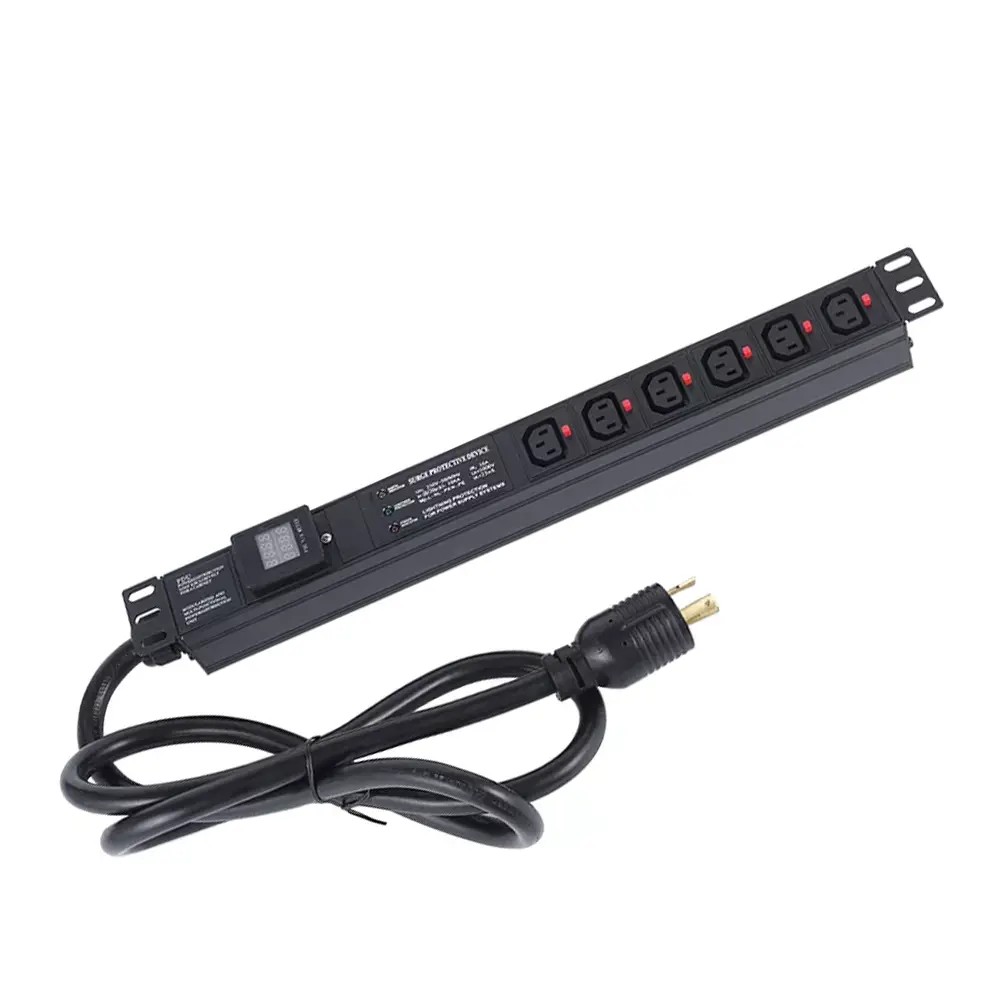
PDU ratings specify the maximum electrical load a Power Distribution Unit can safely support. They are typically defined by current (amps), voltage, power capacity (kW or kVA), and whether the PDU is designed for single-phase or three-phase power. Understanding these ratings is essential for selecting the right PDU, preventing overloads, and ensuring reliable power distribution in data cabinets and server racks. As a professional PDU manufacturer, YOSUN provides fully compliant rack PDUs that meet international safety standards and deliver dependable performance for data centers and enterprise IT environments.
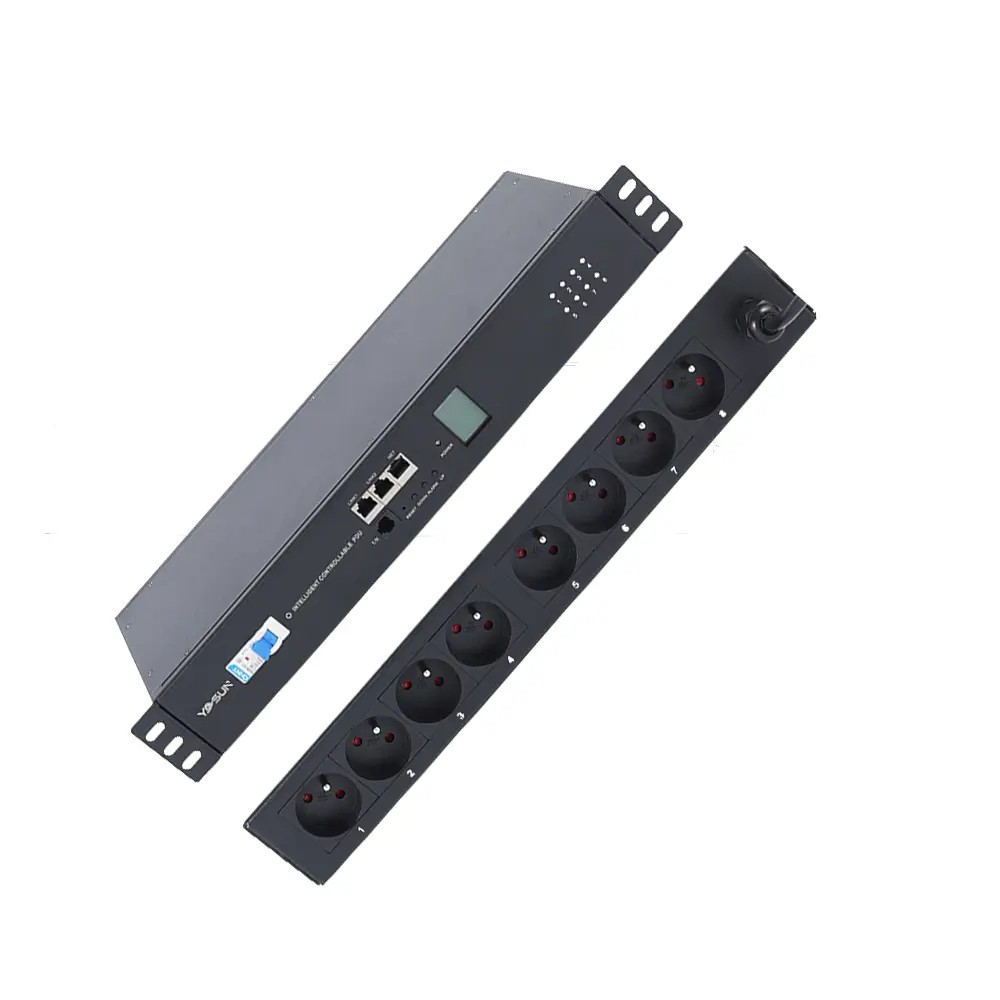
PDUs are rated across four core electrical dimensions, all of which must align with your facility’s power infrastructure and connected equipment.
The current rating indicates the maximum continuous electrical current the PDU can safely carry, measured in amperes (amps). Standard rack PDUs are commonly rated for 15A, 20A or 30A, while custom industrial models can support up to 400A.
Exceeding the rated current for extended periods causes overheating, insulation degradation and tripped breakers. This rating is the most fundamental parameter for preventing overload incidents.
The voltage rating defines which electrical systems the PDU is compatible with. Common configurations include:
Selecting the correct voltage rating ensures safe operation and compatibility with upstream power supplies.
The power rating describes the total power the PDU can deliver to connected loads, measured in kilowatts (kW, active power) or kilovolt-amperes (kVA, apparent power). The two are related by the formula:
kVA = kW ÷ Power Factor
Power ratings are used to match PDU capacity to total equipment load. Modern high-density data center racks can require up to 20 kW or more per cabinet, making accurate power sizing critical.
Note: Per North American NEC regulations, continuous loads must not exceed 80% of the PDU’s rated capacity. This safety margin prevents overheating during long periods of full-load operation.
Understanding nameplate and component ratings ensures safe, code-compliant installation and operation.
Every PDU has a permanent nameplate with key safety and performance data:
Always verify nameplate values before installation or before adding new equipment to the circuit. These values represent the official safe operating limits for the unit.
Internal circuit breakers and individual outlets have their own independent ratings:
Standards such as UL 62368 and IEC 62368-1 set additional safety requirements for PDU construction and component ratings.
Maximum load capacity is the actual safe operating limit for real-world use, calculated by applying the 80% continuous load rule to the nameplate rating. For example:
Always size loads against this continuous capacity, not the absolute maximum nameplate value.
Three common mistakes lead to poor PDU selection and safety risks:
Understanding PDU ratings helps avoid all three issues, supporting safe, cost-effective and future-proof deployments.
Overload is one of the leading causes of PDU and power system failures. Operating within rated limits prevents excessive heat buildup, reduces the risk of breaker trips and avoids fire hazards. Always calculate total connected wattage before plugging equipment into a PDU.
Properly rated PDUs with overcurrent protection automatically cut power if loads exceed safe limits, preventing damage to expensive servers and network hardware. Matching PDU ratings to equipment requirements also ensures stable, clean power delivery for better equipment reliability.
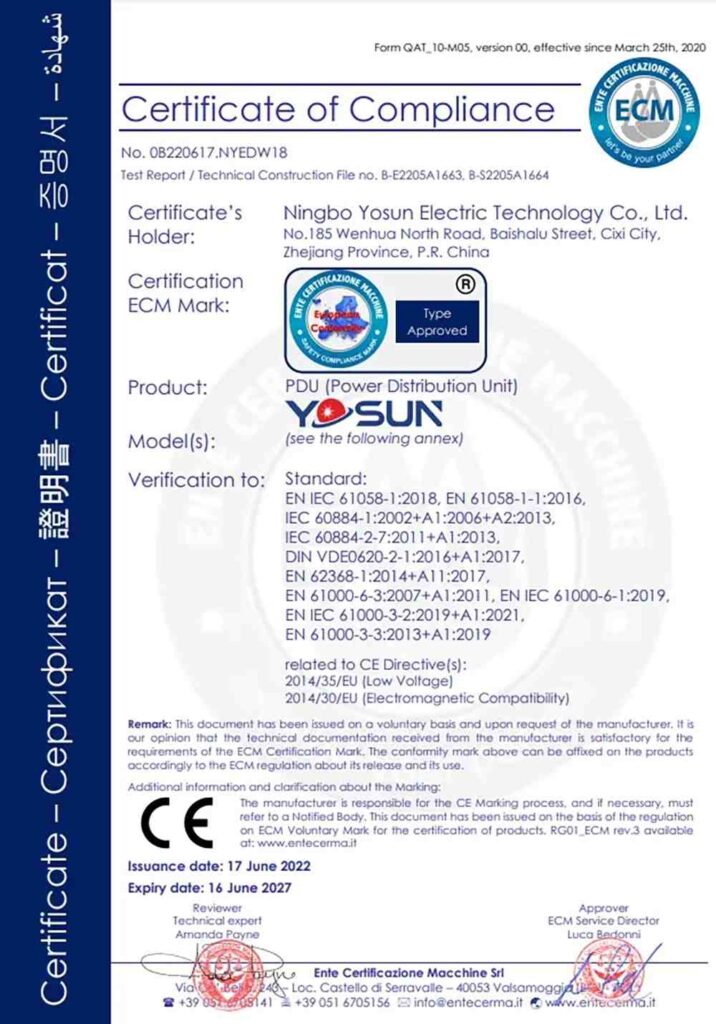
Reputable PDUs are tested and certified to international safety standards:
| Standard | Scope |
|---|---|
| UL Listed | North American safety certification for electrical equipment |
| CE Mark | European Union safety, health and environmental compliance |
| IEC 62368-1 | International IT and communications equipment safety standard |
| FCC Compliance | Electromagnetic emission requirements for commercial environments |
Certified PDUs from brands like YOSUN help data centers meet regulatory and audit requirements for electrical safety.
The PDU rating defines the maximum current, voltage and power the unit can handle safely under specified operating conditions. These values are used to prevent overloads and protect connected equipment.
Start by calculating the total wattage of all connected devices, then verify voltage and phase compatibility. Select a model with at least 20% spare capacity for future growth. YOSUN offers PDU options for all server room and data center use cases.
The 80% continuous load rule prevents overheating and electrical degradation caused by extended full-load operation. It is a core safety requirement defined in the NEC for all branch circuit equipment.
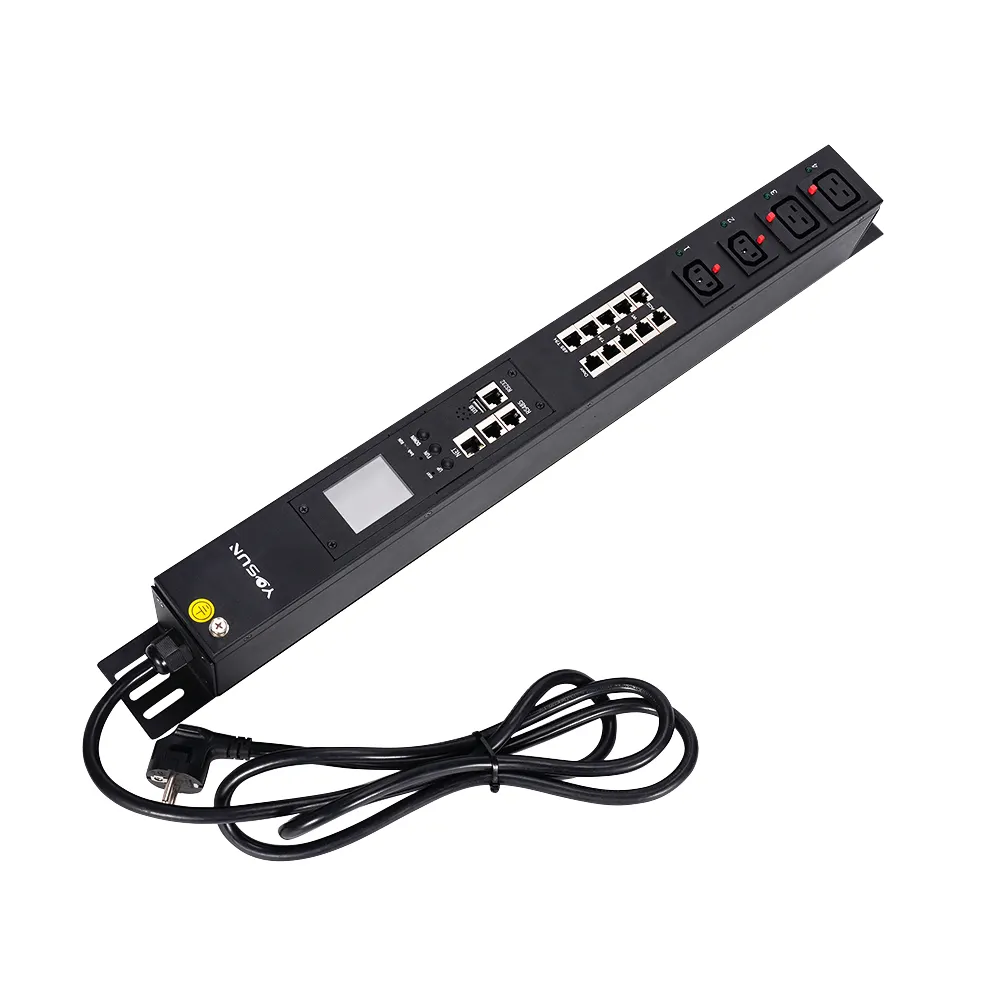
YOSUN provides Basic, Metered, Smart and Heavy Duty PDUs. Smart models support remote monitoring and outlet control, while Heavy Duty models handle high-current industrial loads.
Perform visual and load checks monthly, with deeper quarterly and annual maintenance. Regular inspection identifies early signs of wear and keeps power distribution systems operating safely.