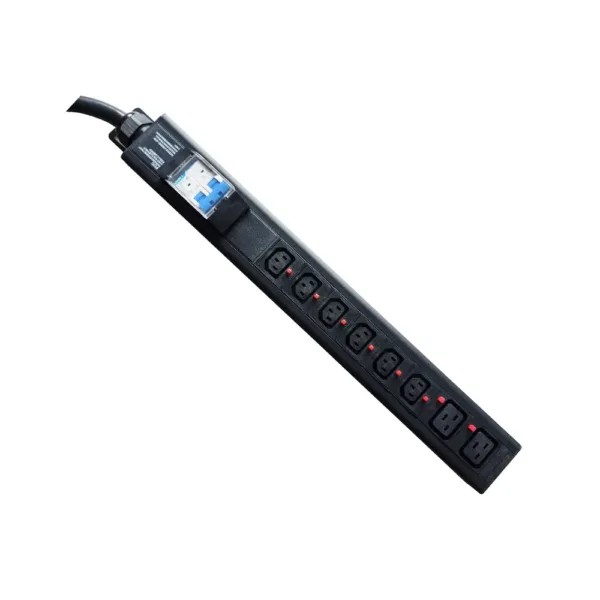
What is the difference between C13 and C14 PDU?
The main difference between C13 and C14 in PDUs is their gender and function: C13 is a female socket (outlet) found on PDUs and power...


+86 15867381241
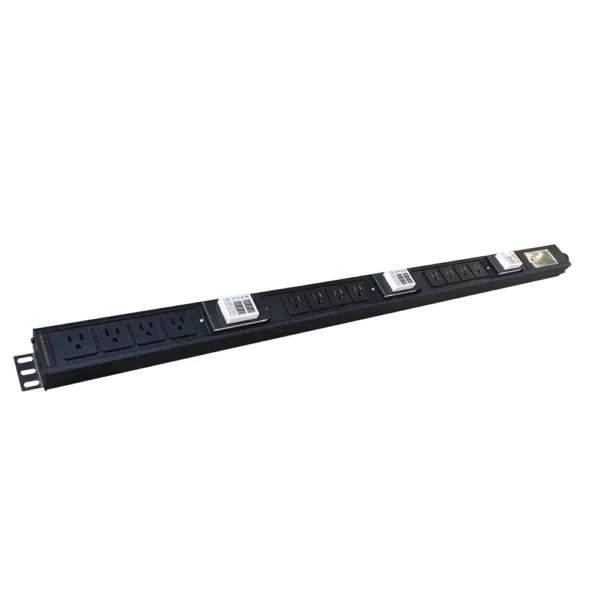
No, a PDU (Power Distribution Unit) is not just a power strip. While both devices expand the number of available power outlets, they are engineered for entirely different use cases, power capacities and reliability standards. Power strips are consumer-grade products for low-demand home and small office use, while PDUs are industrial-grade power management devices built for 24/7 continuous operation in data centers, server rooms, telecom sites and manufacturing facilities.
A power strip is a simple consumer device that extends a single wall outlet to multiple sockets. It is designed for light, intermittent use with low-power electronics like chargers, monitors, TVs and small desk appliances.
Most power strips have 2–8 standard domestic outlets and run on standard single-phase household power. Some include basic surge protection, but this is not universal. They are not engineered for 24/7 high-load operation and are not intended for critical IT or industrial equipment.
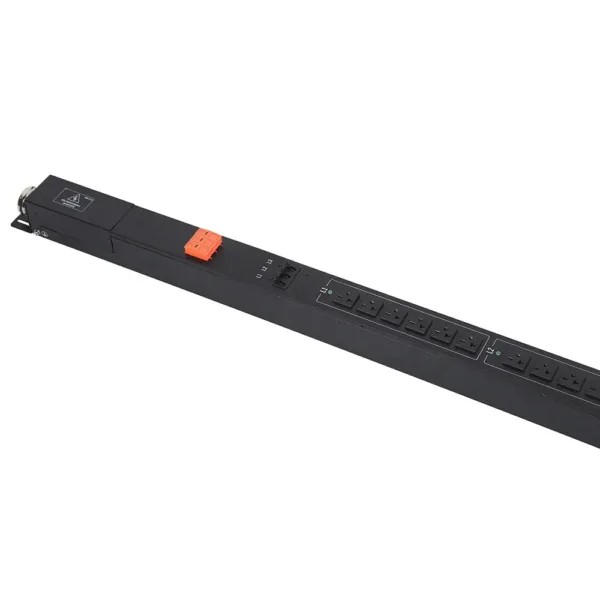
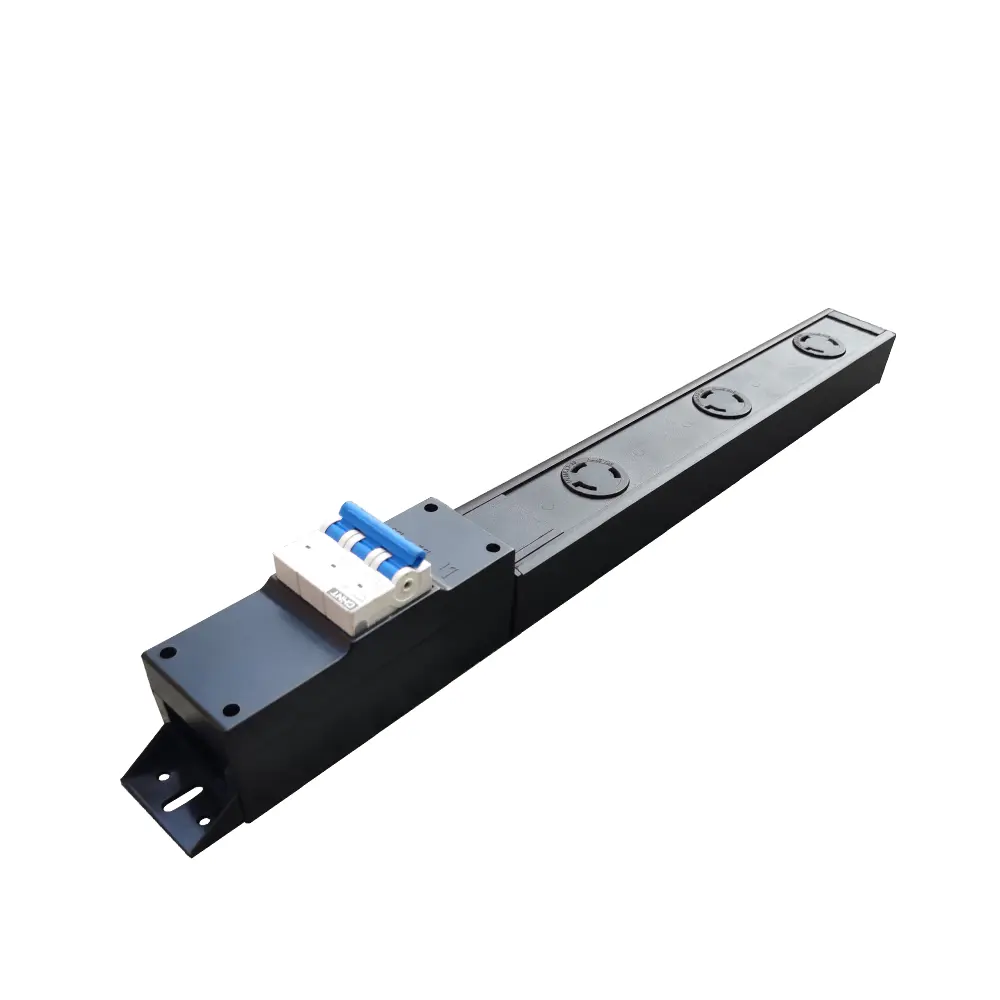
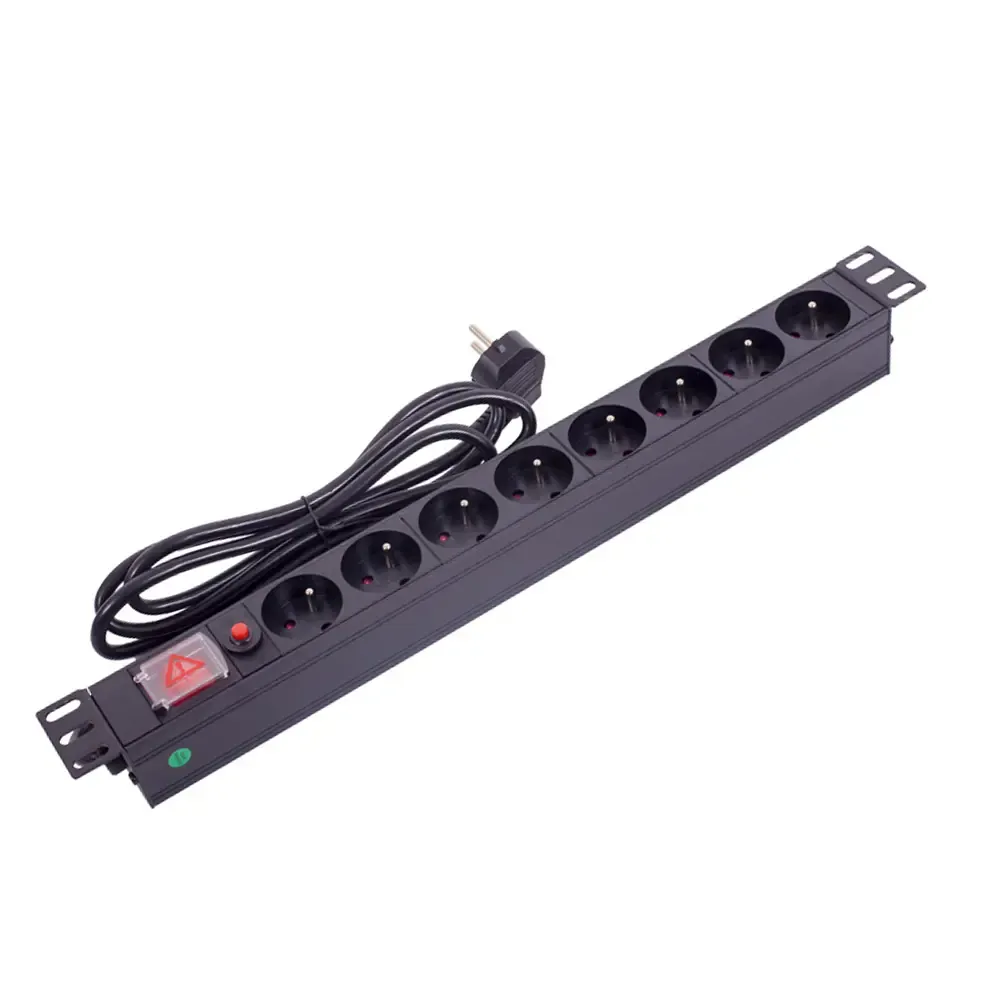
A power distribution unit (PDU) is a professional-grade device designed to distribute electrical power from a single source to multiple connected devices. Unlike a standard power strip, a PDU is built for continuous operation, higher power loads, and demanding commercial, industrial, and IT environments.
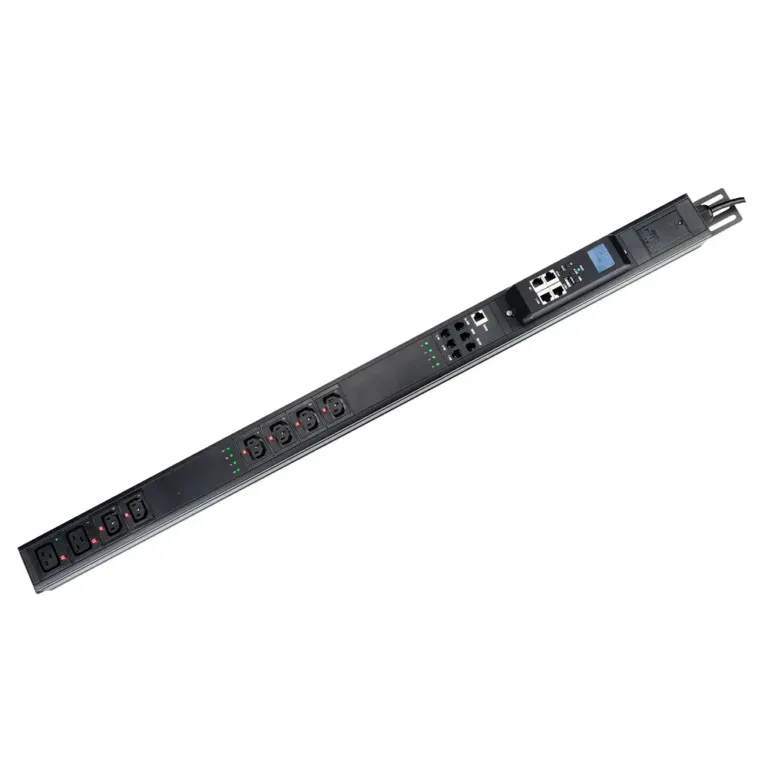
In addition to providing reliable power distribution, many PDUs offer advanced features such as power monitoring, load balancing, remote management, and circuit protection to help improve system reliability and uptime.
PDUs are available in a variety of form factors, including rack-mounted, floor-standing, overhead busway, and cabinet-integrated designs, making them suitable for data centers, server rooms, industrial facilities, and other mission-critical applications.
The most fundamental difference is power handling capability. Power strips are rated for standard household 15A circuits, delivering a maximum of roughly 1800 watts — enough for a few small consumer devices. PDUs support much higher amperages and both single-phase and three-phase input, with capacities up to 7200W and beyond for dense IT racks and industrial machinery.
| Device Type | Typical Amperage | Maximum Power |
|---|---|---|
| Standard power strip | 15A | ~1800W |
| Rackmount PDU | 15A, 20A, 30A | Up to 7200W |
PDUs also use thicker gauge wiring and heavy-duty connectors to handle sustained loads without overheating. Standard power cords typically range from 6–15 feet, with custom longer lengths available for special installations.
PDUs are built to strict industrial safety standards, with integrated circuit breakers for overload and short-circuit protection. Basic PDUs prioritize overload protection, while many premium metered and smart PDUs also include built-in surge suppression to protect sensitive IT equipment.
All professional PDUs carry third-party safety certifications:
Consumer power strips, by contrast, have far lighter build quality and often only basic, uncertified surge protection. They are not tested for 24/7 industrial use.
Mid-tier and premium PDUs include active power management features no power strip can match:
Power strips have no intelligent functionality — they simply pass power through to connected outlets.
PDUs are purpose-built for professional infrastructure. Most models are designed for standard 19-inch server rack mounting, with vertical and horizontal options to optimize cable management. Larger facilities use floor PDUs, power distribution cabinets and overhead busways to deliver power across entire data halls.
Power strips are almost exclusively free-standing desktop devices, with no mounting or industrial integration design.
A standard power strip is appropriate only for low-demand, non-critical scenarios:
Never use a consumer power strip for server hardware, industrial machinery or critical business equipment.
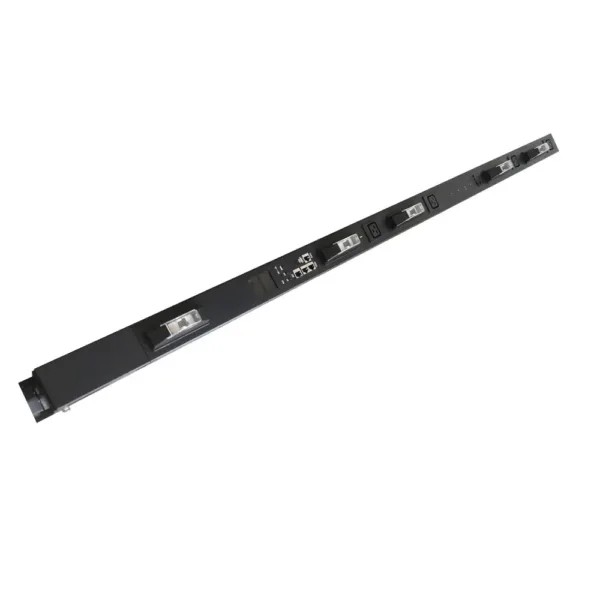
A PDU is required for any environment with high-density, high-power or critical equipment:
NBYOSUN offers a full portfolio to match these use cases, from basic rack PDUs for small server rooms to networked smart PDUs for large data centers. All models meet international safety standards and can be configured with custom outlet layouts and communication protocols.
While both PDUs and power strips add extra power outlets, they are not interchangeable. A power strip is a low-cost consumer accessory for light home use, while a PDU is an industrial-grade infrastructure component built for safe, reliable 24/7 power management of critical equipment. Choosing the wrong device for high-load or IT environments creates safety risks and can cause costly equipment damage and downtime.
As a professional PDU manufacturer, NBYOSUN offers rack PDUs and intelligent power distribution solutions to help businesses improve power reliability and operational efficiency. Contact our team to find the right PDU for your application.
A PDU distributes electrical power to multiple devices in a controlled, safe manner. In professional environments, it also provides load monitoring, overload protection and optional remote management to keep equipment running reliably.
No. Consumer power strips lack the power capacity, safety ratings and durability required for server room use. They pose fire and equipment damage risks under sustained high loads, and offer no monitoring or overload protection for critical hardware.
Not all. Basic PDUs focus on power distribution and overload circuit protection. Surge suppression is a standard feature on most premium metered and smart PDU models. Additional external surge protection can be added for facilities with unstable grid power.
A metered PDU shows real-time power usage data for load tracking. A smart PDU adds per-outlet remote on/off control, environmental sensing, alerting and network API integration for full remote power management.
Yes. NBYOSUN offers configurable options for power rating, outlet count and type, communication protocols, sensor support and mounting style to fit data center, telecom and industrial project requirements.