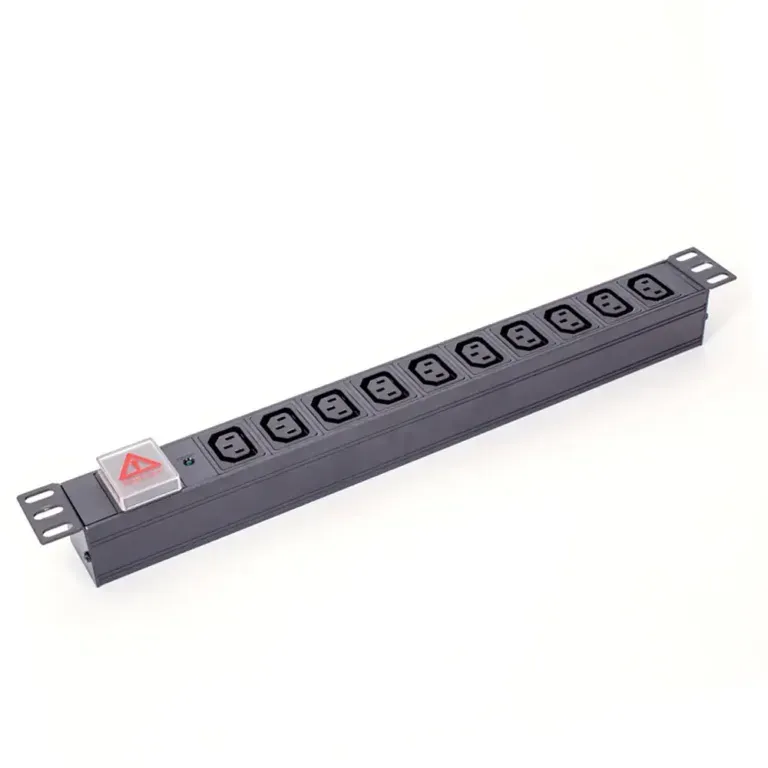
How to Choose the Right Rack PDU for Your Needs in 2025
Find out how to choose the right rack PDU for your IT needs in 2025. Learn how trusted rack PDU manufacturers ensure efficiency and reliability.


+86 15867381241
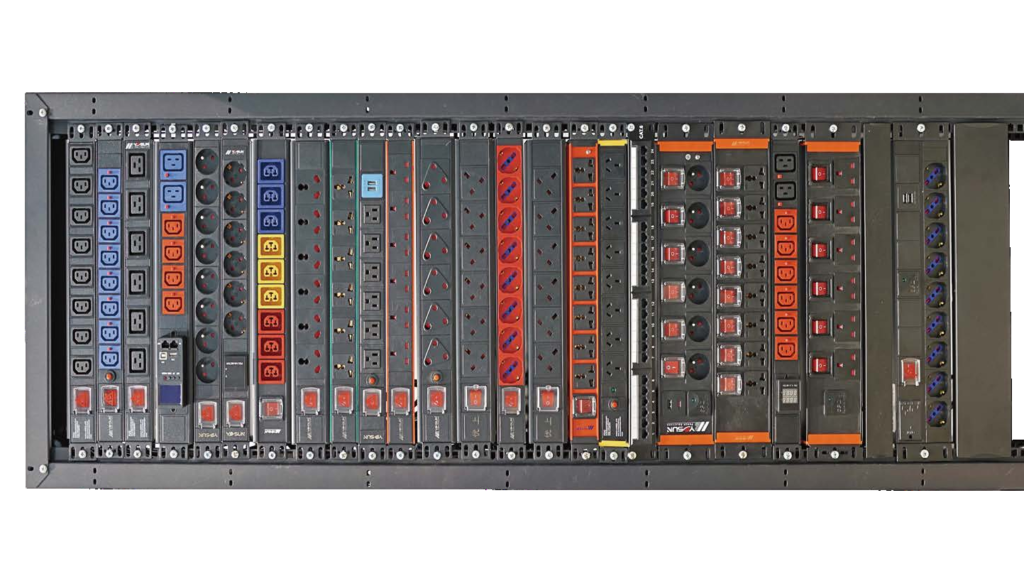
PDU provide either alternating current (AC) or direct current (DC) based on the power requirements of the equipment. Data centers PDU use AC PDUs to power computers and servers. Telecommunications companies use DC PDUs to maintain network stability. YOSUN is a trusted PDU manufacturer offering solutions for both types.
| Industry | Type of PDU | Applications |
|---|---|---|
| Data Centers | DC | Powering servers and storage systems |
| Manufacturing | AC | Powering heavy machinery and tools |
| Telecommunications | DC | Powering network equipment |
| Offices and Schools | AC | Powering computers and printers |
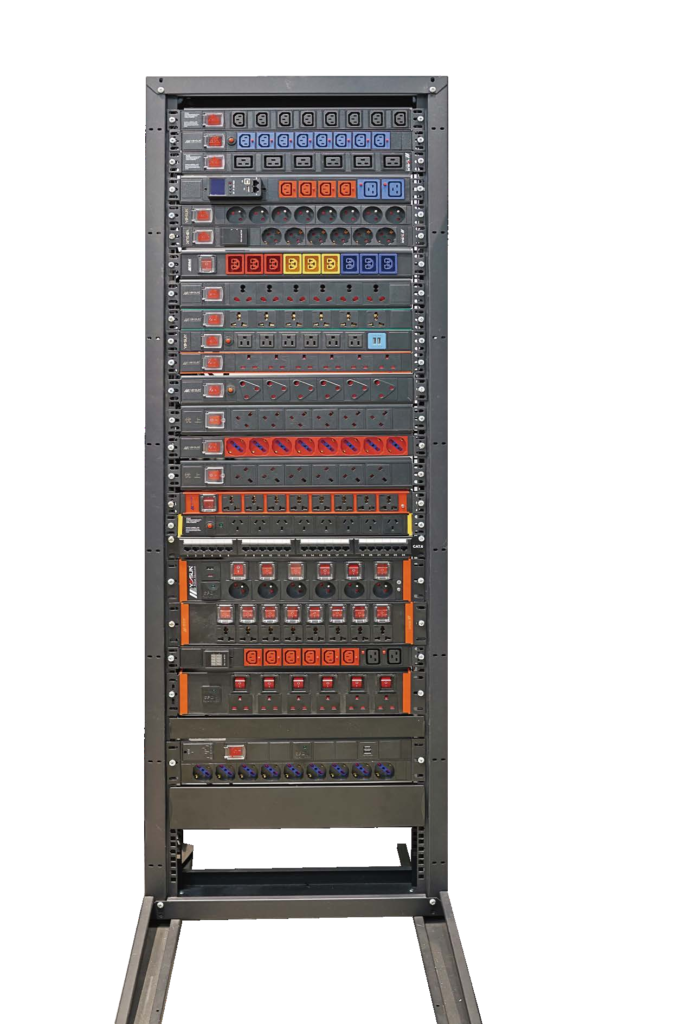
A Power Distribution Unit (PDU) helps control the power supply to a data center. It’s like a large power outlet. PDUs provide power outlets for servers and other equipment. They draw power from alternating current (AC) or direct current (DC) and then distribute that power to different devices. This work is crucial for power sharing in a data center.
PDUs play a vital role in the data center power chain. They power racks, ensuring equipment operates normally. PDUs can protect equipment from sudden power fluctuations. Some PDUs are intelligent and can be remotely managed. These intelligent PDUs can help administrators save energy and prevent problems. PDUs with switches help monitor overloads and perform quick checks.
PDUs help data centers operate better and track their power usage efficiency. This is called Power Usage Effectiveness (PUE).
PDUs can be either AC or DC. AC PDUs use reciprocating current.DC PDUs use unidirectional current. AC PDUs require a transformer and a backup power supply. DC PDUs use batteries as a backup power source, and battery replacement is more convenient. The table below lists their differences:
| Feature | AC Power | DC Power |
|---|---|---|
| Current direction | AC power direction changes | DC power direction is fixed |
| Transformers | Uses a transformer to reduce voltage | Does not use a transformer |
| Power interruption | Requires a UPS as backup power | Uses battery power, no conversion required |
| Standardization | Voltage/connector has established standards | Lack of standardization |
| Space | More complex, larger footprint | Simpler, smaller footprint |
| Scalability | Low modularity, more difficult to expand | High modularity, easy to expand |
| Run time | UPS has limited uptime | Battery packs have longer uptime |
| Load balancing | Three-phase systems require load balancing | Fewer load balancing issues |
| Efficiency | More conversions, greater power loss | Fewer conversions, higher efficiency |
YOSUN offers a variety of PDUs for data centers. They sell entry-level PDUs suitable for simple applications. Metered PDUs help monitor power. Intelligent PDUs give users better control over equipment. Heavy-duty PDUs are suitable for harsh environments. Each PDU helps maintain a stable and secure power supply.
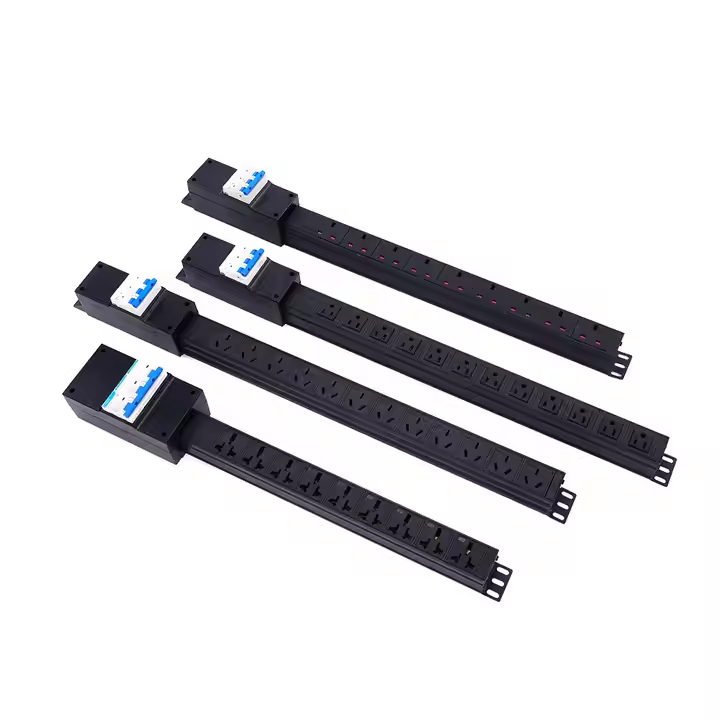
Power Distribution Units (PDUs) are crucial in data centers. They provide AC power to servers and equipment. AC power changes direction multiple times per second, which facilitates long-distance power transmission without problems. In AC-powered data centers, PDUs connect to the mains power supply and power racks and cabinets.
PDUs come in various types, such as rack-mount, floor-standing, cabinet, and portable PDUs. Each type meets different power requirements. The table below explains how these types work:
| Type of PDU | Description |
|---|---|
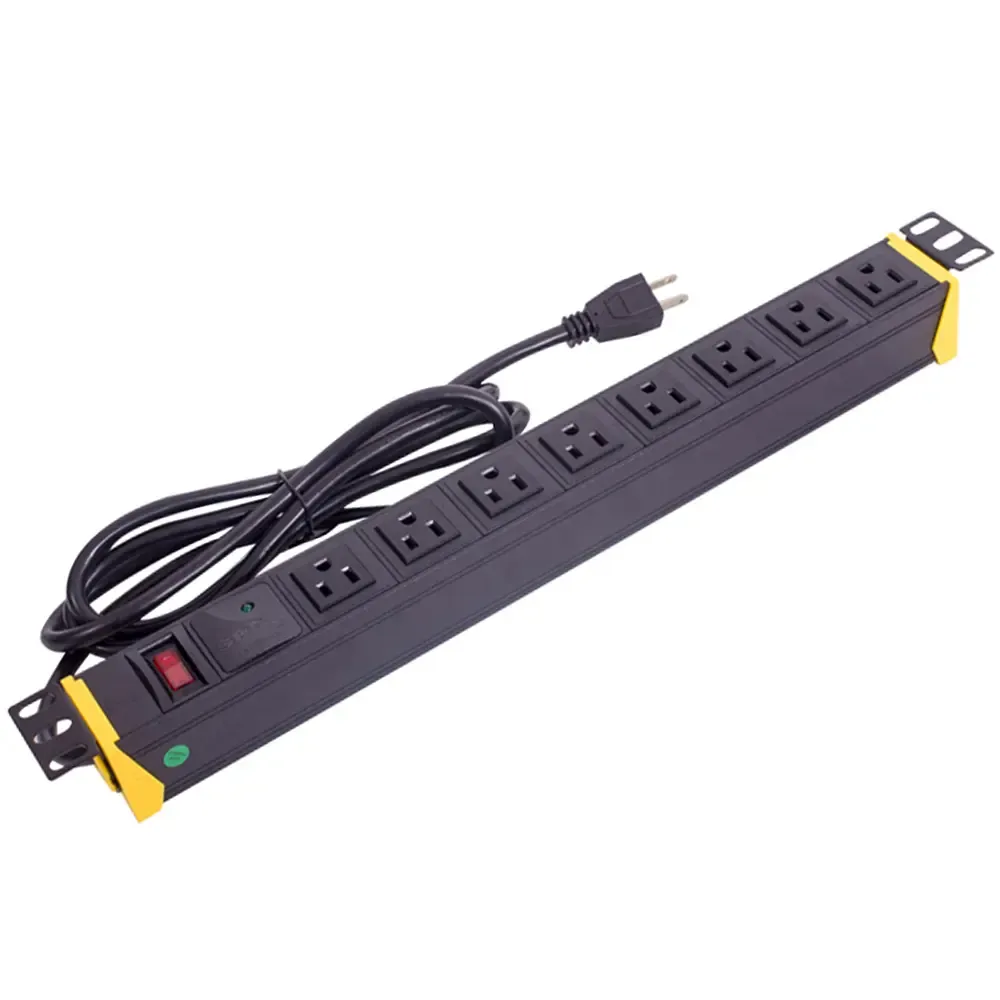
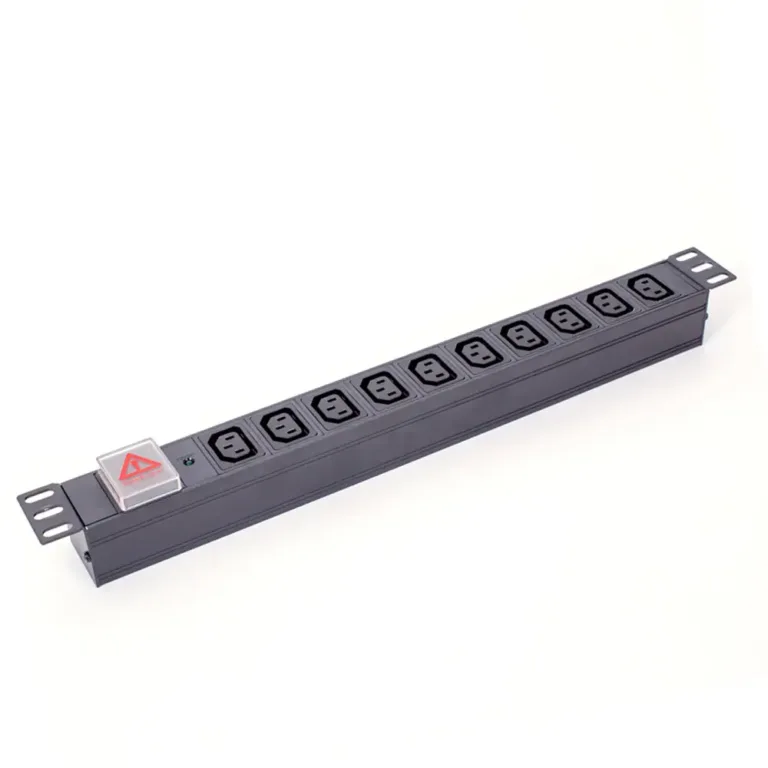
| Rackmount PDUs | Powers rack-mount equipment. Some rack-mount PDUs can inspect each outlet. |
| Floor-standing PDUs | Shares power between the mains power supply and rack-mount PDUs. |
| Power distribution cabinets | Equipped with circuit breakers and a panel. Used in busy data centers to ensure power safety. |
| Portable PDUs | Used for lightweight applications. They look like large power outlets. |
PDUs have safety features, including overcurrent protection and surge suppression. An emergency power-off switch is also included. These features protect equipment from power surges and malfunctions. Some AC power distribution unit (PDU) models allow administrators to monitor power consumption and balance loads, helping to prevent overload.
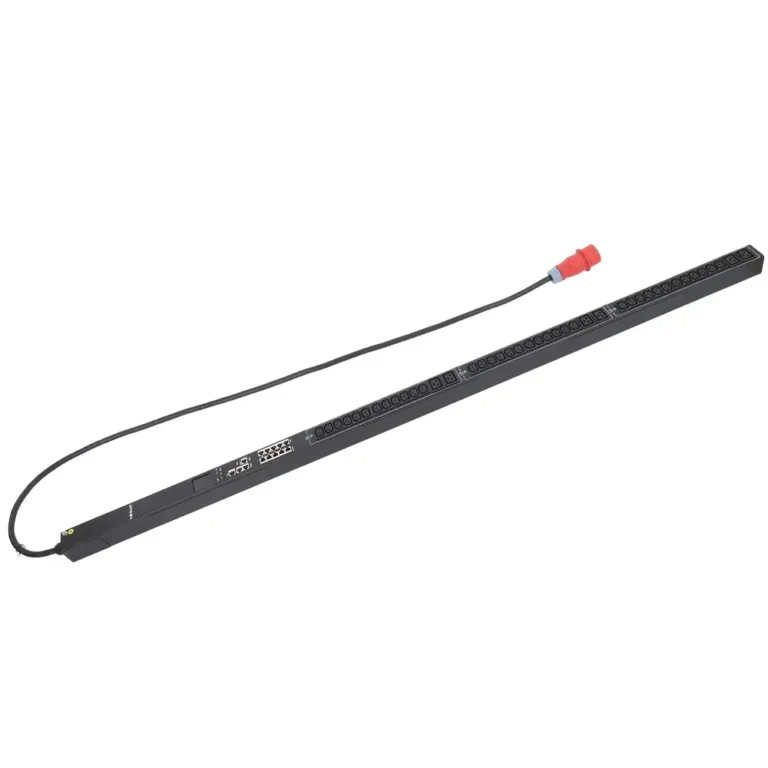
AC power distribution units (PDUs) can be installed in various ways. Horizontal installation is suitable for server racks and keeps cables neat and organized. Vertical installation saves space and is suitable for locations with limited space. Tool-free installation is quick and easy.
DC power distribution units (PDUs) provide direct current (DC) power to equipment. DC power can only flow in one direction. Many telecommunications companies and some data centers use DC power distribution units (DC PDUs). Data centers choose DC power because it is efficient and reliable.
DC power distribution units (PDUs) draw power from batteries or rectifiers and deliver it to network equipment. This configuration means fewer power switching, thus reducing energy loss. DC power distribution units (DC PDUs) are typically equipped with backup batteries to ensure continued operation during power outages.
DC PDUs are used in telecommunications base stations, terrestrial mobile radios, and emergency systems.
Use Case:
Installing a DC PDU requires careful planning. Teams need to check power requirements and outlet types, label cables, and install the PDU in appropriate locations. Many DC PDU models support remote monitoring of power status, which aids in safety and maintenance.
DC PDUs provide a stable power supply and support critical communication systems.
AC and DC PDUs each have their advantages. AC PDUs are flexible, compatible with most data center equipment, and have safety features such as surge protection. In large spaces, AC power is easier to share and manage.
DC power distribution units (PDUs) are more efficient. They waste less energy due to less variation. DC power is safer for some devices, and batteries provide longer backup time. DC data centers can be easily expanded due to the modular design of DC PDUs.
Here are some key points:
YOSUN offers AC and DC power distribution units (PDUs and DC PDUs) for a variety of applications. In AC-powered data centers, YOSUN’s rack-mount and metered power distribution units (PDUs) power servers and storage devices. For the telecommunications and utility industries, YOSUN offers DC power distribution units (PDUs) with remote monitoring and overload protection.
YOSUN’s PDUs can be customized to each customer’s needs. Customers can choose the plug type, number of sockets, and intelligent features. This helps meet the power, telecommunications, and automation needs of data centers.
Choosing between an AC power distribution unit (PDU) and a DC power distribution unit (PDU) depends on your equipment and application scenario. Data centers (including servers and computers) typically use AC power distribution units (PDUs). Telecommunications and emergency systems typically use DC power distribution units (PDUs) for stable power and longer backup time.
Selection Tips:
YOSUN helps customers select the optimal PDU for each project, ensuring safe and reliable power supply.
Choosing the right PDU for your building requires considering several factors. Every site is different, so careful planning is essential. This helps ensure safe and stable power supply.
Tip: Ensure your PDU matches the power type of your equipment. This helps your equipment function properly and ensures its safety.
Here are some important things to consider when choosing a PDU:
Relevant regulations can help people install and use PDUs in data centers and telecommunications locations. These rules are:
Install the Power Distribution Unit (PDU) in an easily accessible and maintainable location.
DC PDUs can reduce maintenance costs and help extend system uptime. Smart PDUs with monitoring capabilities help you prepare for the future. If you choose a PDU with additional outlets and a modular design, your power system can be expanded as needed.
The table below shows how AC PDUs and DC PDUs are not the same.
| Feature | AC PDUs | DC PDUs |
|---|---|---|
| Energy Efficiency | Higher Energy Loss | Lower Energy Loss |
| Stability | Higher Power Fluctuation | Stable Power |
| Versatility | Wide Range of Applications | Suitable for Special Purposes |
YOSUN offers custom power options. They feature intelligent monitoring and can provide backup power. Before selecting a PDU, please confirm your required power, the number of outlets needed, and the installation method.
AC PDUs provide AC power to devices. DC PDUs provide DC power. Each type of PDU is suitable for different devices and applications.
Monitoring allows managers to understand power consumption, enabling early detection of problems and facilitating upgrade planning. This ensures system safety and improves power supply reliability.
YOSUN PDUs support remote monitoring. Team members can check the power supply and look for overloads, allowing for quick problem resolution.
Tip: Regularly checking PDUs can prevent downtime and ensure stable power supply.
| Feature | Benefit |
|---|---|
| Monitoring | Finds problems early |
| Supply | Power stays reliable |