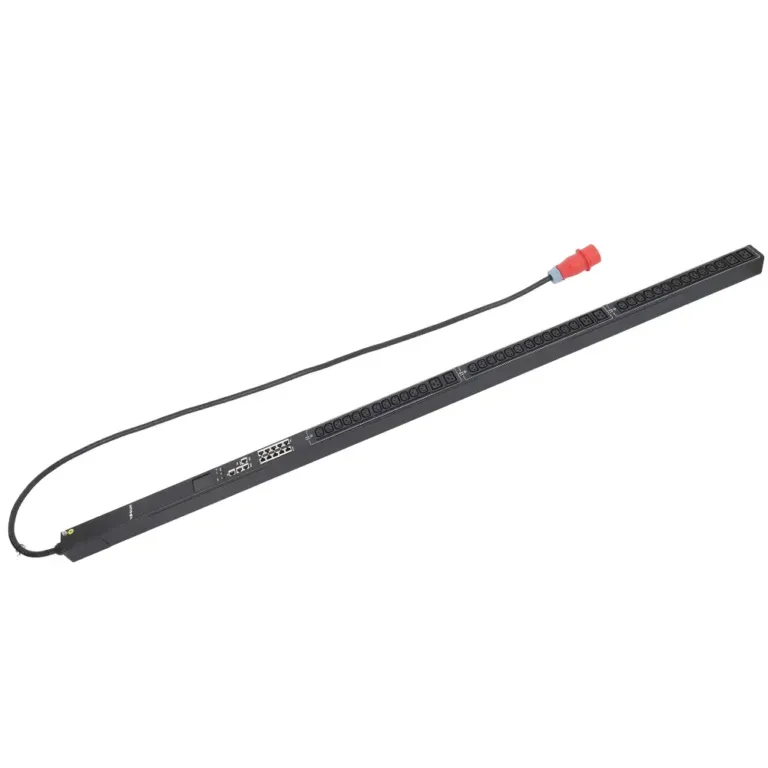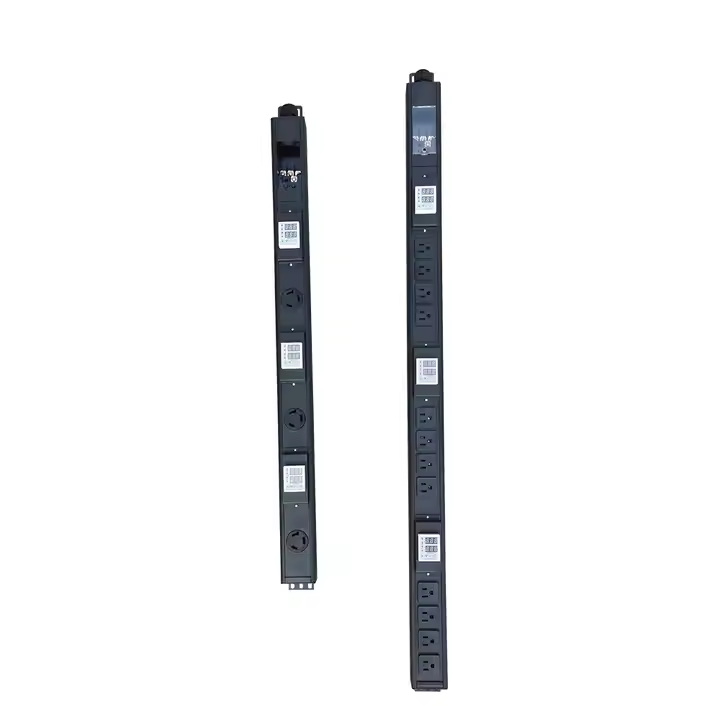
Mining PDU Options That Boost Efficiency in 2025
Discover how mining PDUs in 2025 enhance efficiency, scalability, and sustainability. Learn about intelligent, modular, and high-density PDU options for mining.


+86 15867381241
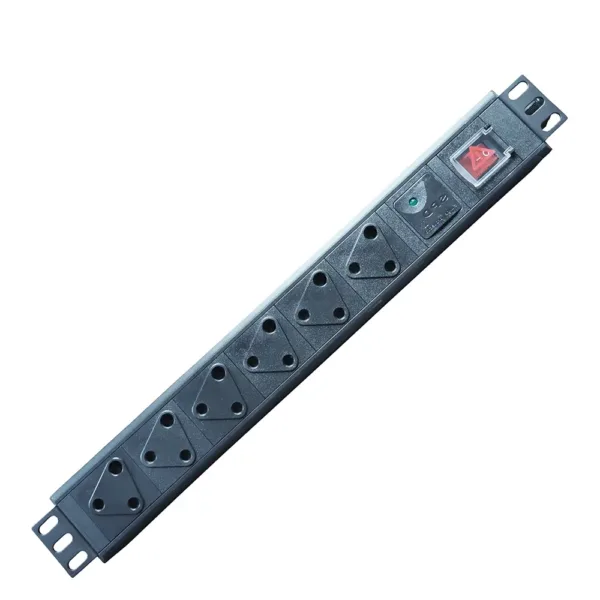
A PDU is not a power supply. A Power Distribution Unit (PDU) distributes electricity to multiple devices, while a Power Supply Unit (PSU) converts incoming power into the correct voltage and current for a single device.
Although they are often confused, these two components play very different roles. Understanding the difference is essential if you’re setting up a server rack, managing a data center, or working with any kind of IT infrastructure.
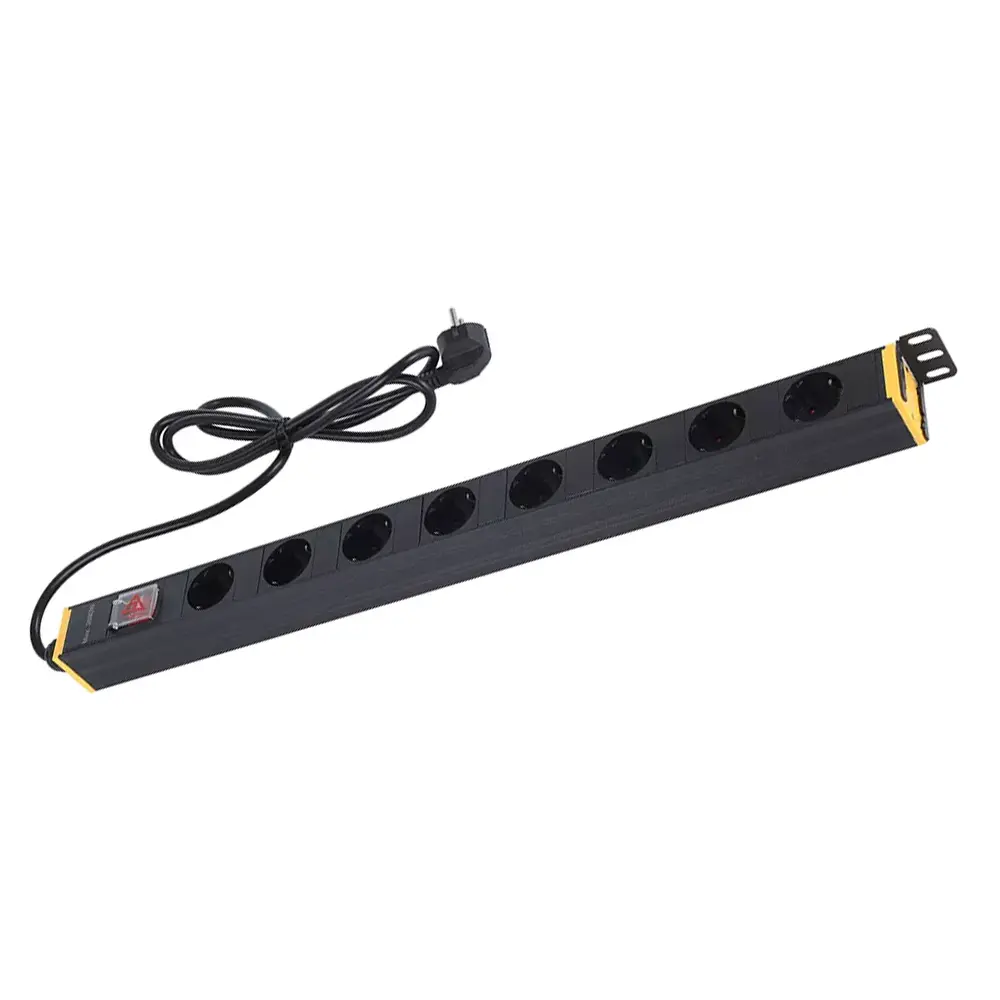
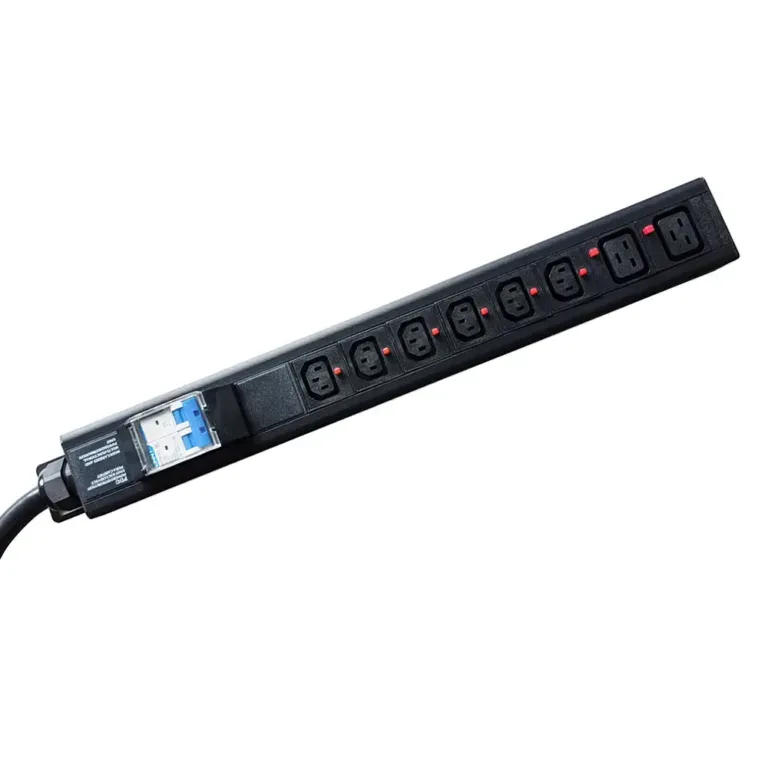
A Power Distribution Unit (PDU) is designed to distribute electrical power from a single source to multiple devices. It is commonly used in server racks, data centers, and telecom environments where many systems need reliable and organized power access.
Unlike a power supply, a PDU does not change voltage or current. Its role is simply to deliver power safely and efficiently.
A PDU takes incoming power and splits it into multiple outlets so different devices can run at the same time. Depending on the type, it may also include features like:
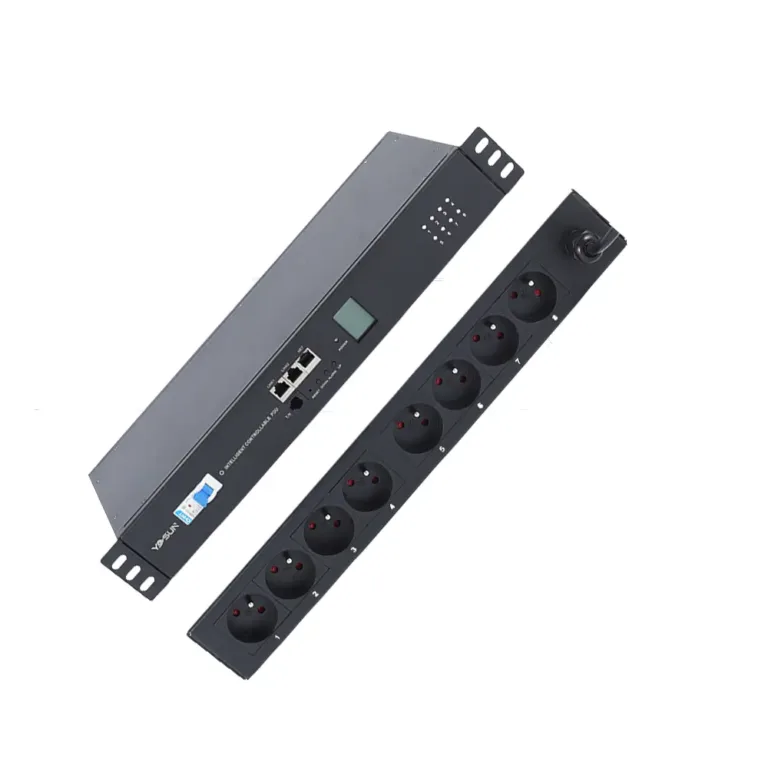
More advanced (smart) PDUs allow real-time tracking and remote switching, which helps reduce downtime and improve energy efficiency.
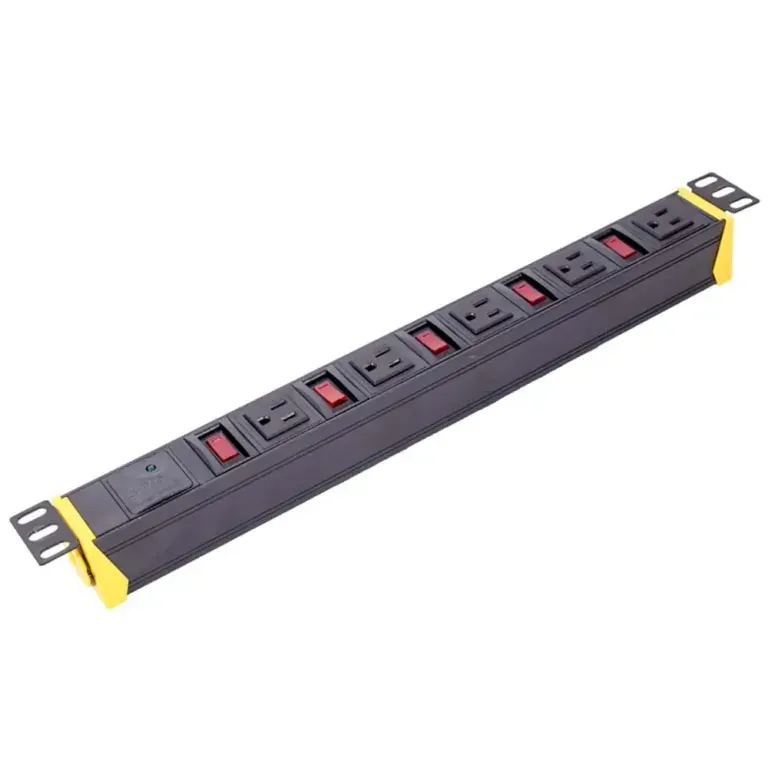
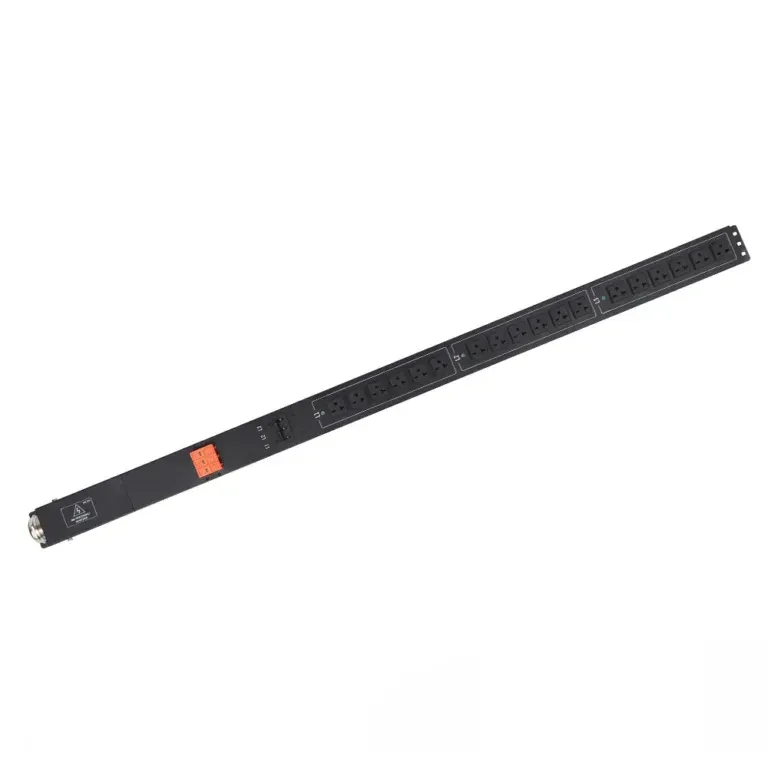
Common PDU types include:
A Power Supply Unit (PSU) provides power to electronic devices by converting electricity from a source into the correct voltage and current needed for operation. It is widely used in computers, servers, and other equipment to ensure stable and reliable performance. In addition to power conversion, a PSU also helps protect devices from issues such as voltage spikes and electrical fluctuations, making it an essential component in most electronic systems.
A Power Supply Unit differs from a Power Distribution Unit (PDU). A Power Supply Unit converts power, while a Power Distribution Unit shares power among multiple devices.
Power Supply Units (PSUs) play a vital role in electronic devices. They convert AC power from the wall into DC power required by the device. Power Supply Units maintain a stable voltage, ensuring proper device operation. They also provide standby power, enabling remote wake-up of the device. Furthermore, Power Supply Units protect the device from electrical faults.
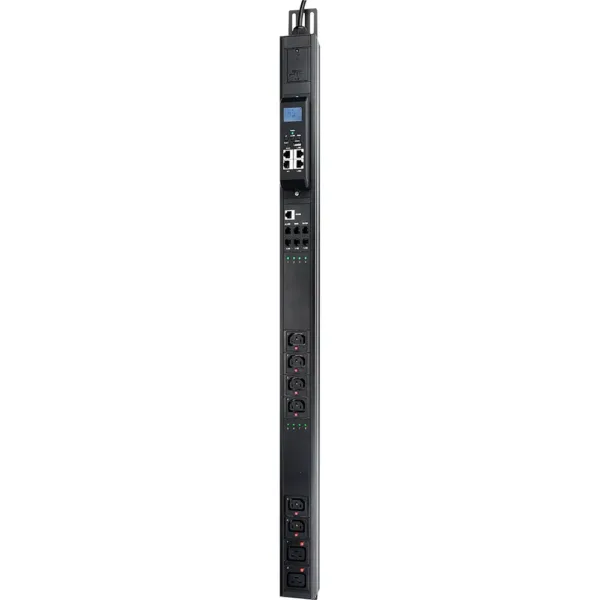
Power Distribution Units (PDUs) and Power Supply Units (PSUs) have different functions. Both help electronic devices function properly, but they achieve this in very different ways.
These differences are especially important in locations such as data centers and server rooms. A PDU ensures that every device receives power, while a PSU ensures that every device receives the appropriate type of power.
A Power Distribution Unit works differently than a Power Supply Unit. They have different designs and jobs.
A PDU distributes a single current to multiple outlets. Each outlet can power a different device. A PDU does not change the current type; it simply distributes the current.
A PSU takes alternating current (AC) from a wall outlet and converts it to direct current (DC). Most computers and servers require DC power to operate. PSUs also maintain voltage stability and provide surge protection.
Some people believe that PDUs can replace PSUs. This idea is incorrect. In a data center or server room, each device has a specific function. PSUs convert wall power into the electrical energy needed by computers and servers. PDUs distribute this electrical energy to the various devices, but they do not change the type of electrical energy.
A PDU cannot take the place of a PSU because it does not change power. It only shares power with many devices. If a server does not have a PSU, it cannot use the power from the PDU.
Data centers and server rooms require PSUs and PDUs to function properly. PSUs ensure that each device receives the appropriate amount of power. PDUs distribute power to all devices in the racks or cabinets. Working together, they guarantee system operation and protect equipment from damage.
A PDU and a PSU serve completely different purposes. One distributes electricity across multiple devices, while the other converts and regulates power for individual equipment.
Understanding this difference helps you design a safer and more efficient power system. Whether you’re setting up a small rack or managing a large data center, using both correctly is key to reliable operation.
A PDU distributes electrical power from one source to multiple devices, typically within a rack or cabinet.
Some PDUs include built-in surge protection, but not all models. It depends on the design.
Yes. Every server requires a power supply unit to convert incoming power into a usable form.
A smart PDU allows real-time monitoring, remote control, and better energy management, making it ideal for modern data centers.