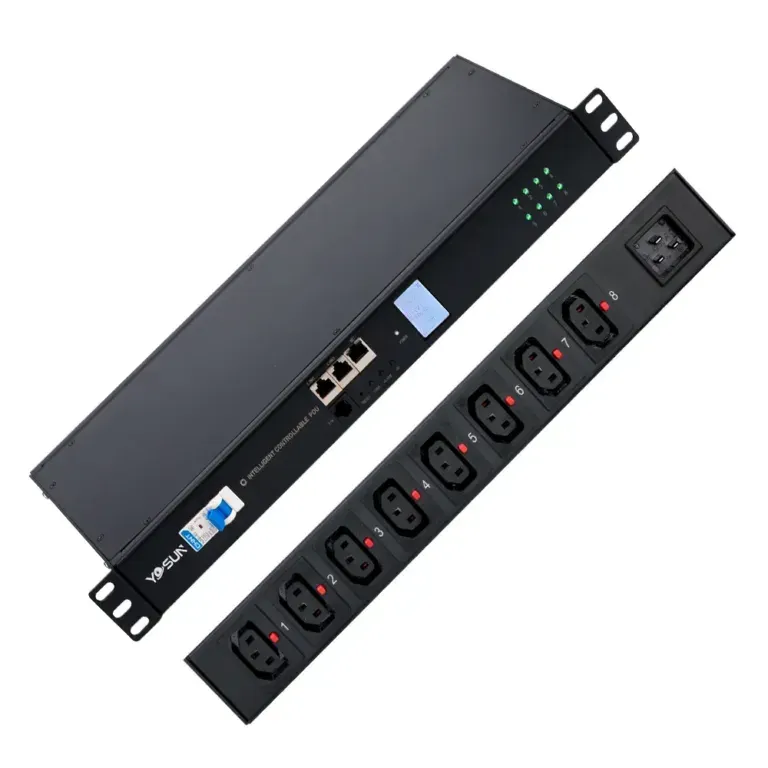
What is an IP Power Distribution Unit
An IP power distribution unit offers remote monitoring, outlet-level control, and environmental tracking, optimizing energy use and ensuring IT reliability.


+86 15867381241
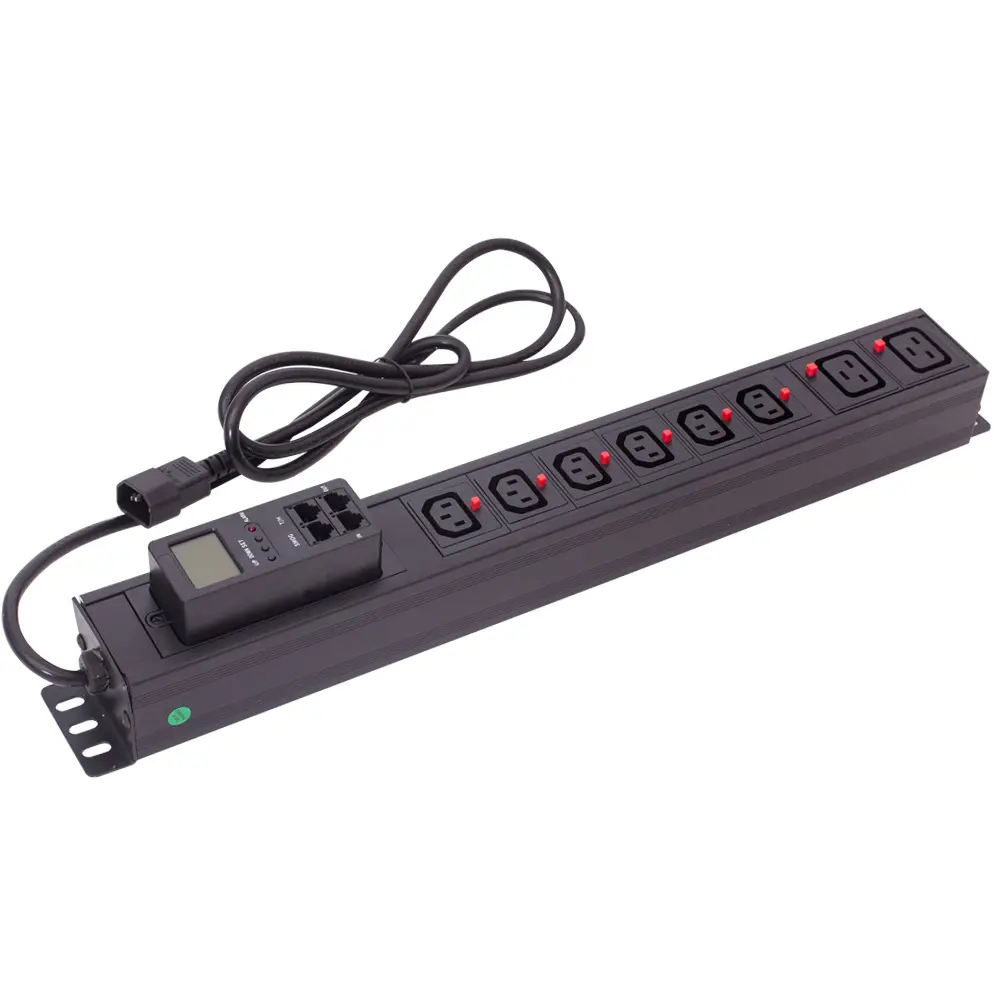
In data centers and server rooms, rack space is one of the most valuable resources. Every 1U of space you save means you can fit another server, switch, or storage device—directly increasing your revenue per rack.
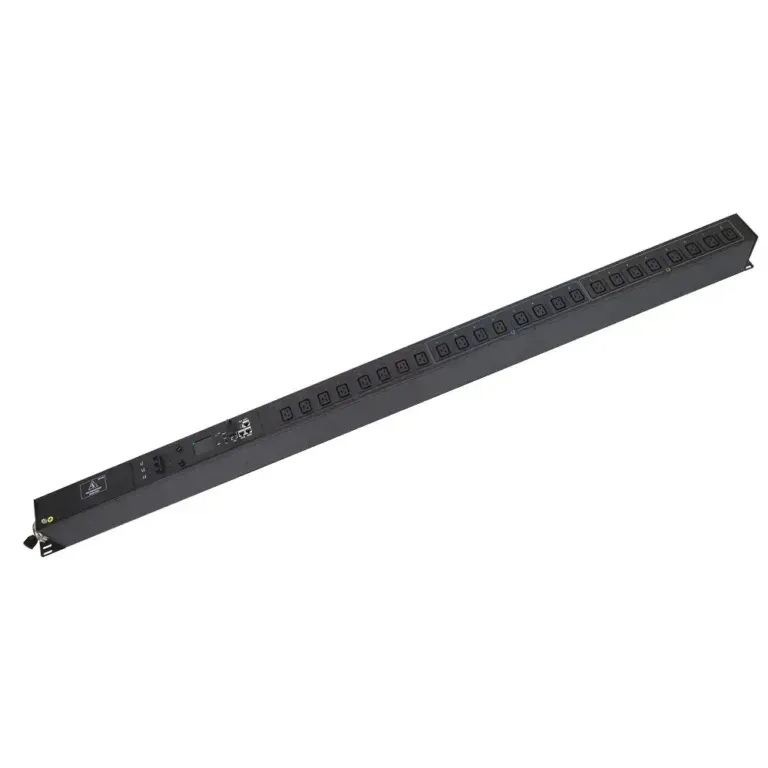
This is why vertical PDUs have become the standard in modern IT infrastructure. Unlike traditional horizontal PDUs that consume valuable rack units, vertical PDUs use 0U of space, allowing you to maximize equipment density without sacrificing power capacity.
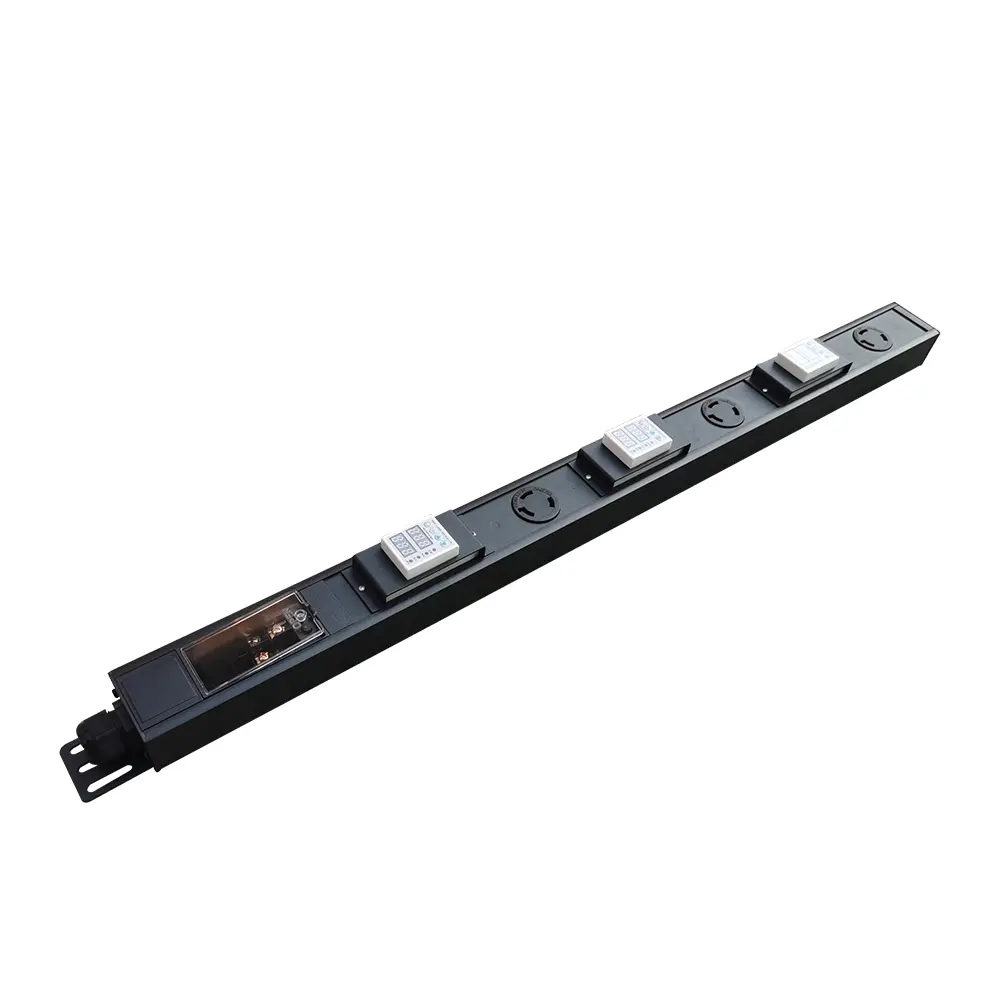
The term “0U” (zero rack units) is the defining feature of vertical PDUs. In rack terminology, one “U” equals 1.75 inches of vertical height—the standard unit of measurement for rack-mountable equipment.
A 0U vertical PDU mounts vertically along the side or rear rails of the rack, rather than horizontally across the front. This design means it does not occupy any of the valuable horizontal rack units that would otherwise be used for servers, switches, or storage devices.
Pro Tip: Even if you use two vertical PDUs for redundant power, they still consume 0U of rack space. This is a massive advantage over horizontal PDUs, which would require 2–4U of space for the same level of redundancy.
The table below shows the fundamental difference in space utilization between the two PDU types:
| PDU Type | Rack Space Usage | Maximum Outlets | Impact on Equipment Capacity |
|---|---|---|---|
| Vertical (0U) | 0U | Up to 60 | No reduction—can fill entire rack |
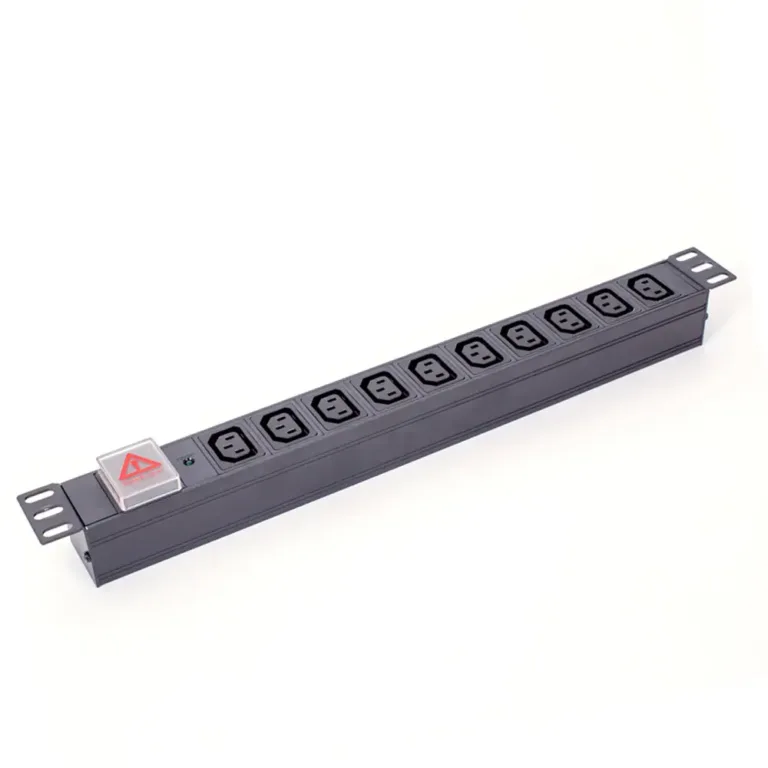
| Horizontal (1U) | 1U | 8–12 | Reduces capacity by 1U per PDU |
| Horizontal (2U) | 2U | 16–24 | Reduces capacity by 2U per PDU |
For a standard 42U rack, using two horizontal PDUs would consume 2–4U of space—enough room for 2–4 additional servers. Over an entire data center with hundreds of racks, this adds up to a massive increase in equipment density and revenue potential.
Vertical PDUs can be mounted in two primary locations:
Four-post racks are required for vertical PDU installation. The table below lists the standard clearance requirements:
| Rackmount Consideration | Requirement |
|---|---|
| Minimum depth between front and back rails | 610–915 mm (24–36 inches) |
| Minimum clearance in front of mounting plane | 25.4 mm (1 inch) |
| Minimum service clearance (front) | 123.2 cm (48.5 inches) |
| Minimum service clearance (rear) | 91.4 cm (36 inches) |
| Compliance Standards | ANSI/EIA 310-D-1992, IEC 60297 |
YOSUN vertical PDUs feature tool-less mounting brackets that fit all standard four-post racks, allowing for quick and easy installation in minutes.
When installed correctly, vertical PDUs do not block front-to-back airflow. In fact, their thin profile and vertical cable management actually improve airflow compared to horizontal PDUs, which can block vents and create hot spots.
Best practices for installation:
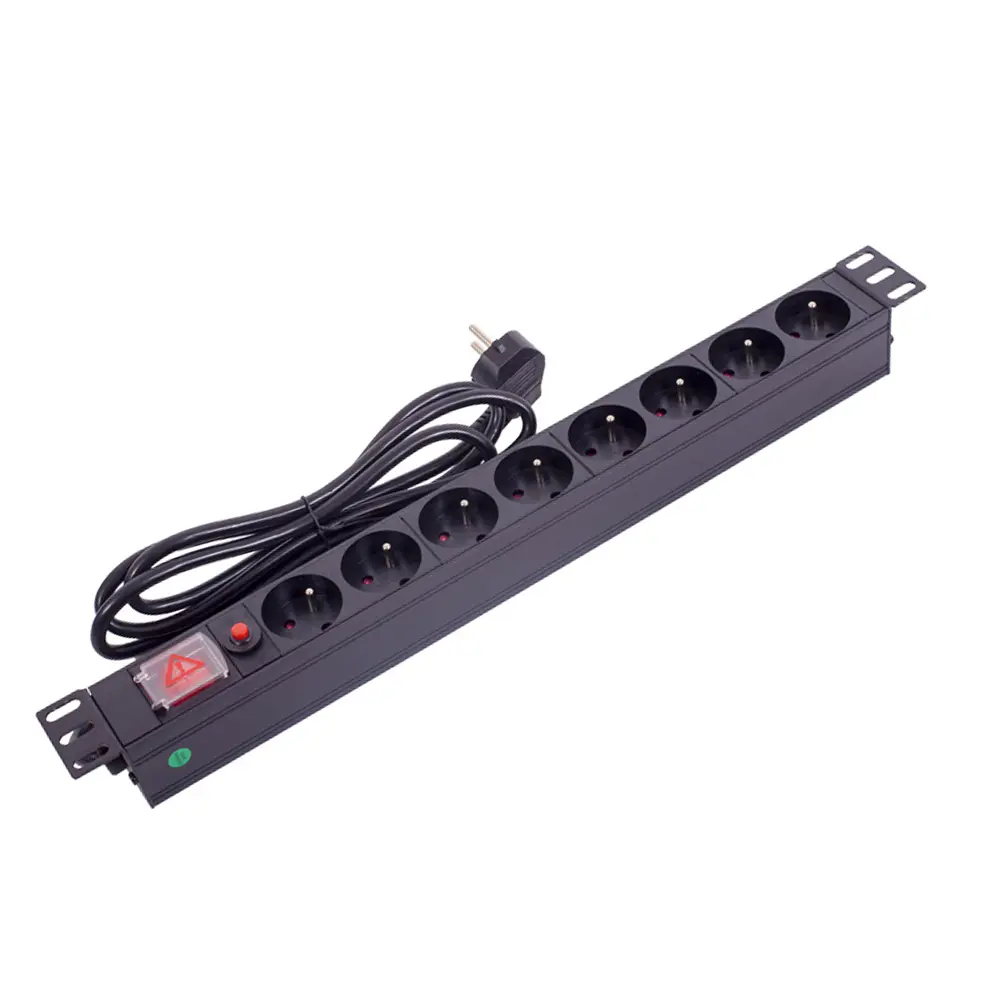
Vertical PDUs keep cables organized along the side of the rack, eliminating the messy “cable spaghetti” that is common with horizontal PDUs. This makes it easier to trace cables, perform maintenance, and troubleshoot issues.
Outlets are spaced evenly along the length of the PDU, so each device can connect directly to the nearest outlet without excess cable length. This reduces cable clutter and improves airflow.
Vertical PDUs can support up to 60 outlets per unit—far more than any horizontal PDU. This makes them ideal for high-density server racks where every device needs its own power connection.
YOSUN offers customizable outlet configurations, including:
Vertical PDUs have no moving parts and are built to last for decades. Their solid construction and high-quality components ensure reliable power distribution even in the most demanding data center environments.
Critical Safety Warning: Always calculate the total power load of your equipment before connecting to a PDU. Never exceed the PDU’s rated capacity, as this can cause overheating and fire hazards.
When selecting a vertical PDU for your rack, consider these key factors:
YOSUN offers a full range of vertical PDUs designed for different application needs:
So, how much space does a vertical PDU take up in a rack? The answer is zero. Vertical PDUs use 0U of rack space, mounting on the side or rear of the rack and leaving all horizontal space available for your critical IT equipment.
In addition to saving space, vertical PDUs improve cable management, enhance airflow, and support higher power densities than horizontal PDUs. For data centers and server rooms looking to maximize their rack utilization and revenue per square foot, vertical PDUs are the clear choice.
For the highest quality and most reliable vertical PDUs, choose YOSUN. Our products are engineered to meet the strictest industry standards and offer the flexibility and performance you need for your modern data center.
0U means the equipment does not consume any horizontal rack units. Vertical PDUs are the most common 0U devices, mounting vertically along the side or rear of the rack.
Data centers prefer vertical PDUs because they save valuable rack space. This allows them to fit more servers and equipment in each rack, increasing revenue per square foot.
Yes. Vertical PDUs are ideal for high-density racks. They can support up to 60 outlets per unit without consuming any rack space, making them perfect for modern data centers.
No. When properly installed on the side or rear of the rack, vertical PDUs do not block front-to-back airflow. In fact, their vertical cable management actually improves airflow compared to horizontal PDUs.
Vertical PDUs are compatible with all standard four-post racks. They are not compatible with two-post racks. Always check your rack’s depth and mounting options before purchasing.
Yes. Dual vertical PDUs mounted on opposite sides of the rack provide full power redundancy while still consuming 0U of rack space. This is the standard configuration for mission-critical data centers.