3 Phase PDU vs Single Phase Pros and Cons
Compare 3 phase PDU vs single phase to find the best fit for your power needs. Learn about their pros, cons, and ideal applications for efficiency.


+86 15867381241
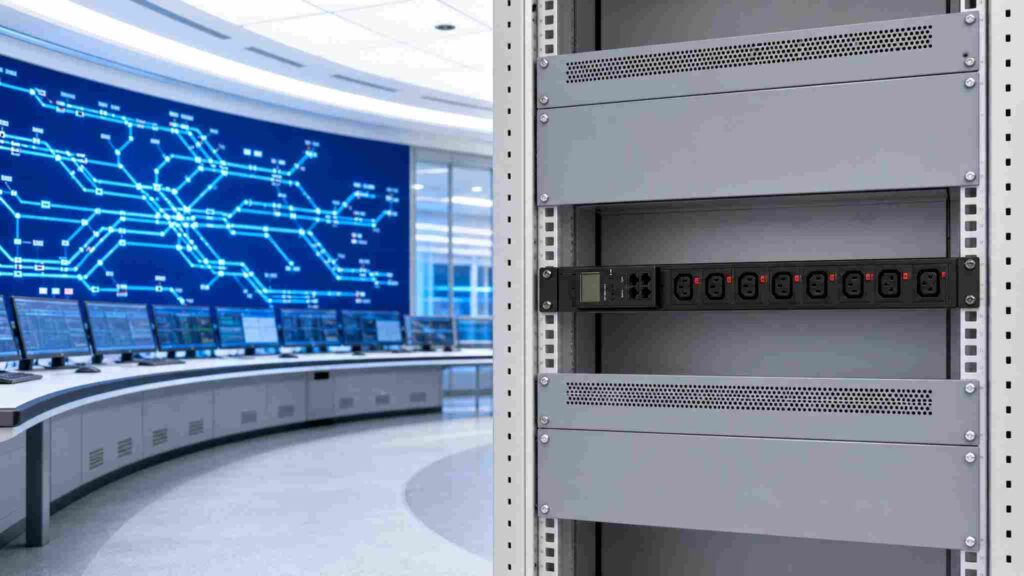
Rising rack power densities driven by AI and high-performance compute workloads are outpacing the capabilities of traditional rack power distribution units (PDUs). High-density rack PDUs paired with intelligent power management turn this challenge into an efficiency advantage, delivering higher outlet density, higher amperage capacity, and real-time visibility to prevent overloads, reduce downtime, and optimize energy use across the data center.
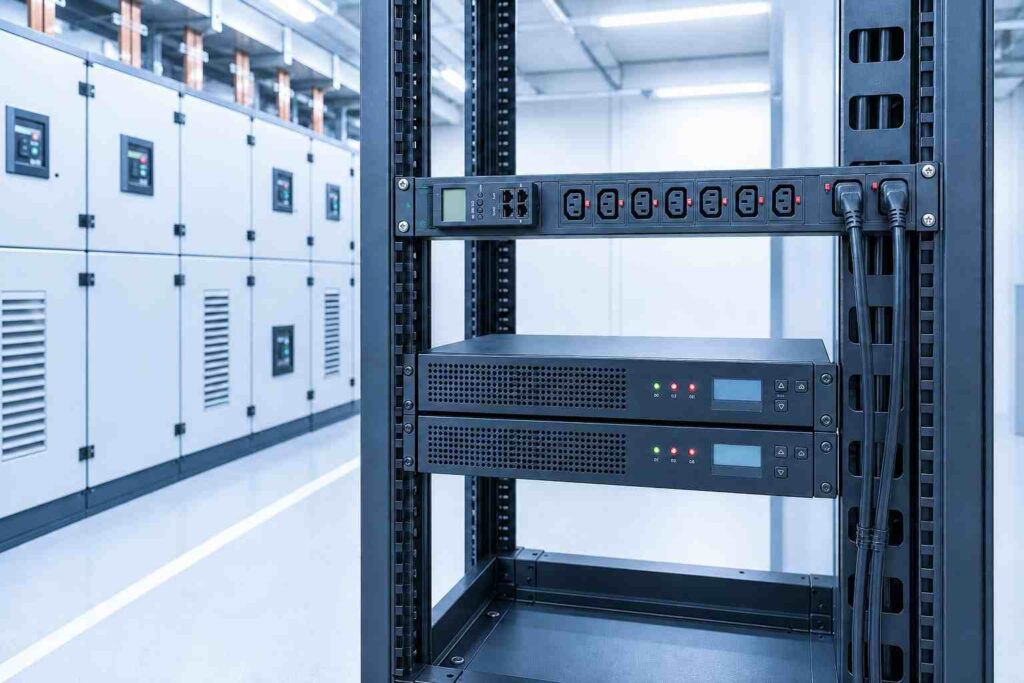
Average standard rack power density sits around 15 kW today, but AI and ML workloads are driving rapid growth. Traditional IT racks draw 7–10 kW, while modern AI-capable racks span 30 kW to over 100 kW. For example, NVIDIA’s GB200 NVL36 pulls roughly 66 kW per rack, and the NVL72 reaches ~120 kW.
| Rack Type | Typical Power Density |
|---|---|
| Standard IT rack | 7–10 kW |
| AI-capable rack | 30 kW to >100 kW |
| NVIDIA GB200 NVL36 | ~66 kW |
| NVIDIA GB200 NVL72 | ~120 kW |
Legacy PDUs were designed for lower-density eras, creating three key gaps for high-density deployments:
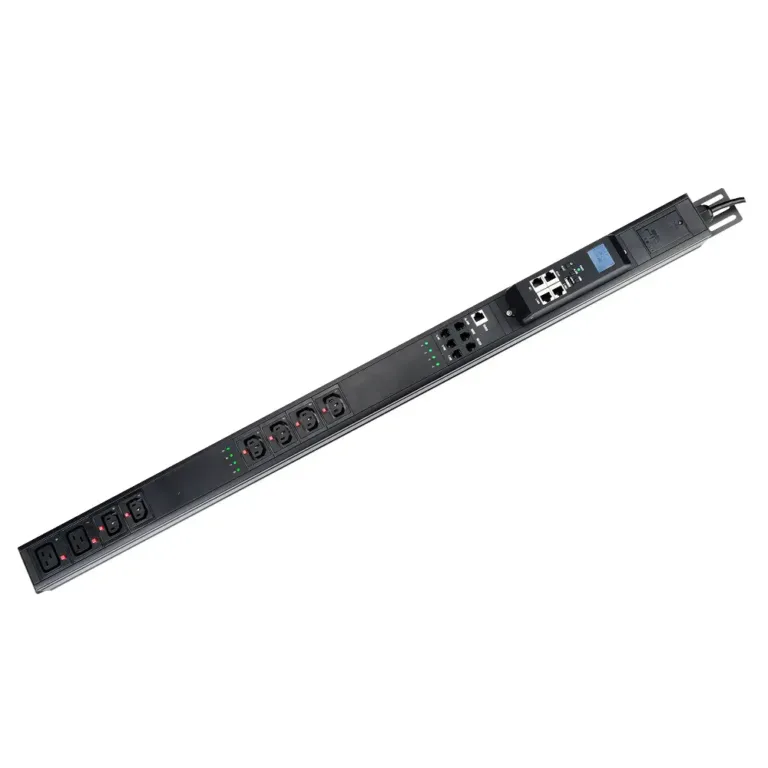
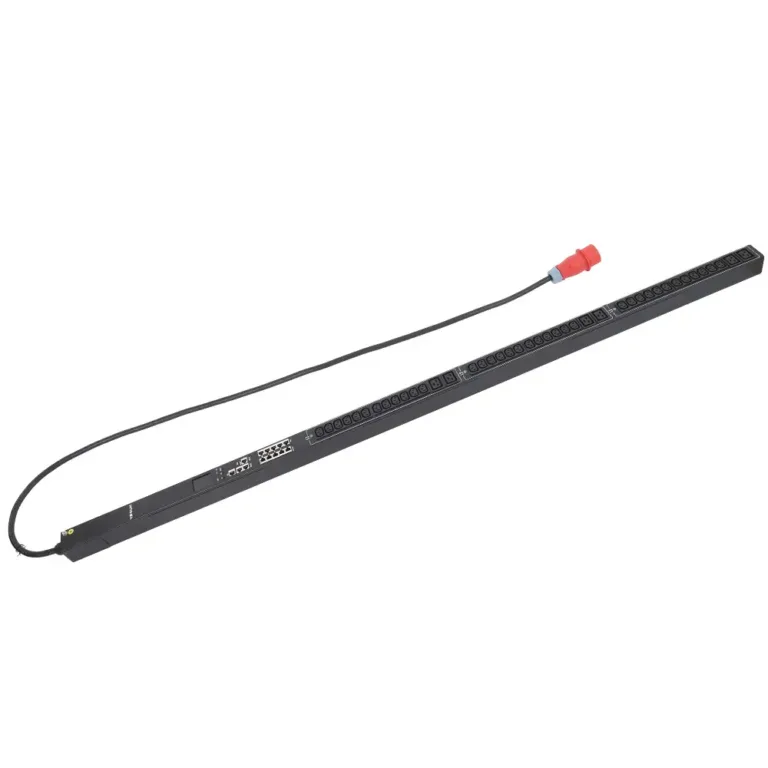
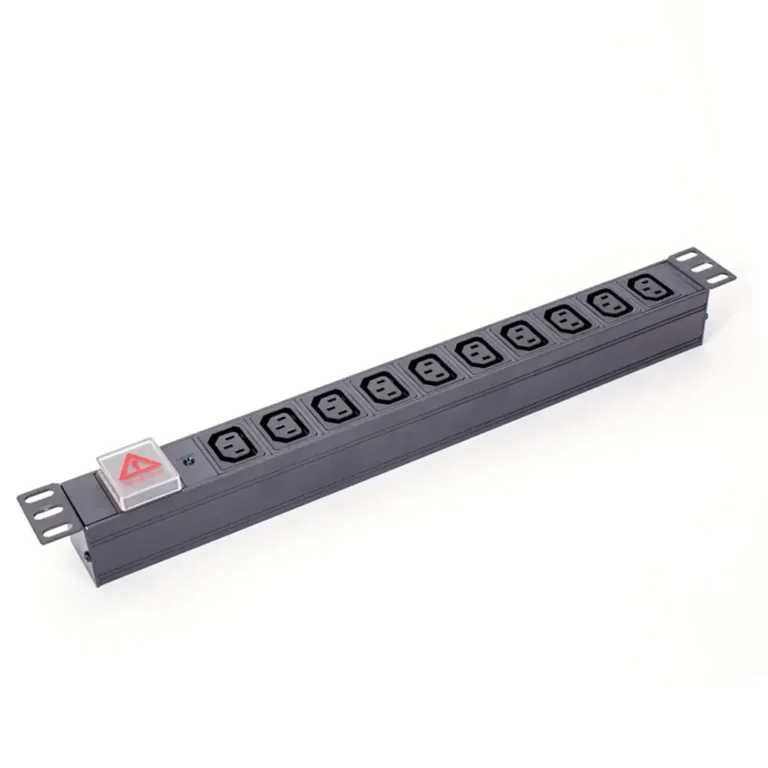
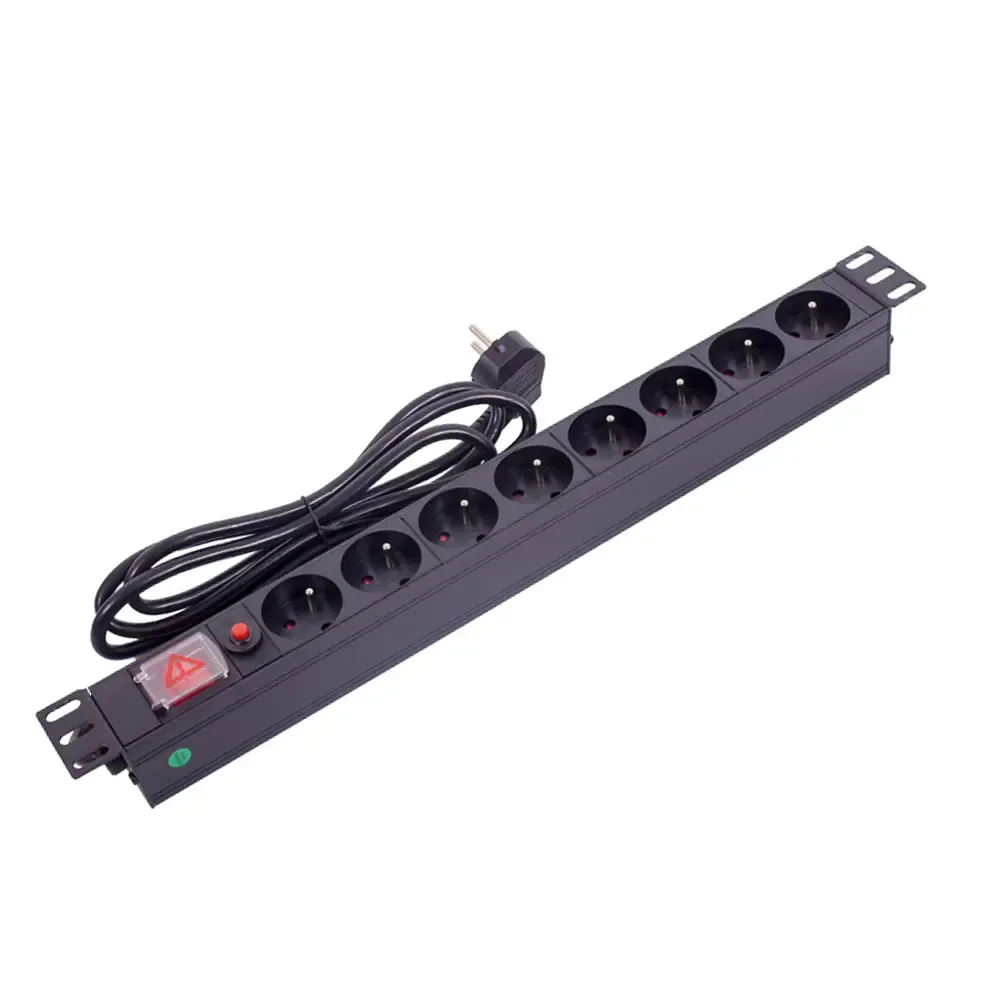
High-density PDUs come in multiple form factors and ratings to match different rack layouts and load profiles.
| Form Factor | Circuit / Amperage | Typical Outlet Count | Receptacle Types | Best For |
|---|---|---|---|---|
| Horizontal 1U/2U | 20A, 120V | 8–16 outlets | NEMA 5-20R | Standard racks, incremental capacity expansion |
| Vertical 0U (single-phase) | 30A, 208V | 20–30 outlets | C13 / C19 mix | High-density deployments, zero rack space usage |
| Vertical 0U (three-phase) | 30A, 208V | 30–42 outlets | C13 / C19 mix | High-density three-phase racks, maximum outlet density |
Vertical 0U PDU designs mount along the full height of the rack, consuming zero usable rack space and keeping power cords clear of hot aisles. Color-coded outlet sections (for A/B phase identification) and integrated IEC outlet grips simplify installation, reduce troubleshooting time, and prevent accidental disconnects.
Higher-amperage models support denser racks with fewer units, reducing cabling complexity and failure points. For example, 16A/250V units with 6 IEC C19 outlets deliver high capacity with custom cord options. Features like hot-swappable surge protection devices (SPDs) and integrated circuit breakers add layered protection without requiring full rack power down for replacement.
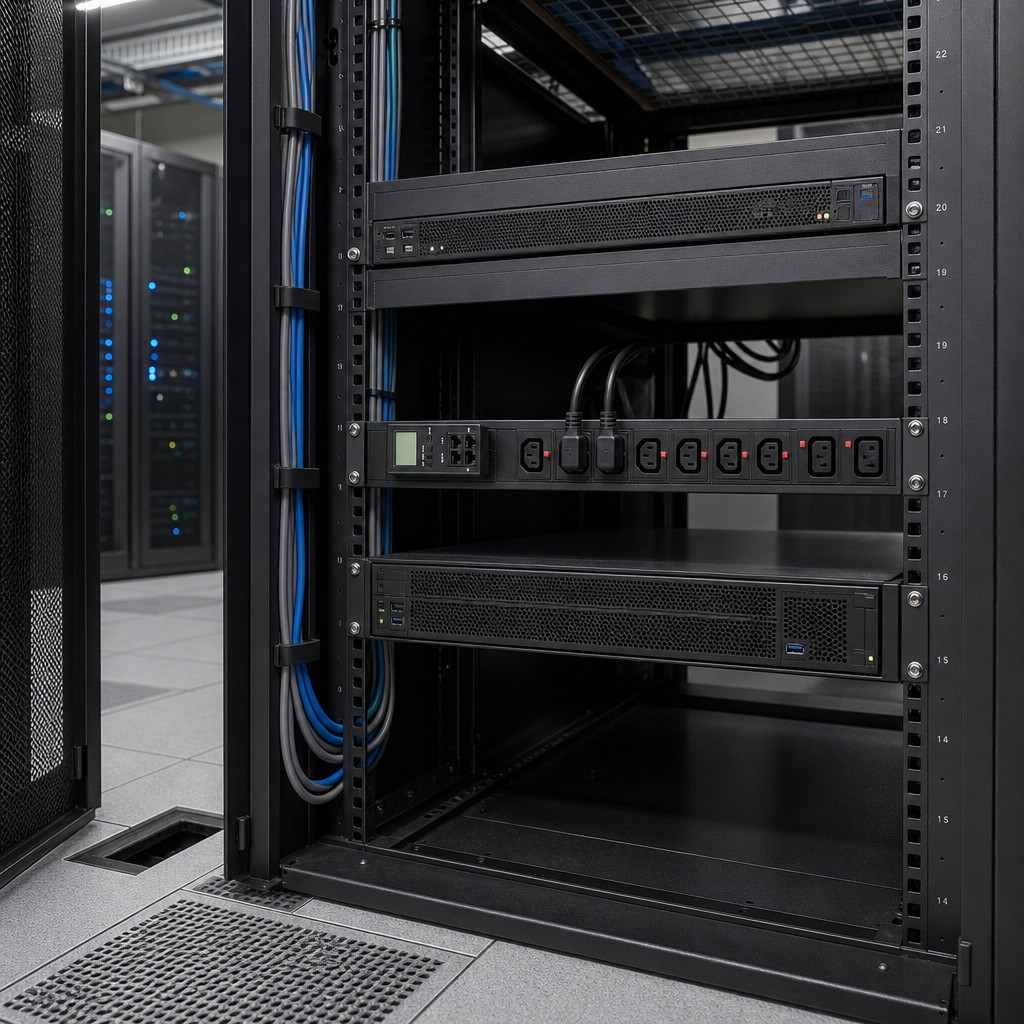
Intelligent PDUs turn raw power data into actionable operational and efficiency insights.
Monitored PDUs deliver billing-grade (±1% accuracy) power metering at inlet and outlet levels, via hot-swappable meters that can be replaced without rack downtime. Daisy-chaining up to 8 units under a single IP address reduces switch port and cabling requirements.
Configurable threshold alerts align with NEC Section 210.20(A) requirements: early warnings at 70–75% utilization, and critical alerts at 80% of overcurrent device ratings. This gives teams time to rebalance loads before a breaker trips. Alerts can be delivered via email, SMS, Slack, or ticketing systems for fast response.
This visibility supports PUE optimization, capacity planning, and tenant-level billing. Historical trend analysis identifies inefficiencies, and peak demand data supports better utility contract negotiation.
Switched PDUs add full remote outlet control on top of monitoring. Operators can power-cycle unresponsive devices, disable unused outlets for security, and run group reboots remotely — no on-site visit required. Auto-probe features automatically power-cycle unresponsive devices when they stop answering network pings.
For multi-site fleets, remote control reduces annual truck rolls from ~12 to ~2 per year, delivering $3,000–$12,000 in annual direct cost avoidance with a payback period of ~11 months. Remote management also cuts mean-time-to-repair by 66% and labor costs by up to 92%.
According to BICSI technical guidance, integrating per-outlet intelligent PDUs with DCIM platforms delivers a 15–25% improvement in stranded capacity recovery by making existing power visible and actionable.
Modern high-density PDUs support racks of 60 kW, 100 kW, or higher, far above the 15 kW average of standard racks. Always match the unit’s amperage rating to your connected load, with headroom for future growth.
Horizontal 1U/2U models offer 8–16 outlets. Vertical 0U models support up to 54 outlets for dense environments, and consume zero usable rack space.
Monitored PDUs report power data via hot-swappable meters and support daisy-chaining up to 8 units per IP address. Switched PDUs add remote outlet control for power cycling, remote shutdowns, and group reboots without on-site access.
Intelligent PDUs send early warnings at 70–75% utilization and critical alerts at 80% load, aligned with NEC continuous load standards. This gives teams time to rebalance loads before a breaker trips.
YOSUN rackmount PDUs operate at temperatures up to 140°F (60°C), reducing cooling requirements in dense racks. Built-in surge protection and circuit breakers add additional equipment protection.