Comparing PDUs with Power Monitoring Features for Data Centers
Compare PDUs with power monitoring to optimize data center efficiency. Discover how real-time insights reduce downtime and improve energy management.


+86 15867381241
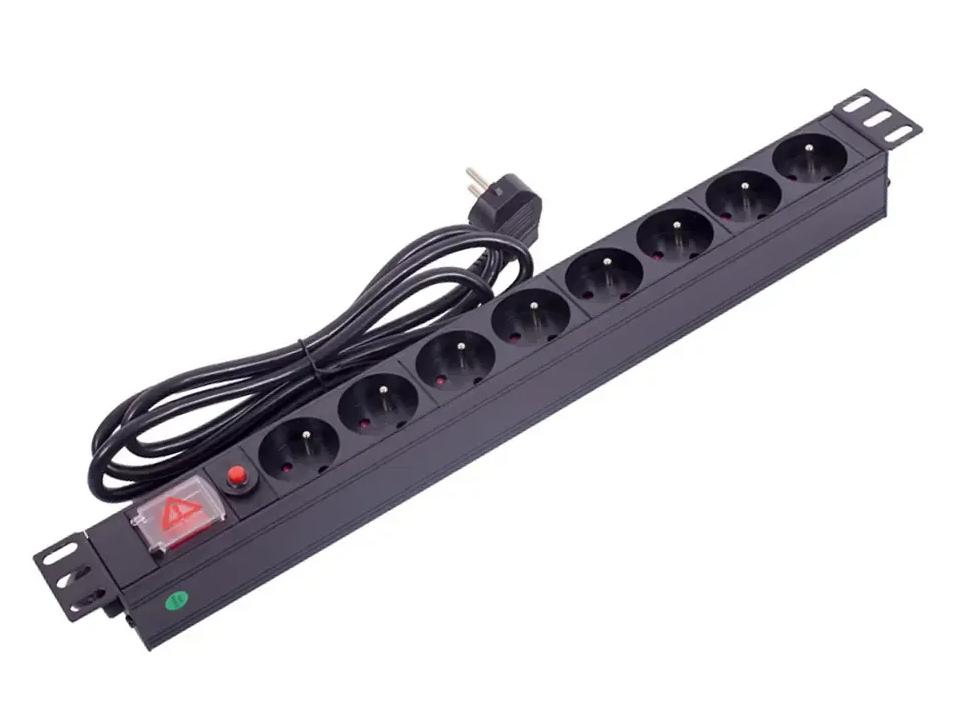
A PDU does not usually have a transformer inside. Most PDUs send power to many devices without changing the voltage. Some people think every PDU changes voltage, but this is not correct. Below are clear explanations for common misunderstandings. Monitored PDUs work for all types of businesses, not only large companies. Modern PDUs feature simple operation instead of complicated use. Professional PDUs can monitor temperature and humidity besides power consumption.
Some special PDUs have transformers for special needs. New technology supports custom transformers. K-factor options help filter bad electrical signals. Configurable impedance helps control electrical problems. Understanding these differences helps people pick the best power solution for their space.
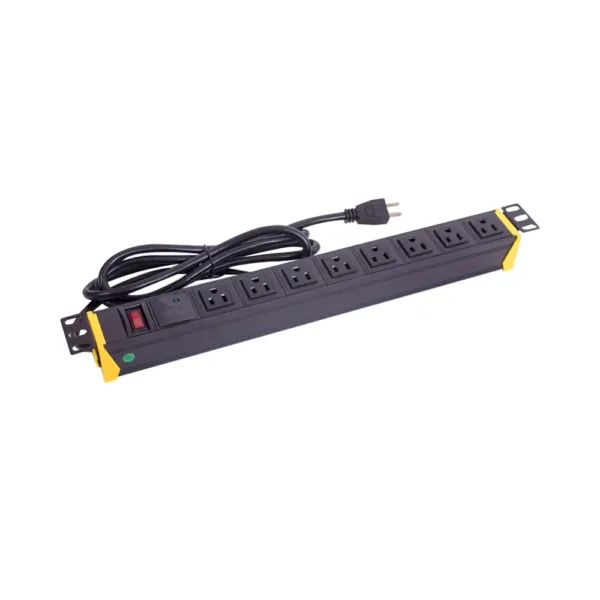
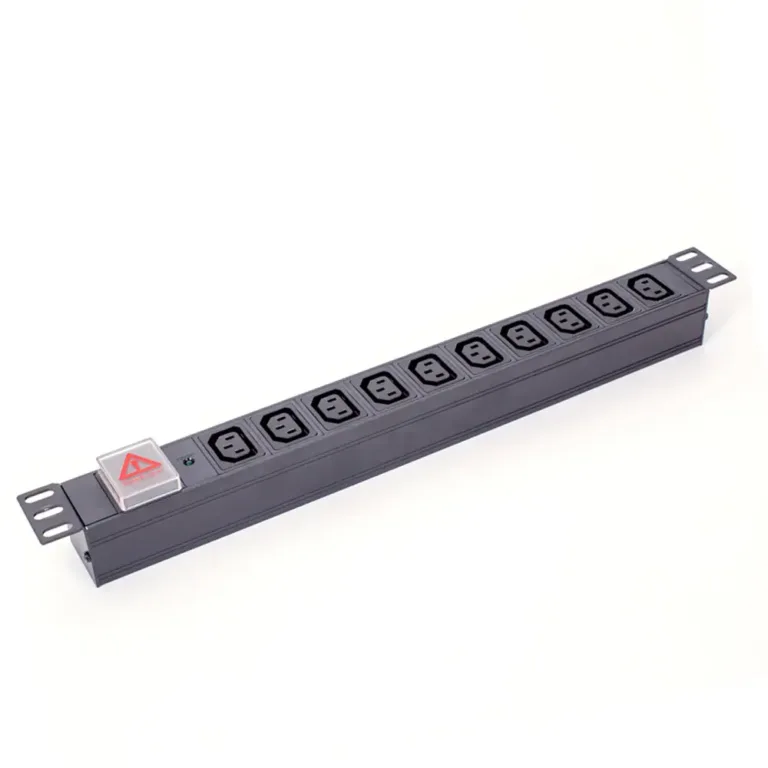
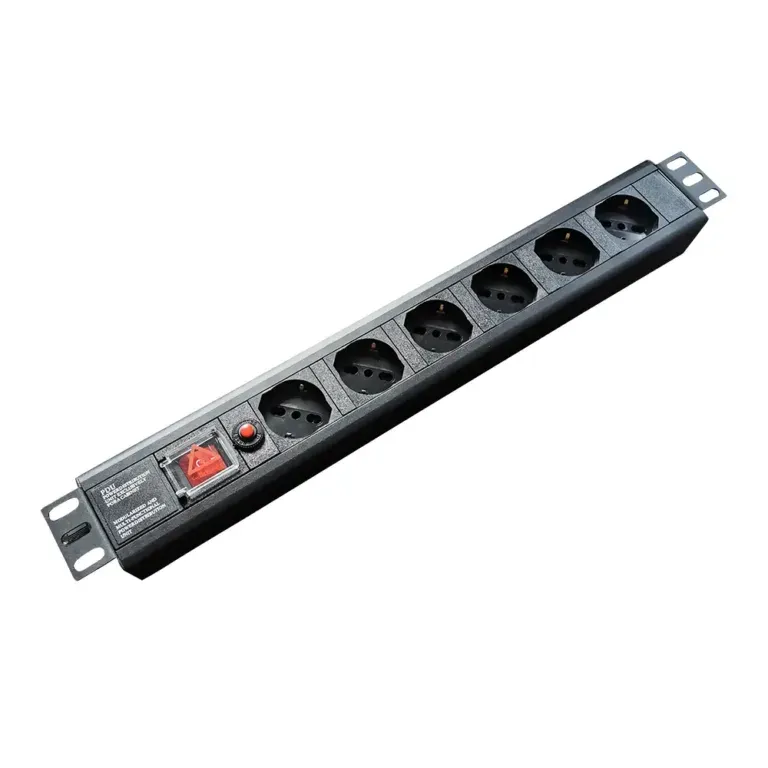
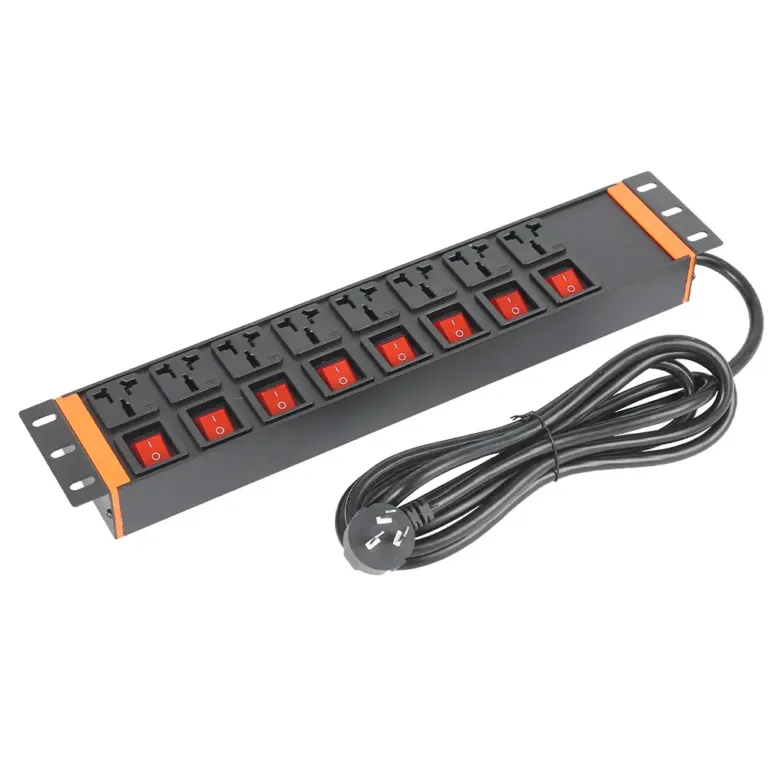
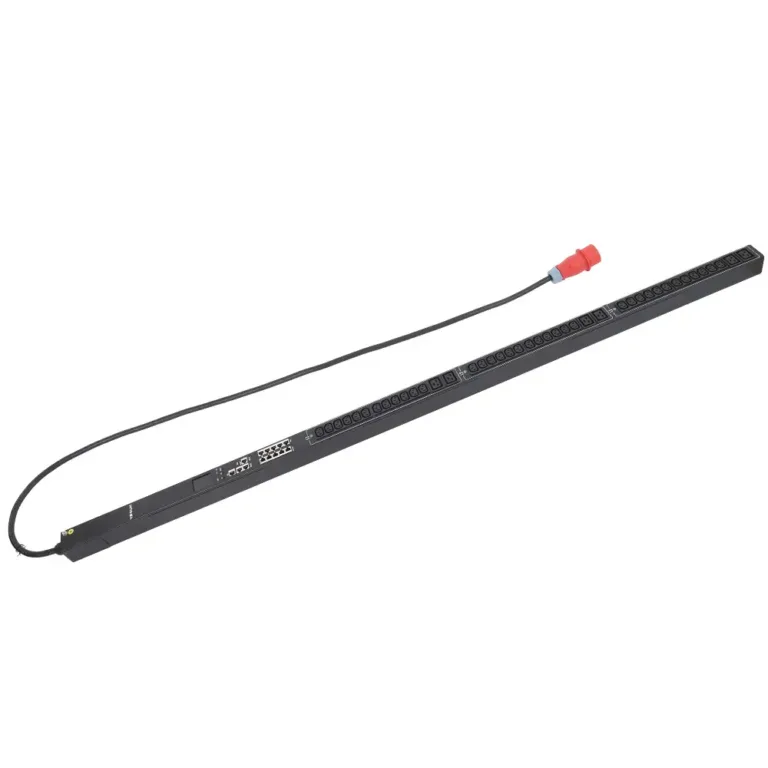
A standard Power Distribution Unit (PDU) is a device that distributes power to multiple devices and is widely used in data centers, factories, and laboratories. Its primary function is to safely transmit power from a mains power supply to each device.
A standard PDU contains several key components: a power conditioner ensures stable and clean power; a power distribution unit delivers power to multiple outlets; protection functions prevent surges and circuit failures; a main circuit breaker controls the overall power supply; an EMI filter blocks unwanted electromagnetic noise; a remote control interface simplifies daily management; and each outlet supports the connection of different devices. These components work together to ensure the stable and safe operation of the connected devices.
A standard PDU acts as a bridge between the main power supply and terminal devices. It ensures every device receives stable and appropriate power. It supports both AC and DC power and is compatible with most common equipment.
In data centers and factories, the PDU obtains power from the main source, distributes power to multiple racks and devices, balances power loads to avoid overloads, provides surge protection for safety, and allows remote checking and control on some models. This effectively prevents power failures and maintains continuous operation.
Standard PDUs are used in many places for business and industry. The table below shows some common ways people use them:
| Application Type | Description |
|---|---|
| Industrial Test Systems | Used in machines for testing in factories and labs |
| Manufacturing Equipment | Helps machines and tools in work areas |
| Laboratories | Manages power for science tools and experiments |
| Support Bays | Gives power control in repair and support spots |
| Remote Sites | Sends steady power to places far from main buildings |
These examples show how a PDU helps different jobs keep their machines powered and safe.
A transformer PDU is a specialized device. It regulates the output voltage to meet the needs of precision equipment and protects the equipment through internal electrical isolation. Transformer PDUs are rarely used in ordinary homes and offices; they are primarily designed for scenarios where standard PDUs cannot guarantee safety and power adaptability.
International electrical standards play a crucial role in the production and use of transformer PDUs. These standards ensure user safety and stable product performance, and guide standardized production and installation in different regions.
Standard PDUs only distribute power without adjusting voltage. Transformer PDUs can convert voltage and isolate internal circuits, making them suitable for special working conditions. The main differences include voltage conversion to raise or lower voltage as needed, electrical isolation to separate input and output circuits, noise reduction to weaken electrical interference, and full compliance with strict safety and performance standards.
Transformer PDUs rely on magnetic coupling to achieve circuit isolation. They stabilize power output and avoid voltage abnormalities, providing reliable protection for high-precision and sensitive equipment.
Transformer PDUs are needed in some situations. They are not used everywhere. They are important when normal PDUs cannot do the job. Some common uses are:
Manufacturers can make transformer PDUs with special features. Clients can pick things like voltage change, isolation, and monitoring.
The table below shows why transformer PDUs are needed for voltage changes:
| Function | Description |
|---|---|
| Electrically separate sensitive loads | Keeps equipment safe from main power sources |
| Reduce common-mode noise | Cuts down interference in power supply |
| Improve power quality | Makes equipment work better |
| Enable safe voltage conversion | Helps devices work in places with different voltages |
Transformer PDUs must meet international standards. These include UL for safety, IEEE for design, NEMA for making, ANSI for coordination, and NEC for installation. Following these rules makes sure transformer PDUs are safe and reliable in many places.
Picking the right power solution is important. Every place has its own needs. Planning ahead helps stop problems. People should think about these things:
The kind of power supply matters too. Some places use single-phase power. Others use three-phase power. All equipment together must not use more power than the PDU can handle. IT rooms may need special features. These can be advanced monitoring or extra safety.
Tip: Metered PDUs help you see how much energy you use. Surge protection keeps equipment safe from power spikes. Remote monitoring lets you check power fast.
The table below shows which features fit each PDU type:
| Feature | Standard PDU | Transformer PDU |
|---|---|---|
| Voltage Conversion | No | Yes |
| Electrical Isolation | No | Yes |
| Surge Protection | Yes | Yes |
| Remote Monitoring | Yes | Yes |
| Scalability | Yes | Yes |
A transformer PDU is required when equipment needs different voltage from the main supply, additional electrical isolation is needed for safety, or the site is equipped with sensitive high power devices. Some data centers with GPU servers need high current PDUs beyond conventional specifications. Using mismatched products will cause failures and energy waste. Users should check equipment parameters and on site conditions in advance, and consult professionals if unsure.
People can learn if a PDU has a transformer by reading the product specs. Makers put key facts in technical papers. These papers tell if the device changes voltage or keeps circuits apart. They also show the transformer’s ratings and features. Some specs list things like transformer turns ratio, winding resistance, impedance voltage, load loss, insulation resistance, and partial discharge. These numbers help users see how the transformer works.
Most transformer PDUs follow strict rules from the industry. These rules make sure the device is safe and works well. The table below shows some common certifications and standards for transformer PDUs:
| Standard | Description |
|---|---|
| UL 508 | Covers industrial control panels for general industrial use |
| UL 1561 | Pertains to general purpose and power transformers |
| UL 5085-1 | Evaluates Class 2 and Class 3 transformers for low voltage requirements |
| UL 1411 | For transformers used with audio, radio, and television appliances |
| IEEE C57.12.00 & C57.12.90 | Standards for testing liquid-immersed transformers |
| IEEE C57.12.01 & C57.12.91 | Standards for testing dry-type transformers |
Tip: Always look at the product label and certification marks. These marks show the PDU follows safety rules.
Users can identify a transformer PDU by inspecting the device itself. Transformer PDUs typically have a larger housing because the transformer requires more space. These devices may be heavier than standard models. Some transformer PDUs are equipped with ventilation holes or fans to keep the transformer cool. Labels on the device may indicate voltage ratings and isolation characteristics.
Here are some signs to check for:
People can also ask the maker or seller for help. They can say if the PDU has a transformer. Checking these signs helps users pick the right device for their needs.
Most standard PDUs do not include a transformer and only provide power distribution without changing the voltage. Transformer PDUs are specialized devices used for voltage transformation and electrical isolation. Choosing the right PDU depends on actual power needs, outlet requirements, and safety standards. Reviewing product specifications and consulting an expert can help avoid making the wrong purchase.
For high-quality, certified, and customizable PDU solutions, please contact NBYOSUN for professional support.
A PDU gives power to many devices. It keeps equipment safe and working. Most PDUs do not change voltage. They only send out power.
Look at the product label or manual. Search for words like “voltage conversion” or “isolation.” Transformer PDUs are heavier and have cooling vents.
Use a transformer PDU if devices need a different voltage or more safety. Data centers and factories use them for special machines.
Yes. Many standard PDUs have surge protection. They stop sudden spikes in power from hurting equipment.
| PDU Type | Safety Certification? |
|---|---|
| Standard PDU | Usually Yes |
| Transformer PDU | Yes, by requirement |
Most PDUs follow strict safety rules. Always check for certification marks before you buy.