Beginner’s Guide to Setting Up a Rack Mountable PDU
Easily install and use a rack mountable PDU for safe, organized power distribution in your rack. Follow these steps for reliable equipment protection.


+86 15867381241
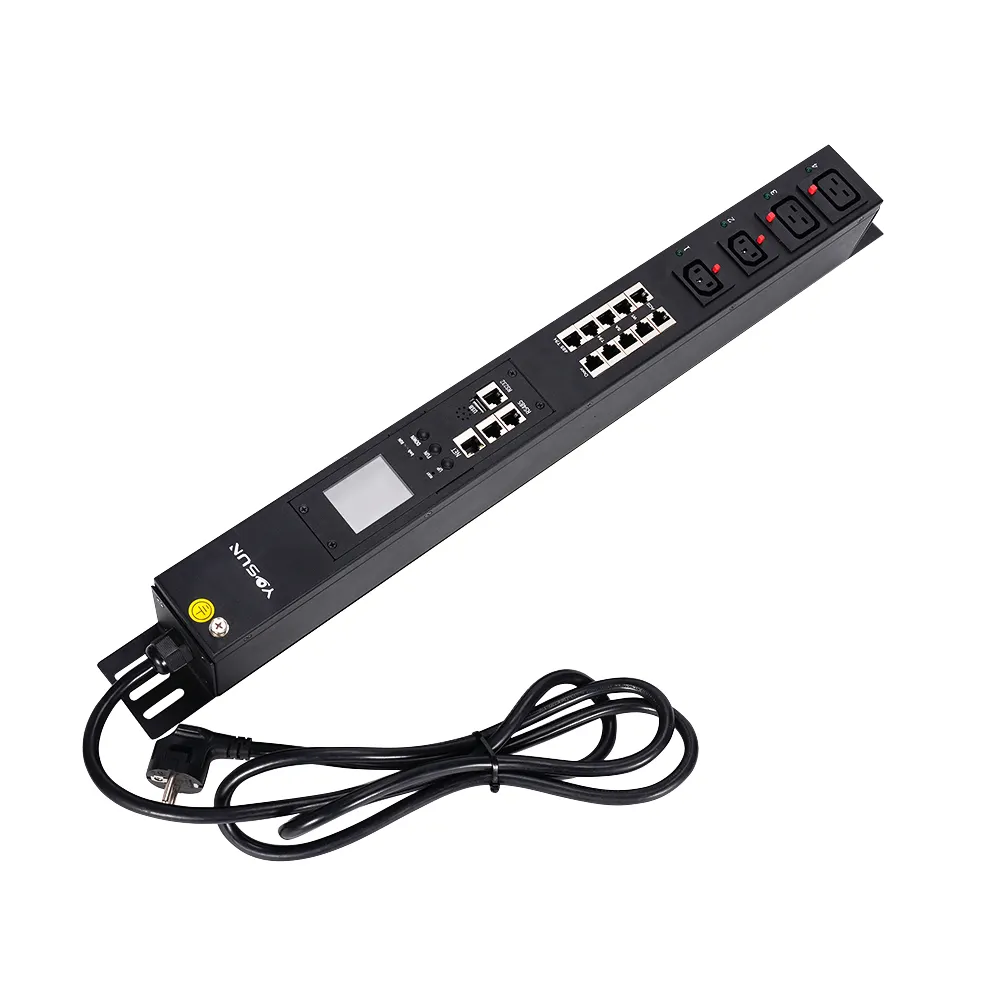
Do PDUs have surge protection? This is one of the most common—and potentially costly—misconceptions in IT infrastructure. Many data center managers assume that power distribution units (PDUs), especially rack-mounted PDUs, automatically protect servers from voltage spikes. In reality, most do not.
A single lightning strike or utility power surge can damage critical equipment, disrupt operations, and lead to significant financial losses. Understanding which PDUs include surge protection—and how to properly implement it—is essential for safeguarding modern data center environments.
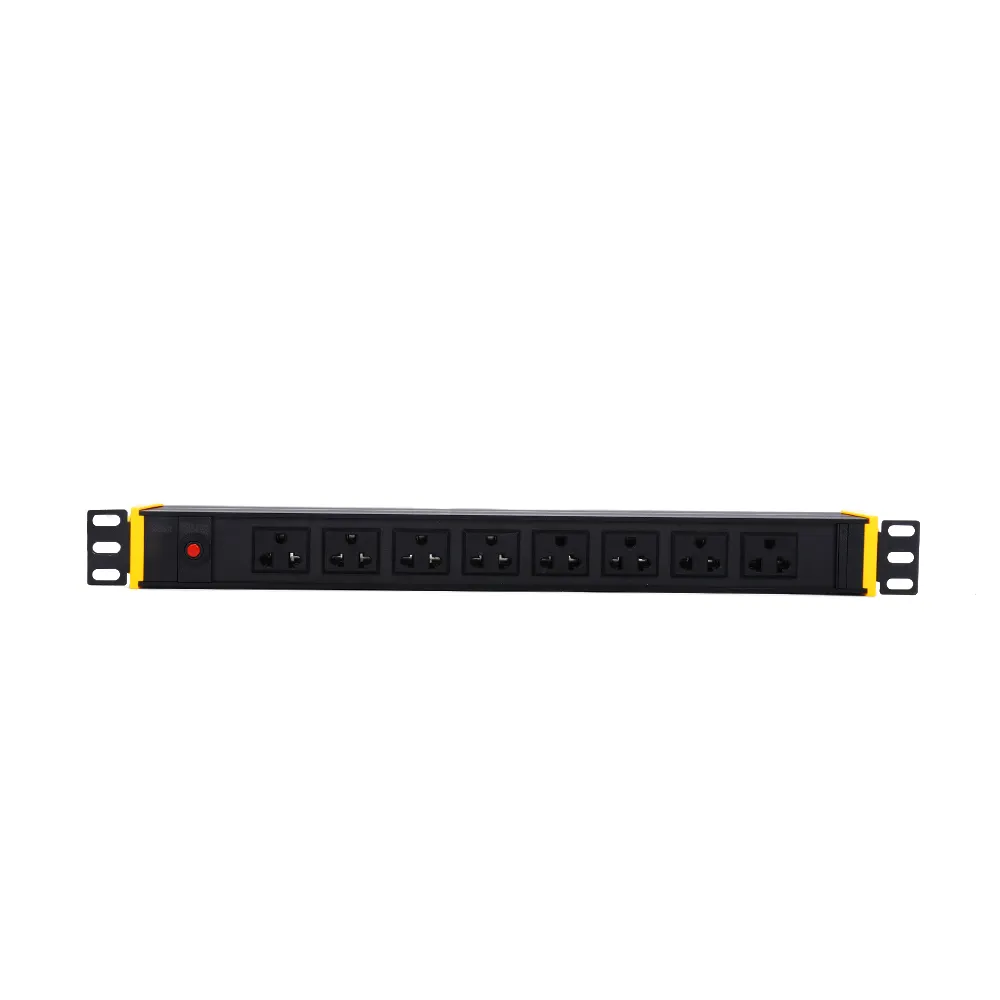
No. In most data center deployments, standard rack PDUs are designed for power distribution only, not surge suppression.
It’s important to distinguish between the two:
| Feature | PDU | Surge Protector |
|---|---|---|
| Primary Function | Distributes power to devices | Protects against voltage spikes |
| Surge Protection | Optional | Core function |
| Deployment | Inside racks | At panel, rack, or device level |
| Monitoring | Available (smart PDUs) | Limited |
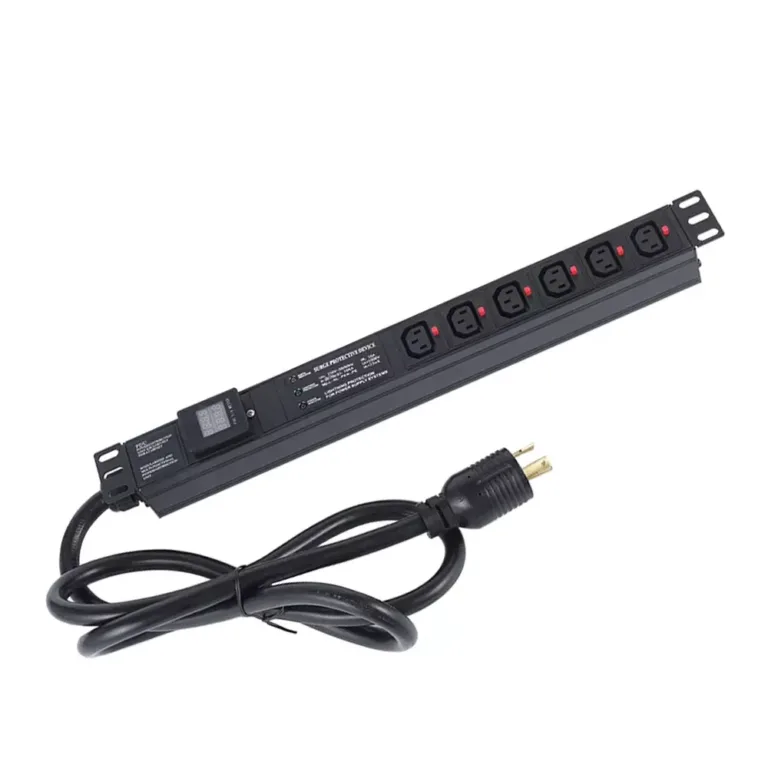
Some PDUs include integrated surge protection modules, but this is typically an optional feature, not standard.
Always check:
Without proper surge protection, IT equipment is exposed to multiple risks:
| Risk Type | Description | Impact |
|---|---|---|
| Power Surges & Spikes | Caused by lightning, grid switching, or equipment cycling | Hardware damage, system failure |
| Electrical Noise (EMI/RFI) | Interference from nearby electrical systems | Data errors, instability |
| Financial Loss | Equipment replacement + downtime | Significant operational costs |
Even minor voltage fluctuations can degrade sensitive electronics over time. In high-density environments, the impact is amplified.
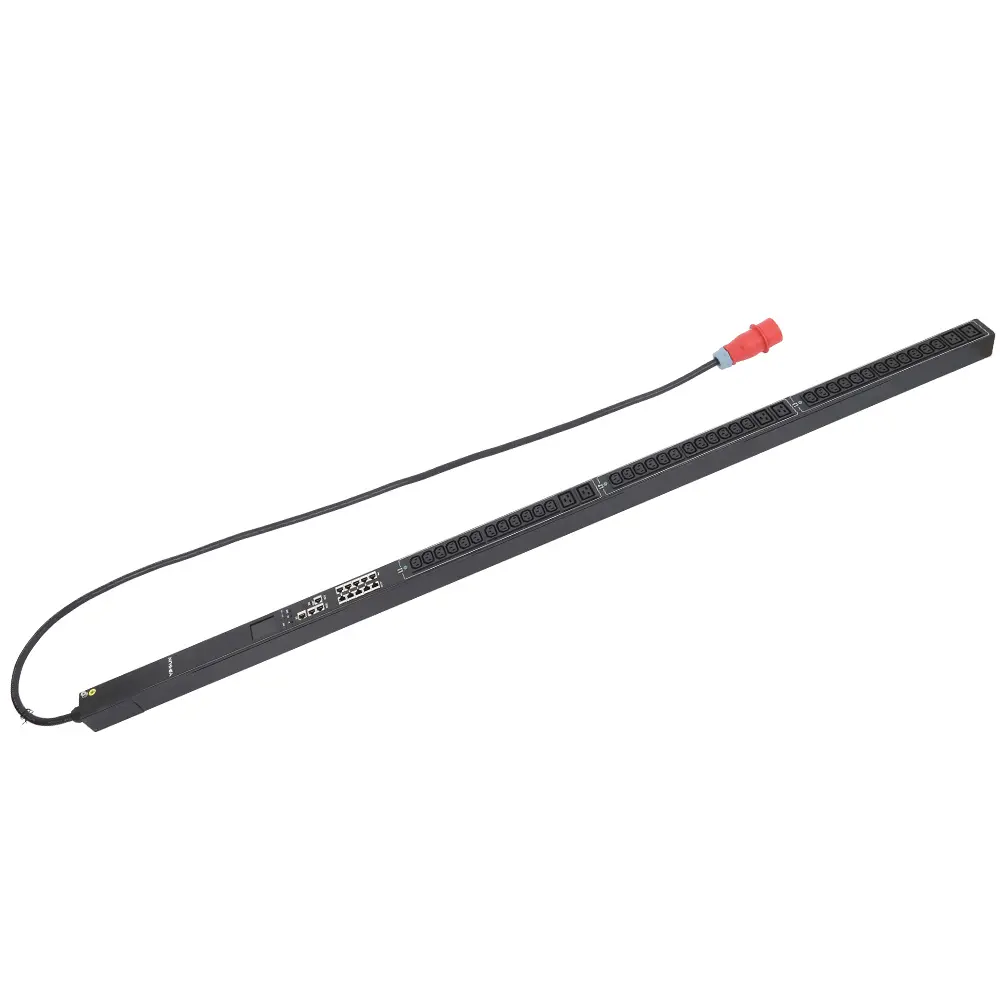
Recommendation: Use external surge protection devices if deploying basic PDUs.
Ideal for enterprise data centers and managed environments.
Designed for high-value or unstable power environments:
| Feature | Surge-Protected PDU | Standard PDU |
|---|---|---|
| Surge Protection | Integrated SPD | Not included |
| Voltage Clamping | Controlled | Not applicable |
| Response Time | Fast (nanosecond-level) | Not applicable |
| Energy Absorption | Rated (joules) | None |
These PDUs use internal protection components to absorb or divert excess voltage safely to ground.
A Surge Protective Device (SPD) protects equipment from transient voltage spikes.
Common SPD types:
Most rack PDUs use Type 3 SPDs, providing localized protection for IT equipment.
The most common component used is the Metal Oxide Varistor (MOV):
Other technologies may include TVS diodes and filtering circuits.
Instead of fixed values, surge protection performance is evaluated based on:
| Parameter | Description |
|---|---|
| Clamping Voltage | Maximum voltage allowed through to equipment |
| Response Time | Speed of protection activation (nanoseconds) |
| Energy Rating (Joules) | Total surge energy absorption capacity |
Actual values vary depending on standards (IEC / UL) and application requirements.
Check the following:
If none of these are present, the PDU likely does not include surge protection.
Recommended for:
| Scenario | Reason |
|---|---|
| Data centers | Protects high-density IT equipment |
| Telecom sites | Long cable exposure increases surge risk |
| Industrial systems | Electrical noise and instability |
| Medical equipment | Requires high reliability |
For mission-critical systems, a single protection layer is not enough.
Recommended architecture:
This multi-layer approach provides maximum resilience against all types of power disturbances.
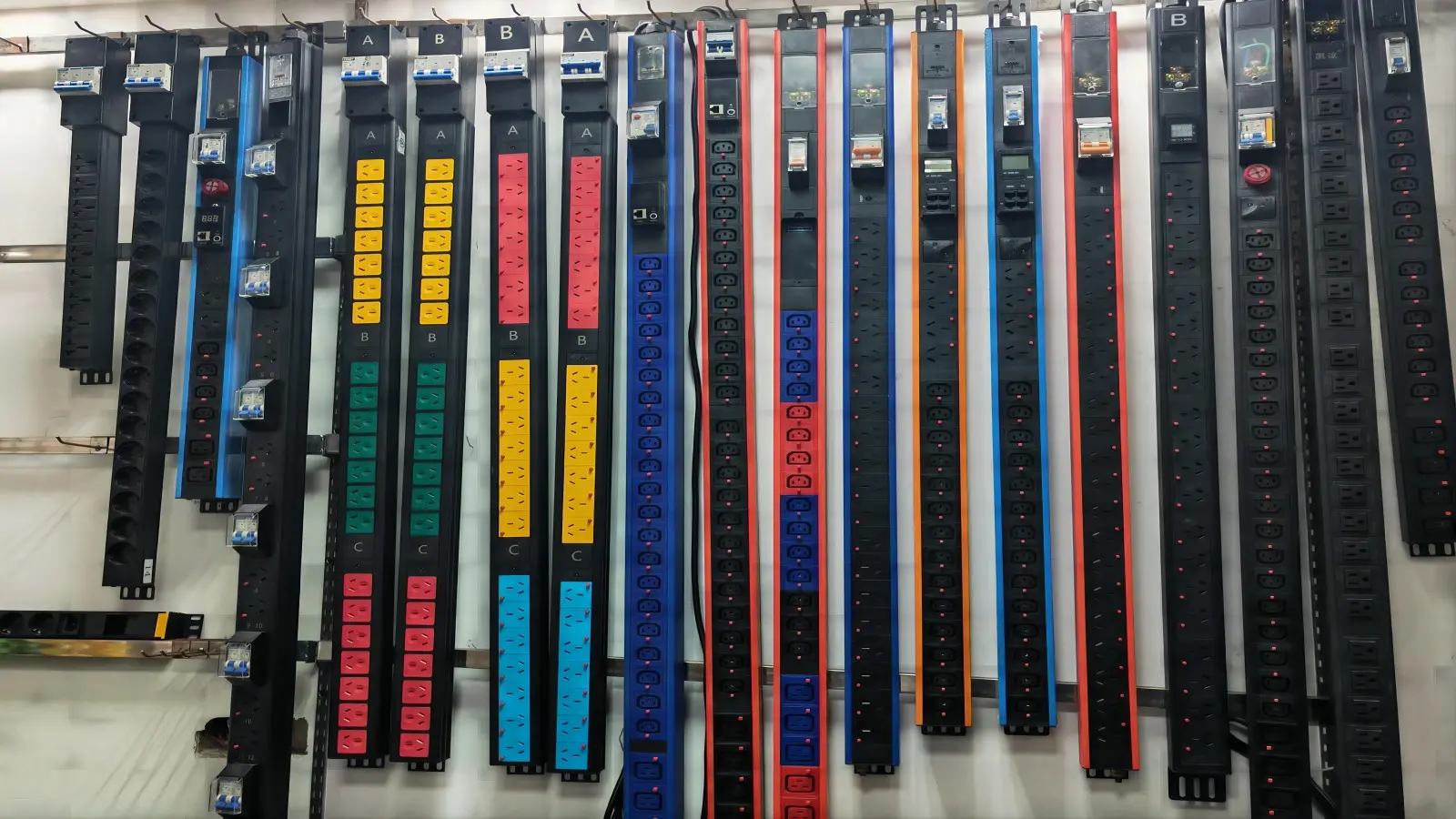
Unlike many fixed-configuration solutions, YOSUN offers a full range of PDUs, with optional modular surge protection, allowing you to customize your power infrastructure to your needs. Whether you require a basic PDU for a small office or a high-capacity intelligent PDU for a hyperscale data center, YOSUN provides a solution to ensure the safe and stable operation of your equipment.
This approach helps data centers reduce cost while improving long-term scalability and protection.
Not all PDUs include surge protection—and assuming they do can lead to serious equipment damage and downtime.
To ensure reliable operation:
With the right combination of PDU, SPD, and UPS, you can effectively safeguard your IT infrastructure.
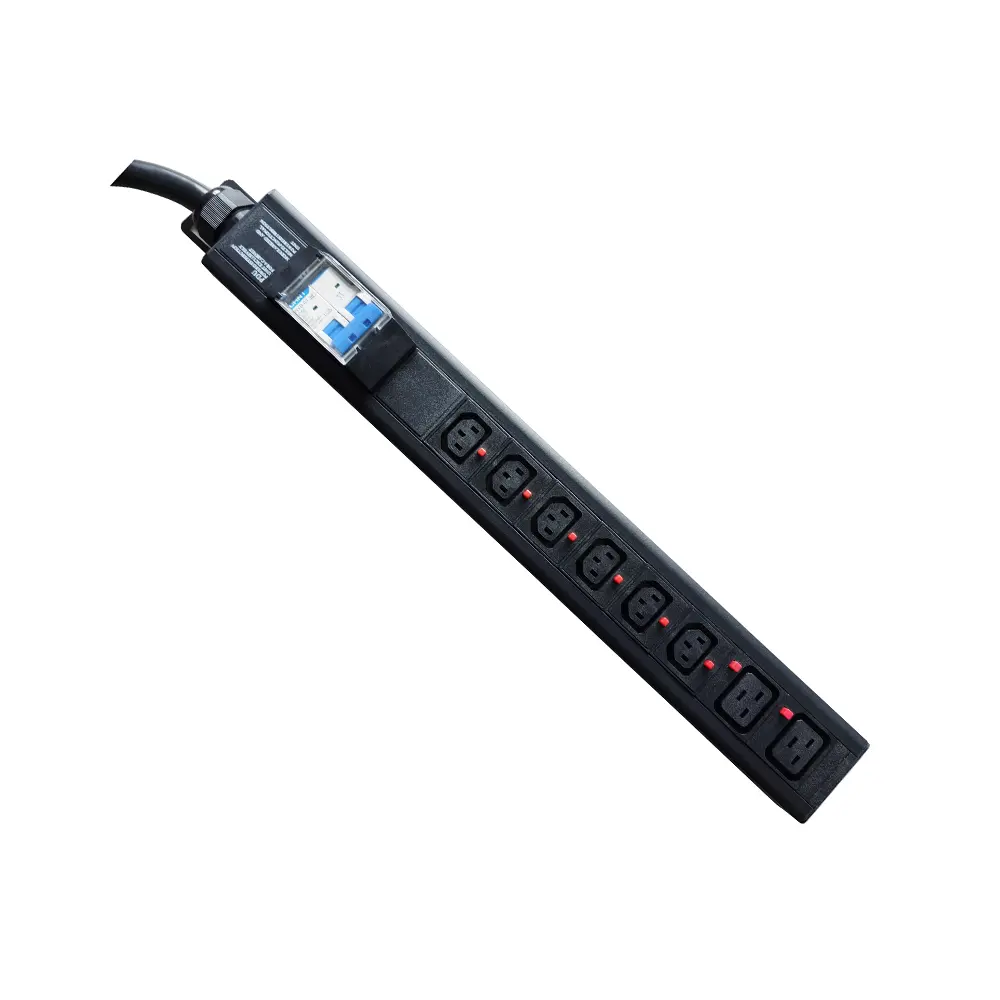
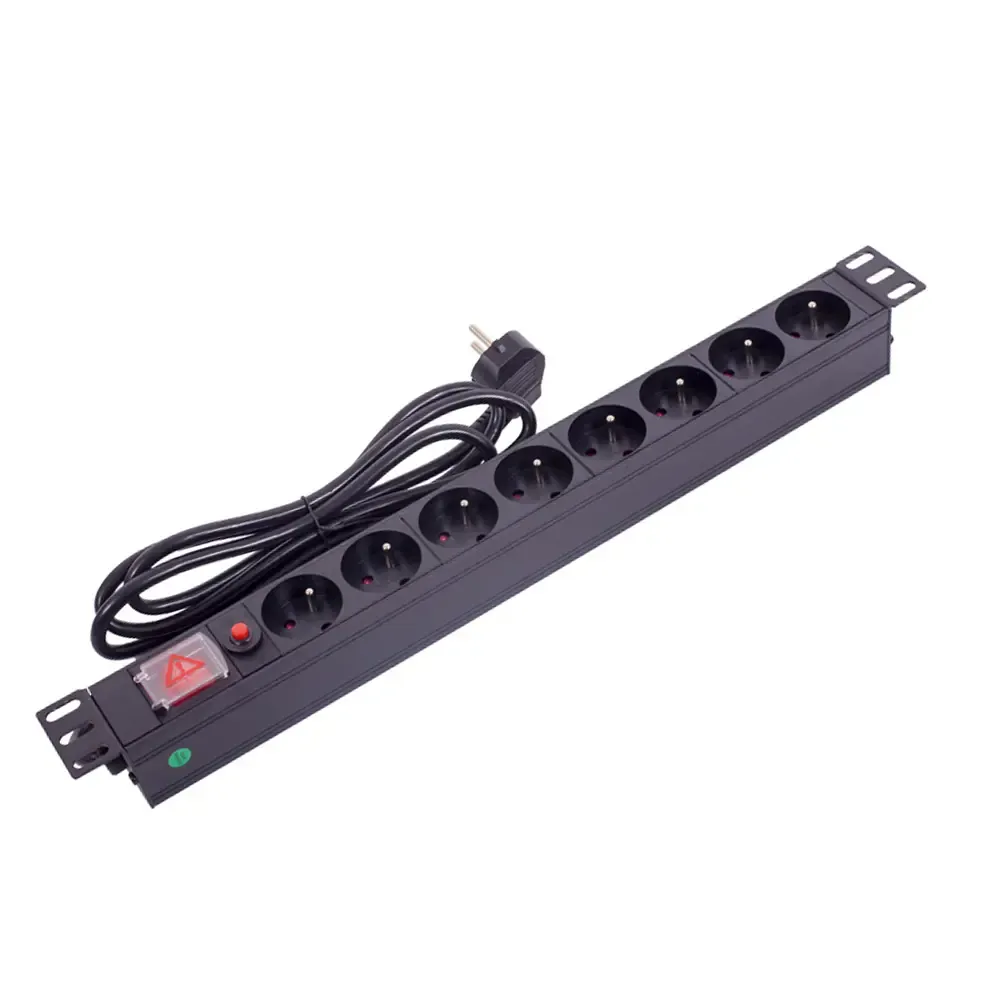
A PDU distributes electrical power to multiple devices within a server rack or data center. It organizes power connections and provides basic overload protection to ensure safe and reliable operation.
Surge protection uses components like Metal Oxide Varistors (MOVs) to divert excess voltage away from connected devices and safely to ground. This prevents voltage spikes from damaging sensitive IT equipment.
Data centers use PDUs with surge protection to prevent equipment damage, data loss, and costly downtime caused by voltage spikes and surges. Surge protection is a critical component of any reliable data center power infrastructure.
Look for “SPD” labeling on the product, check the technical datasheet for surge ratings (joules, clamping voltage), and look for dedicated surge indicator lights on the PDU itself.
PDU surge protection is effective for most common spikes, but for mission-critical systems, we recommend a layered approach: external Type 2 SPDs at the rack level + PDU-integrated Type 3 SPDs + UPS for power backup and additional filtering.