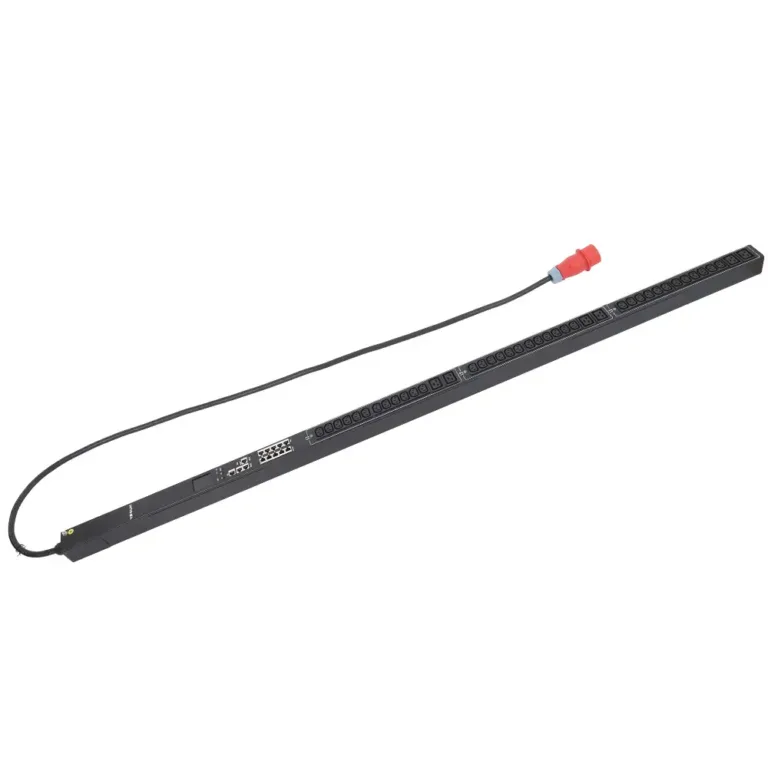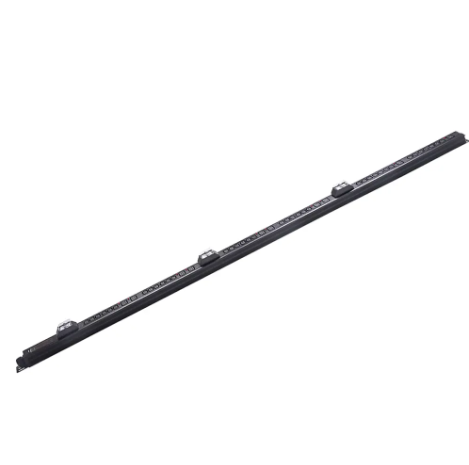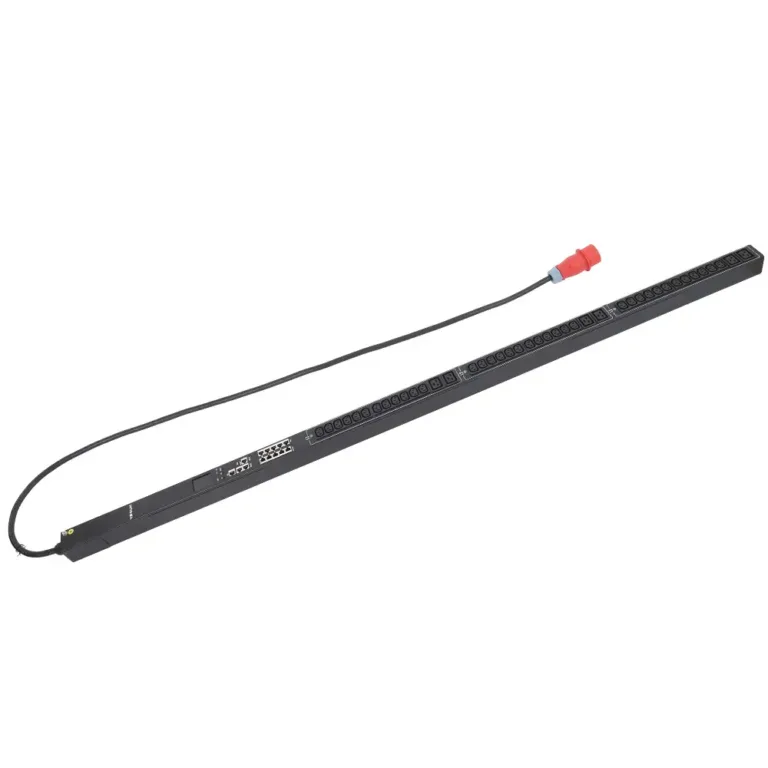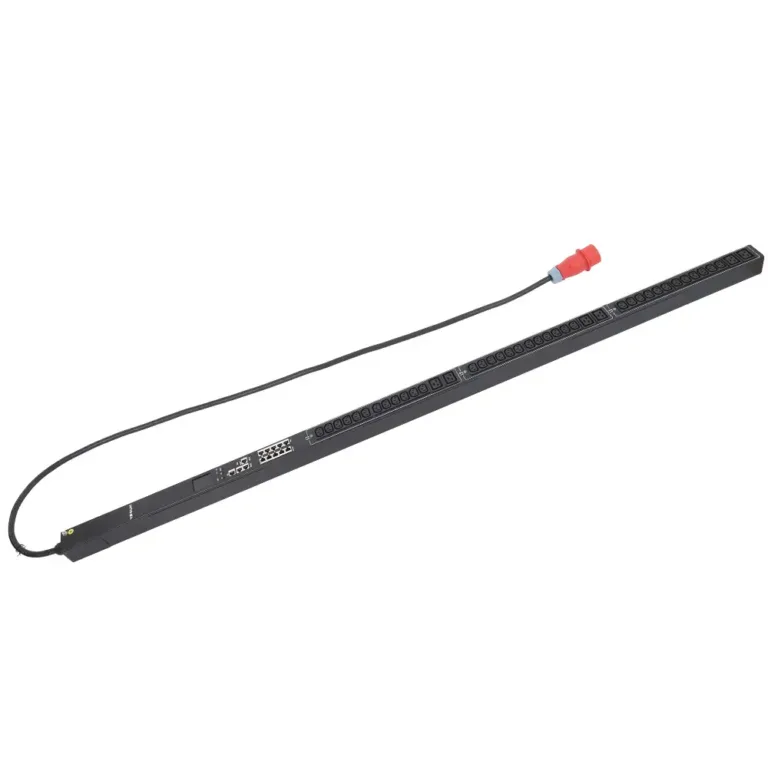
What is the difference between smart PDU and normal PDU?
A smart PDU is different from a normal PDU. It has special features like remote monitoring and device control. A normal power distribution unit gives...


+86 15867381241
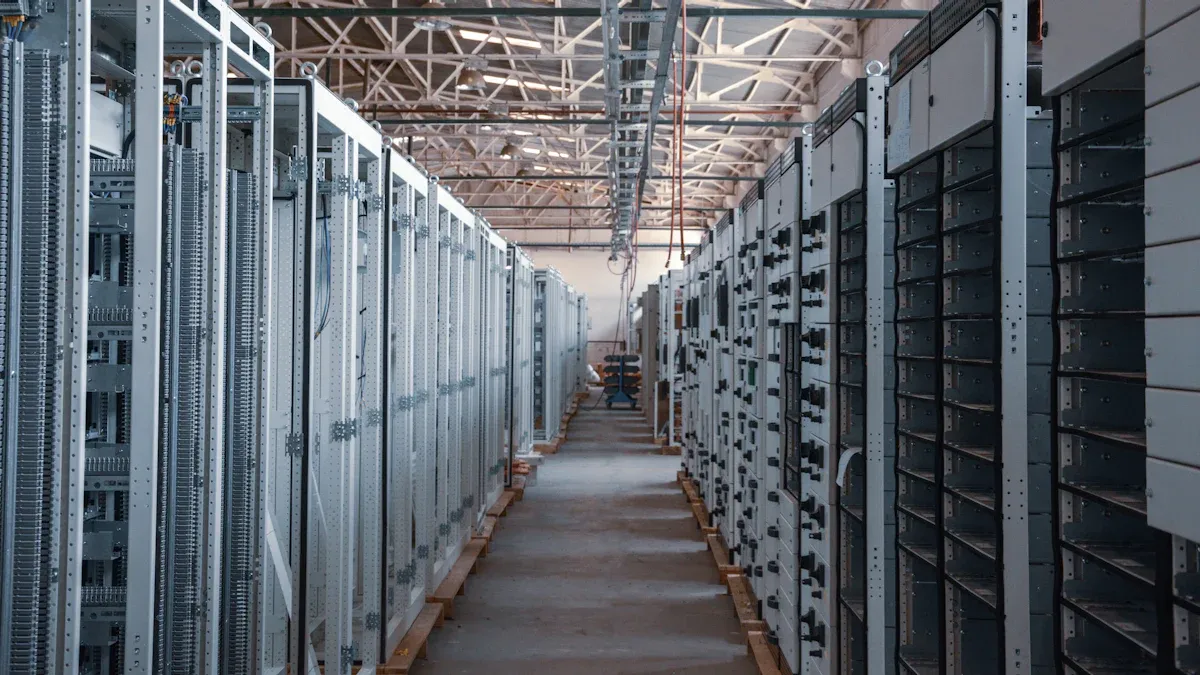
The vertical power distribution unit market continues to expand, reflecting the growing need for efficient power management. The global power distribution unit market shows significant growth projections for the coming years.
| Metric | Value |
|---|---|
| Market Size 2025 | USD 5.49 Billion |
| CAGR 2025-2034 | 7.76% |
Selecting the correct vertical rack PDU is crucial for any setup. This guide identifies several high-quality options—including The Best Vertical Rack Mount PDU, The Best Vertical PDU, and advanced intelligent PDU models—to meet diverse requirements in 2025.
Best Overall: APC AP8858NA3 Metered Rack PDU – Offers an ideal mix of outlet-level monitoring, reliability, and robust network management.
Best for Remote Control: Eaton ePDU G3 Switched – Delivers superior outlet switching for managed IT services and remote power cycling.
Best Budget Option: NBYOSUN Basic PDU – Provides reliable power distribution without the added cost of smart features.
The APC AP8858NA3 earns its spot as the best overall vertical PDU for 2025. It provides a powerful combination of detailed energy monitoring, robust construction, and advanced network management. This unit gives administrators the tools they need for precise control over their rack environment.
This PDU delivers enterprise-grade power and connectivity. Its technical specifications are designed for modern server racks with demanding equipment.
For network management, the unit supports common protocols for easy integration into existing systems. Administrators can access the PDU through secure web interfaces as well as Telnet and SNMP.
The APC AP8858NA3 stands out because it offers outlet-level power monitoring. This feature allows IT managers to see exactly how much energy each connected device uses. This detailed data helps with load balancing to prevent overloads and improves overall energy efficiency. The PDU integrates smoothly with APC’s centralized management platforms. This integration provides a single view for capacity planning and operations, making it a smart, future-proof investment.
This model is an excellent choice for any large-scale data center. It includes features essential for maintaining uptime and managing complex environments. The integrated metering provides real-time power monitoring, which is critical for optimizing a data center. Key benefits include:
These capabilities make this PDU a reliable foundation for powering mission-critical infrastructure. It gives data center operators the visibility they need to manage power effectively.
The Eaton ePDU G3 Switched model excels in environments requiring granular remote control. It gives IT administrators the power to manage individual outlets from any location. This capability is essential for improving uptime and operational efficiency.
This pdu offers a robust feature set designed for precise management and reliability. Its specifications support a wide range of IT equipment.
| Feature | Specification |
|---|---|
| PDU Type | Switched |
| Input Voltage | 120 V AC |
| Power Rating | 1920 W |
| Plug Type | NEMA L5-20P, NEMA 5-20P |
| Outlet Type | 8 x NEMA 5-20R (individually switchable) |
| Monitoring | Outlet-level, ±1% billing grade accuracy |
| Operating Temp. | 140°F (60°C) |
| Network | RJ-45 port, Daisy chain up to 4 devices |
This unit’s standout feature is its remote power cycling. Administrators can turn individual outlets on, off, or reboot them through a secure network interface. This function is critical for resolving issues with unresponsive servers or network gear without a site visit.
Pro Tip: Remotely rebooting a frozen device can significantly reduce downtime. Studies show environments using this technology can see a 25% reduction in service interruptions.
The detailed power monitoring provides real-time data for each connected device. This level of monitoring helps teams balance loads and prevent circuit overloads before they occur.
The Eaton ePDU G3 is ideal for multi-tenant environments like colocation facilities and managed IT services. Its outlet-level metering has ±1% billing grade accuracy. This allows providers to bill clients precisely for the energy they consume. This pdu helps a data center improve customer satisfaction and operational transparency. For managed service providers, the ability to remotely resolve power issues minimizes service interruptions and reduces the need for costly on-site technician visits. This powerful pdu streamlines management and enhances service reliability.
For users who need dependable power delivery without the complexity of network management, the NBYOSUN Basic PDU is the top budget-friendly choice for 2025. It focuses on providing safe, high-density power distribution in a durable and affordable package.
This pdu offers key features for dependable operation. Its design prioritizes safety, compatibility, and ease of use, making it a versatile option for standard rack environments.
The unit is available in various configurations to meet global power standards.
| Feature | Specification |
|---|---|
| Housing | Rugged, all-metal chassis |
| Outlet Types | American, UK, Schuko, IEC C13/C19, Universal |
| Mounting | 1U/0U rack-mountable design |
| Compliance | CE, RoHS, and other international standards |
This power distribution unit delivers exceptional reliability at a low cost. The NBYOSUN Basic PDU has a Mean Time Between Failures (MTBF) of over 150,000 hours. This rating, certified by a third party, shows the unit is built for long-term, continuous operation. Its sturdy metal housing and high-quality internal components ensure it can handle the demands of a busy rack. This focus on core function allows it to provide essential power without the expense of advanced metering or switching features.
Note: This vertical power distribution unit is an excellent choice for home labs, small business server closets, and other straightforward IT setups.
These environments require consistent power but often do not need remote management capabilities. The NBYOSUN model provides a high outlet density in a compact form factor. It allows users to power all their equipment safely from a single source. By eliminating complex smart features, it offers a simple, plug-and-play solution that is both reliable and easy on the budget.
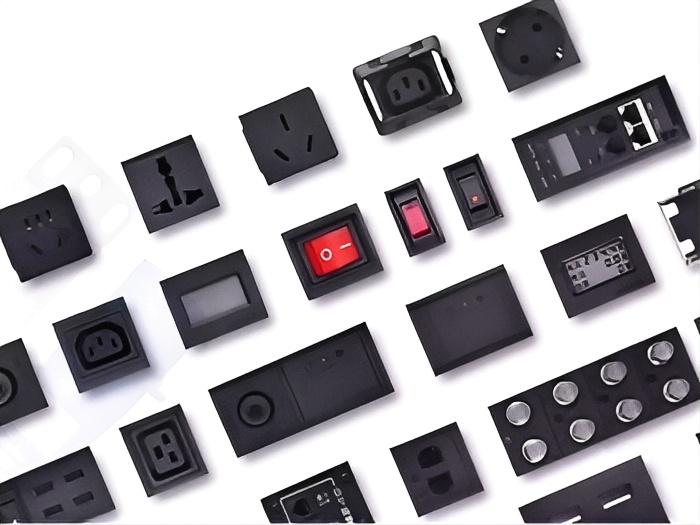
When rack space is at a premium, the Vertiv Geist Universal rPDU emerges as the top choice for 2025. It provides an exceptional number of outlets in a compact vertical design, making it perfect for crowded server racks.
This unit is engineered for flexibility and high power capacity. Its universal design allows it to adapt to various power infrastructures worldwide.
These features ensure the pdu can support demanding equipment loads safely and reliably.
The Vertiv Geist Universal rPDU excels at saving valuable rack space. As a vertical rack pdu, it mounts in the 0U space at the side or rear of the cabinet, leaving all horizontal rack units free for IT equipment.
The key innovation is its universal input. A single pdu model can be used globally, regardless of regional power standards. Companies can simply change the detachable power cable to match the local power source. This feature dramatically simplifies inventory management and speeds up deployment for any global data center.
This model is built for the extreme power demands of high-performance computing (HPC) and high-density data centers. It supports both single-phase and three-phase power configurations, providing the flexibility needed for powerful servers and network switches. The unit’s ability to handle up to 22.0kW makes it a robust solution for racks filled with power-hungry hardware. With embedded monitoring firmware, teams can track power usage and manage loads effectively, ensuring stability in mission-critical environments.
Selecting the right vertical power distribution unit ensures safety and efficiency. Buyers should evaluate their specific needs before making a purchase. This process involves assessing power requirements, choosing a PDU type, and matching outlet configurations for effective power distribution.
First, calculate the total power consumption for all equipment in the rack. This step is critical for preventing overloads. An accurate calculation includes all servers, network gear, and support systems.
A simple method to find your total load:
- Sum the power consumption (in kW) of all planned rack equipment.
- Add the power needs of other room systems like lighting and cooling.
- The total gives you the base load your Uninterruptible Power Supply (UPS) must support.
For a data center with A/B power feeds, each power distribution unit must handle 100% of the rack’s load. This redundancy ensures uptime if one power path fails. A safe practice is to keep each pdu below 40% of its rated capacity during normal operation.
Different PDU types offer various levels of functionality and control. The best choice depends on your budget and management needs. A basic pdu provides simple power delivery, while more advanced models offer remote monitoring and control.
| PDU Type | Functionality | General Cost |
|---|---|---|
| Basic | Distributes power with no monitoring. | Lowest |
| Metered | Shows power usage on a local display. | Moderate |
| Monitored | Allows remote monitoring of power data. | Higher |
| Switched | Adds remote on/off control for each outlet. | Highest |
The final step is to match the PDU’s outlets to your equipment. An inventory of your device plugs is necessary to ensure compatibility.
Careful planning at this stage prevents connectivity issues and supports a scalable rack environment.

Choosing the right power distribution unit depends on your specific needs for control and visibility. Each type offers a different level of functionality, from simple power delivery to advanced remote management.
A Basic PDU is the most straightforward option. It reliably delivers electricity from a single source to multiple devices in a rack. This type does not have networking or metering features. Its simple design makes it a popular choice for many setups.
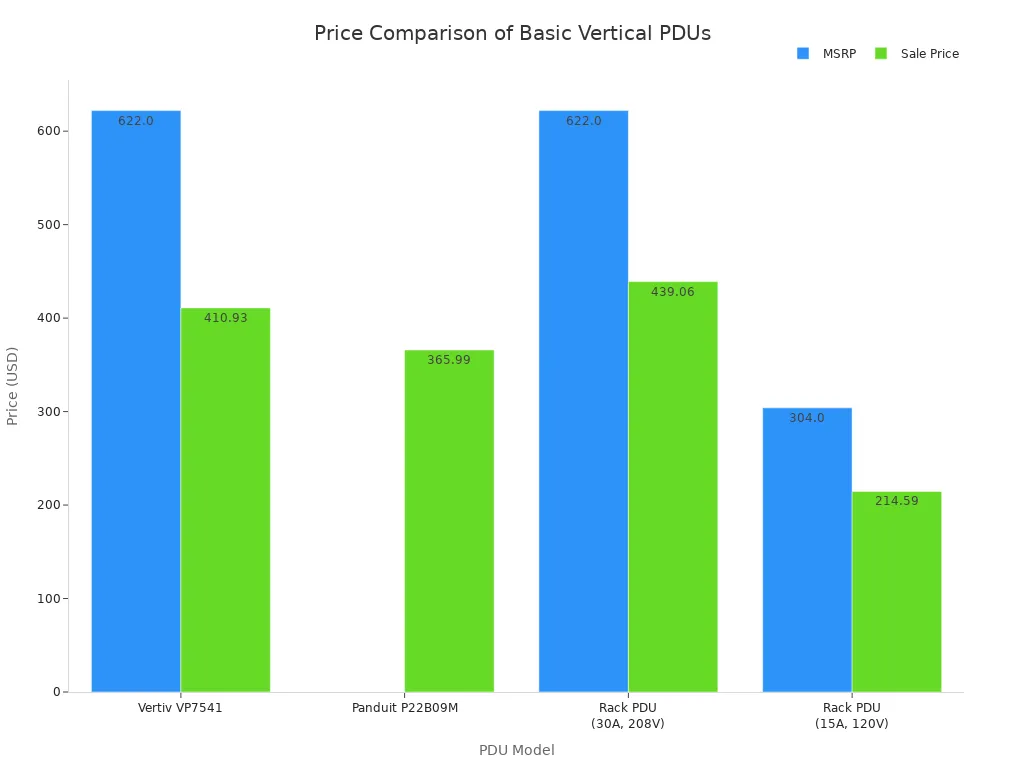
Basic PDUs are known for their reliability and low maintenance. Their main job is to distribute power safely. The chart below shows typical pricing for several models, highlighting their affordability.
A Metered PDU adds a local display that shows real-time power data. This feature helps data center managers track energy use for the entire unit. The primary benefit is preventing circuit overloads. By monitoring power draw, teams can balance loads and plan for future capacity needs. Enterprise-grade models provide “billing-grade” accuracy, typically within +/- 1%. This level of precision is essential for effective power management and cost allocation. This detailed monitoring helps identify potential issues before they cause downtime.
A Switched pdu offers the highest level of control. It includes all the features of a metered unit and adds the ability to manage individual outlets remotely. Administrators can turn outlets on, off, or reboot them through a network connection. This function is critical for fixing unresponsive equipment without a site visit.
This remote control also allows for automation. A simple script can reboot a specific device automatically.
However, this network connection creates security risks. It is vital to use strong security practices. These include using encrypted connections like HTTPS, enforcing strong password policies, and keeping the firmware updated to protect the power infrastructure.
A smart PDU represents the most advanced category of power management technology. This type of power distribution unit combines the features of metered and switched models. It adds even more intelligence for total rack-level control. These units provide detailed data and remote management, making them essential for modern data centers.
The primary benefit of a smart or managed PDU is its ability to improve energy efficiency. It offers outlet-level power monitoring, giving administrators precise data on how much energy each device uses. This detailed information helps teams identify underutilized servers that waste electricity. By shutting down or consolidating these idle devices, data centers can significantly lower their Power Usage Effectiveness (PUE) score. This practice reduces operational costs and supports green IT initiatives.
Beyond power, these advanced units often serve as a central hub for environmental monitoring. Administrators can connect various sensors to the pdu to track conditions inside the rack. This provides a complete picture of the rack’s health. Common sensors include:
These capabilities give data center operators a powerful tool for proactive management. They can prevent downtime by addressing power and environmental issues before they become critical problems.
For most enterprise and advanced home lab environments in 2025, the APC AP8858NA3 stands out as the best overall choice. Its comprehensive features and proven reliability make it a strong foundation for any rack.
However, the best vertical power distribution unit is always the one that fits a user’s specific needs. This guide’s key factors help align power, control, and budget requirements with the right model.
Looking Ahead: The future of the vertical power distribution unit is smart and secure. Expect to see innovations like:
Vertical PDUs mount in the side “0U” space of a server rack. This design saves valuable equipment space. Horizontal PDUs install in the main rack area and typically use one or two rack units (1U or 2U).
The PDU’s input plug must match the power source outlet, such as a wall socket or a UPS. An incorrect plug type prevents the unit from connecting to power. Always verify compatibility before purchasing to ensure proper installation. 🔌
Yes, a PDU can distribute power directly from a wall outlet. However, it will not provide battery backup. A UPS is necessary to keep equipment running during a power outage. The two devices work together for complete power management.